Accepted
"Rejection is the mother of invention."
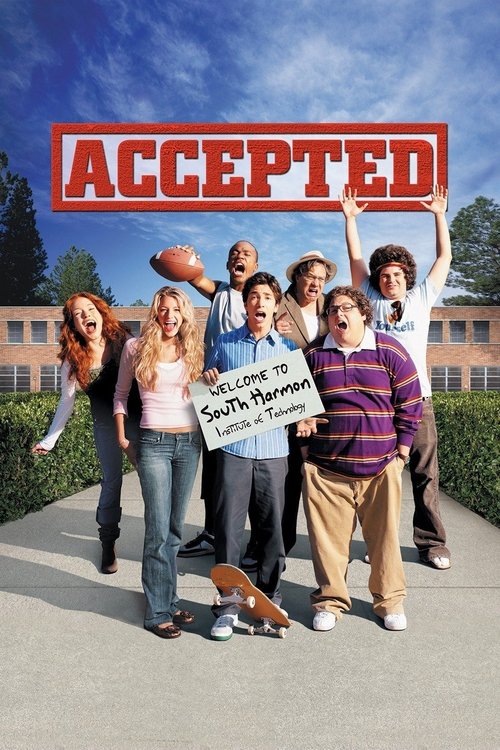
There is a specific, cold dread that comes with a thin envelope from a university admissions office. In 2006, that dread was a rite of passage for a generation told that if they didn't get into a "name-brand" school, they might as well start practicing their "would you like fries with that?" routine. Accepted arrived at the tail end of the DVD boom and the birth of the Judd Apatow comedy era, landing like a Molotov cocktail thrown into a guidance counselor's office. It’s a movie that understands the absurdity of the American education industrial complex, and it chooses to fight that absurdity with a fake college, a pool of shrimp, and a mascot named the Sandwiches.
I watched this most recent time on a laptop with a screen so smudged it looked like I’d been using it as a coaster for a greasy pizza box, and honestly, the low-res grime only added to the film's scrappy, DIY energy. It’s a movie that thrives on the aesthetic of "making it up as you go."
The Art of the Academic Scam
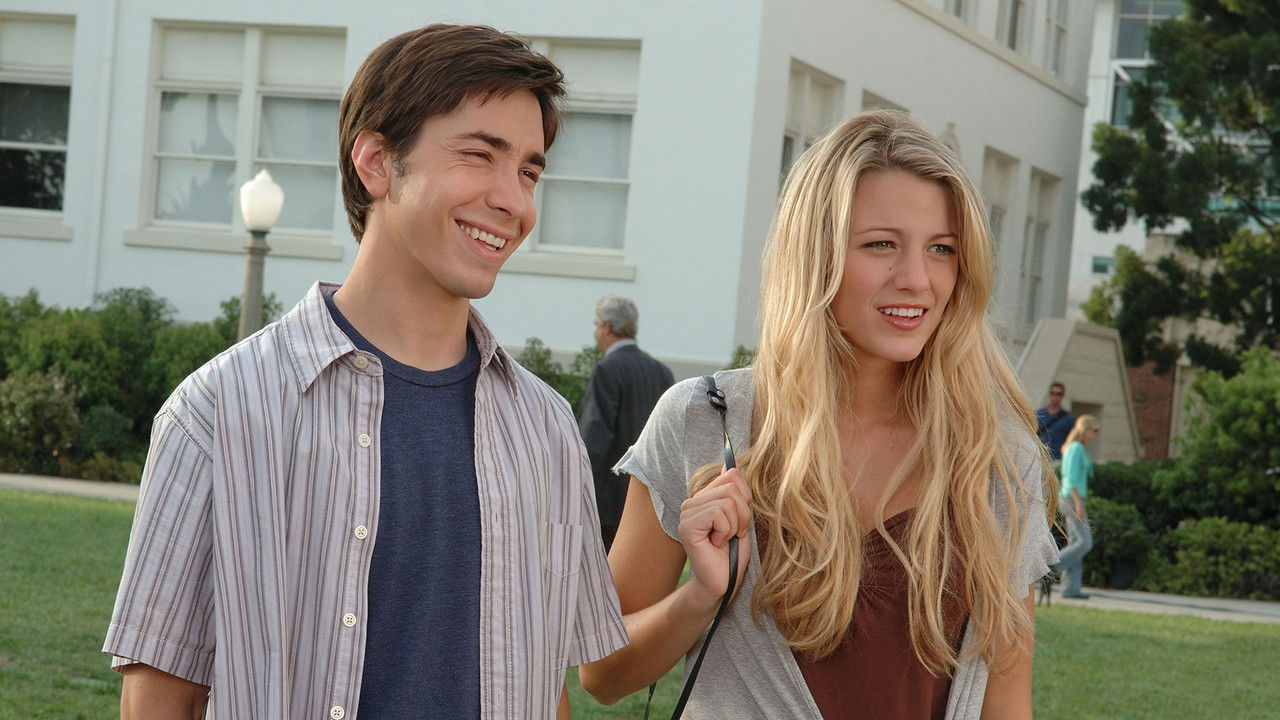
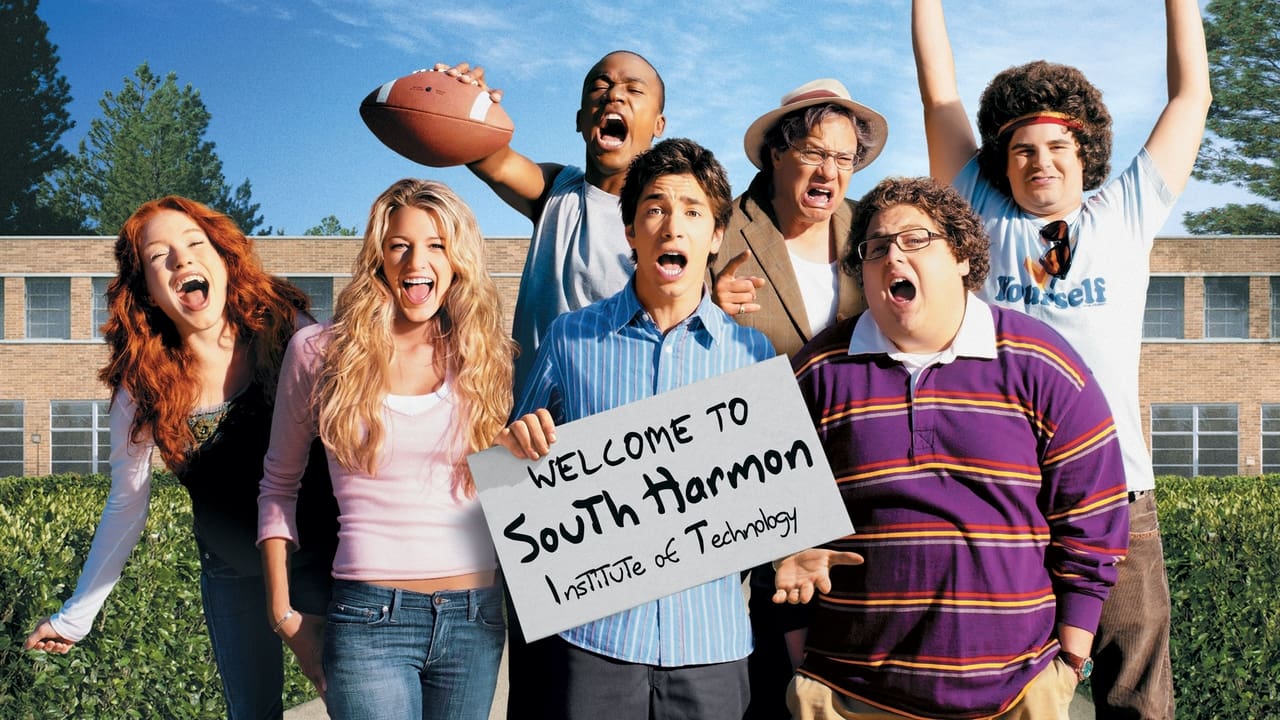
The plot is the kind of beautiful nonsense that only works in a pre-smartphone world. Justin Long, playing Bartleby Gaines with that frantic, fast-talking charm he perfected in Dodgeball, gets rejected by every college he applies to. To appease his demanding parents, he does what any rational person would do: he leases a derelict psychiatric hospital, builds a website, and creates the "South Harmon Institute of Technology." The joke, of course, is the acronym—S.H.I.T.—which the movie leans into with the grace of a sledgehammer, but it’s the cinematic equivalent of a C+ student who somehow writes a brilliant final essay while hungover.
What’s fascinating looking back is how Steve Pink (who wrote the biting High Fidelity) directs this with more visual intent than your average mid-2000s comedy. He hired Matthew F. Leonetti, the cinematographer behind Poltergeist, to shoot it. There’s a texture to the rundown hospital-turned-campus that feels lived-in and gross in a way that modern, digitally-shot comedies often lack. It feels like a real place where kids would actually blow stuff up with their minds.
A "Who's Who" of Future Stars
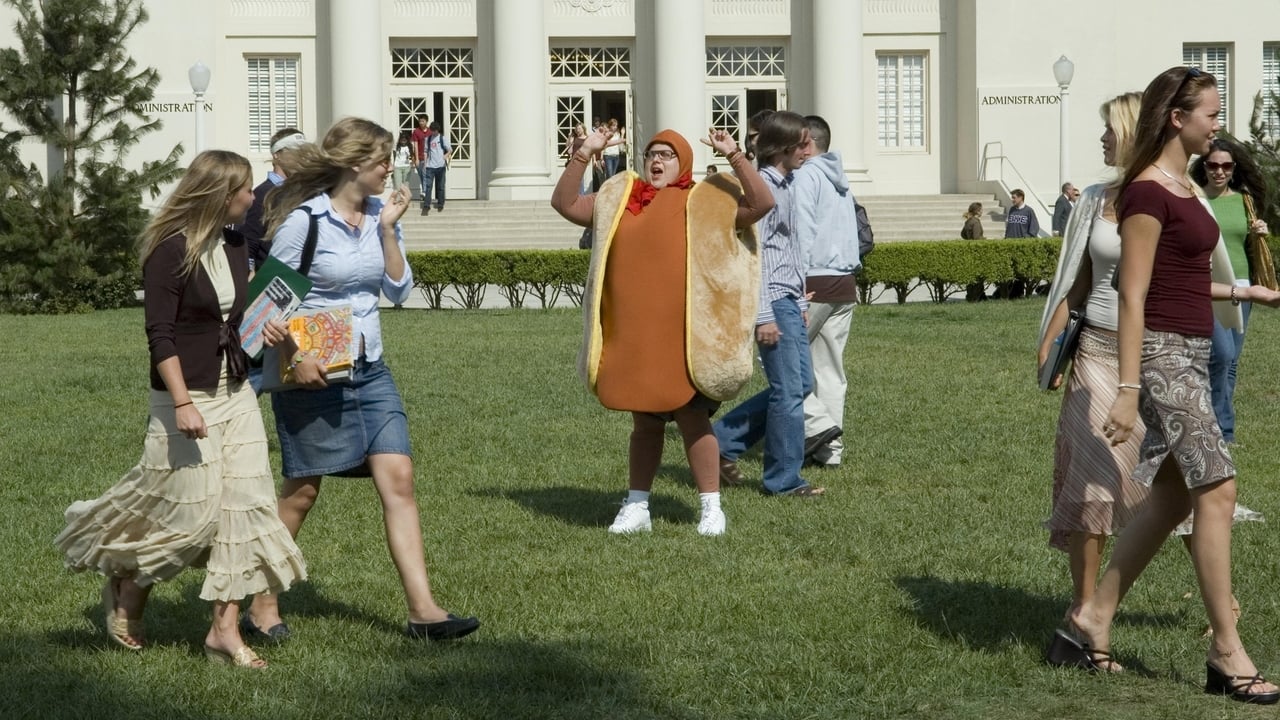
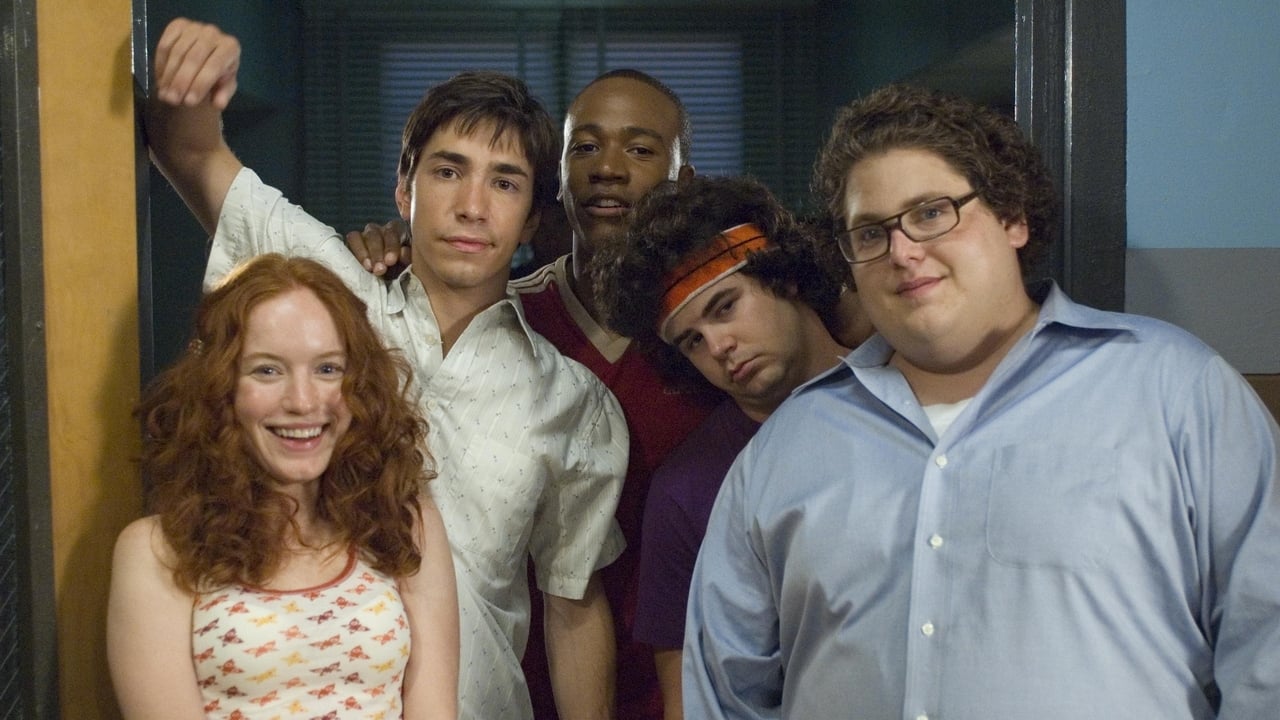
The real joy of revisiting Accepted is seeing the sheer density of talent before they became household names. This was the world’s introduction to Jonah Hill as a comedic force. As Sherman Schrader, the neurotic, sweater-vest-wearing foil to Bartleby’s chaos, Hill is a volcano of improvised anxiety. Apparently, his frantic monologue about being a "tradition-oriented person" was almost entirely ad-libbed, and you can see the seeds of the performance that would make him a star a year later in Superbad.
Then you have Blake Lively, just a year away from Gossip Girl, playing the "dream girl" Monica. While the role is undeniably thin—this was 2006, after all—she brings a groundedness that prevents the movie from floating off into pure cartoon territory. The supporting cast of rejects, including Columbus Short and Maria Thayer, actually feel like people you’d want to hang out with. They aren’t just caricatures; they’re the kids who didn't fit into the narrow boxes the world tried to shove them into.
I especially loved the inclusion of Lewis Black as the "dean." Having a professional ranter play the ideological heart of the film was a stroke of genius. His scorched-earth monologues about the "system" feel even more relevant now than they did eighteen years ago.
The Legacy of the Reject
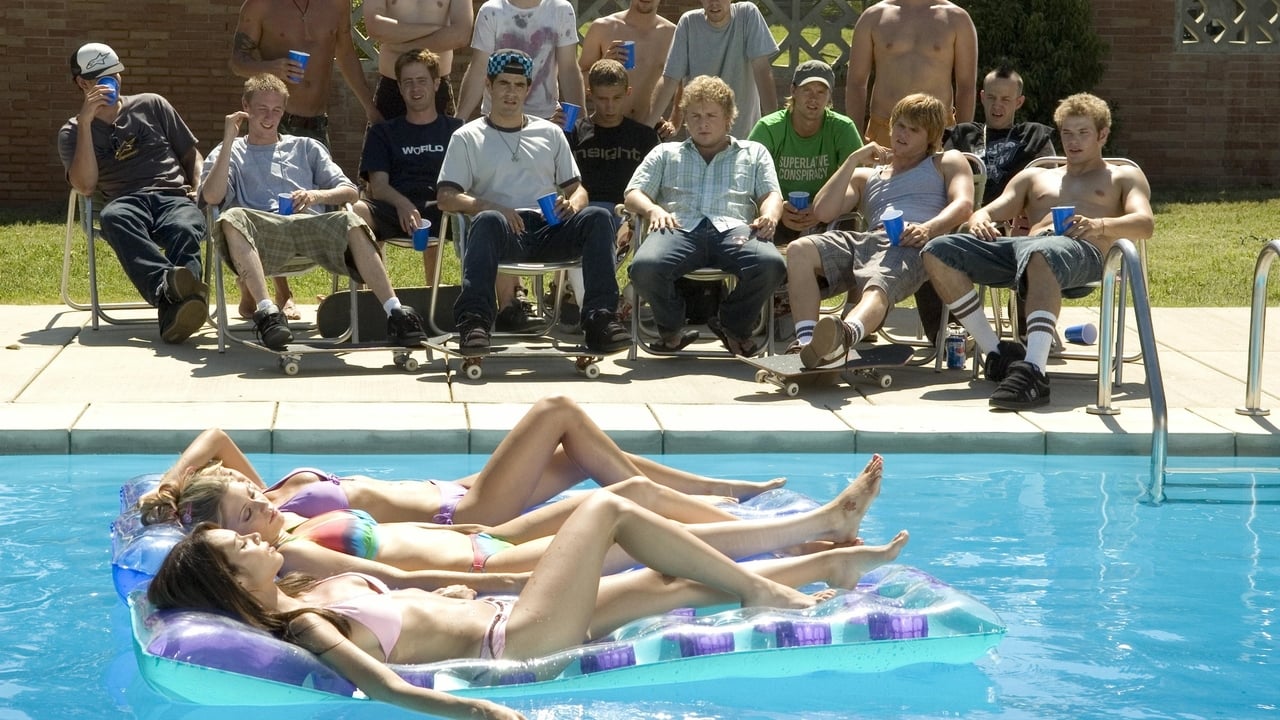
What was groundbreaking for its time—and what holds up surprisingly well—is the film’s central philosophy. It’s not just a movie about a prank; it’s a movie about the democratization of learning. The "South Harmon" curriculum, where students just teach each other what they’re passionate about (from wood carving to "doing nothing"), feels like a proto-YouTube or Masterclass vision of the future. It’s a middle finger to the corporatization of the university experience, and it’s arguably the most socialist movie Universal Pictures ever released under the guise of a frat-style comedy.
Of course, not everything has aged like fine wine. The pacing in the second act gets a bit bogged down in a subplot about a rival "real" college (led by a villainous Travis Van Winkle) that feels a bit like a discarded Animal House script. But the movie recovers whenever it returns to the chaos of the S.H.I.T. campus. I’m reminded of how much I miss the 90-minute comedy era. There's no filler here, just a rapid-fire assault of gags that usually land, and a heart that beats for the outcasts.
Accepted is a relic of a time when comedies could be both incredibly stupid and weirdly profound without needing to be part of a cinematic universe. It captures the frantic, tech-anxious energy of the mid-2000s while offering a timeless message for anyone who’s ever felt like a "no" in a world that demands a "yes." If you haven't seen it since the days of Blockbuster rentals, it's time to re-enroll. You might find that the lessons it teaches about carved pumpkins and individual agency are more useful than a degree in accounting anyway.
Keep Exploring...
-
Hot Tub Time Machine
2010
-
The Sisterhood of the Traveling Pants
2005
-
Death at a Funeral
2010
-

Funny People
2009
-

Heartbreakers
2001
-
How High
2001
-
Jay and Silent Bob Strike Back
2001
-
Jimmy Neutron: Boy Genius
2001
-
Kate & Leopold
2001
-

The Wedding Planner
2001
-
Wet Hot American Summer
2001
-
Big Fat Liar
2002
-
Confessions of a Dangerous Mind
2002
-
Eight Legged Freaks
2002
-
National Lampoon's Van Wilder
2002
-
S1m0ne
2002
-

The Sweetest Thing
2002
-
11:14
2003
-

Duplex
2003
-
Holes
2003