Alpha Dog
"Suburban boredom is a dangerous drug."
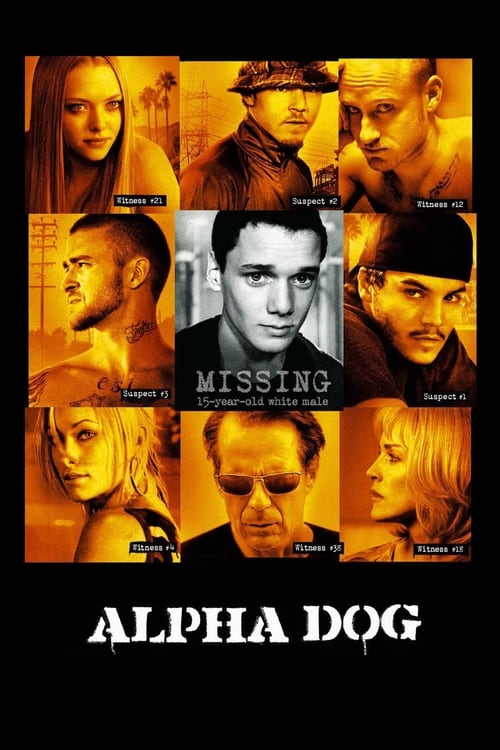
There is a specific kind of dread that only comes from watching people who are way out of their depth. We’ve all seen the heist movies where professionals slip up, but Alpha Dog is something much more uncomfortable: it’s a "hangout movie" that accidentally trips into a kidnapping, then a felony, and finally a tragedy, all because nobody in the room wanted to be the first person to admit they were scared.
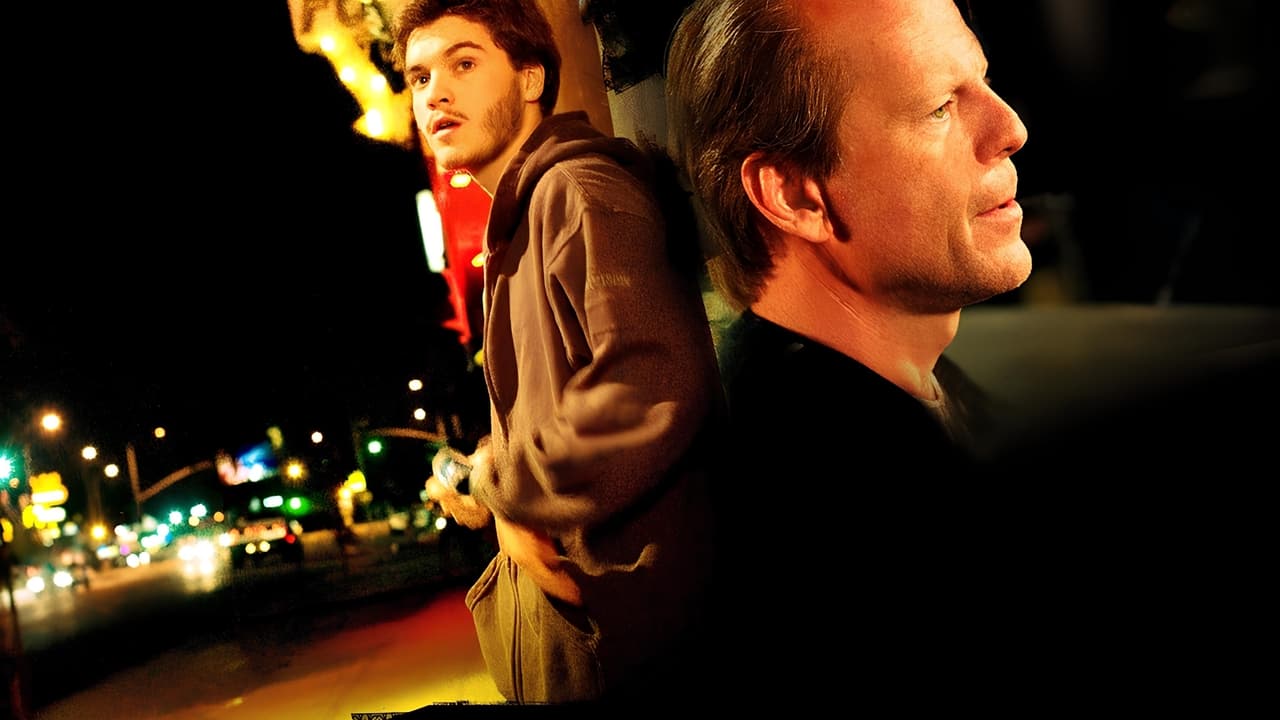
When it dropped in 2006, it felt like a tabloid headline come to life. Based on the real-life story of Jesse James Hollywood—the youngest man to ever land on the FBI's Most Wanted list—it captured a very specific mid-2000s malaise. This was the era of oversized Phat Farm hoodies, Limp Bizkit-adjacent machismo, and middle-class white kids in the San Fernando Valley playing "thug" because they had too much time and too little supervision. I caught this again recently on a rainy Tuesday while eating a bowl of lukewarm Captain Crunch, and honestly, the crunch of the cereal was the only thing breaking the mounting tension of the film’s final thirty minutes.
The Sunshine Sickness
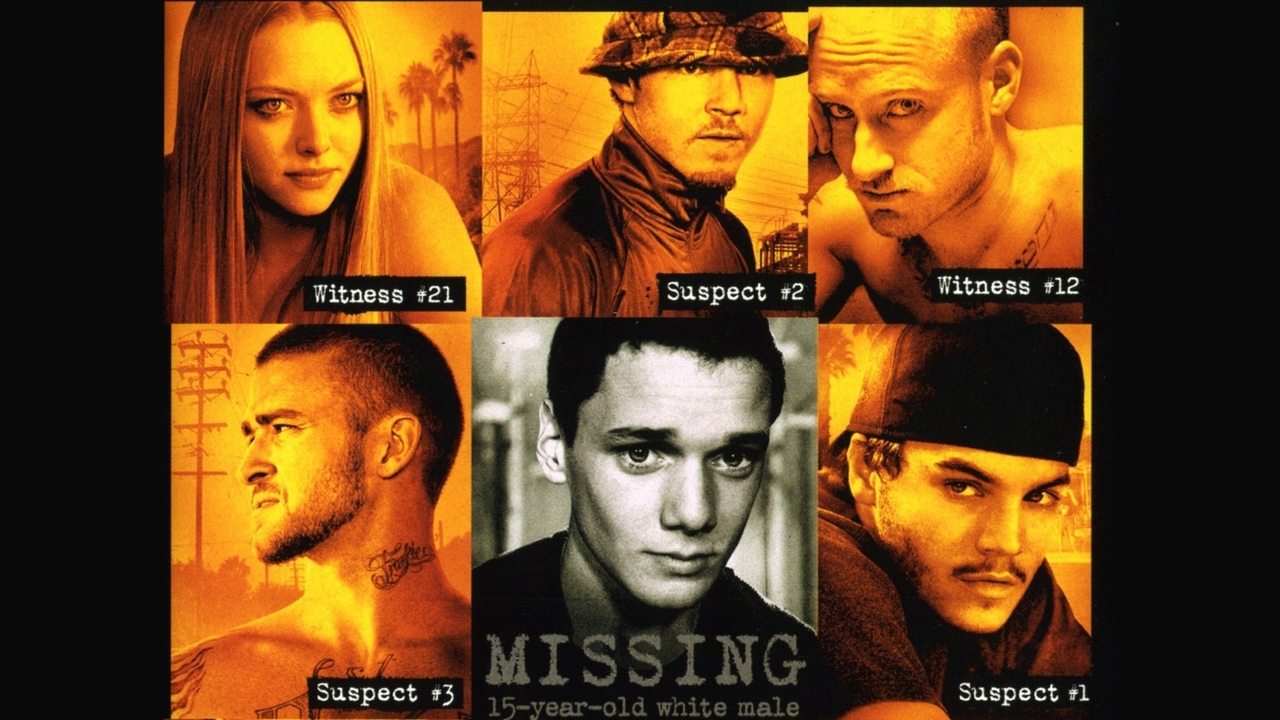
Directed by Nick Cassavetes (who, in a wild bit of career whiplash, had just finished The Notebook), the film doesn't look like a gritty crime drama. It’s sun-drenched and neon-soaked, looking more like a high-budget music video from the TRL era. Emile Hirsch plays Johnny Truelove, a low-level drug dealer who thinks he’s a Godfather. Hirsch plays a drug kingpin like a kid who just found his dad’s stash and a Scarface poster, and that’s exactly the point. He isn't a mastermind; he’s a pampered brat with a hot temper and a posse of hangers-on.
The plot kicks off when a debt dispute with a volatile Neo-Nazi named Jake Mazursky (Ben Foster) goes south. In a moment of sheer, unthinking stupidity, Johnny and his crew snatch Jake’s fifteen-year-old brother, Zack (Anton Yelchin), off the street. What follows isn't a basement-interrogation thriller. Instead, it’s a surreal road trip where the kidnappers take the kid to parties, let him drink beer, and treat him like a mascot. The tragedy of the film is that Zack—played with heartbreaking innocence by the late Anton Yelchin—actually thinks he’s having the time of his life. He thinks he’s finally one of the cool guys.
Timberlake’s Surprise and Foster’s Fury

If you lived through the mid-2000s, you remember the skepticism when Justin Timberlake was cast. At the time, he was still the "Cry Me a River" guy trying to prove he belonged on a film set. Looking back, he’s the best thing in the movie. As Frankie, the "kidnapper" with a conscience, he brings a relaxed, charismatic energy that makes the eventual turn into darkness feel even more sickening. He’s the guy you’d want to grab a beer with, which makes his complicity in the crime much harder to swallow.
On the flip side, you have Ben Foster, who seemingly decided to prepare for the role by vibrating at a frequency high enough to shatter glass. Foster is so intense he makes the other actors look like they’re appearing in a different, much calmer movie. Every time he’s on screen, the air leaves the room. Then there’s Bruce Willis, playing Johnny’s father, who shows up just long enough to remind us that the apple doesn't rot far from the tree.
The film serves as a fascinating time capsule of the DVD transition era. It uses digital timestamps and faux-interview footage to ground the story, a technique that was cutting-edge for a 2006 crime flick but now feels like a precursor to the true-crime documentary boom of the 2010s. It’s a "Modern Cinema" relic that bridges the gap between the flashy MTV editing of the 90s and the grounded realism that would follow.
A Verdict Written in the Sand
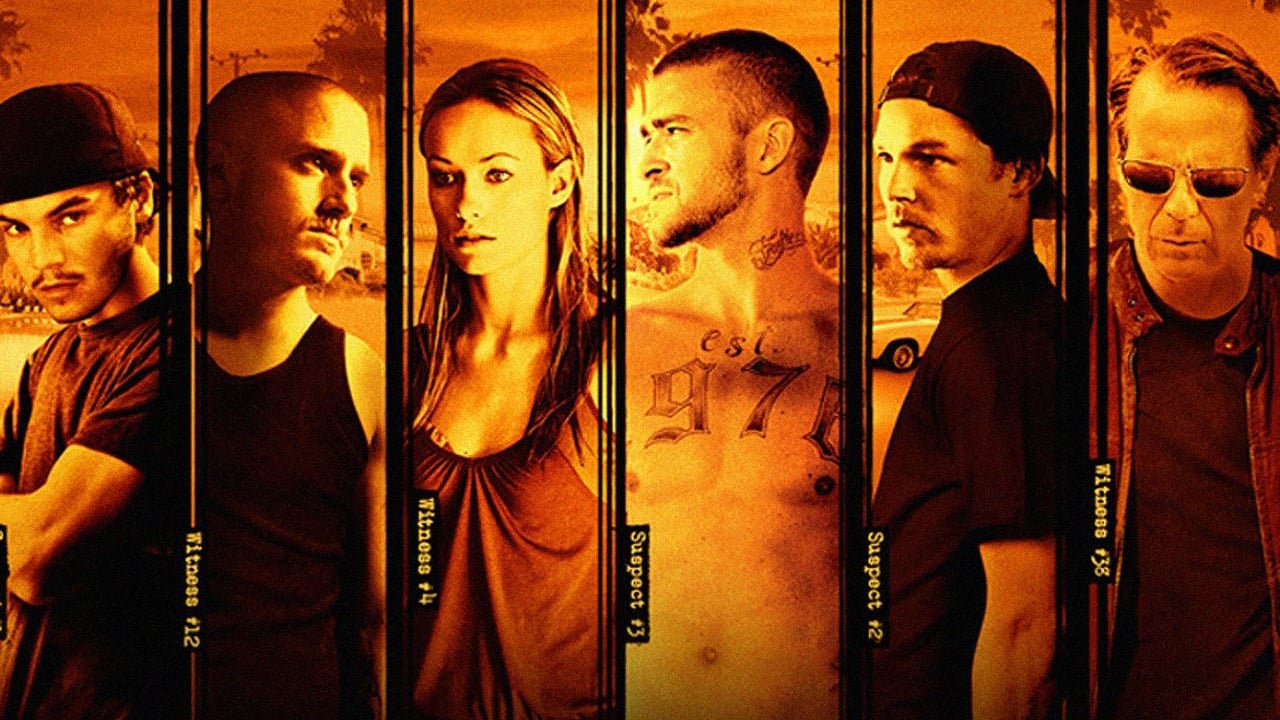
Why did this film fade into the "forgotten" pile? Part of it was legal. The real Jesse James Hollywood was actually a fugitive during production, and his defense attorney tried to block the film's release, claiming it would taint the jury pool. By the time the legal dust settled and the movie hit theaters, the buzz had cooled. It’s a shame, because Alpha Dog captures something that most crime movies miss: the sheer, pathetic clumsiness of evil.
As the "38 witnesses" mentioned in the tagline watch the crime unfold without calling the cops, you find yourself shouting at the screen. Why didn't anyone stop it? The answer is as relevant now as it was then—the fear of being an outcast is often stronger than the urge to be a hero. It’s a bleak, sun-baked cautionary tale about what happens when "playing tough" stops being a game.
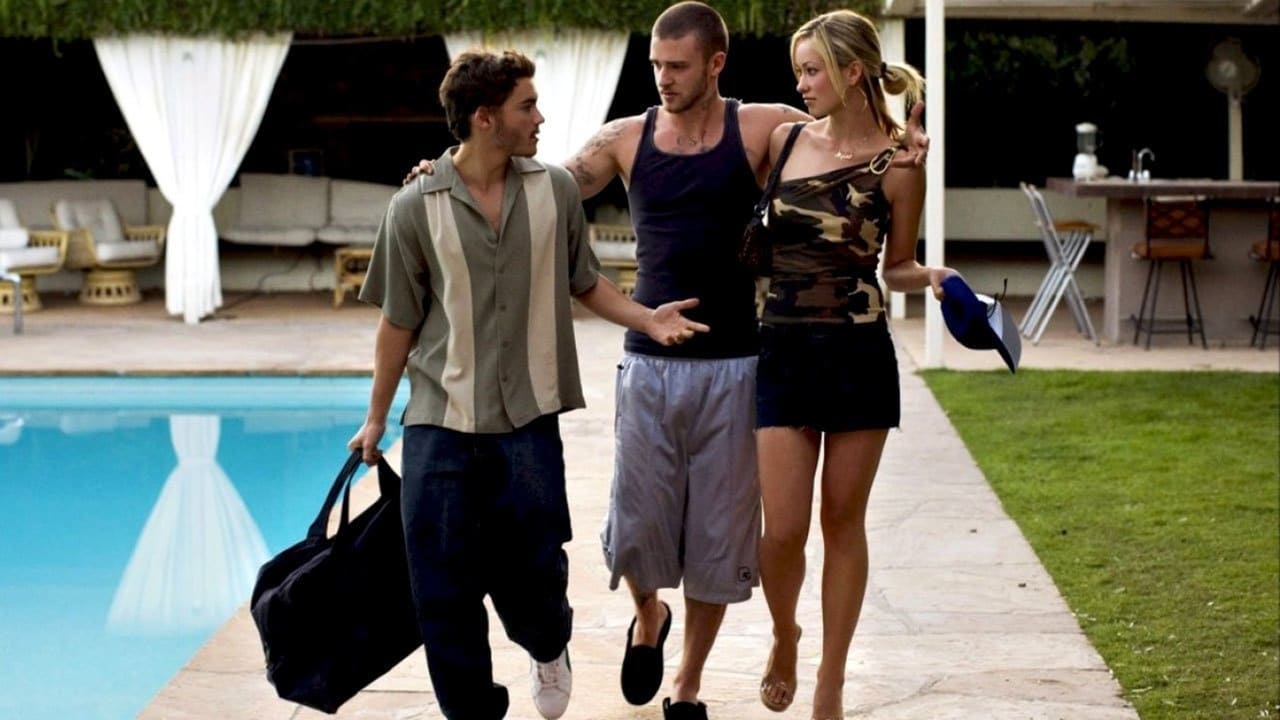
Alpha Dog isn't a perfect film—it occasionally indulges in its own music-video aesthetic a bit too much—but it’s an incredibly effective piece of suburban noir. It’s a movie that starts with a pool party and ends with a gut-punch that stays with you long after the credits roll. If you can find it on a streaming service or a dusty DVD shelf, it's well worth the two-hour trip back to the mid-2000s. Just don't expect to feel good when the sun goes down.
Keep Exploring...
-
John Q
2002
-
The Pledge
2001
-
Confessions of a Dangerous Mind
2002
-
Undisputed II: Last Man Standing
2006
-
United 93
2006
-
Before the Devil Knows You're Dead
2007
-
In the Valley of Elah
2007
-
Michael Clayton
2007
-
We Own the Night
2007
-

Lakeview Terrace
2008
-
Street Kings
2008
-
Untraceable
2008
-
The Last House on the Left
2009
-
Brooklyn's Finest
2010
-
Takers
2010
-

The American
2010
-

Trust
2010
-

Sexy Beast
2001
-

Frailty
2002
-

Murder by Numbers
2002