Apocalypto
"Fear is a sickness. Survival is the only cure."
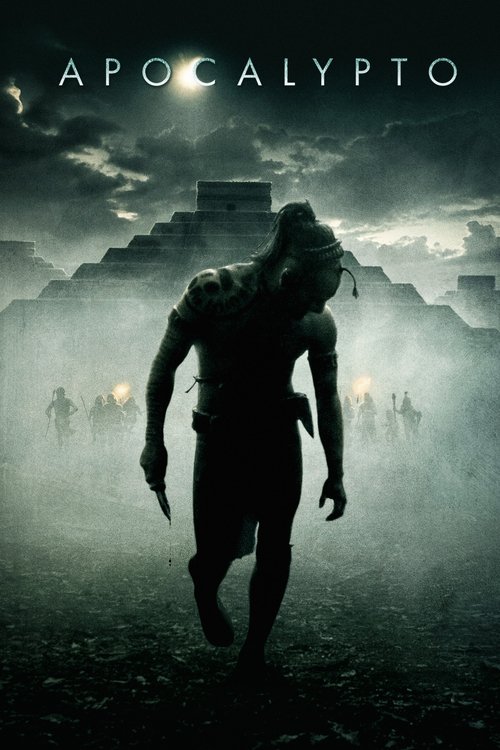
I remember popping the DVD of Apocalypto into my player back in 2007, sitting in a basement apartment where the radiator hummed like a dying cicada. At the time, Mel Gibson was already becoming a pariah in the headlines, and the idea of a two-hour-plus action epic performed entirely in Yucatec Maya seemed like a vanity project destined for the bargain bin. I was wrong. Within ten minutes, I had forgotten I was reading subtitles, and by the one-hour mark, I was so tense I’d accidentally shredded the cardboard sleeve of the DVD case.
The Digital Jungle and Practical Brutality
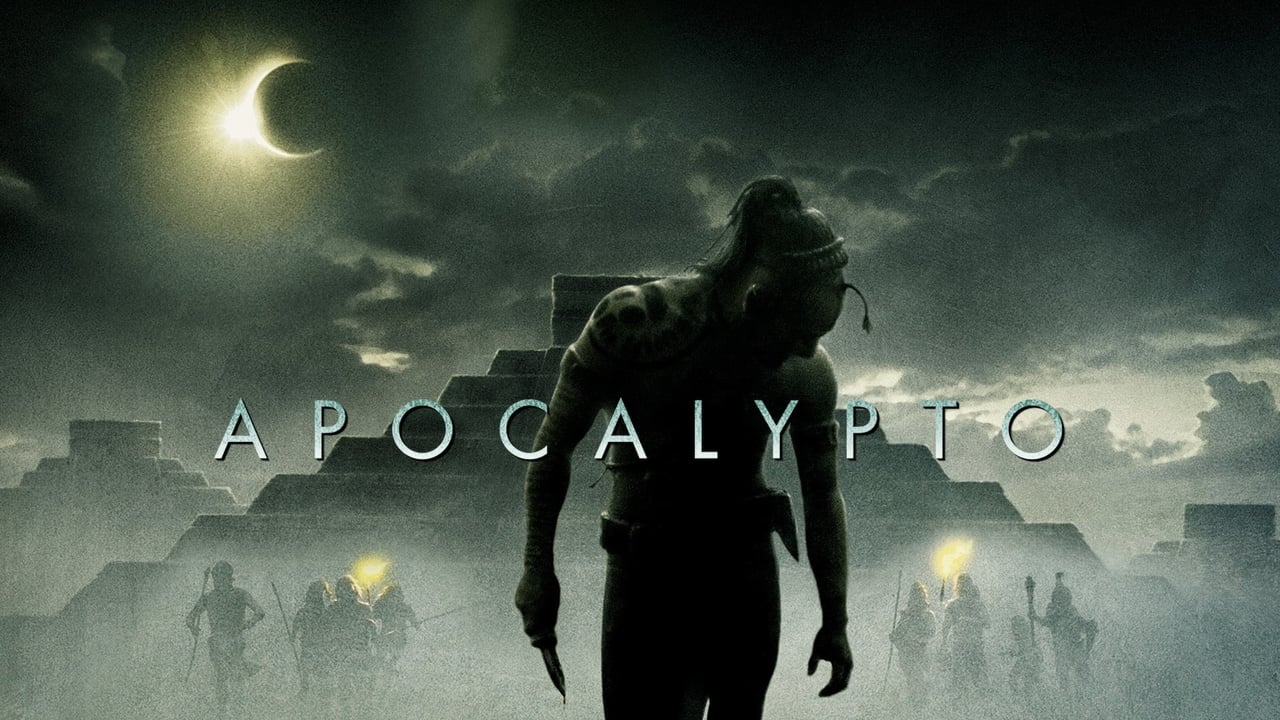
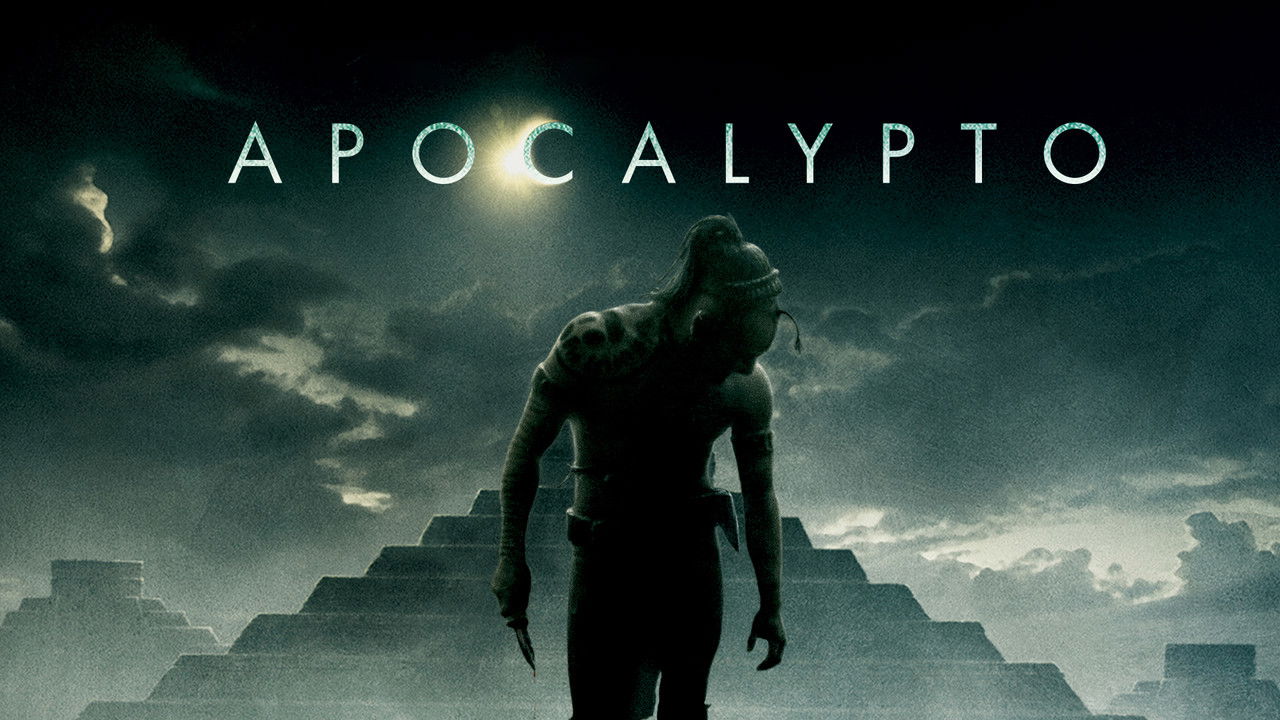
Looking back, Apocalypto arrived at a fascinating crossroads for cinema. We were right in the thick of the "Modern Cinema" transition (1990-2014) where digital was starting to bully its way past 35mm film. Gibson and cinematographer Dean Semler (who lensed the original Mad Max sequels) shot this on the Panavision Genesis digital camera. In 2006, that was a massive gamble. Digital often looked flat or "cheap" back then, but here, it gives the Yucatean jungle a hyper-lucid, almost hallucinogenic clarity. It doesn't feel like a "period piece"; it feels like you’ve been dropped into 1511 with a GoPro and a death wish.
What really anchors the film, though, is the refusal to lean on the burgeoning CGI trends of the mid-2000s. While other blockbusters were drowning in rubbery digital orcs, Gibson leaned into high-tier practical effects and makeup. Apparently, the makeup department involved over 300 artists who spent hours every day applying silicone prosthetics and intricate tattoos to the cast. When you see Rudy Youngblood (as Jaguar Paw) sprinting through the undergrowth, you aren’t looking at a green screen. You’re looking at an athlete navigating real mud, real thorns, and real heat. That physical reality is what makes the action feel so immediate—when someone gets hit with a macuahuitl (that terrifying obsidian-toothed club), you don't just see it; you feel the weight of it.
A Post-9/11 Allegory in War Paint?
It’s hard to watch this film without considering the era it was born into. Released five years after 9/11, Apocalypto feels deeply plugged into the anxieties of the time—specifically the fear of a sudden, violent collapse of the status quo. The opening quote by Will Durant about civilizations destroying themselves from within sets a cerebral trap: is this about the Mayans, or is Mel Gibson pointing a finger at us?
The villains, led by the towering Raoul Max Trujillo as Zero Wolf and the hauntingly sadistic Gerardo Taracena as Middle Eye, aren't just "bad guys." They represent a culture that has become so decoupled from nature and so obsessed with performative cruelty that it has lost its soul. Gerardo Taracena is particularly effective; he plays the role with such a sneering, petty malice that he is basically the patron saint of all playground bullies who grew up to be war criminals.
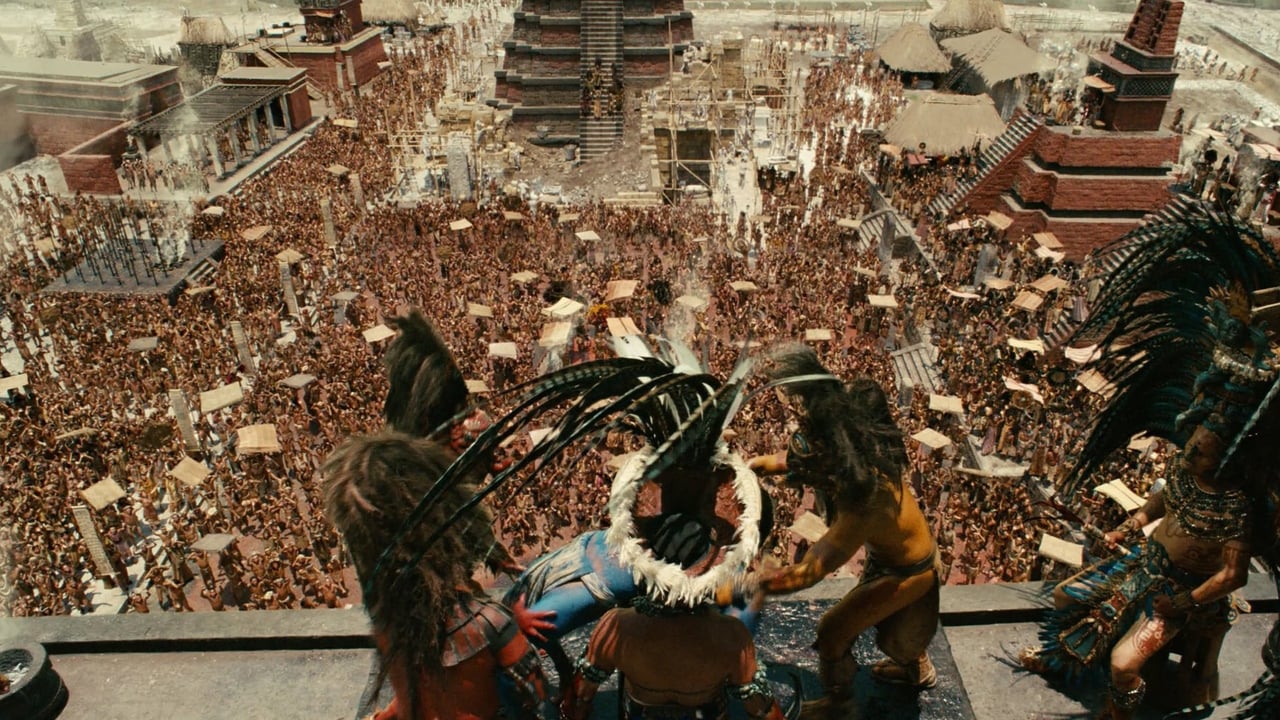
The middle act, featuring the arrival at the Mayan city, is a triumph of production design. It’s a sprawling, dusty, blood-soaked nightmare that captures the decadence of a dying empire. The way the "civilized" Mayans look down on the "forest people" is a sharp bit of social commentary that feels uncomfortably modern. I found myself thinking about the divide between urban centers and rural life today, proving that even a "chase movie" can have a lot on its mind if the director is hungry enough.
The Sound of the End Times
We have to talk about James Horner. Before his tragic passing, Horner was the king of the sweeping orchestral swell (Braveheart, Titanic), but for Apocalypto, he went somewhere much stranger and more intimate. He avoided a traditional orchestra, opting instead for a haunting array of woodwinds, bird calls, and vocal textures provided by Pakistani singer Rahat Fateh Ali Khan.
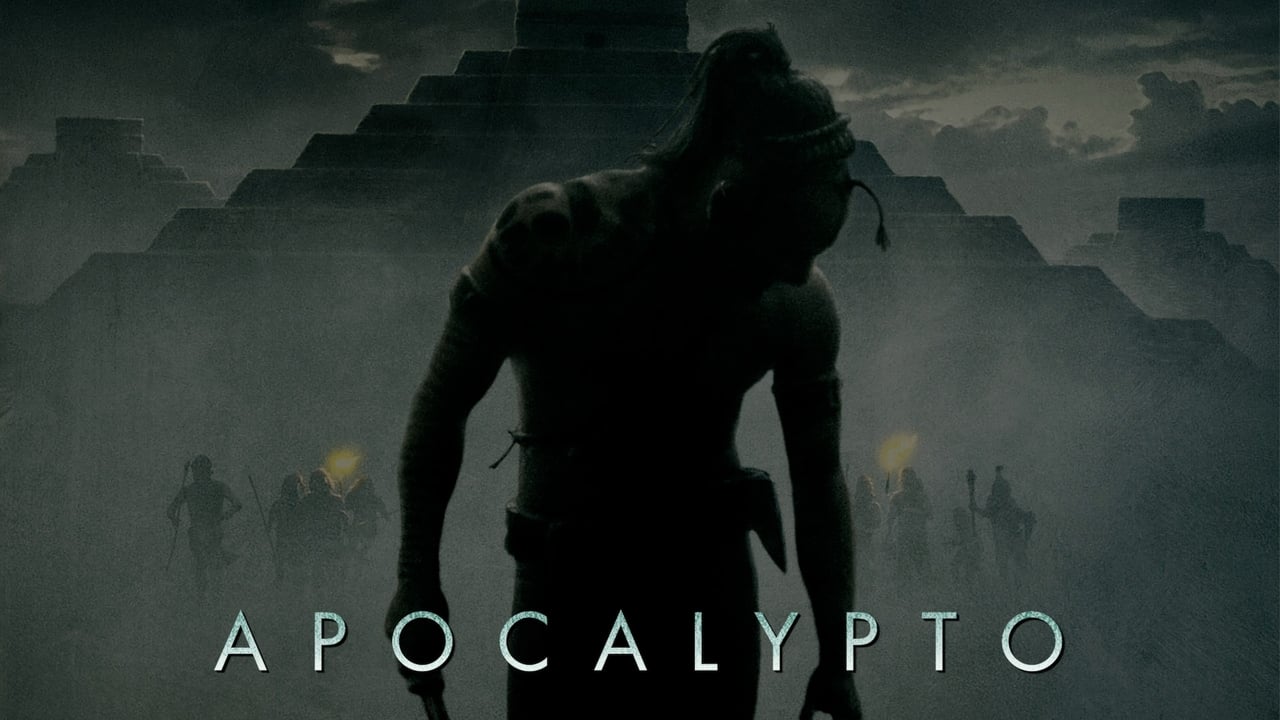
The score doesn’t just accompany the action; it stalks it. During the final forty-minute chase—which is arguably one of the greatest sustained sequences of action choreography in the last thirty years—the music creates a percussive heart rate that mimics Jaguar Paw’s own desperation. The sound design is equally impressive. The snap of a branch or the low growl of a jaguar (real animals were used for many of these shots, by the way) carries as much weight as any line of dialogue.
There’s a specific "subjective irrelevance" I recall from my first viewing: I was eating a bowl of grapes, and during the scene where the little girl delivers the prophecy of the "man who brings the jaguar," I became so transfixed that I sat there holding a single grape for ten minutes without moving. The film has that kind of gravitational pull. It’s a relentless, lean, and intellectually provocative piece of filmmaking that proves you don't need a massive franchise or a recognizable star to create a cultural earthquake.
Apocalypto is a rare breed of blockbuster: a high-budget, subtitled, ultra-violent chase movie that functions as both a historical fever dream and a philosophical warning. While Mel Gibson remains a complicated figure in Hollywood history, his craft here is undeniable. He took a $40 million budget and turned it into a $120 million global hit by trusting that audiences would connect with a story about a father just trying to get home. It’s raw, it’s beautiful, and it features a final three minutes that completely recontextualizes everything you just watched. If you’ve skipped it because of the subtitles or the director’s reputation, you’re missing out on one of the most singular cinematic experiences of the 2000s.
Keep Exploring...
-
The Passion of the Christ
2004
-

Hero
2002
-

Braveheart
1995
-
Ip Man
2008
-
The King's Speech
2010
-
Red Cliff
2008
-
The Count of Monte Cristo
2002
-
United 93
2006
-
Defiance
2008
-
Coach Carter
2005
-

Warrior
2011
-
Kingdom of Heaven
2005
-
Munich
2005
-
Ip Man 2
2010
-

Cinderella Man
2005
-

Memoirs of a Geisha
2005
-

Evangelion: 1.0 You Are (Not) Alone
2007
-
The Diving Bell and the Butterfly
2007
-

Evangelion: 2.0 You Can (Not) Advance
2009
-
Brokeback Mountain
2005