Arthur and the Invisibles
"Big adventure is hiding in the grass."
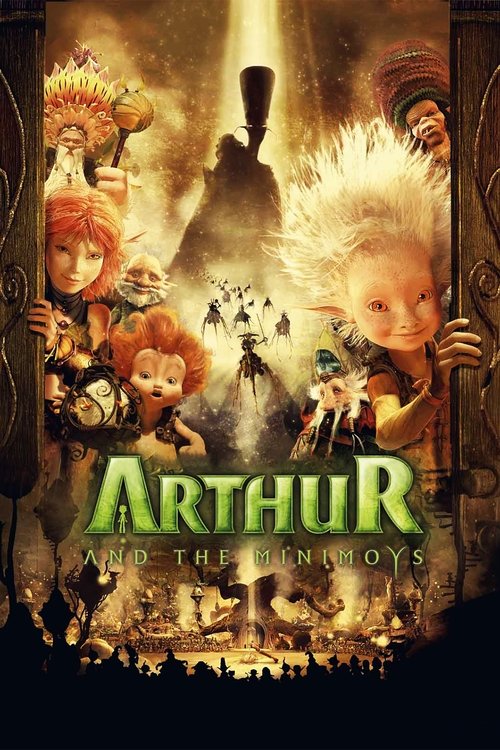
If you told me in the late nineties that Luc Besson, the man who gave us the gritty hitman chic of Léon: The Professional and the neon-soaked fever dream of The Fifth Element, would spend the mid-2000s obsessing over tooth-sized garden elves, I’d have assumed you’d spent too much time in a sensory deprivation tank. Yet, here we are. Arthur and the Invisibles (or Arthur and the Minimoys if you’re feeling European) is one of those fascinating mid-2000s artifacts that feels like it was beamed in from a parallel dimension where French blockbuster sensibilities and American suburban nostalgia collided at high speed.
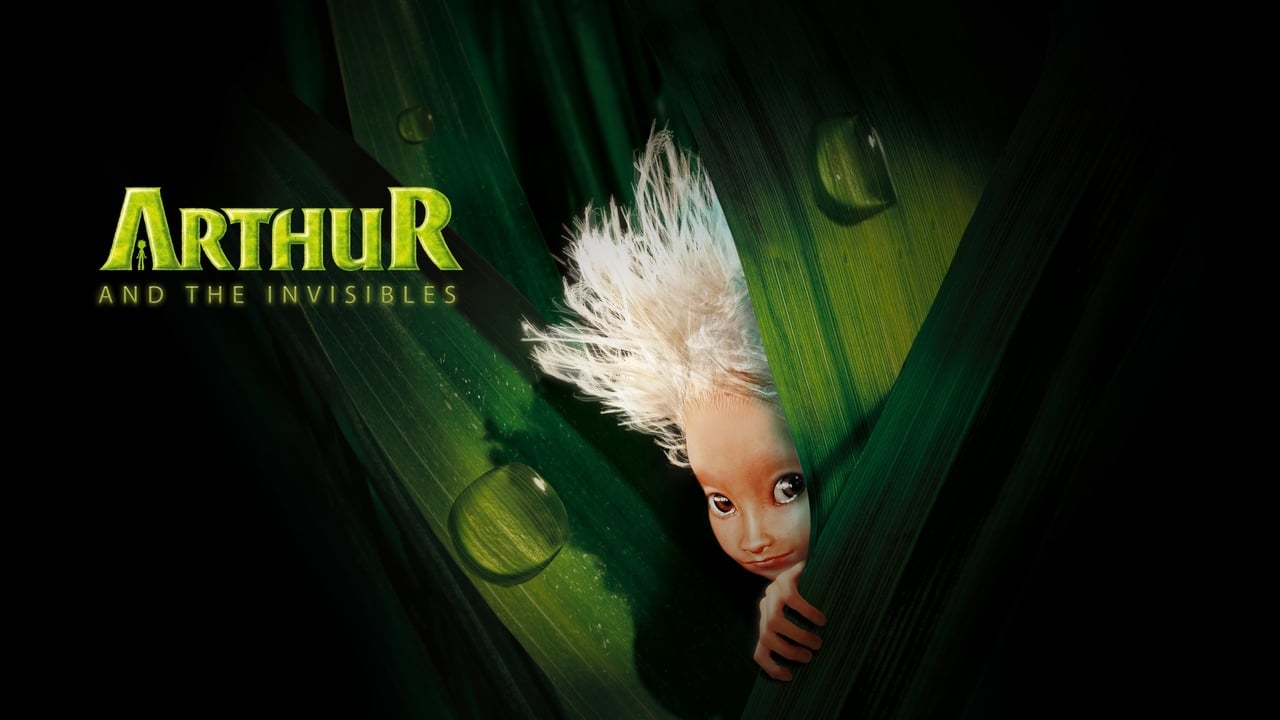
I recently revisited this one on a rainy Tuesday while trying to peel a very stubborn price sticker off a used copy of a different movie, and I ended up distracted by just how weird this film’s DNA truly is. It’s a hybrid—half live-action 1960s Americana, half 3D-animated psychedelic quest—and while it doesn't always land on its feet, it has a frantic, imaginative energy that modern, corporate-sanitized family films often lack.
The Backyard Odyssey
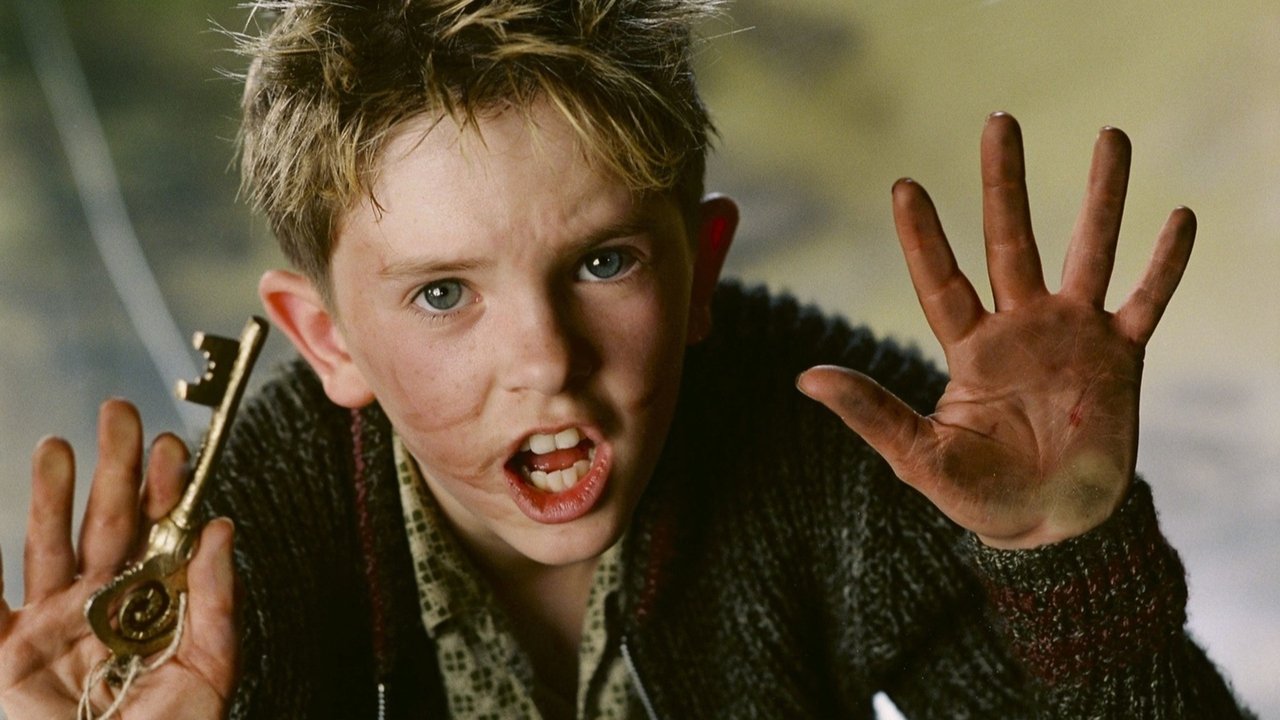
The setup is pure Amblin-lite. Freddie Highmore, well before he was a "Good Doctor" or a young Norman Bates, plays Arthur, a ten-year-old living with his grandmother (Mia Farrow) in a house that’s about to be repossessed by a mustache-twirling developer. It’s a classic "save the farm" trope, but it’s anchored by the mystery of Arthur’s missing grandfather and a hidden stash of rubies. To find them, Arthur has to shrink down and enter the world of the Minimoys, tiny creatures living in his own backyard.
The live-action segments have this golden-hued, idealized version of the American countryside that feels distinctly European. It’s how a French director imagines a Norman Rockwell painting. Mia Farrow brings a lovely, fragile warmth to the screen, but the movie really kicks into gear when Arthur makes the jump into the digital realm. The transition was a massive deal at the time; in 2006, the $86 million budget made this the most expensive French production ever. Luc Besson wasn't just making a movie; he was trying to build a European Pixar from the ground up.
A Voice Cast from a Fever Dream
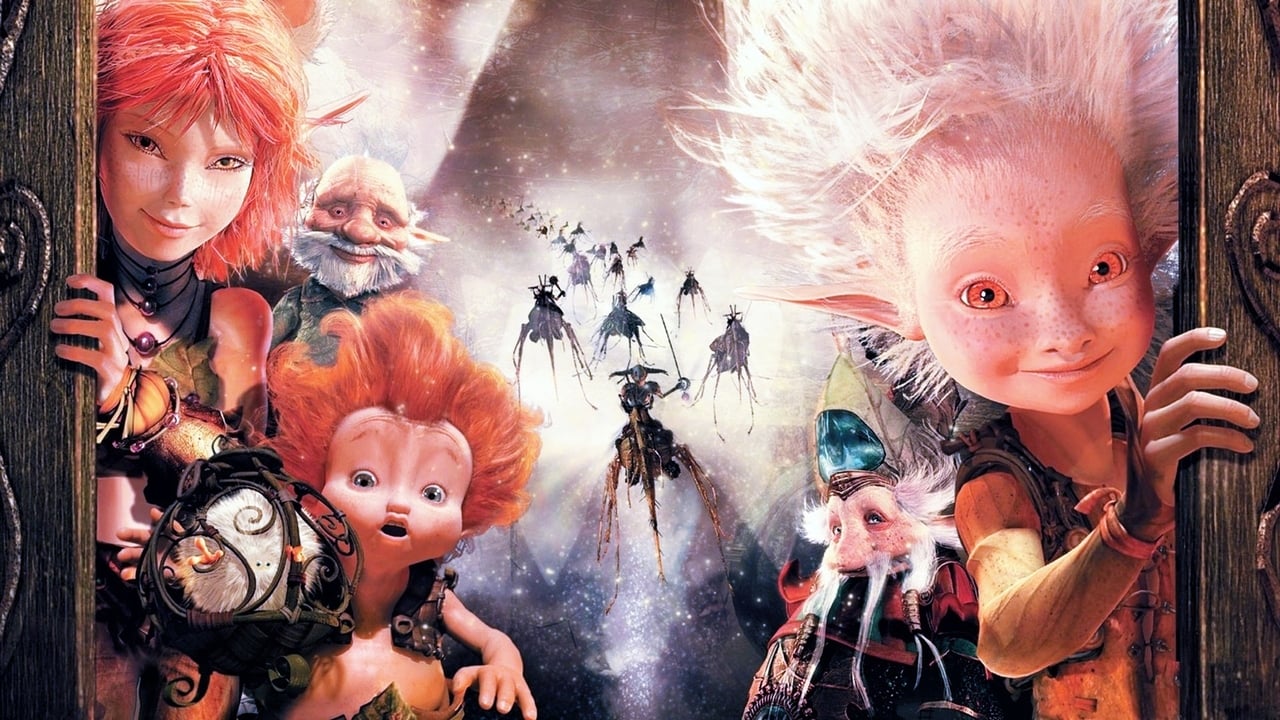
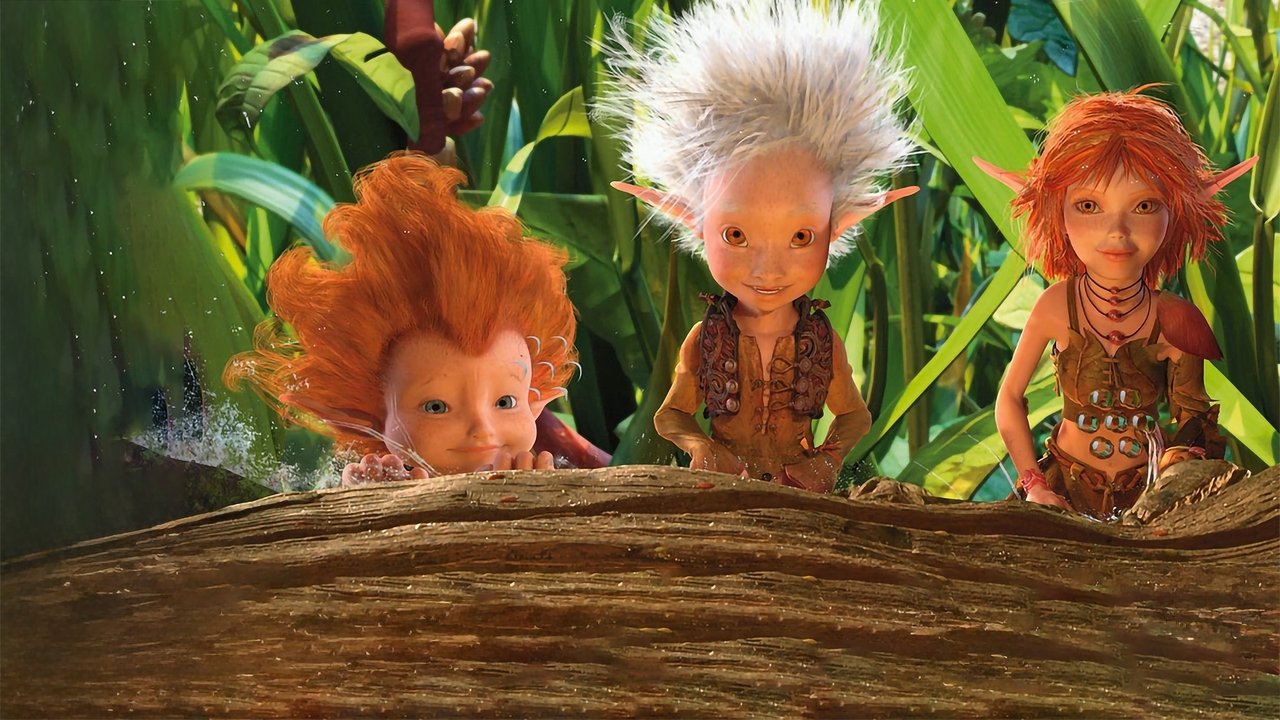
Once we’re in the animated world, the film becomes a visual kaleidoscopic trip. The Minimoys themselves have a design that I can only describe as trolls that spent too much time at a rave, with their wild hair and tribal-punk aesthetic. But the real draw—and the part that feels most like a "you had to be there" moment of 2006—is the voice cast.
In the English dub, you have Madonna playing Princess Selenia and Snoop Dogg as a character named Max who runs a subterranean bar. To top it off, the legendary David Bowie provides the voice for the villain, Maltazard. It’s the kind of casting list that makes you double-check the credits. Bowie is actually great here, bringing a hushed, menacing elegance to a character that could have been a generic baddie. Seeing these icons of the 80s and 90s pivot into a kid’s adventure film is a perfect snapshot of that era’s "franchise-at-all-costs" mentality.
The animation itself is a bit of a time capsule. It’s early-to-mid-range CGI that holds up surprisingly well in terms of art direction, even if the textures look a bit "plastic-y" by today’s standards. The action sequences have that signature Luc Besson flow—fast, slightly chaotic, and physically inventive. There’s a sequence involving a travel pod made of a hollowed-out fruit that feels genuinely exhilarating, even if the physics are purely "cartoon logic."
The "Besson" Touch
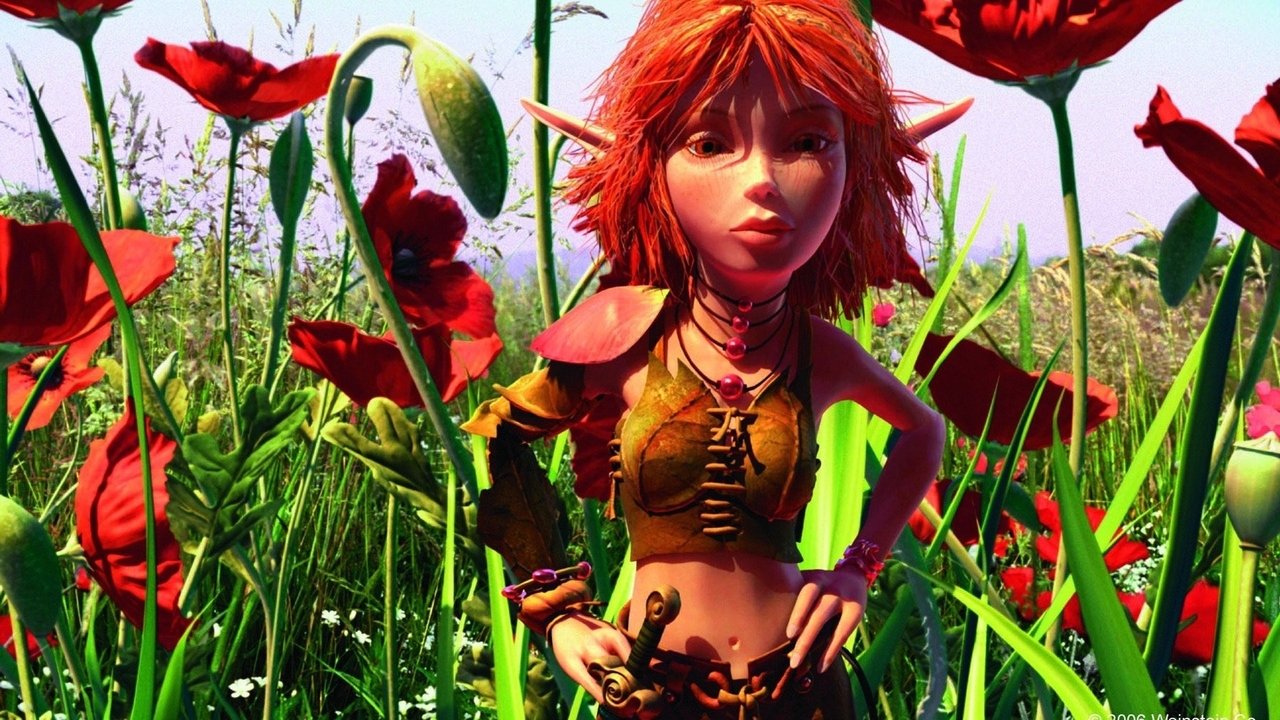
What makes Arthur stand out from its peers like The Ant Bully or Flushed Away is its refusal to be purely "safe." There’s a strange, underlying edge to the world-building. The Minimoy city has a nightlife, there’s a bit of romantic tension between Arthur and Selenia that feels slightly awkward given he’s a ten-year-old boy in an elf’s body, and the stakes feel oddly high.
It’s an adventure film that feels "earned" because the world feels tactile. Besson’s team at EuropaCorp clearly poured their souls into the macro-photography and the way the tiny world interacts with the big one. It captures that childhood feeling of looking at a patch of weeds and imagining a sprawling civilization hidden beneath the clover. It’s a film that was clearly meant to be the start of a massive global franchise (and it did spawn two sequels), but in the U.S., it remains this cult oddity that people remember mostly for the Snoop Dogg cameo or the weirdly beautiful posters.
Looking back, Arthur and the Invisibles represents a moment when European cinema tried to beat Hollywood at its own game. It’s messy, the pacing is occasionally breathless, and the dialogue can be clunky, but there’s a genuine sense of wonder baked into its pixels. It’s not a masterpiece, but it’s a heck of a lot more interesting than the assembly-line animation we often get today.
If you’re in the mood for a retrospective watch, Arthur and the Invisibles is worth it for the sheer audacity of its existence. It’s a bizarre cocktail of 1960s nostalgia and turn-of-the-millennium tech ambition. While the story follows a predictable map, the scenery along the way is unlike anything else from the era. It’s a flawed but charming reminder that sometimes, the best adventures really are just hiding in your own backyard—you just might need David Bowie and a few rubies to find them.
Keep Exploring...
-

Arthur and the Revenge of Maltazard
2009
-
Arthur 3: The War of the Two Worlds
2010
-

Sinbad: Legend of the Seven Seas
2003
-

The Polar Express
2004
-
Legend of the Guardians: The Owls of Ga'Hoole
2010
-
The Spiderwick Chronicles
2008
-

The Cat Returns
2002
-
The Extraordinary Adventures of Adèle Blanc-Sec
2010
-
The Road to El Dorado
2000
-
Brave
2012
-
Rise of the Guardians
2012
-
Epic
2013
-

Flushed Away
2006
-

The Ant Bully
2006
-
Shrek the Halls
2007
-
Shrek the Third
2007
-
Stardust
2007
-
Horton Hears a Who!
2008
-
Shrek Forever After
2010
-
A Monster in Paris
2011