Babel
"Four lives, three continents, and one loud, accidental shot."
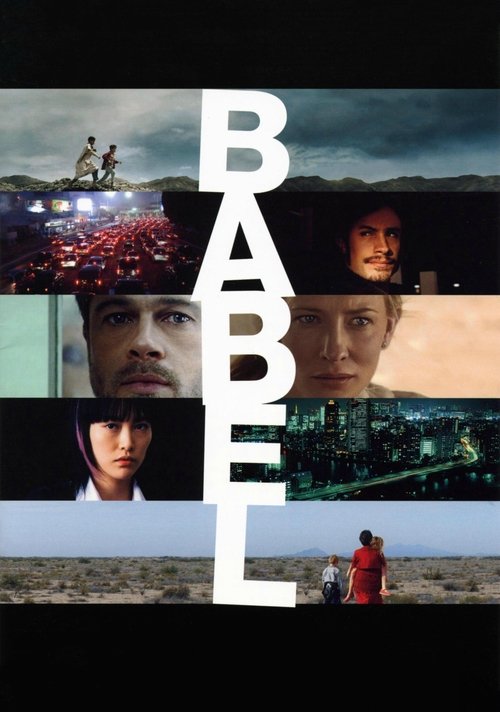
Before the Marvel Cinematic Universe decided every movie needed to be a puzzle piece for a larger corporate roadmap, there was a brief, feverish window in the mid-2000s where "hyperlink cinema" was the king of the prestige world. We were obsessed with the idea that a butterfly flapping its wings in Tokyo could cause a massive pile-up on the 405. Alejandro González Iñárritu’s Babel is the absolute peak of this "six degrees of separation" subgenre. Looking back at it today, it feels like a time capsule of a specific global anxiety—that post-9/11 dread where a simple accident can be mistaken for an act of war in the time it takes to send a grainy text message.
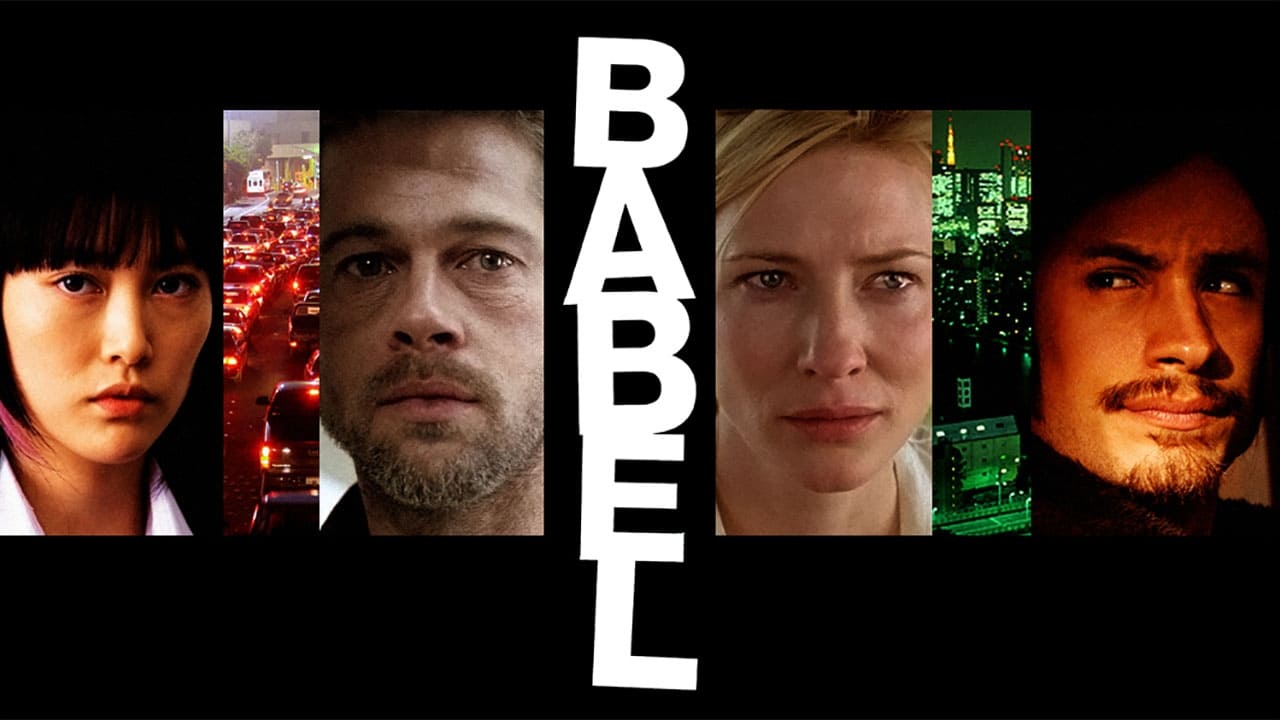
I watched this again recently while sitting in a chair that has one leg slightly shorter than the others, meaning I had to balance my weight perfectly for two and a half hours just to keep from wobbling. Oddly, that physical instability matched the vibe of the movie perfectly. Babel isn't interested in making you feel comfortable; it wants you to feel the friction of a world that’s shrinking faster than we can learn to talk to each other.
The Face of Global Exhaustion
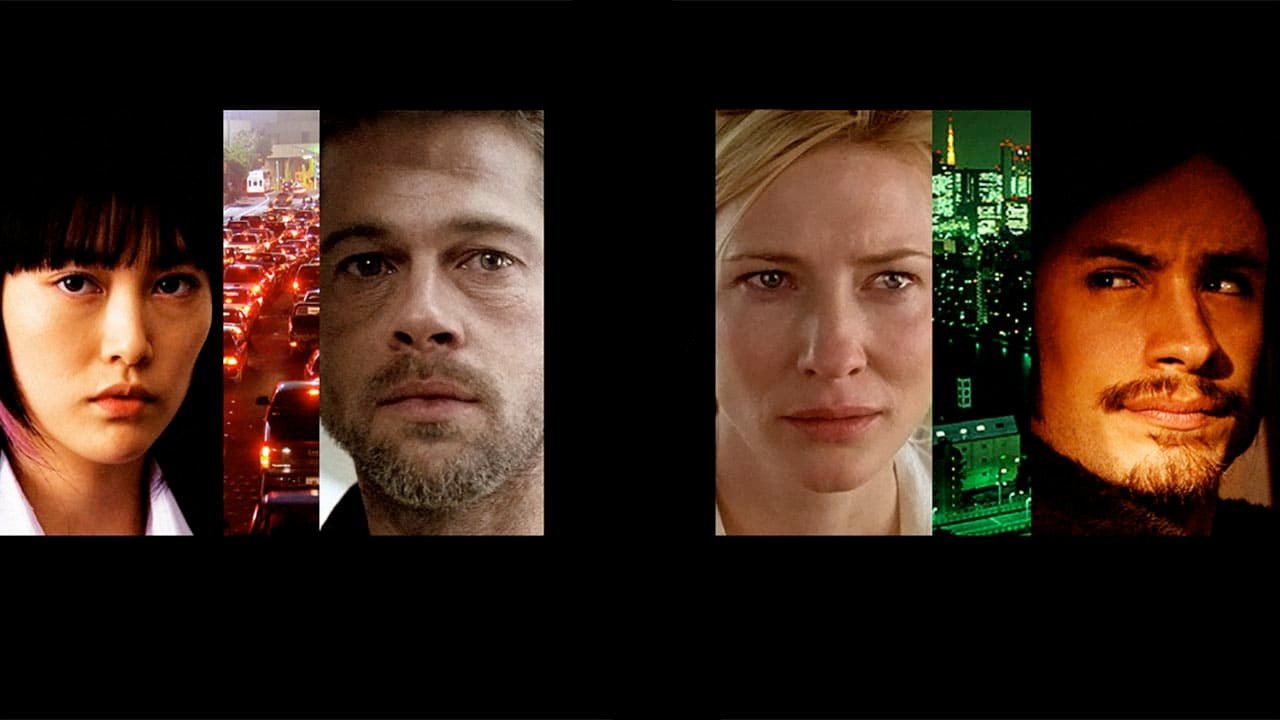
The big draw in 2006 was seeing Brad Pitt stripped of his "Sexiest Man Alive" polish. He plays Richard, a husband trying to save his marriage to Susan (Cate Blanchett) during a vacation in Morocco. When Susan is struck by a stray bullet through a bus window, the film fractures. Brad Pitt gives one of his most underrated performances here because he’s forced to be utterly helpless. There’s no action-hero pivot. He’s just a guy in a dusty village, crying into a phone, realizing that his American passport doesn't mean a thing when there isn't an ambulance for miles.
The film jumps between this tragedy, the Moroccan boys who fired the shot, a Mexican nanny (Adriana Barraza) taking Richard’s kids across the border for a wedding, and a deaf-mute teenager in Tokyo (Rinko Kikuchi) dealing with a devastating sense of isolation. It sounds like a lot to juggle, but Iñárritu and screenwriter Guillermo Arriaga (who also collaborated on Amores Perros and 21 Grams) keep the tension so high you forget to check the runtime. Adriana Barraza is the soul of this movie; her sequence at the US-Mexico border is still some of the most heart-wrenching filmmaking of that decade. If you don't feel a lump in your throat when she's wandering the desert, you might actually be a robot.
Sound, Silence, and the 2000s Aesthetic
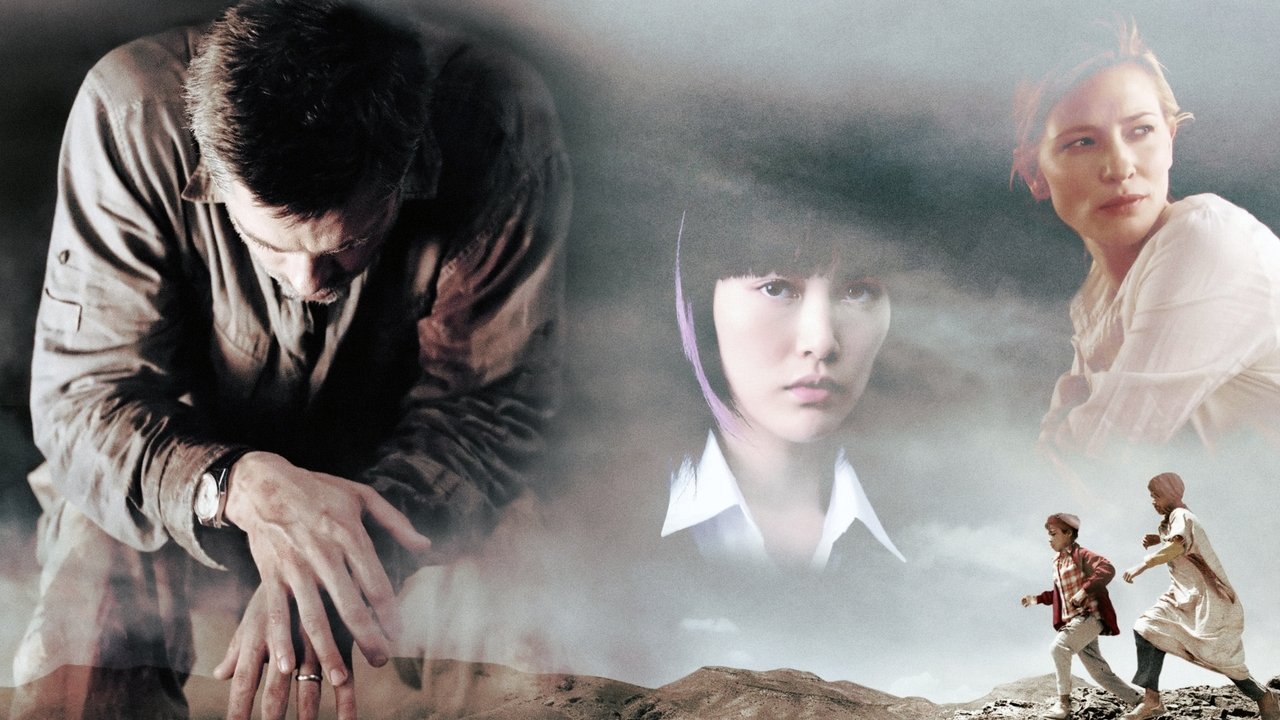
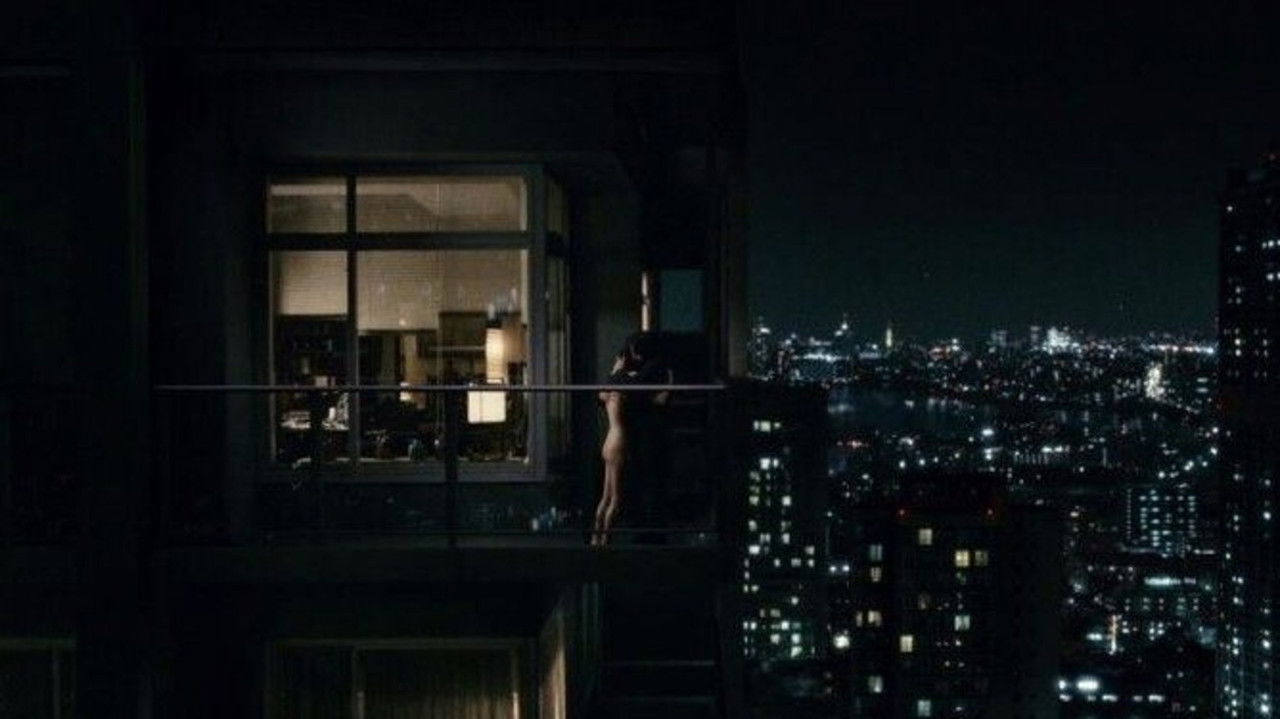
What really strikes me now is how much the technical craft elevates what could have been a preachy "we are all one" message. Rodrigo Prieto shot this on various film stocks to give each location a distinct texture—Morocco is grainy and scorched, while Tokyo is a neon-drenched, clinical dreamscape. It’s a masterclass in visual storytelling that doesn't rely on the "yellow filter for Mexico" cliché that was so prevalent in 2000s cinema.
Then there’s the score by Gustavo Santaolalla. He uses the oud and the guitar to create this sparse, haunting atmosphere that bridges the gap between the different cultures. But the most effective "sound" in the movie is the silence. The Tokyo segment, focusing on Rinko Kikuchi's Chieko, uses sound design to put us in her head. When she goes to a crowded nightclub, the music cuts out entirely, leaving us in a vacuum of strobe lights and muffled vibrations. It’s a jarring, brilliant choice that makes her teenage rebellion feel profoundly lonely.
A Blockbuster of a Different Kind
It’s wild to remember that Babel was a genuine box office hit. With a $25 million budget, it pulled in over $135 million worldwide. In today’s landscape, a multi-language drama about communication breakdowns would likely be buried on a streaming service with zero marketing. In 2006, it was a cultural event. People actually went to the theater to read subtitles and feel devastated.
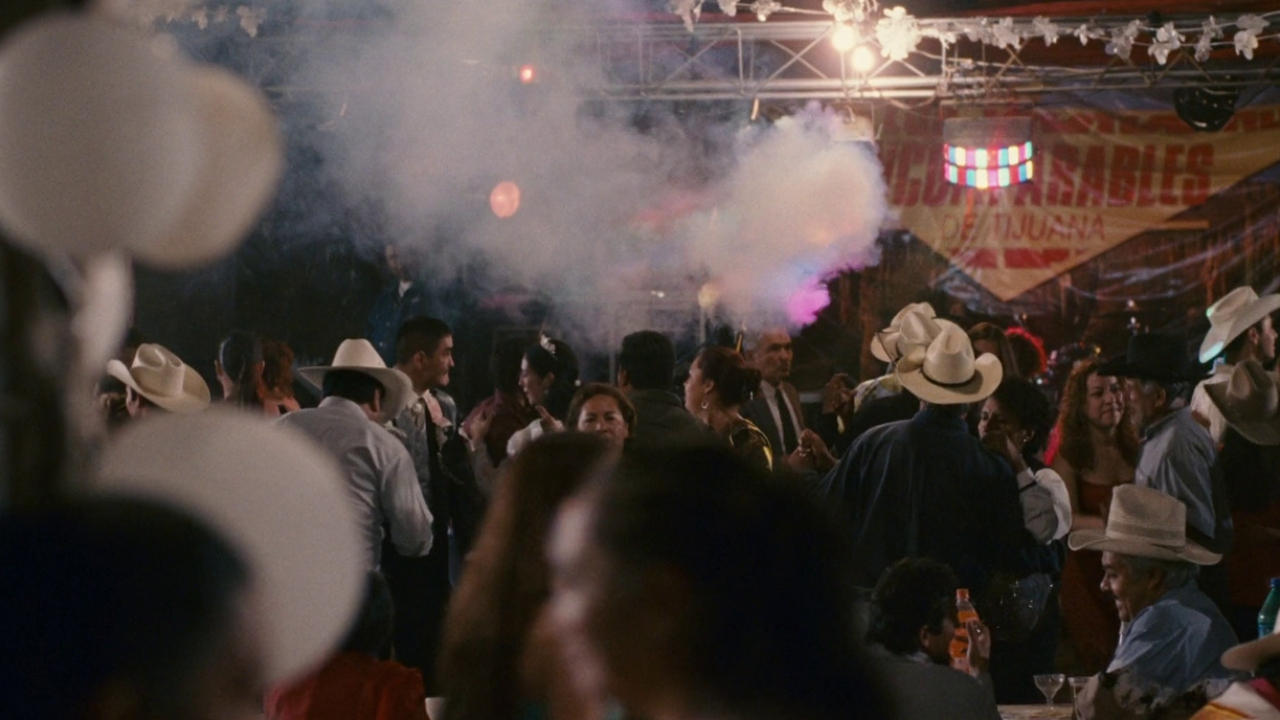
The production itself was a logistical nightmare that mirrored the film's themes. They used non-professional actors in the Moroccan segments (Said Tarchani was a standout), and the crew had to navigate three different continents. Apparently, Brad Pitt was so committed to the project that he turned down a lead role in Martin Scorsese's The Departed just to work with Iñárritu. That’s a massive "what if" for cinema history, but I think he made the right call. He needed to prove he could play a "real" person, and Richard Jones is as real—and as flawed—as they come. Turning down Scorsese to cry in a Moroccan dirt hut is a level of artistic flex I have to respect.
The movie hasn't aged perfectly—some of the coincidences feel a bit too "written" when you see them coming—but its core message hits harder in the era of social media. We have more ways to talk than ever, yet we’re still mostly just shouting into the void.
The film is a heavy lift, no doubt, but it’s the kind of heavy that leaves you thinking for days after the credits roll. It captures that mid-2000s transition where the world was becoming a global village, but nobody had bothered to build the roads or the bridges yet. It’s a sprawling, messy, and deeply human achievement that proves sometimes the loudest thing in the world is a silence you can't break. If you missed this one during its Oscar-run heyday, it’s time to catch up.
Keep Exploring...
-
21 Grams
2003
-
Birdman or (The Unexpected Virtue of Ignorance)
2014
-
Amores Perros
2000
-

Mr. & Mrs. Smith
2005
-
Biutiful
2010
-

Legends of the Fall
1994
-

The Curious Case of Benjamin Button
2008
-
The Assassination of Jesse James by the Coward Robert Ford
2007
-

The Tree of Life
2011
-

Fury
2014
-
Save the Last Dance
2001
-
8 Mile
2002
-
About a Boy
2002
-
About Schmidt
2002
-

Chicago
2002
-
Panic Room
2002
-
The Hours
2002
-

Cheaper by the Dozen
2003
-
Mystic River
2003
-

Closer
2004