Bambi II
"The 64-year-old itch finally scratched."
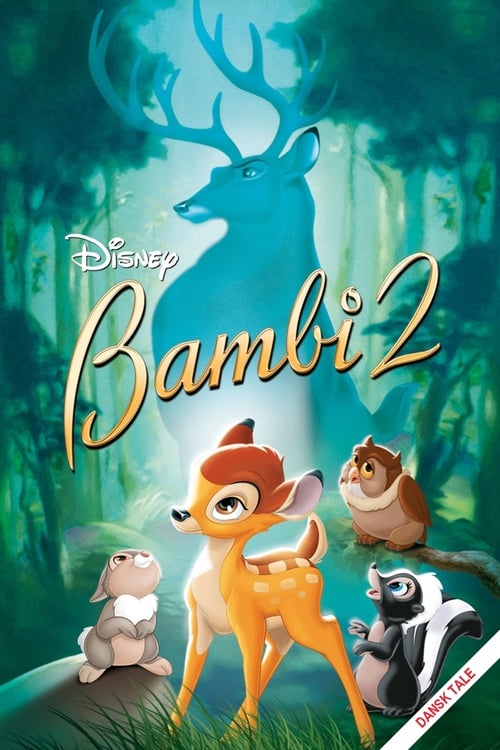
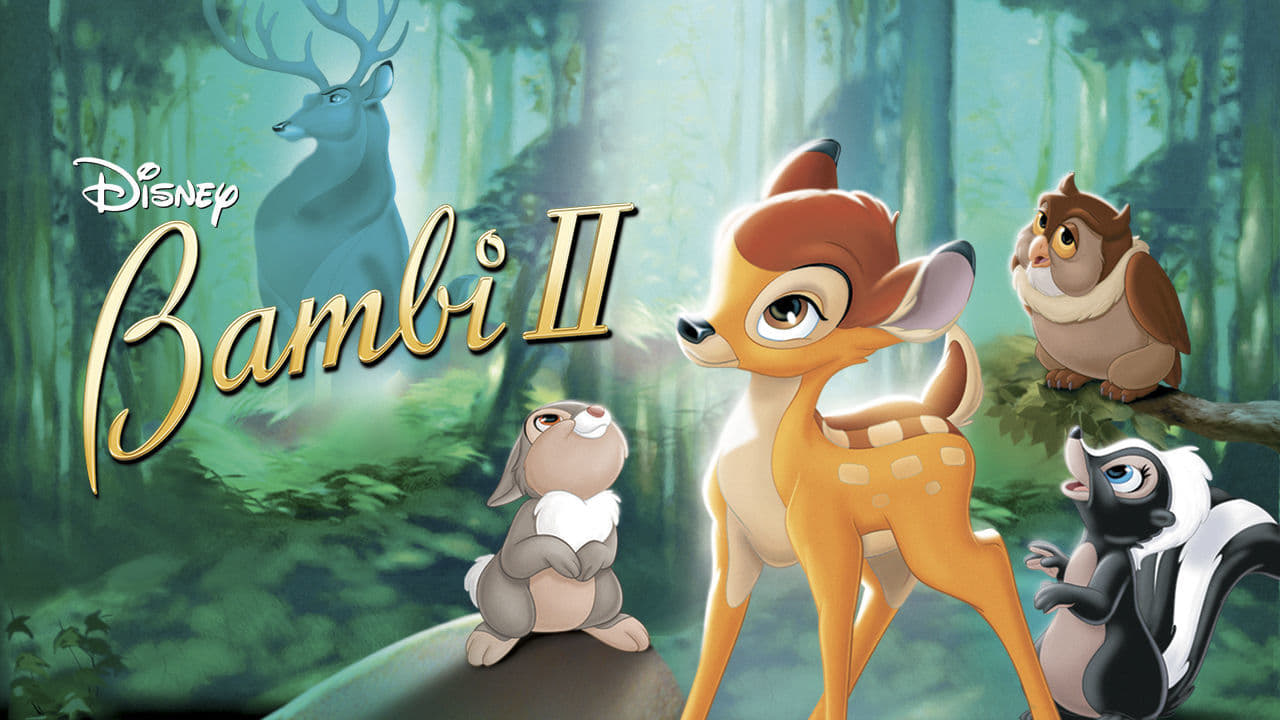
If you had told a theatergoer in 1942 that they’d have to wait until the year 2006 to see what happened in the middle of Bambi, they probably would have asked why you were wearing such weird shoes and what a "DVD" was. The very concept of Bambi II feels like a dare—a direct-to-video sequel to one of the most sacred pillars of the Golden Age of animation, arriving over six decades late to the party. It’s the kind of project that usually smells of a cynical studio cash-grab, the sort of "cheap-quel" that defined the DisneyToon Studios era where masterpieces were chopped up into bite-sized, low-budget snacks for toddlers.
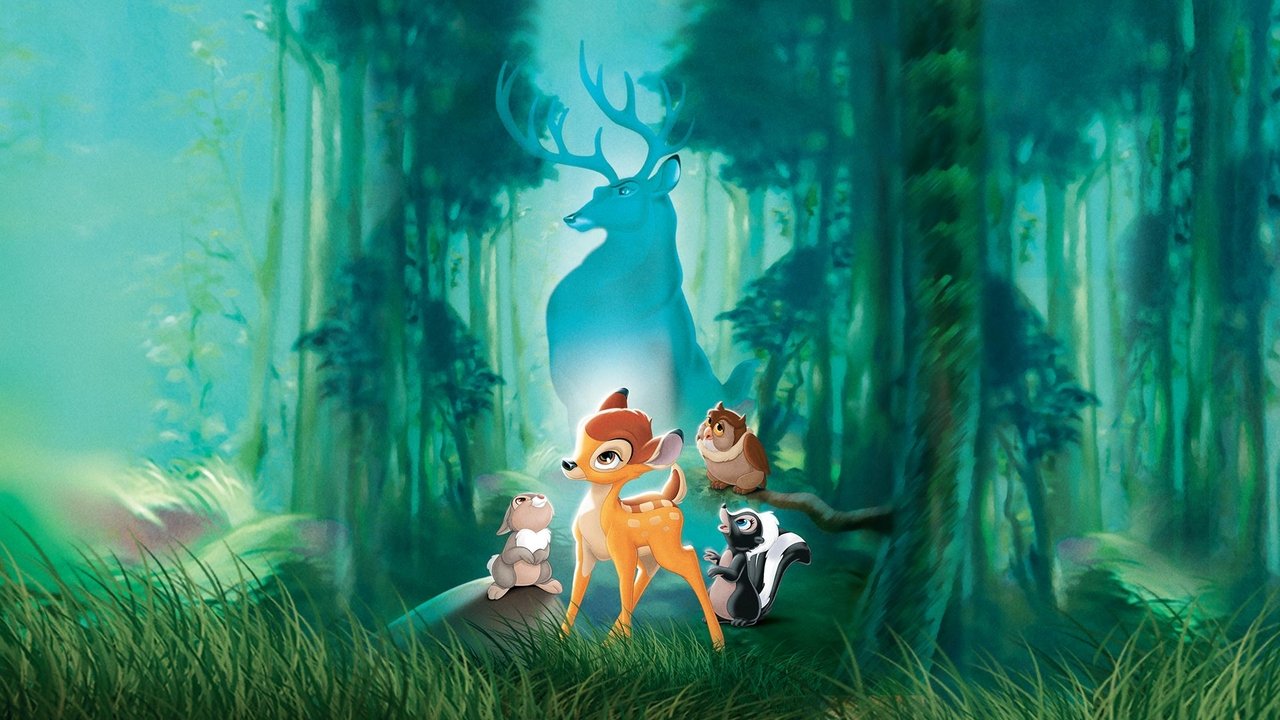
But here’s the thing that caught me off guard while I sat on my couch, nursing a lukewarm cup of ginger ale that had lost its fizz twenty minutes earlier: this movie is actually... kind of lovely? It’s not a masterpiece, and it’s certainly not the original, but it treats its predecessor with a level of reverence that most 2000s sequels completely lacked. Instead of a "what happens next," it’s a "midquel," sliding into the gap right after Bambi’s mother meets her legendary, tragic end and before Bambi grows his first set of antlers.
A Shakespearean Stag in the Forest
The smartest move director Brian Pimental (who worked on the story for Beauty and the Beast and Aladdin) made was casting Patrick Stewart as The Great Prince. Look, if you need a character to embody "emotionally distant father who is also a literal god of the forest," you call Jean-Luc Picard. Stewart doesn't phone this in; he brings a Shakespearean gravity to the role of a widower who has suddenly been handed a grieving fawn and has absolutely no idea what to do with him.
Opposite him is Alexander Gould, who was the voice of everyone's favorite lost clownfish in Finding Nemo (2003). Gould brings that same fragile, breathless curiosity to Bambi. The drama here isn't about escaping hunters (though they do show up for a tense finale); it’s about the crushing weight of expectation. Bambi wants to be "princely," and the Great Prince just wants his son to stop acting like a kid and start acting like a statue. It’s a surprisingly grounded look at father-son friction that feels more like a 1990s family drama than a 2000s animated romp. I honestly found the quiet moments of them walking through the morning mist more compelling than the obligatory scenes where Thumper (Brendon Baerg) tries to teach Bambi how to be "brave."
The 2006 Visual Tightrope
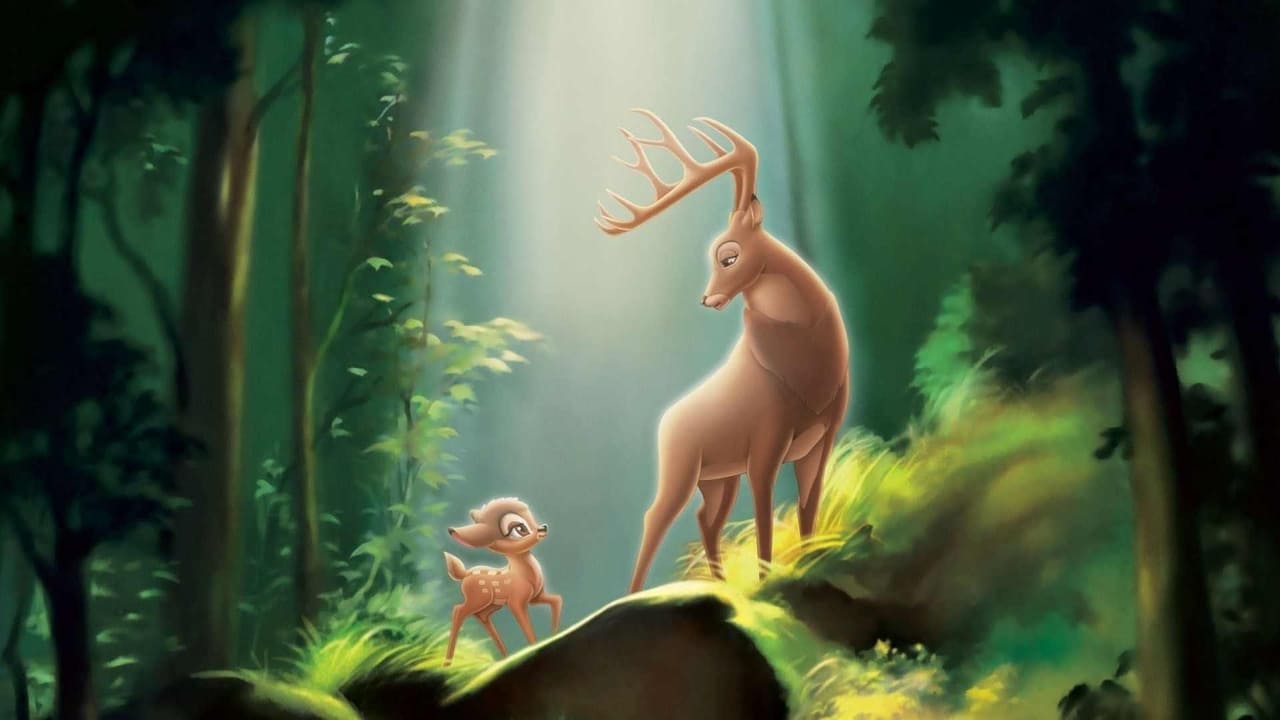
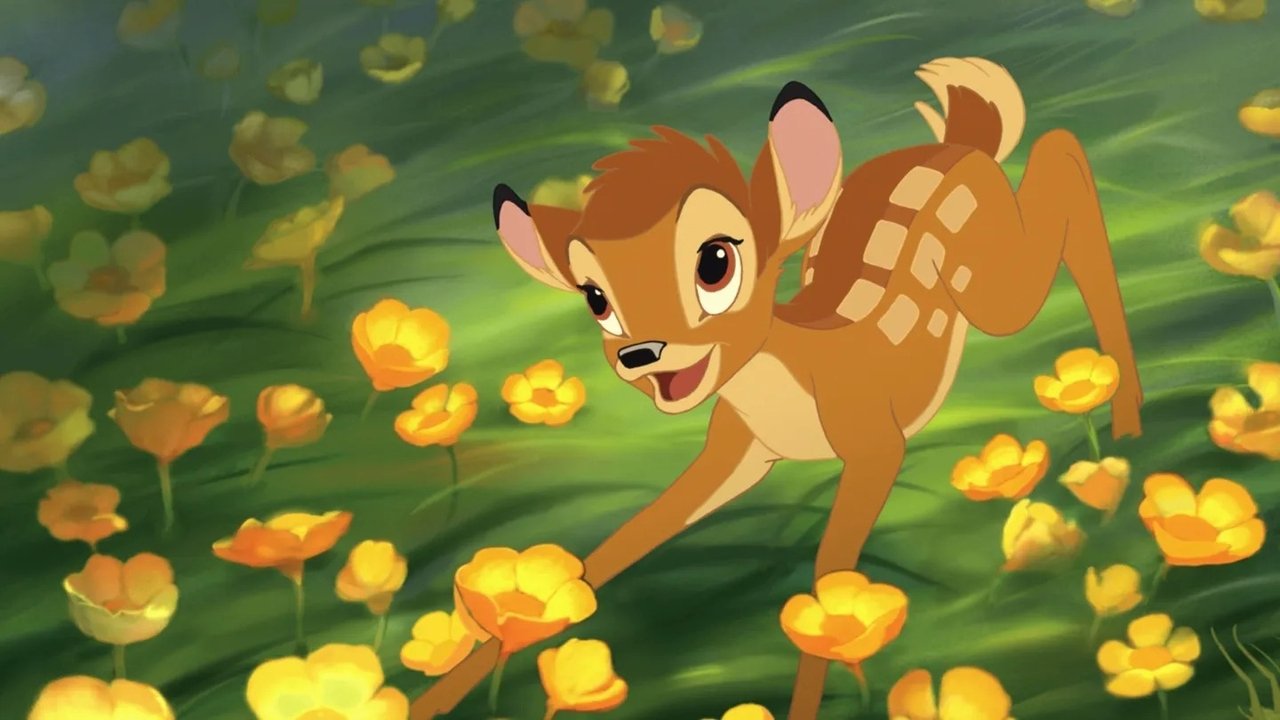
In the mid-2000s, the industry was sprinting toward CGI, leaving traditional hand-drawn animation in the dust. Bambi II feels like one of the last gasps of that classic era, but with a digital facelift. The production team clearly spent a lot of time staring at the original Tyrus Wong-inspired backgrounds from 1942. They managed to replicate those soft, ethereal, oil-painted forest scapes using modern digital tools, and the result is easily the best-looking direct-to-video sequel Disney ever produced.
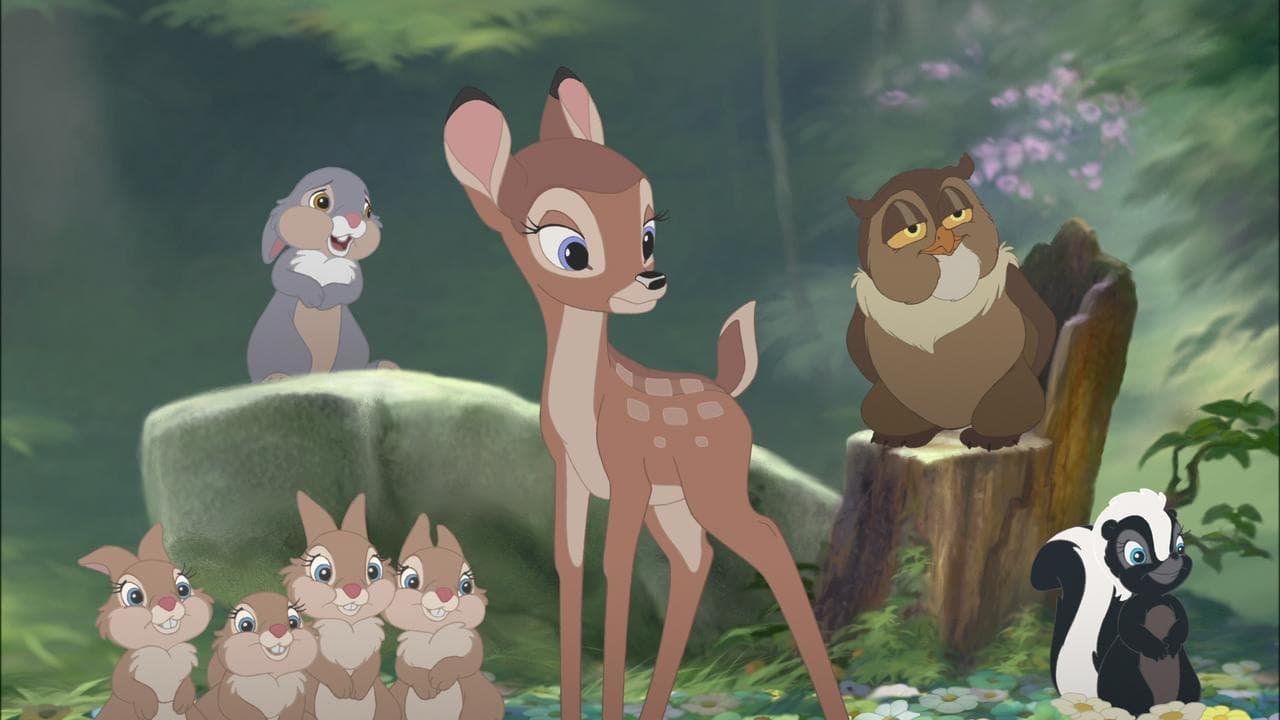
It’s not perfect—there are moments where the character movements feel a bit too "flashy" and fluid compared to the weightier, more deliberate animation of the 40s. Also, we have to talk about Ronno (Anthony Ghannam). Every sequel needs a rival, I suppose, but making Bambi’s childhood bully a prepubescent jerk with a permanent scowl and a voice that sounds like a 1940s newsie feels a bit "DreamWorks-lite." It’s an injection of modern attitude that the original film stayed far away from.
Why This One Stayed in the Thicket
Why don't we talk about this more? Well, it suffered from the "Disney Sequel Stigma." By 2006, audiences were exhausted by Cinderella II and The Little Mermaid II. We had been burned too many times by flat animation and karaoke-tier songs. While Bambi II actually had a limited theatrical run in Europe, in the States, it was dumped onto shelves.
Looking back, it’s a fascinating artifact of the end of the DVD boom. I remember seeing the "Special Features" on the back of the case—games for kids, "how to draw" segments—and realizing that the era of film literacy being packaged with movies was peaking just as the formats were about to change again. It’s a film that exists because of a corporate mandate but succeeded because the artists involved clearly loved the source material. It's a drama about grief that somehow fits into a 72-minute window between snack times.
Ultimately, Bambi II is a minor-key melody played on a very expensive piano. It doesn't have the primal, experimental power of the 1942 original—nothing ever will—but it avoids being a total embarrassment. It’s a quiet, occasionally beautiful exploration of a father and son trying to find a common language in the wake of a tragedy we all remember too well. If you’re a fan of the era where Disney was trying to figure out how to bridge the gap between their hand-drawn soul and their digital future, this is a curiosity well worth an hour of your time.
And honestly, listening to Patrick Stewart try to explain "The Meadow" to a toddler is worth the price of admission alone. It’s basically Macbeth with hooves, and I’m here for it.
Keep Exploring...
-
Bambi
1942
-
Joseph: King of Dreams
2002
-
Jimmy Neutron: Boy Genius
2001
-
TMNT
2007
-
A Christmas Carol
2009
-

Arthur Christmas
2011
-

Barbie as Rapunzel
2002
-

The Cat Returns
2002
-
The Triplets of Belleville
2003
-
Osmosis Jones
2001
-
Cinderella II: Dreams Come True
2002
-
101 Dalmatians II: Patch's London Adventure
2003
-

Barbie of Swan Lake
2003
-
Holes
2003
-
Looney Tunes: Back in Action
2003
-
What a Girl Wants
2003
-
First Daughter
2004
-
Raise Your Voice
2004
-

Ice Princess
2005
-
Jack-Jack Attack
2005