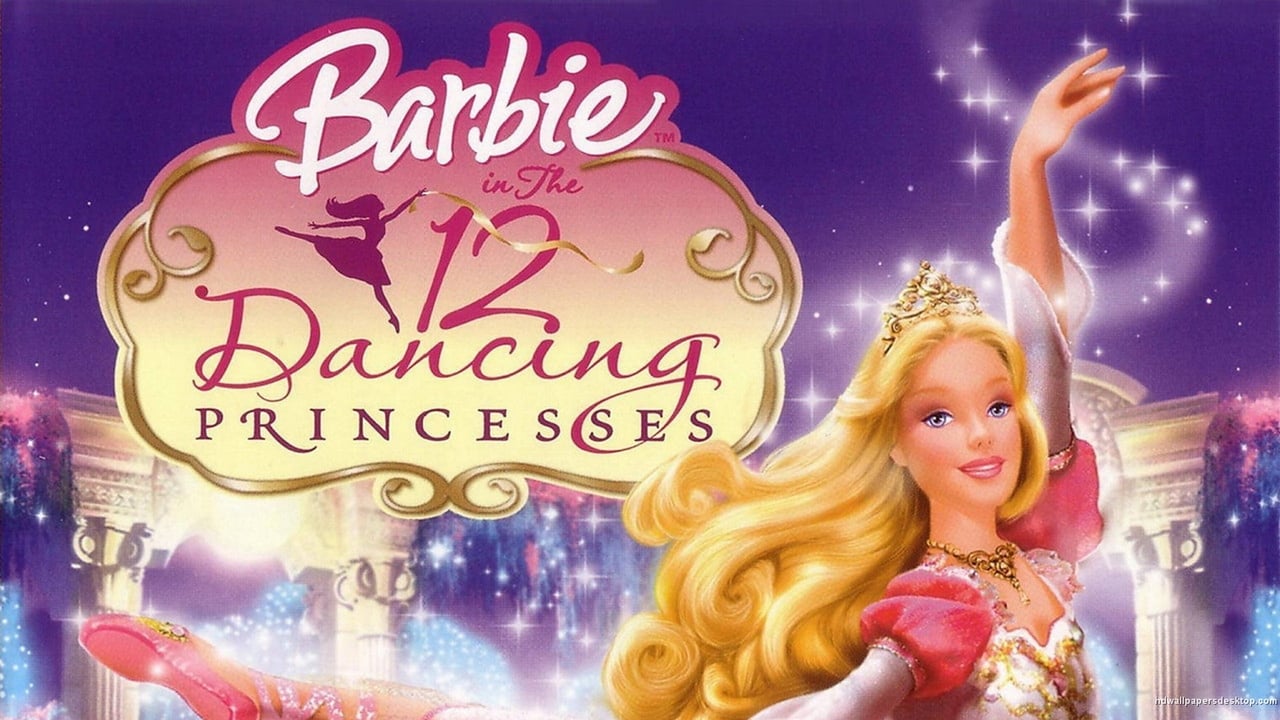
Barbie in the 12 Dancing Princesses
"Twelve sisters, one kingdom, and the revolution of rhythm."
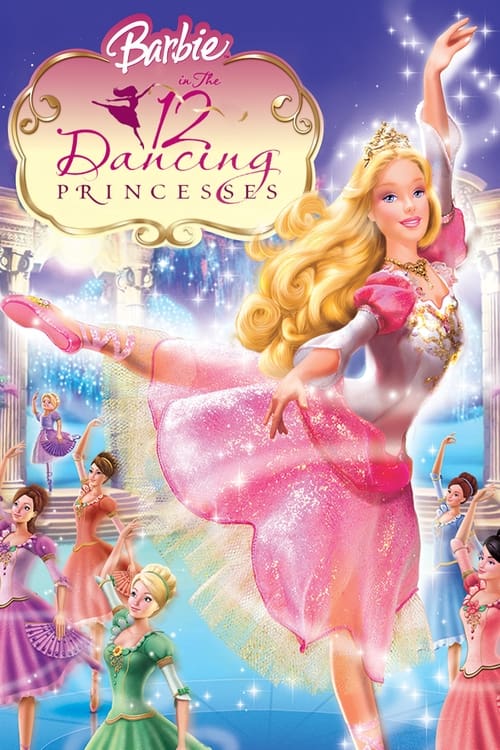
The mid-2000s were a strange, experimental purgatory for feature-length animation. We were moving away from the hand-drawn majesty of the 90s, but the "uncanny valley" of early CGI was still wide enough to swallow a horse whole. Yet, nestled within this digital growing pain was the Barbie cinematic universe—a collection of films that were essentially high-concept stage plays dressed up in pink pixels. Looking back at Barbie in the 12 Dancing Princesses (2006), it’s easy to dismiss it as a mere toy commercial. But if you strip away the glitter, you find a surprisingly heady meditation on the preservation of joy in a world obsessed with utilitarian order.
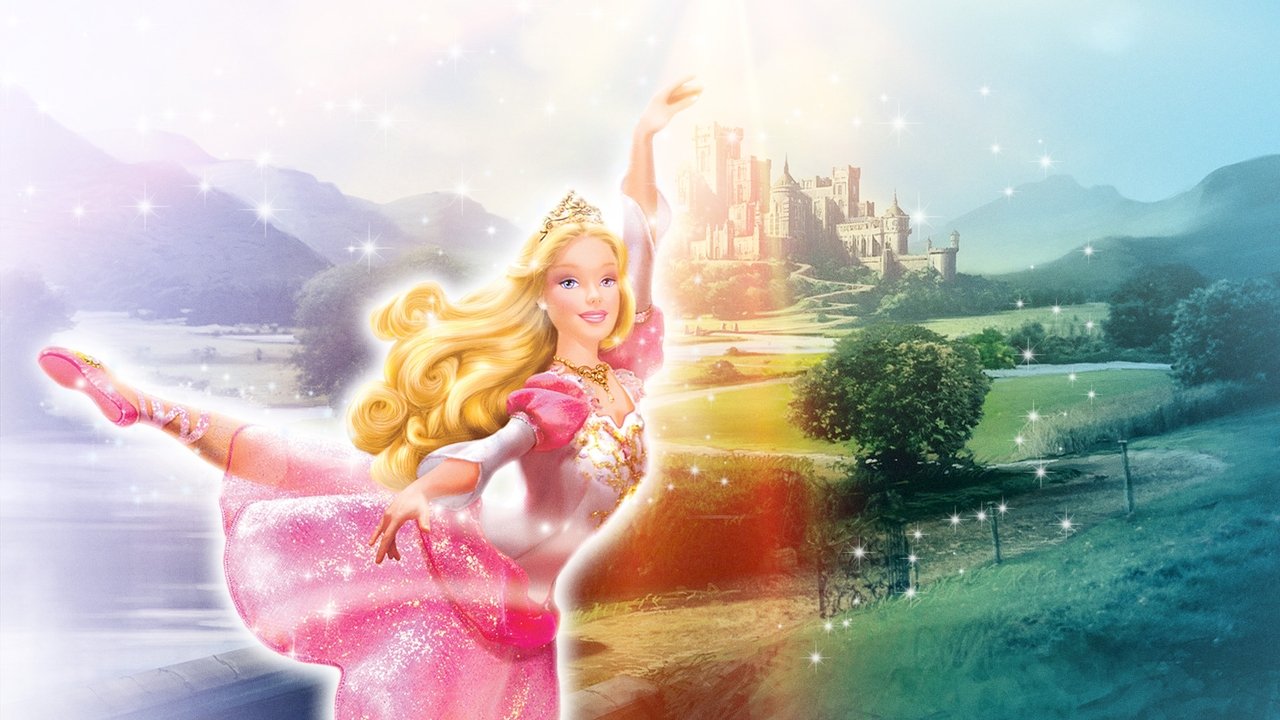
I recently found my old DVD copy behind a stack of much "cooler" Criterion discs, and the case still smells faintly of the strawberry-scented stickers I plastered on it in fourth grade. It reminded me of a time when the DVD menu—with its looping Arnie Roth score and clunky navigation—felt like a literal portal to another dimension. Watching it now, the textures are flat and the lighting is primitive, but the ambition of Greg Richardson’s direction is undeniable.
The Architecture of Repression
The film kicks off with King Randolph (Christopher Gaze), a well-meaning but emotionally distant widower who realizes he has no idea how to raise twelve daughters who seem to communicate primarily through synchronized movement. Enter the antagonist: Duchess Rowena. Voice acting legend Catherine O'Hara (years before she became a household name again in Schitt's Creek) brings a terrifying, icy precision to the role. Rowena isn't just a "mean aunt"; she is the embodiment of the post-Victorian "seen but not heard" philosophy.
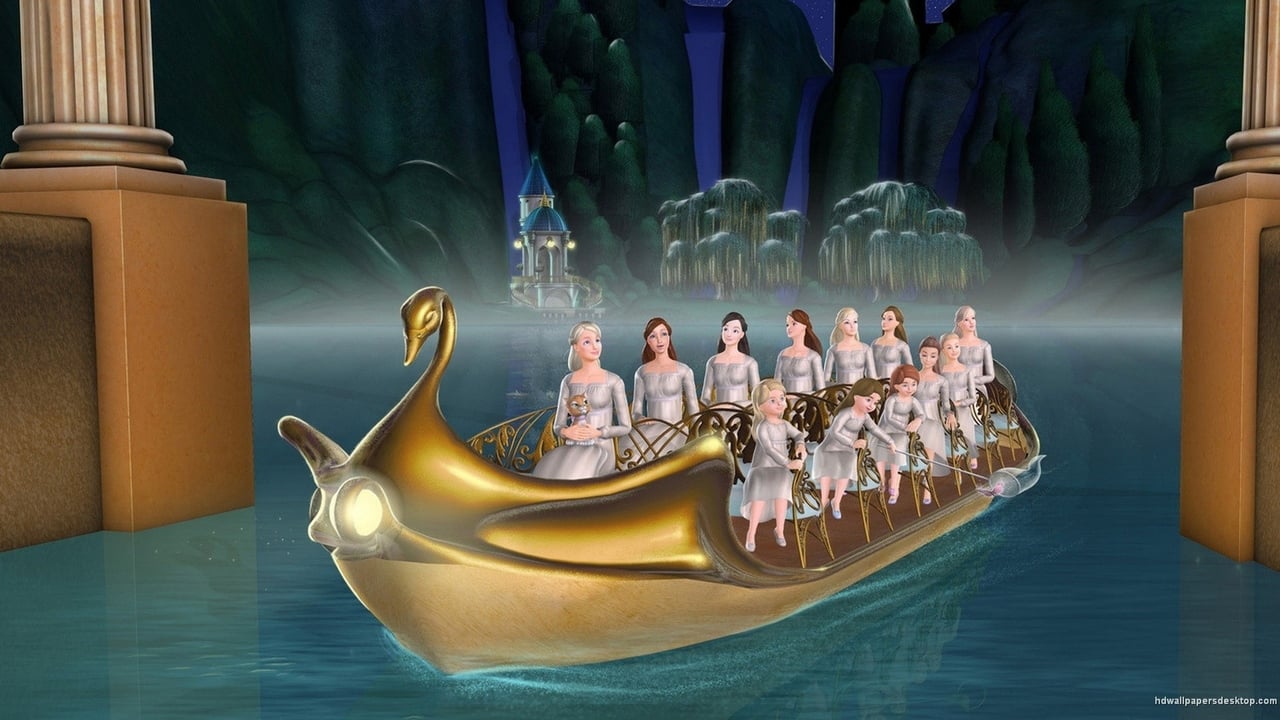
She systematically strips the sisters of their identities—replacing their vibrant, individualistic gowns with identical grey uniforms and banning the one thing that gives them agency: dancing. From a philosophical standpoint, the film posits that order without art is just a polite form of prison. The sisters' descent into a magical underworld isn't just a plot device; it’s a psychological retreat. When the world above becomes too rigid to inhabit, they literally find a way to dance through the floorboards into a realm of pure aesthetics.
The Motion Capture Revolution
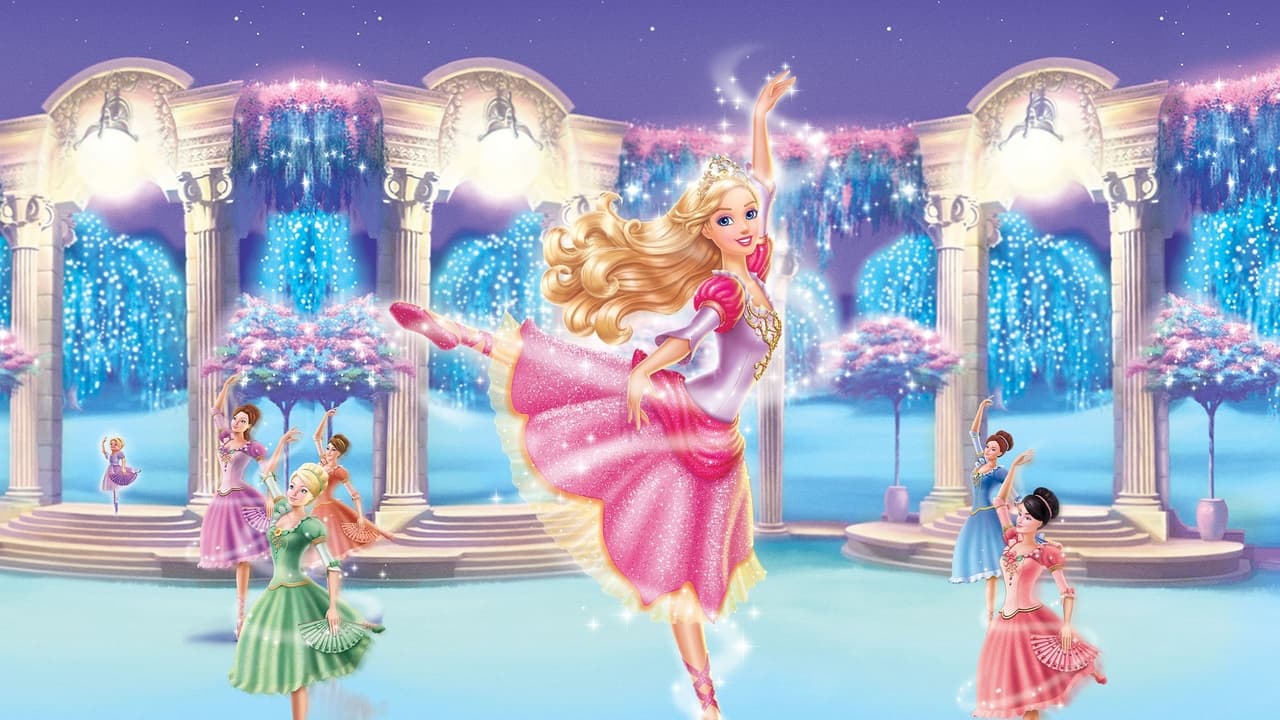
What sets this particular entry apart from the Fairytopia or Mermaidia era is the commitment to physical realism in an unrealistic world. To handle the choreography, the production brought in members of the New York City Ballet. This was the "DVD Culture" peak, where the special features would spend ten minutes showing dancers in black spandex suits with white balls glued to their joints.
Because they used motion capture, the character Genevieve (Kelly Sheridan, the undisputed GOAT of Barbie voices) moves with a weight and grace that the 2006-era backgrounds can’t quite match. There is a jarring, beautiful contrast between the stiff, puppet-like movements of the background characters and the fluid, professional-grade pirouettes of the sisters. It’s a testament to the era’s "tech-first" mentality—trying to capture the soul of a ballerina using a computer that probably had less processing power than my current toaster.
The score by Arnie Roth, heavily featuring themes from Mendelssohn’s "Italian Symphony," adds a layer of "prestige" that feels intentional. It was Mattel’s way of saying, "This isn't just for kids; this is Art." It’s that specific brand of mid-2000s earnestness that I find so endearing now. They weren't winking at the camera or being meta; they were genuinely trying to translate a Brothers Grimm fairy tale into a digital ballet.
A Legacy of Sisterhood and Silver Screens
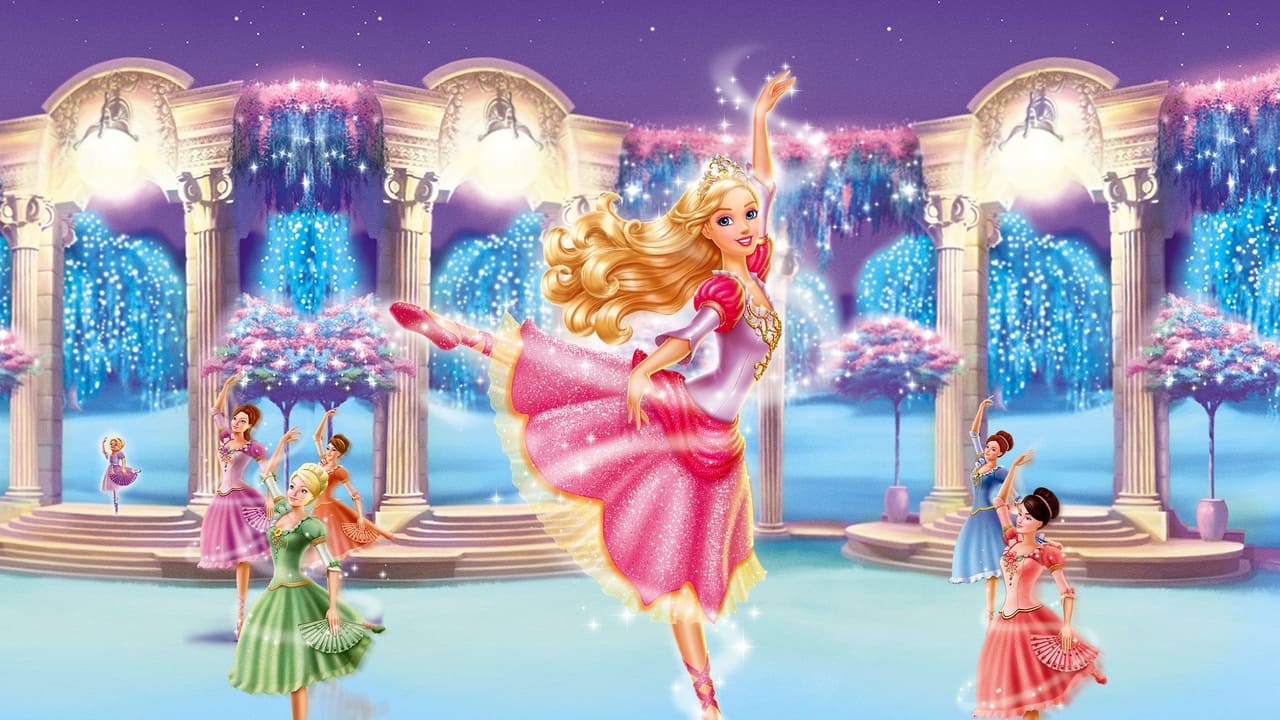
Watching this again, I realized that for a "Family" movie, it’s remarkably focused on the collective rather than the individual. While Genevieve is the "lead," the film’s strength lies in the ensemble of sisters. They are a decentralized unit of resistance against Rowena’s tyranny. Each sister, from the eldest Ashlyn to the youngest triplets, represents a different facet of the "feminine experience" as it was marketed in 2006, yet they only succeed when they move in unison.
The CGI has aged about as well as a bowl of fruit left in the sun—the hair looks like solid blocks of plastic and the faces are often frozen in a permanent state of mild surprise—but there’s a charm to its limitations. It captures a moment in time before the "Pixar-ification" of all animation, where every studio was still trying to figure out their own visual language. It’s a relic of the "Direct-to-DVD" gold rush, a period where you could take a wild swing on a ballet-themed political thriller for seven-year-olds and actually get it made.
In the grand scheme of cinema, Barbie in the 12 Dancing Princesses isn't going to unseat The Godfather. However, as a specimen of mid-2000s digital storytelling, it’s a fascinating "oddity" that holds up surprisingly well if you’re looking for a story about reclaiming one’s soul through art. It’s a film that respects its audience enough to give them Mendelssohn and professional choreography instead of just loud noises and fart jokes. If you can get past the primitive textures, you'll find a heart that still beats with a very specific, sparkly kind of rhythm.
Keep Exploring...
-

Barbie of Swan Lake
2003
-

Barbie as Rapunzel
2002
-
Barbie as The Princess & the Pauper
2004
-
Barbie in the Nutcracker
2001
-
Barbie and the Diamond Castle
2008
-
Barbie: Princess Charm School
2011
-
Paperman
2012
-
Song of the Sea
2014
-
When Marnie Was There
2014
-

Brother Bear 2
2006
-
Spirit: Stallion of the Cimarron
2002
-
Treasure Planet
2002
-
Ponyo
2008
-
Coraline
2009
-
The Secret World of Arrietty
2010
-
Joseph: King of Dreams
2002
-
The Triplets of Belleville
2003
-
Mickey, Donald, Goofy: The Three Musketeers
2004
-
Jack-Jack Attack
2005
-
Lilo & Stitch 2: Stitch Has a Glitch
2005