Black Book
"To survive the monster, she had to love one."
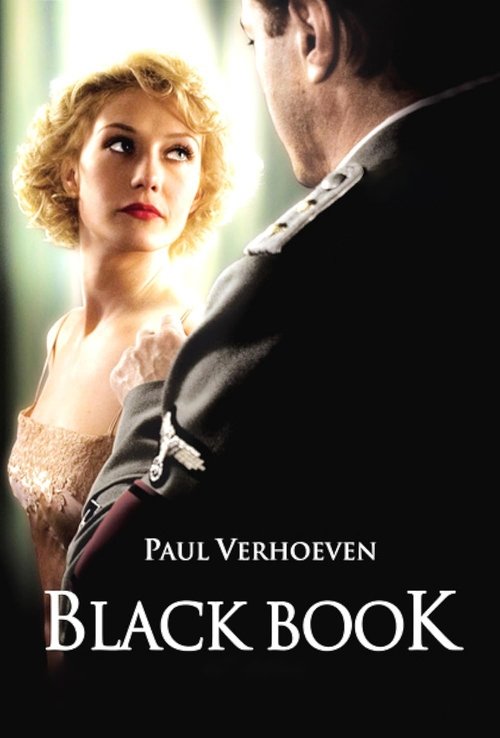
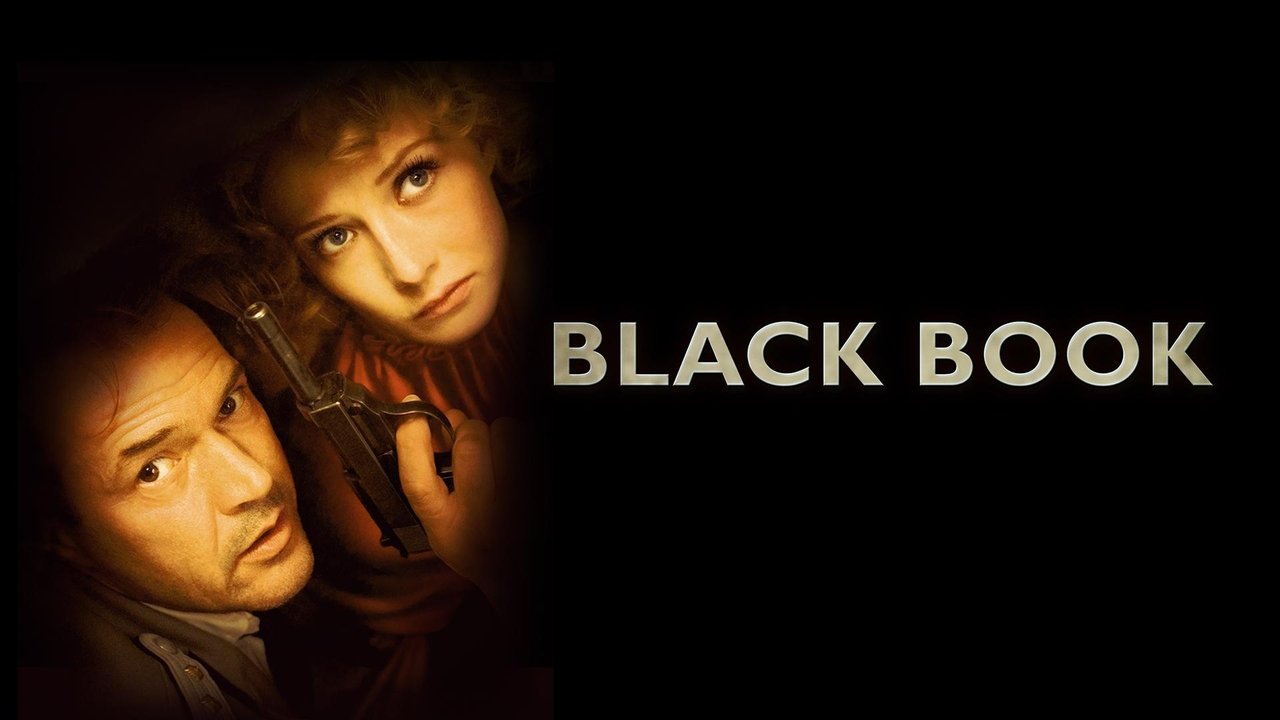
Most World War II movies want to give you a medal for watching them. They’re built on the sturdy, somber architecture of nobility and sacrifice—the kind of films that make you feel like a "good person" just for sitting through the credits. But Paul Verhoeven doesn’t care about your moral comfort. When he returned to his native Netherlands in 2006 to film Black Book (Zwartboek), he didn't bring back a dusty history lesson; he brought back a sweaty, paranoid, and profoundly cynical thriller that suggests the line between a hero and a traitor is usually just a matter of who's holding the gun when the music stops.
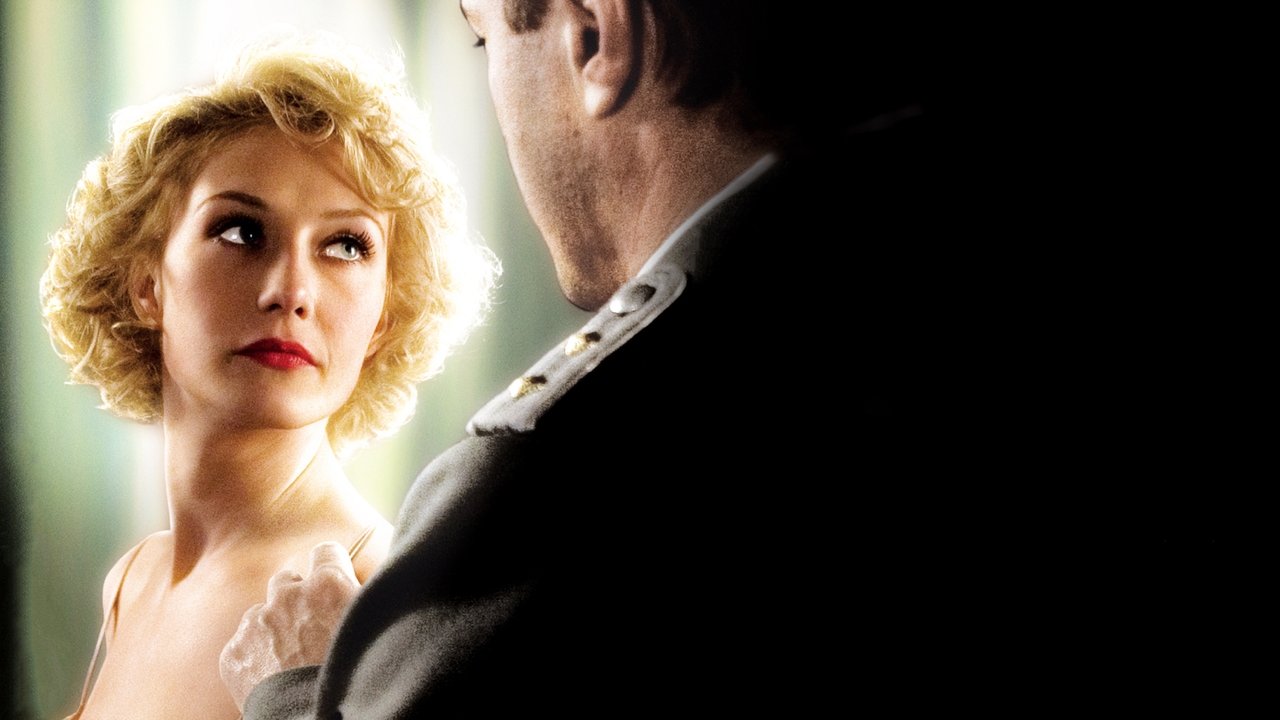
I remember watching this for the first time on a scratched DVD I’d rented from a shop that was three days away from going out of business. I was eating a slightly stale bag of salt-and-vinegar chips, and by the time the film reached its halfway point, I’d completely forgotten to keep eating. That’s the Verhoeven effect. Even when he’s dealing with the Holocaust and the Dutch Resistance, he can’t help but make the experience feel dangerously alive and deeply, uncomfortably erotic.
The Resurrection of the Dutch Master
After a Hollywood run that gave us the satirical ultraviolence of RoboCop (1987) and the misunderstood camp of Showgirls (1995), Verhoeven’s homecoming felt like a mission of reclamation. Black Book was, at the time, the most expensive Dutch production ever mounted, and you can see every cent on the screen. It doesn't have the digital sheen that started to take over cinema in the mid-2000s; instead, it has a lush, tactile quality that feels like a throwback to the grand dramas of the 70s, albeit with a modern appetite for grit.
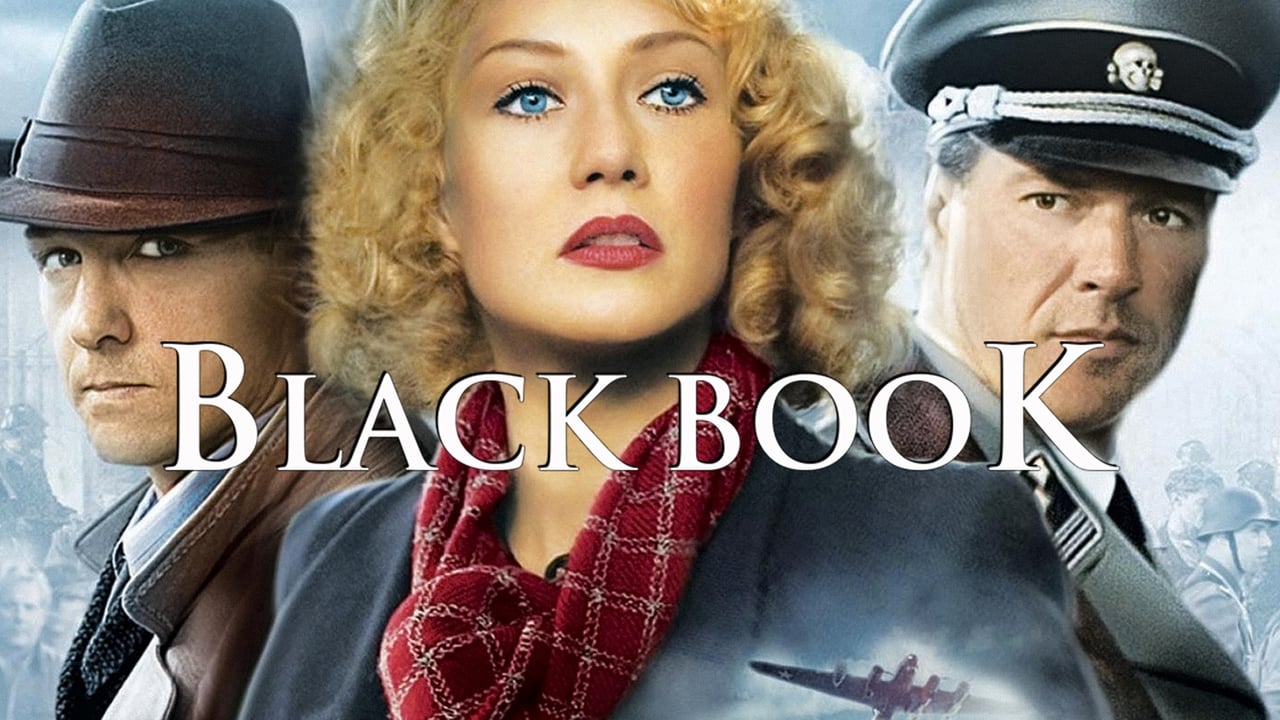
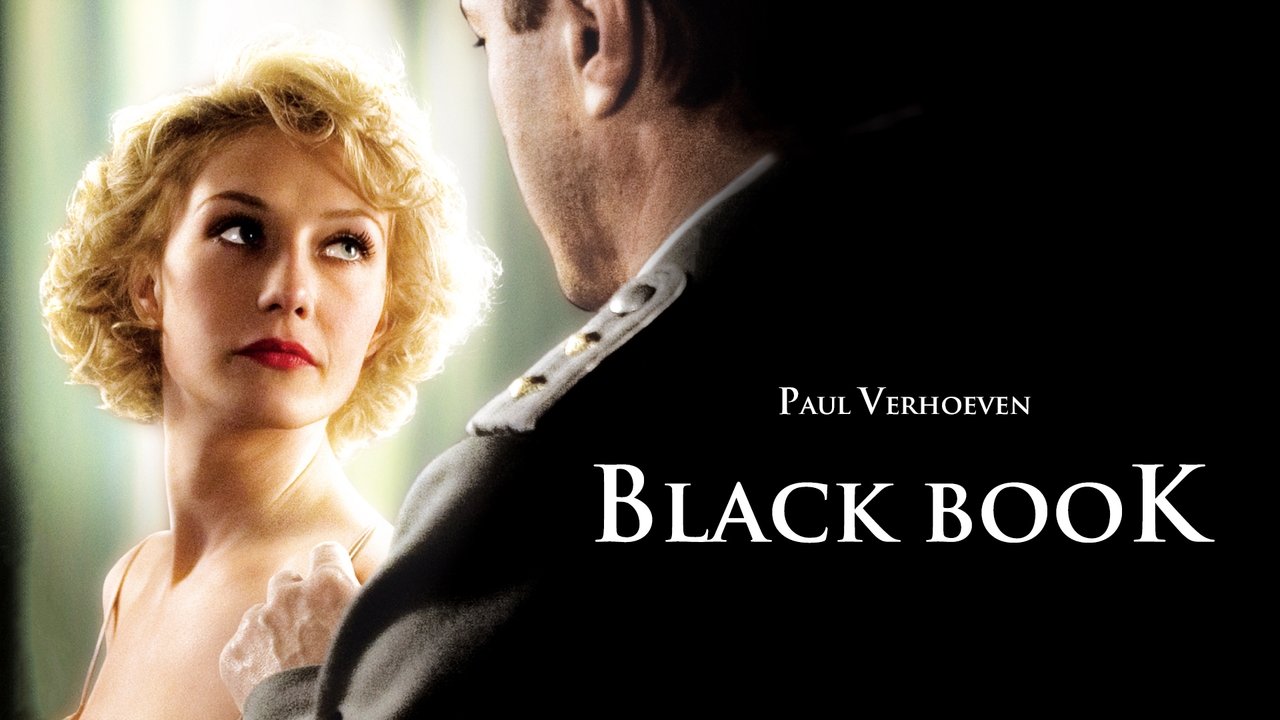
The story follows Rachel Stein, played by a then-ascendant Carice van Houten (long before she was the "Red Woman" in Game of Thrones). Rachel is a Jewish singer hiding in the occupied Netherlands. After a horrific betrayal leaves her family slaughtered, she joins the Resistance, dyes her hair blonde—everywhere—and goes undercover to seduce the local SS commander, Ludwig Müntze.
What follows isn't a simple "honeypot" spy mission. It’s a descent into a moral gray zone so thick you can barely breathe. Carice van Houten is a revelation here. She plays Rachel/Ellis with a feral survival instinct, making her the most capable person in any room she enters, even when she’s terrified. Her performance is the anchor that prevents the film’s more lurid tendencies from drifting into exploitation.
No Heroes, Just Survivors
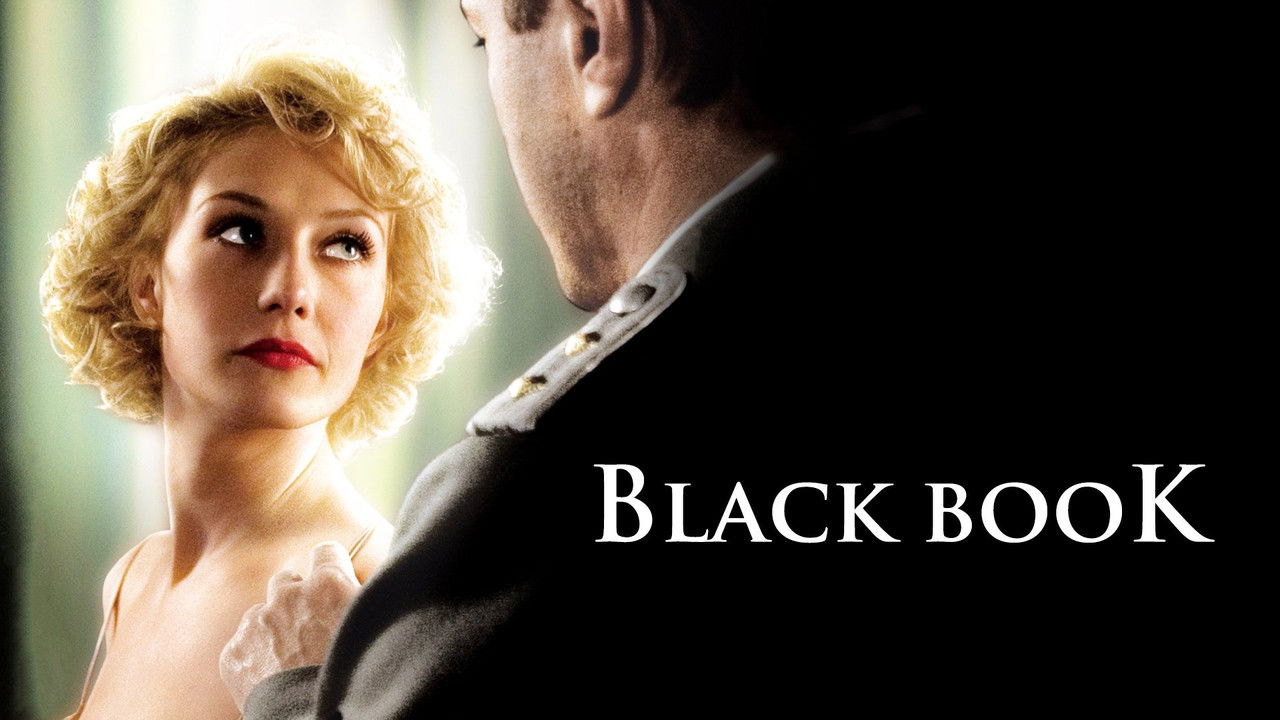
The most subversive thing about Black Book—and the reason it remains a bit of a "hidden gem" compared to Schindler’s List—is its refusal to deify the Resistance. Verhoeven and his longtime collaborator, screenwriter Gerard Soeteman, spent decades researching the "Black Book" of the title, which supposedly contained the names of Dutch collaborators.
In this film, the "good guys" are often incompetent, anti-Semitic, or just as bloodthirsty as the occupiers. Meanwhile, the Nazi commander, played with a weary, tragic grace by Sebastian Koch (who was also brilliant in The Lives of Others), is depicted as a man of conscience. It’s a wildly provocative choice to make the SS officer the only decent man in the movie, but it works because it forces us to look at the war through the lens of individual humanity rather than nationalistic archetypes.
The supporting cast is equally sharp. Thom Hoffman as the steely Resistance leader Hans Akkermans provides a chilling counterpoint to the more impulsive members of the underground, including a young Matthias Schoenaerts in one of his earliest notable roles. Then there’s Waldemar Kobus as the primary antagonist, Günther Franken, a man who enjoys his villainy with a side of chocolate and piano playing. He’s a monster, yes, but a disturbingly recognizable one.
The Bittersweet Aftermath of Liberation
Looking back at the mid-2000s, there was a trend of "deconstructing" the heroism of the Greatest Generation, perhaps fueled by the burgeoning cynicism of the post-9/11 world. Black Book fits perfectly into that era. It doesn't end with the tanks rolling in and everyone cheering. Instead, it shows the "liberation" as a chaotic, vengeful mess where yesterday’s victims become today’s victimizers.
There is a sequence involving a "shit shower"—a literal vat of human excrement dumped on accused collaborators—that is quintessential Verhoeven. It’s gross, it’s humiliating, and it forces the viewer to confront the ugliness that survives even after the "evil" has been defeated. It’s an intense, exhausting watch, but it feels more honest than almost any other film in its genre.
If you missed this during its limited theatrical run or if it’s been sitting in your "to-watch" list for a decade, it’s time to find a copy. It represents a master filmmaker returning to his roots with all the technical skill he learned in Hollywood, but with a story that is personal, biting, and relentlessly gripping. It’s a film that reminds me that history isn't written by the winners, but by the people who were clever enough to stay alive.
Black Book is a rare beast: a high-octane thriller that actually has something profound to say about the human condition. It’s a movie that rewards you for paying attention to the details and punishes you for trying to find a clear-cut hero to root for. It is dark, it is intense, and it is arguably the best thing Paul Verhoeven has ever put his name on. If you can handle the "Verhoeven touch," you won't be able to look away.
Keep Exploring...
-
Crimson Tide
1995
-
The Hurt Locker
2008
-

Brothers
2009
-
The Experiment
2001
-
Inglourious Basterds
2009
-
Infernal Affairs
2002
-
The Count of Monte Cristo
2002
-

A Very Long Engagement
2004
-
Caché
2005
-
Joyeux Noel
2005
-
The Protector
2005
-

Inland Empire
2006
-
Tell No One
2006
-
The Wind That Shakes the Barley
2006
-
Undisputed II: Last Man Standing
2006
-

United 93
2006
-
Before the Devil Knows You're Dead
2007
-
Mesrine: Killer Instinct
2008
-
Mesrine: Public Enemy #1
2008
-
Cell 211
2009