Blood Diamond
"The cost of sparkle is paid in blood."
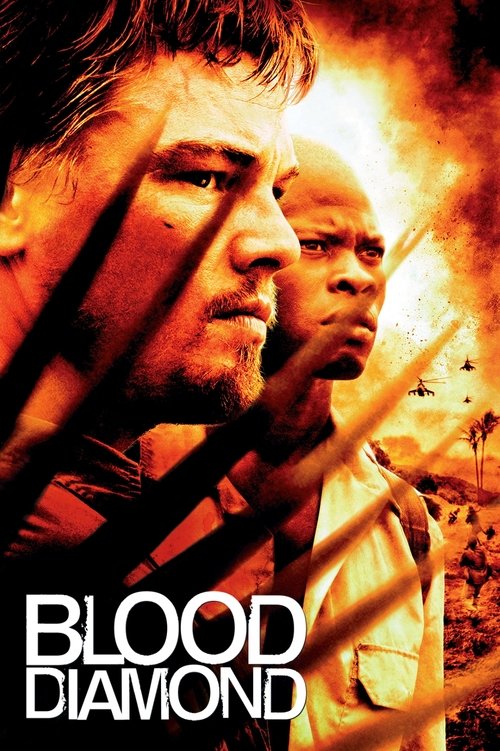
I actually watched this for the third time last Tuesday while wearing a pair of sweatpants I’d accidentally washed with a red crayon, and the faint pinkish hue of my legs really leaned into the "Pink Diamond" theme. It was a fittingly messy way to revisit a film that refuses to let you walk away feeling clean.
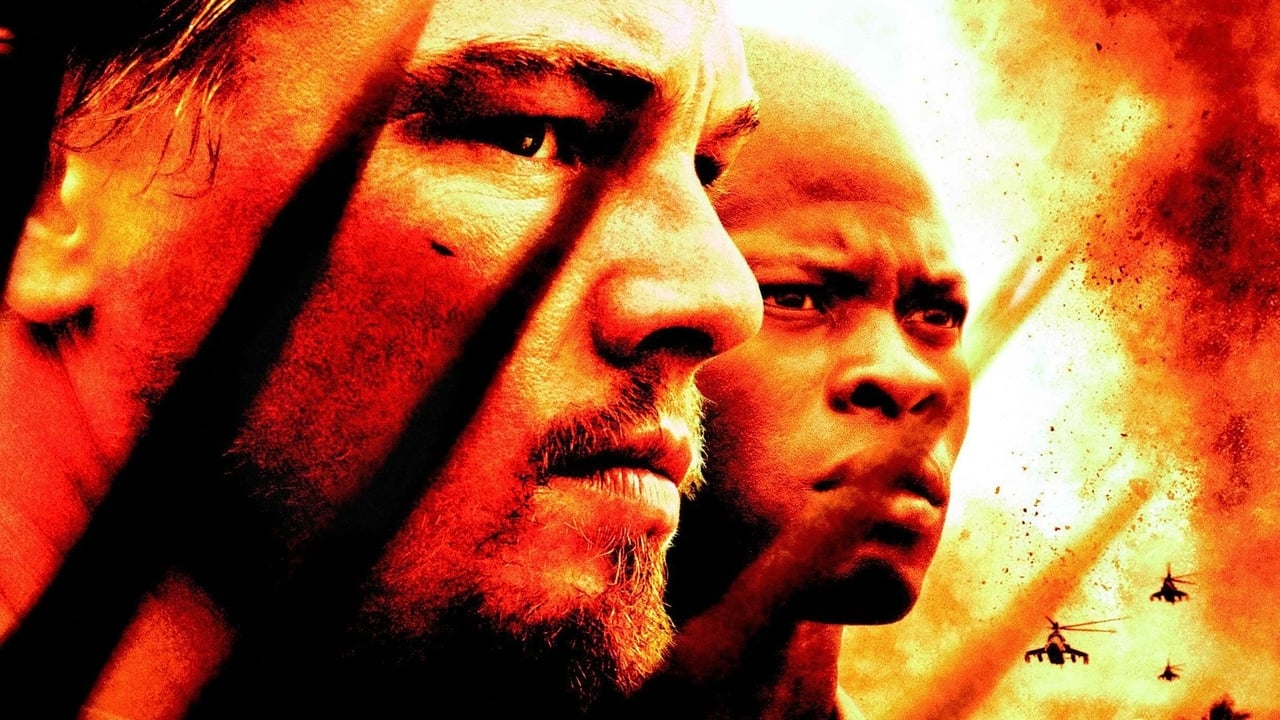
When Edward Zwick released Blood Diamond in 2006, the world was in a strange middle ground of cinematic history. We were moving away from the polished, almost sterile action of the late 90s and into a period of "shaky-cam" realism, heavily influenced by the post-9/11 desire for movies that felt like they were sweating alongside the audience. This film doesn't just sweat; it bleeds, screams, and throws you into the back of a truck in 1999 Sierra Leone without checking if you've buckled your seatbelt.
The Grime and the Glitter
The film follows two men on a collision course: Solomon Vandy (Djimon Hounsou), a fisherman whose life is dismantled by the Revolutionary United Front (RUF), and Danny Archer (Leonardo DiCaprio), a Rhodesian smuggler who looks like he’s made entirely of gin, cigarettes, and bad intentions. They’re looking for a massive pink diamond that Solomon found and buried while working as a slave in the mines.
Archer is the quintessential "Modern Cinema" protagonist. He isn't a hero; he’s a scavenger. DiCaprio’s performance here was a massive turning point for him. Looking back, this was the era where he finally shed the "pretty boy" skin of Titanic and became the weathered, intense actor we know today. His accent is the best thing he’s ever done, and I will fight anyone who says it sounds like a cartoon. It captures that specific, clipped Rhodesian cadence that makes him feel like a man out of time, a ghost of a colonial past that refuses to die.
But the real heart—and the raw, agonizing muscle—of the movie is Djimon Hounsou (Gladiator, Amistad). While DiCaprio provides the cynical edge, Hounsou provides the stakes. His portrayal of a father trying to reclaim a son who has been brainwashed into a child soldier is devastating. Every time Solomon shouts for "Dia!" (Kagiso Kuypers), you feel the vibration in your own chest.
Chaos with a Purpose
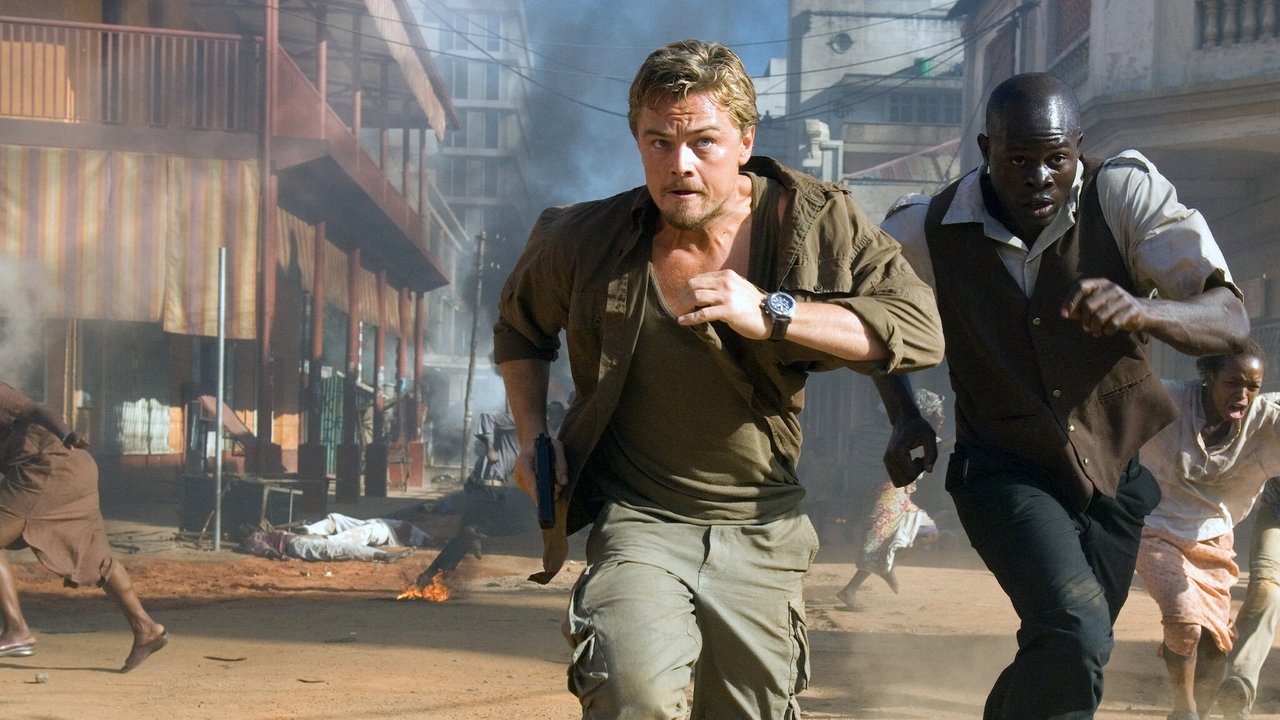
The action in Blood Diamond is uncomfortably effective. Zwick (The Last Samurai) has always had a knack for scale, but here he trades sweeping battlefields for the claustrophobic terror of urban warfare. The Freetown invasion sequence is a masterclass in controlled chaos. It’s a sequence that still holds up beautifully because it relies heavily on practical pyrotechnics and hundreds of extras rather than the rubbery CGI that was starting to infect big budgets at the time.
The film captures the "DVD Culture" era perfectly. I remember the special features on the two-disc edition, which went deep into the Kimberley Process and the reality of conflict gems. It was a movie that actually did something; it wasn't just a thriller, it was a piece of advocacy that made people genuinely uncomfortable with their engagement rings for a solid three years. It’s basically an Indiana Jones movie if Indy was a cynical mercenary and the Temple of Doom was a very real geopolitical nightmare.
The Cult of "TIA"
Despite being a box-office success and an Oscar nominee, Blood Diamond has settled into a weird sort of "cable classic" or "streaming staple" status. It’s the kind of movie men of a certain age can’t stop watching if they catch five minutes of it on a Sunday afternoon. Why? Because it’s a "man-on-a-mission" story that actually has something to say about the mission.
There’s a legendary bit of trivia that fans always bring up: the phrase "TIA" (This is Africa). While it became a bit of a cynical meme among fans, it perfectly encapsulates the film's fatalistic worldview. The production itself was a beast; they filmed in South Africa and Mozambique, dealing with extreme weather and the logistical nightmare of recreating a war zone in remote locations. Apparently, DiCaprio was so committed to the grit that he spent time with former mercenaries from the South African Defense Force to get the "vibe" of a man who has seen too much and felt too little.
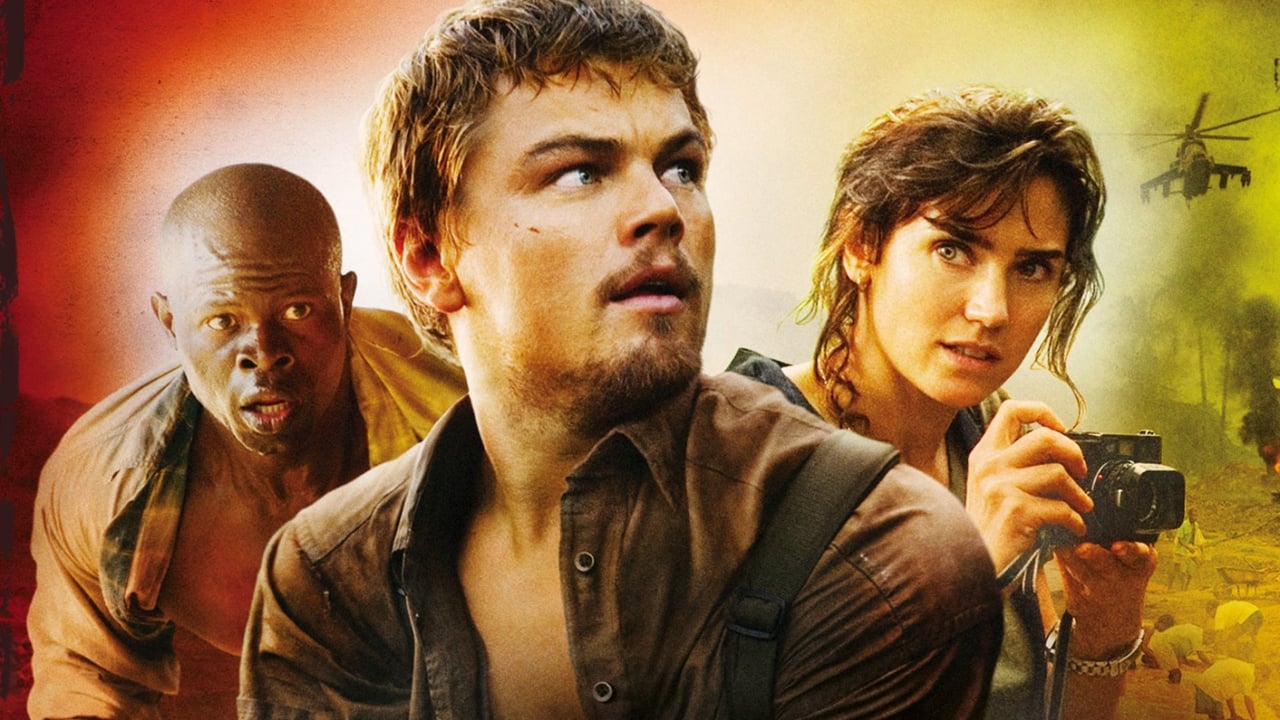
Jennifer Connelly (A Beautiful Mind, Requiem for a Dream) plays Maddy Bowen, the journalist trying to expose the diamond trade. While her character occasionally feels like a convenient plot device to explain things to the audience, Connelly gives her enough steel to keep her from being a "damsel." She’s the conscience of the film, even if Archer is too busy bleeding to listen to her half the time.
The film isn't perfect—the ending leans a bit too heavily into Hollywood sentimentality that the previous two hours didn't exactly earn—but as a high-stakes thriller with a soul, it’s top-tier. It captures a specific moment in the mid-2000s when we wanted our movies to be "important" but still give us plenty of shootouts and explosions. It’s a heavy, intense, and ultimately rewarding watch that reminds you why we go to the movies: to see people we care about survive things we hope we never have to see. It’s a dark, diamond-sharp piece of filmmaking that still cuts deep.
Keep Exploring...
-
The Last Samurai
2003
-
Man on Fire
2004
-
Munich
2005
-
Shooter
2007
-
Children of Men
2006
-
Body of Lies
2008
-

Enemy of the State
1998
-

The Negotiator
1998
-

Legends of the Fall
1994
-
The Last Castle
2001
-
The Bourne Identity
2002
-

The Bourne Supremacy
2004
-
The Bourne Ultimatum
2007
-
The Dark Knight
2008
-
Rise of the Planet of the Apes
2011
-
The Departed
2006
-
Shutter Island
2010
-
The Count of Monte Cristo
2002
-
Undisputed II: Last Man Standing
2006
-
United 93
2006