Borat: Cultural Learnings of America for Make Benefit Glorious Nation of Kazakhstan
"High five for the most dangerous comedy ever made."
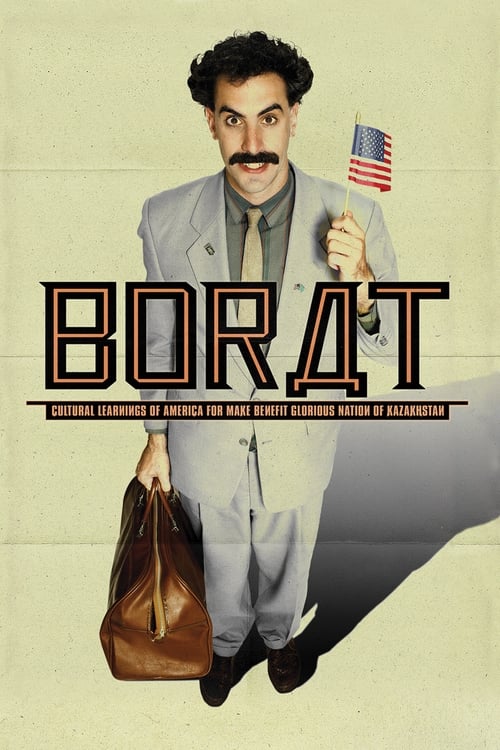
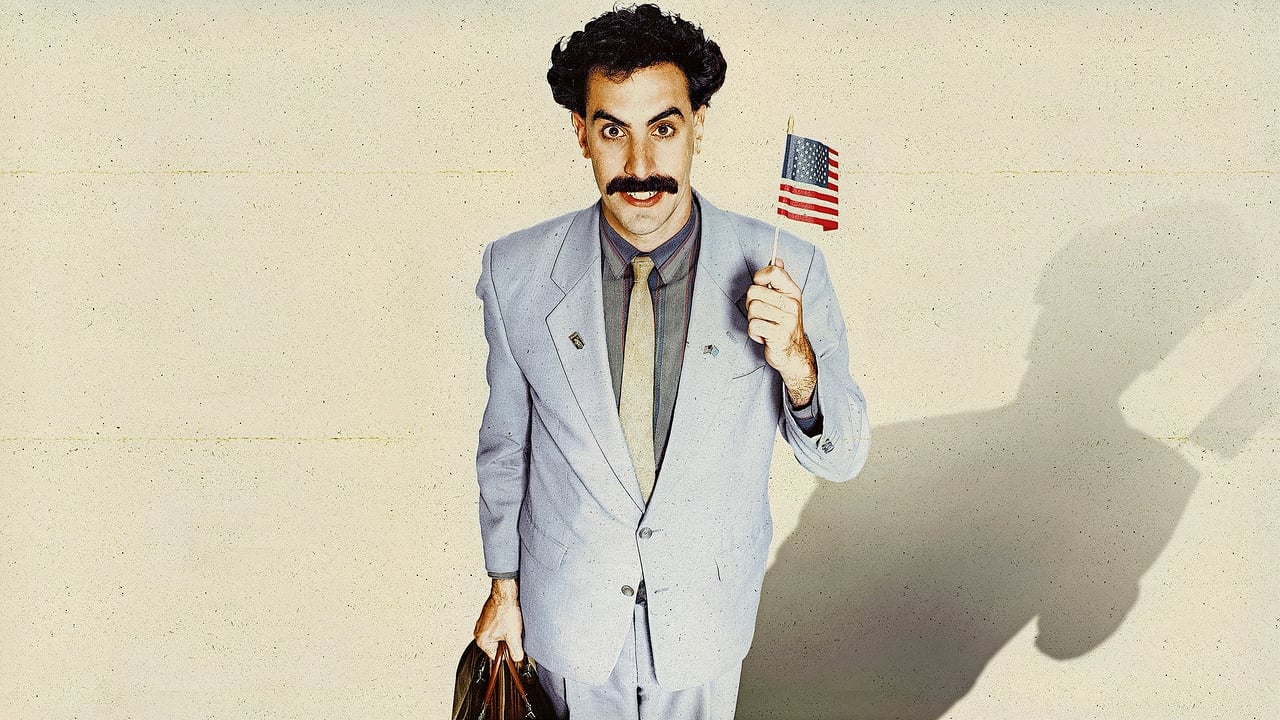
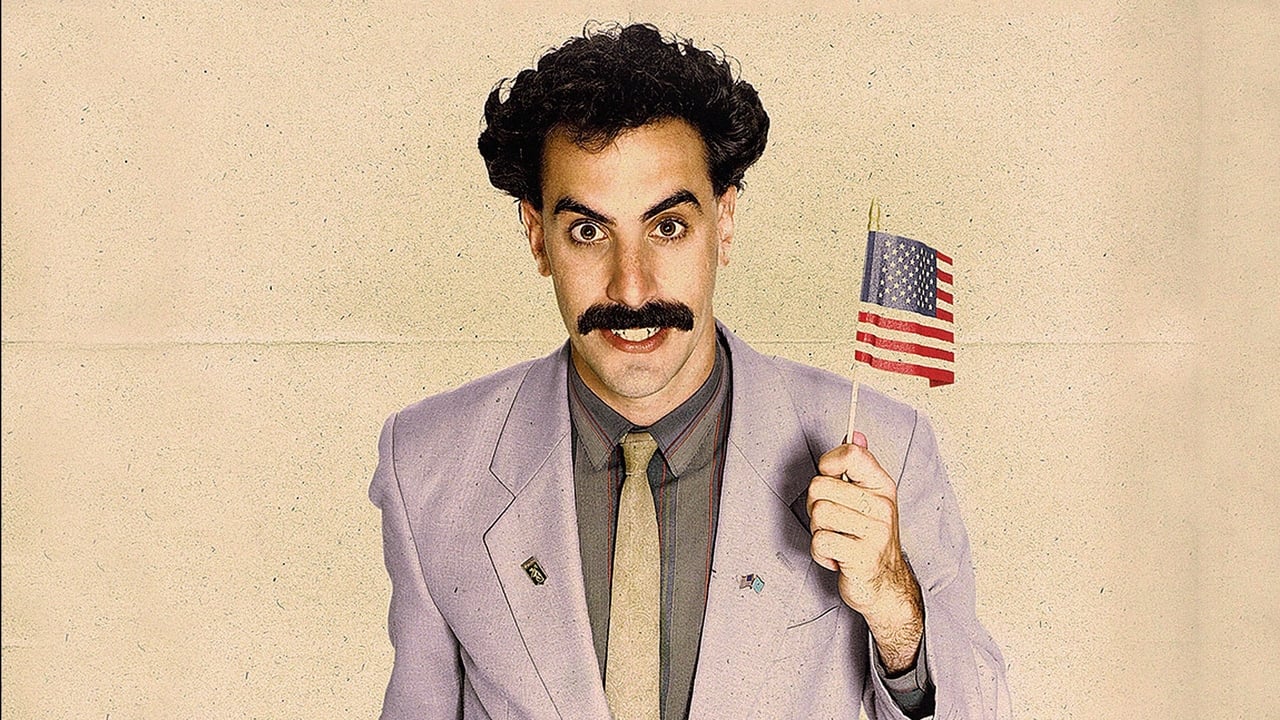
In 2006, you couldn’t walk ten feet without hearing someone scream "My wife!" in a mock-Kazakh accent. It was the cultural equivalent of a wildfire—unstoppable, slightly chaotic, and leaving everything looking a bit different in its wake. When Sacha Baron Cohen brought his bumbling, grey-suited journalist Borat Sagdiyev to the big screen, he didn't just make a movie; he dropped a satirical pipe bomb into the middle of the Bush-era American zeitgeist.
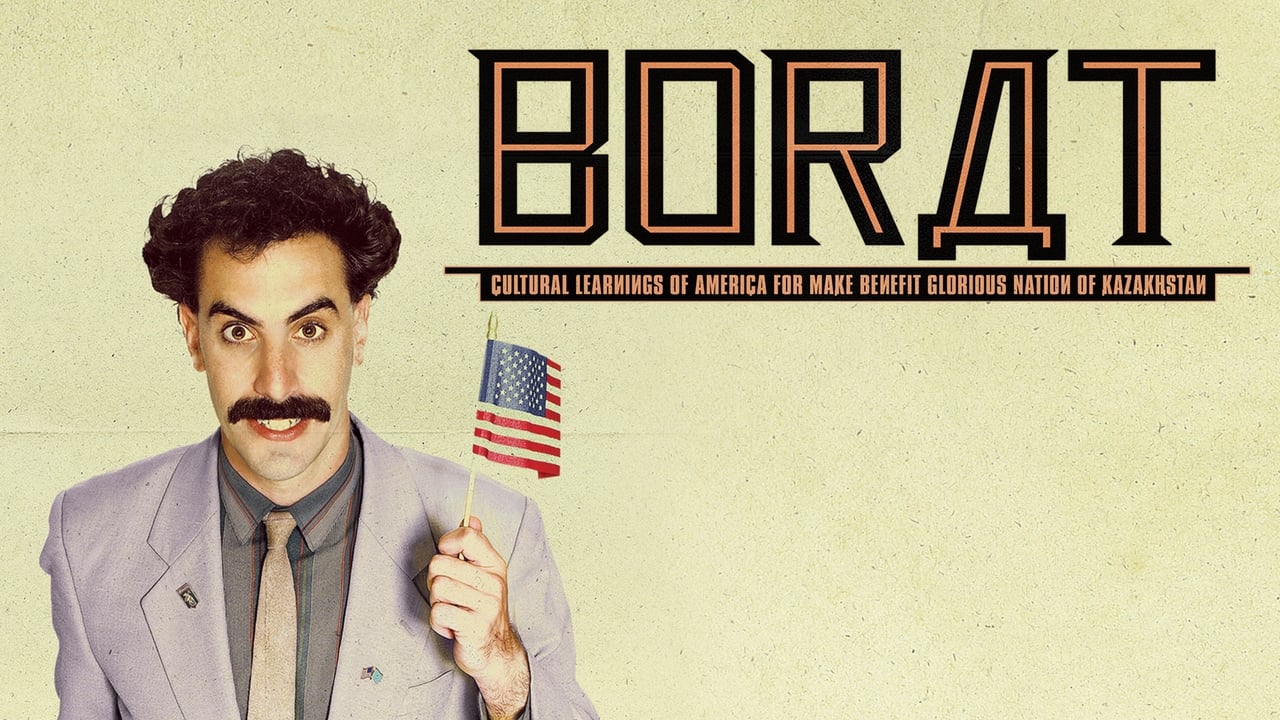
I rewatched this recently while trying to assemble a flat-pack bookshelf that missing three vital screws, and the sheer frustration of my Saturday afternoon actually made the film’s chaotic energy feel strangely therapeutic. Looking back, Borat: Cultural Learnings of America for Make Benefit Glorious Nation of Kazakhstan isn't just a collection of "gotcha" moments. It’s a fascinating, cringeworthy, and deeply revealing time capsule of a country that didn't realize its fly was unzipped.
The Mirror of the Mockumentary
The genius of Sacha Baron Cohen lies in his radical commitment to the bit. While the mockumentary format had been popularized by the likes of Christopher Guest or The Office, Borat weaponized it. By taking a fictional, wildly offensive caricature into the real world, Cohen turned every "real" person on screen into an accidental co-star.
The film operates on a simple, brutal mechanic: Borat acts like a prehistoric relic—sexist, anti-Semitic, and blissfully ignorant—and the Americans he meets usually react by trying to be "polite." This politeness is exactly where the horror lies. Whether it’s the etiquette coach trying to explain why you shouldn't show people pictures of your teenage son’s "provisions" or the Southern socialites at a dinner party, the comedy comes from the awkward silence. It’s the sound of a polite society refusing to call out madness because they don’t want to be rude.
Then, of course, there are the moments where the mask slips. The infamous scene with the frat boys in the RV remains one of the most chillingly effective pieces of documentary filmmaking in a comedy. Without the presence of a traditional camera crew (the subjects thought they were for a foreign TV station), these young men felt comfortable airing their most toxic views on race and gender. It wasn't just a joke anymore; it was a biopsy of a specific American subculture.
The $18 Million Miracle
From a production standpoint, Borat was a massive gamble that paid off with a staggering $262 million global haul. This was the peak of the "DVD culture" era, where word-of-mouth could turn a weird indie project into a gargantuan blockbuster. The film’s "guerrilla" style—shooting on 16mm film to maintain that low-budget documentary aesthetic—is what makes it feel so immediate. It’s gritty, it’s ugly, and the naked hotel room fight between Borat and Azamat is basically the Sistine Chapel of traumatic slapstick.
Ken Davitian, as the long-suffering producer Azamat Bagatov, is the unsung hero here. He plays the straight man (mostly) to Borat’s manic energy, providing the necessary friction to keep the "plot"—a cross-country quest to marry Pamela Anderson—moving forward. Speaking of Anderson, her involvement was one of the best-kept secrets of the year. While the "kidnapping" attempt at the book signing was staged, the reactions of the security guards and bystanders were terrifyingly real.
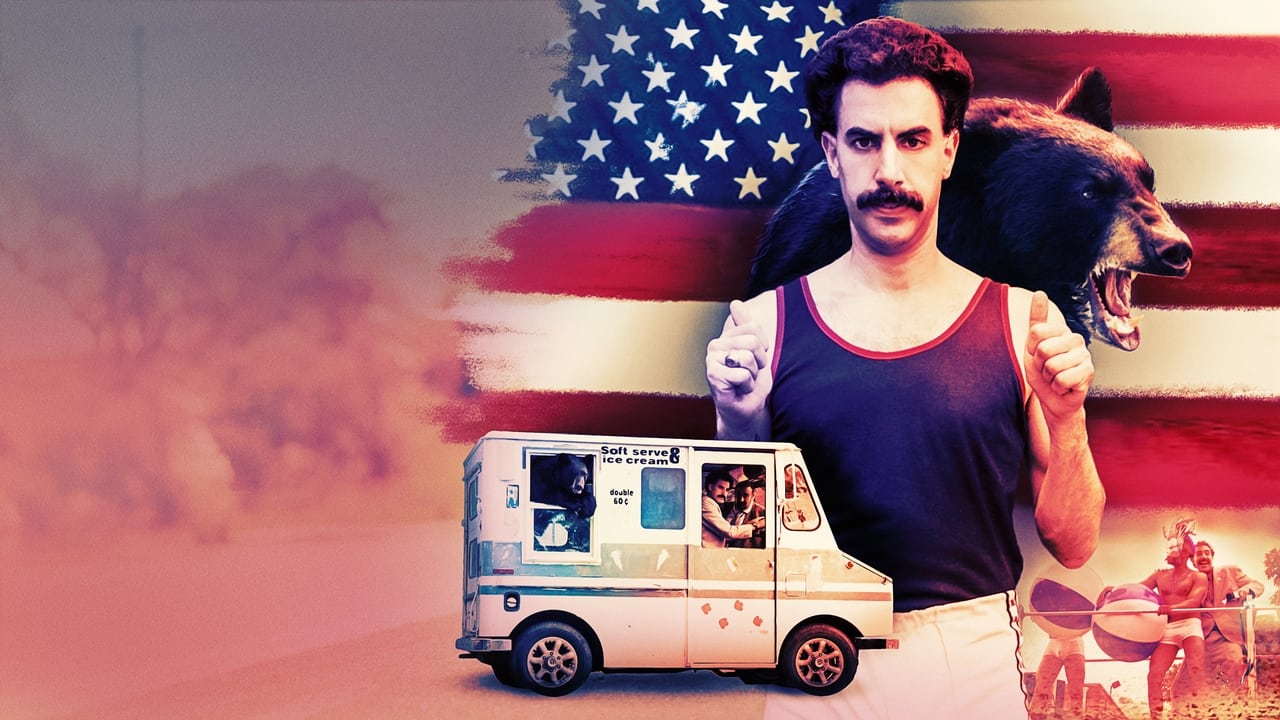
The production was so convincing that the FBI actually started a file on Sacha Baron Cohen. They received numerous calls about a "Middle Eastern man" traveling in an ice cream truck performing suspicious activities. Cohen stayed in character throughout most of these encounters, a feat of endurance that makes most Method actors look like amateurs.
Does the Joke Still Land?
Looking at Borat through a 2024 lens is a complicated experience. Some of the humor is undeniably "of its time," rooted in a specific brand of mid-aughts shock value. However, the satire of American hypocrisy has arguably aged like a fine, pungent cheese. In an era of deep political division and "main character syndrome" fueled by social media, the way Borat baits people into revealing their true selves feels more relevant than ever.
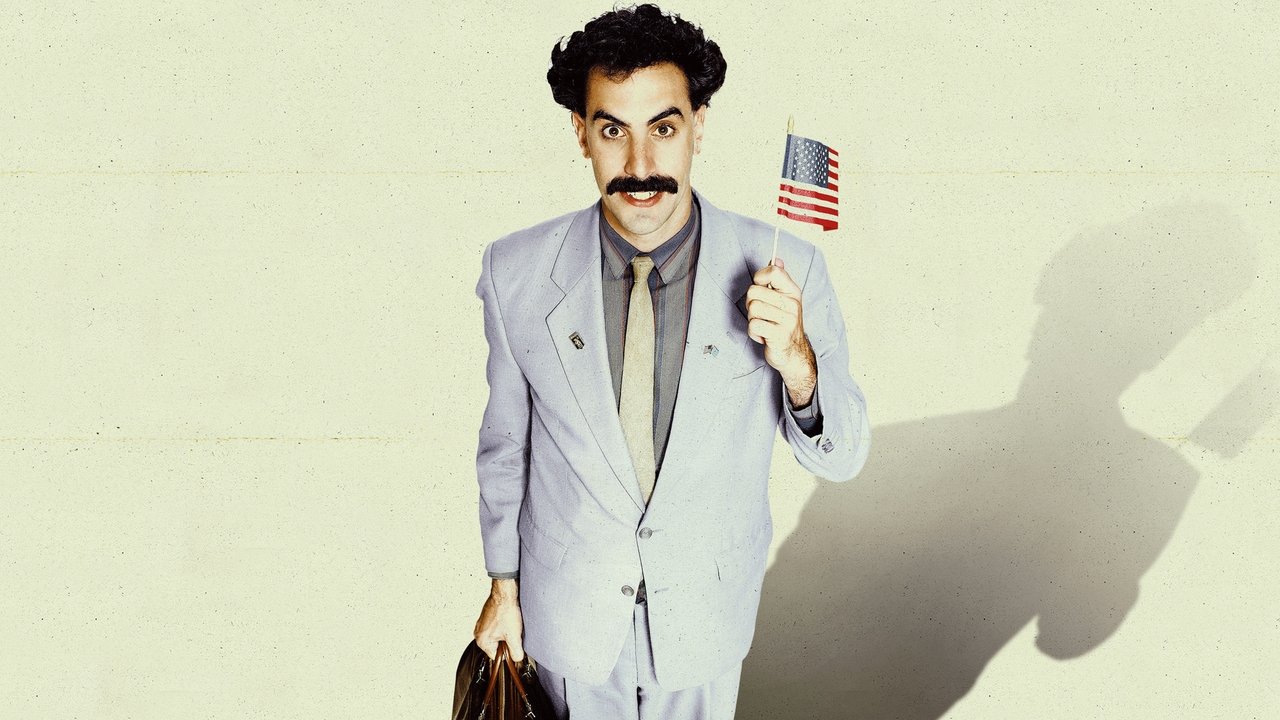
The film also captures a very specific post-9/11 anxiety. America was desperate to be seen as the "good guys" on the world stage, yet Cohen’s interactions with politicians like Bob Barr and Alan Keyes highlighted a bizarre disconnect between public rhetoric and private attitudes.
One of the more interesting retrospective notes is the impact on the real Kazakhstan. Initially, the Kazakh government was furious, running multi-page ads in the New York Times to counter Borat’s "Glorious Nation." Years later, they leaned into it, even using Borat’s "Very Nice!" catchphrase in tourism campaigns. It’s the ultimate proof that you can’t beat a good joke, so you might as well charge admission.
Borat remains a towering achievement in the genre of "uncomfortable comedy." It’s a film that demands you look away while simultaneously forcing you to acknowledge the absurdity of the world around you. Sacha Baron Cohen created a monster, and in doing so, he showed us that the funniest thing in the world is often the person standing right next to us, trying to be polite while everything falls apart. It’s a wild, offensive, and brilliant ride that earns every bit of its legendary status.
Keep Exploring...
-
Borat Subsequent Moviefilm
2020
-

Brüno
2009
-
The Dictator
2012
-

Arthur Christmas
2011
-
Scary Movie 3
2003
-
American Pie 2
2001
-

Legally Blonde
2001
-
Spy Kids
2001
-
The Princess Diaries
2001
-
About a Boy
2002
-

About Schmidt
2002
-
Chicago
2002
-
Sweet Home Alabama
2002
-
Elf
2003
-
Freaky Friday
2003
-

School of Rock
2003
-

DodgeBall: A True Underdog Story
2004
-
Mean Girls
2004
-
Sideways
2004
-
The Princess Diaries 2: Royal Engagement
2004