Brick
"The hallways are meaner than the streets."
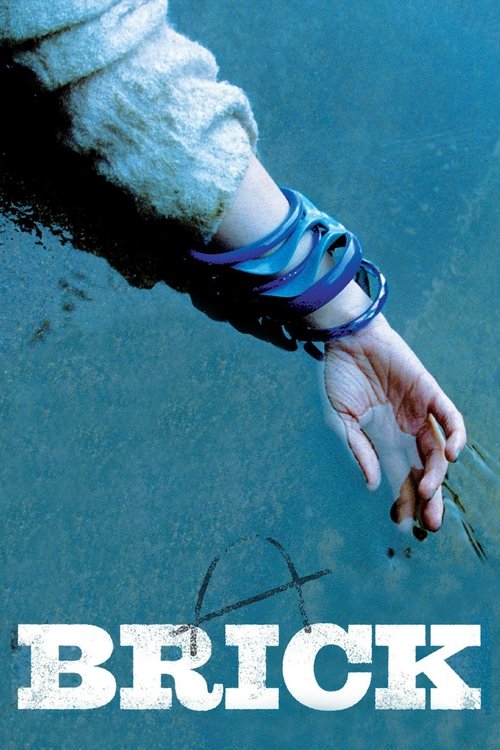
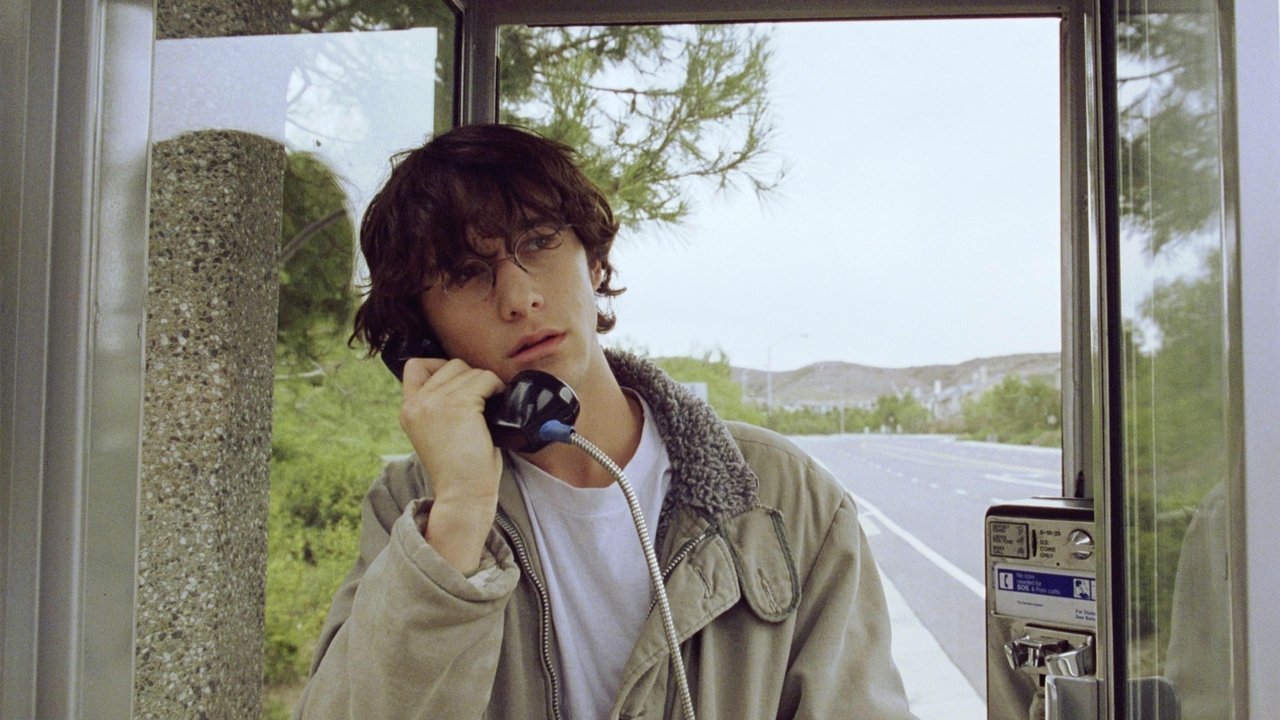
The first time I saw Brendan Frye huddled in a phone booth, listening to a frantic, coded message from his ex-girlfriend, I didn’t quite know what to make of the language. He wasn’t talking like a teenager in 2006; he was talking like a world-weary private eye who had seen too many rain-slicked alleys and empty gin bottles. But here’s the kicker: there’s no rain, no gin, and the "alleys" are just the sun-bleached corridors of a Southern California high school.
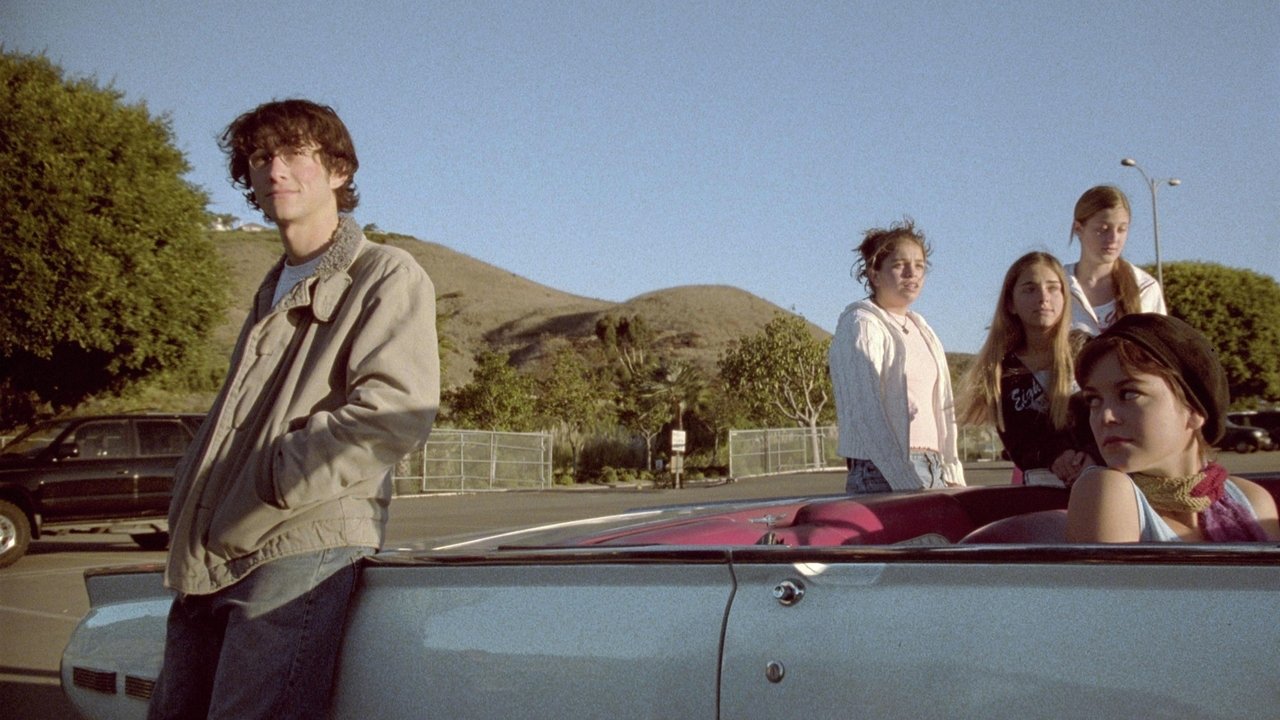
I watched this film for the first time in a cramped dorm room while my roommate was unsuccessfully trying to learn the harmonica, and somehow those discordant, wheezing notes made the whole experience feel even more jagged and right. Rian Johnson—long before he was subverting expectations in a galaxy far, far away or revitalizing the whodunnit with Knives Out—arrived on the scene with Brick, a movie so confident in its own skin that it didn't care if you needed a glossary to keep up.
Pulp Fiction Behind the Lockers
The premise sounds like a Saturday Night Live sketch: a hard-boiled noir set in high school. You expect a parody, maybe something along the lines of 21 Jump Street. Instead, Johnson plays it entirely straight. There is zero winking at the camera. When Brendan, played with a terrifying, stoic focus by Joseph Gordon-Levitt, gets into a scrap, he doesn’t trade quips; he takes a beating and keeps moving.
Joseph Gordon-Levitt was in the middle of a fascinating career pivot here. He was shaking off the "kid from 3rd Rock from the Sun" label and proving he could carry a movie with nothing but a slouch and a stare. Brendan is the only teenager in cinema history who actually looks like he hasn't slept since the Clinton administration. He navigates the social strata of the school—the athletes, the drama geeks, the dopers—not as a student, but as an investigator navigating a criminal underworld.
The dialogue is the star of the show. It’s dense, rhythmic, and highly stylized. "I've got bells that jingle, jangle, jingle," Brendan says at one point. It’s pure Dashiell Hammett. Apparently, the cast spent months rehearsing the script because Johnson wanted the delivery to be lightning-fast. He knew that if the actors hesitated for even a second, the artifice would crumble. By making them speak at a clip that would make Howard Hawks proud, he forces the audience to stop looking for the joke and start following the blood trail.
The $475,000 Miracle
Looking back at the mid-2000s, Brick stands as a monument to what you can do when you have a brilliant script and almost no money. The budget was a measly $475,000—essentially the catering budget for a Transformers sequel—and you can see the resourcefulness in every frame. Johnson couldn't afford a massive crew or expensive sets, so he shot at his own alma mater, San Clemente High School, during weekends and breaks.
The "Pin," the local drug kingpin played with creepy, frail elegance by Lukas Haas (Witness, Inception), doesn't live in a sprawling mansion. He operates out of his mom’s basement. It’s a brilliant touch that grounds the noir tropes in the mundane reality of being nineteen. There’s a scene involving a getaway car that is actually just a slow-moving van in a suburban driveway, and it’s more tense than most million-dollar car chases because the stakes feel personal.
The technical constraints actually birthed the film’s unique look. Since they couldn't afford fancy lighting rigs, cinematographer Steve Yedlin used the harsh, natural California sun to create sharp, oppressive shadows. It turns the suburban landscape into something predatory. Even the editing was a DIY affair; Johnson edited the entire film on his home computer using Final Cut Pro, which was a relatively bold move for a feature film in 2005. It gave him the freedom to toy with the pacing, creating those sudden, violent cuts that mimic the punchy prose of a pulp novel.
A Cast of Modern Archetypes
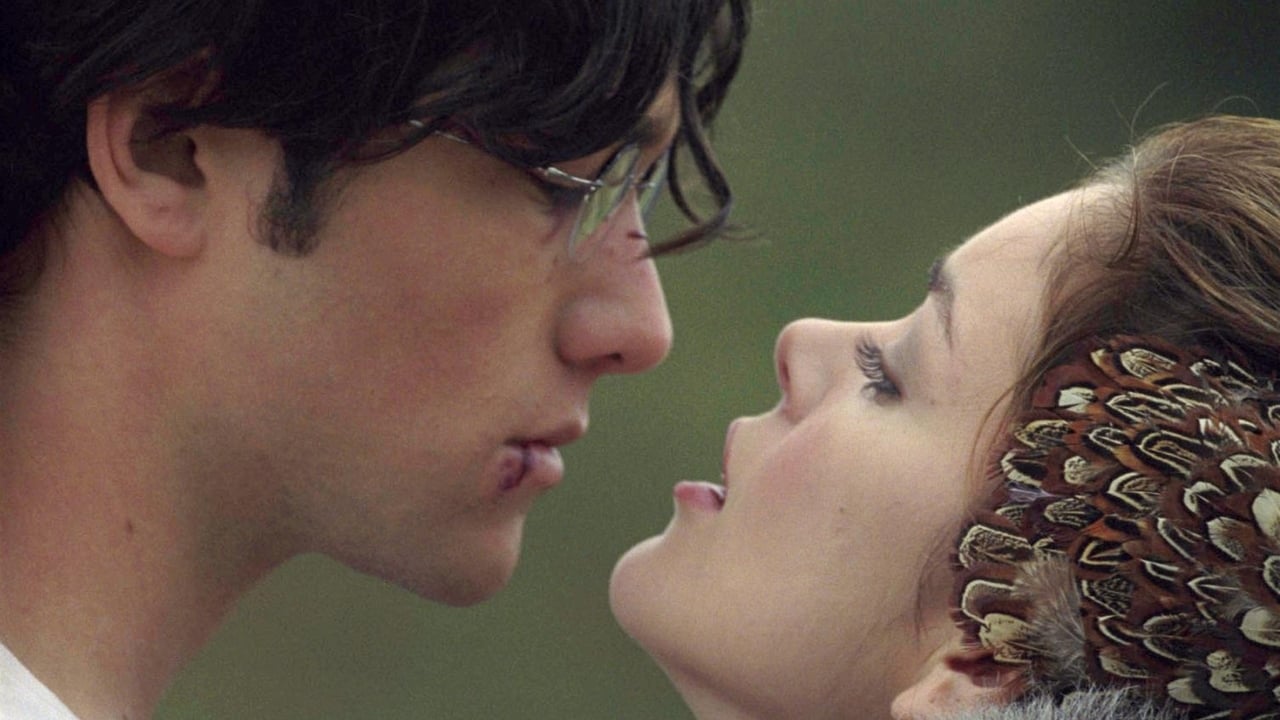
While Joseph Gordon-Levitt is the engine, the ensemble creates the world. Nora Zehetner is perfectly cast as Laura, the femme fatale who may or may not be playing Brendan for a chump. She carries that old-Hollywood glamour in a way that feels totally out of place in a high school parking lot, which is exactly why it works. Then there’s Matt O'Leary as The Brain, the quintessential "guy with the intel" who provides the exposition Brendan needs to move from A to B.
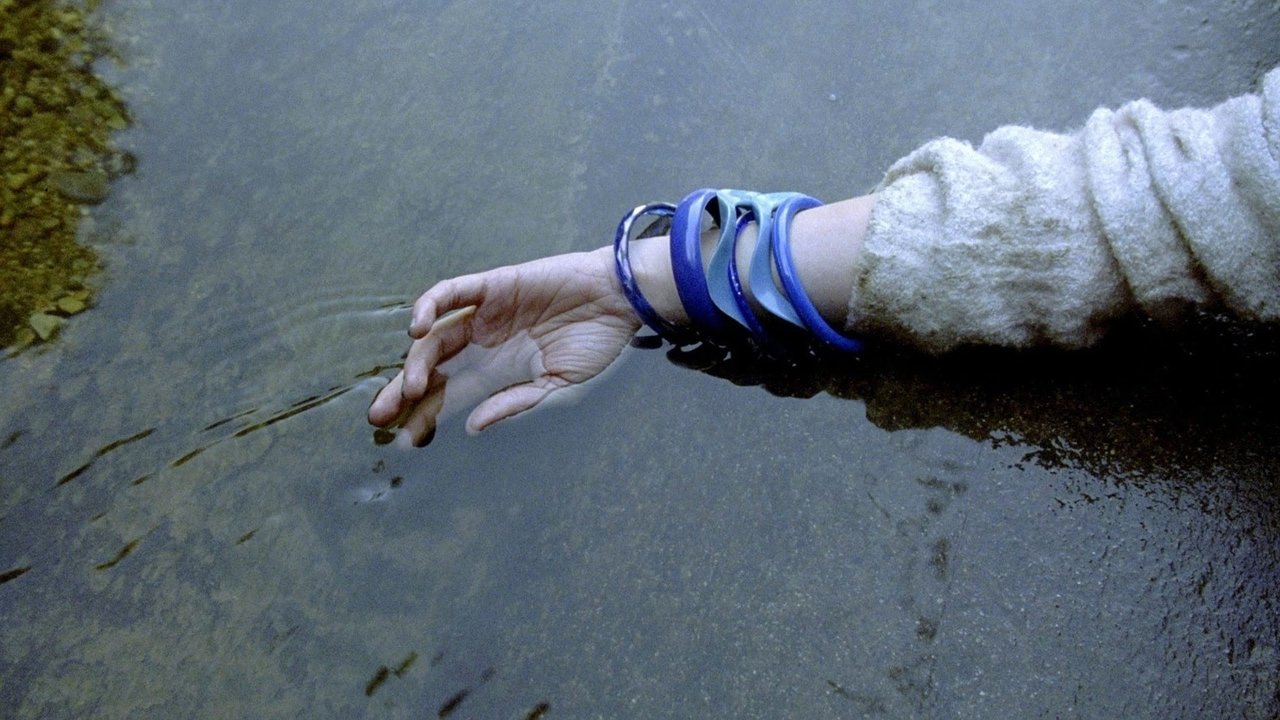
What hits me now, reassessing this nearly twenty years later, is how well it captures the isolation of that era. This is a pre-smartphone world. Information is traded via payphones and crumpled notes. It’s a movie about the weight of words and the physical reality of being in a space. There’s no easy way out for these kids; they are trapped in a social ecosystem that feels as ancient and unforgiving as a Roman colosseum. The high school setting isn't a backdrop; it’s a graveyard with lockers.
Brick didn't just launch Rian Johnson’s career; it proved that "independent film" didn't have to mean "quiet drama about people talking in kitchens." It showed that you could take a genre as dusty as 1940s noir, transplant its heart into a bunch of teenagers, and end up with something that feels more vital and dangerous than anything the big studios were churning out at the time.
It’s rare to see a debut film that is this disciplined. Every frame, every line of dialogue, and every choice by the cast serves the central conceit. It’s a cold, calculated, and brilliantly executed mystery that rewards repeat viewings—mostly because you'll finally understand what "yegg" means the second time around. If you missed this one during the mid-aughts indie boom, find a way to see it. Just leave the harmonica at home.

Keep Exploring...
-
Looper
2012
-
Donnie Darko
2001
-
Session 9
2001
-
Winter's Bone
2010
-

Mysterious Skin
2005
-
The Girl Who Played with Fire
2009
-
Buried
2010
-
Rubber
2010
-
Pi
1998
-
Don Jon
2013
-
After.Life
2009
-
Nymphomaniac: Vol. II
2013
-
Frank
2014
-
Gosford Park
2001
-
Joy Ride
2001
-
K-PAX
2001
-
The Pledge
2001
-
Signs
2002
-
Solaris
2002
-
The Bourne Identity
2002