Cars
"Life’s about the detours, not the finish line."
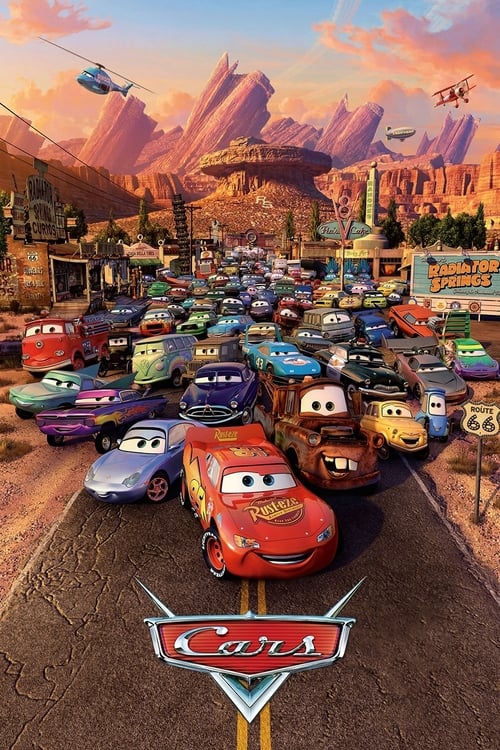
I remember the first time I saw the teaser for Cars. It was just a pair of windshields with eyes and a few "kachows" echoing over a desert landscape. At the time, I was a cynical teenager convinced that Pixar had finally run out of steam. I mean, sentient vehicles? How do they eat? Why do they have doors if no one ever goes inside them? Looking back, thinking too hard about the biology of the Cars universe is a one-way ticket to an existential crisis. But then I actually sat down to watch it on a portable DVD player during a miserable road trip through Ohio—where the only scenery was endless corn and a billboard for a "World’s Largest Basket"—and suddenly, the sleepy charm of Radiator Springs felt less like a movie and more like a destination I desperately wanted to visit.
High Octane Ambition
In 2006, Pixar was at a crossroads. They were finishing their initial contract with Disney and proving they could turn literally any concept—toys, bugs, monsters, fish, superheroes—into gold. Cars was director John Lasseter’s personal passion project, inspired by a cross-country road trip with his family. You can feel that earnestness in every frame. While the premise of a hotshot rookie racer getting stuck in a ghost town sounds like a rejected Doc Hollywood remake, the execution is pure, polished Americana.
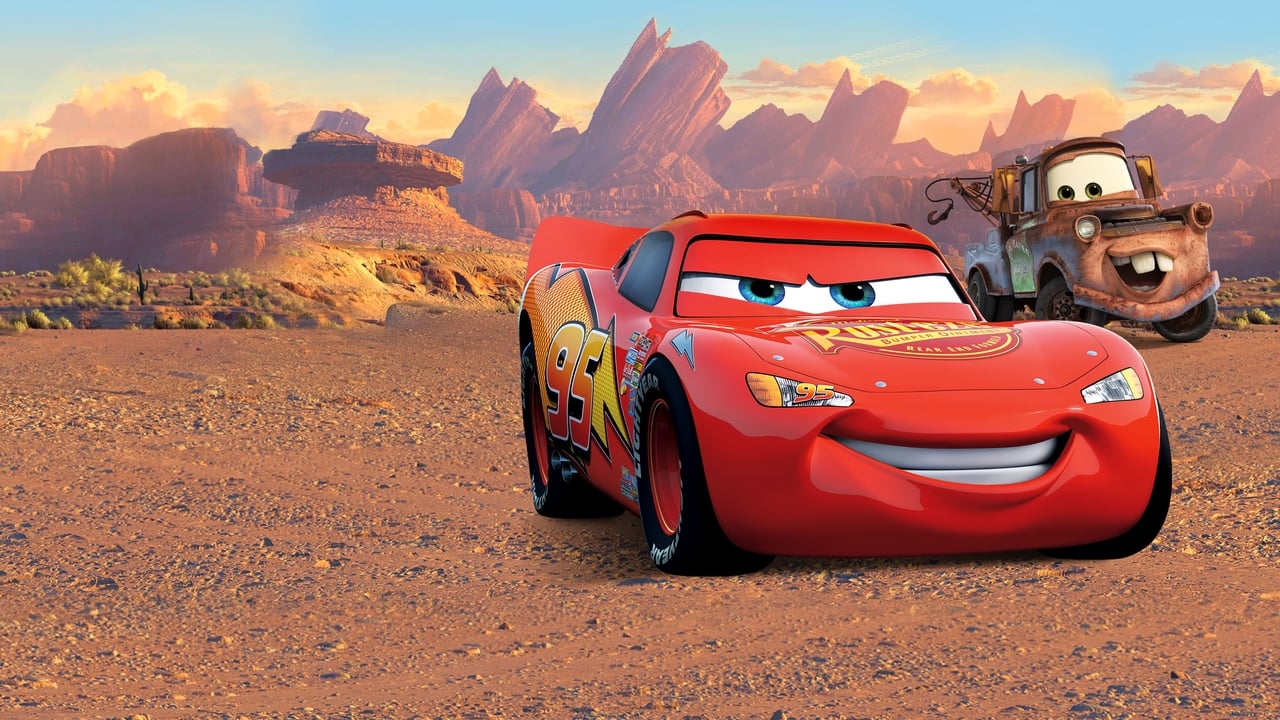
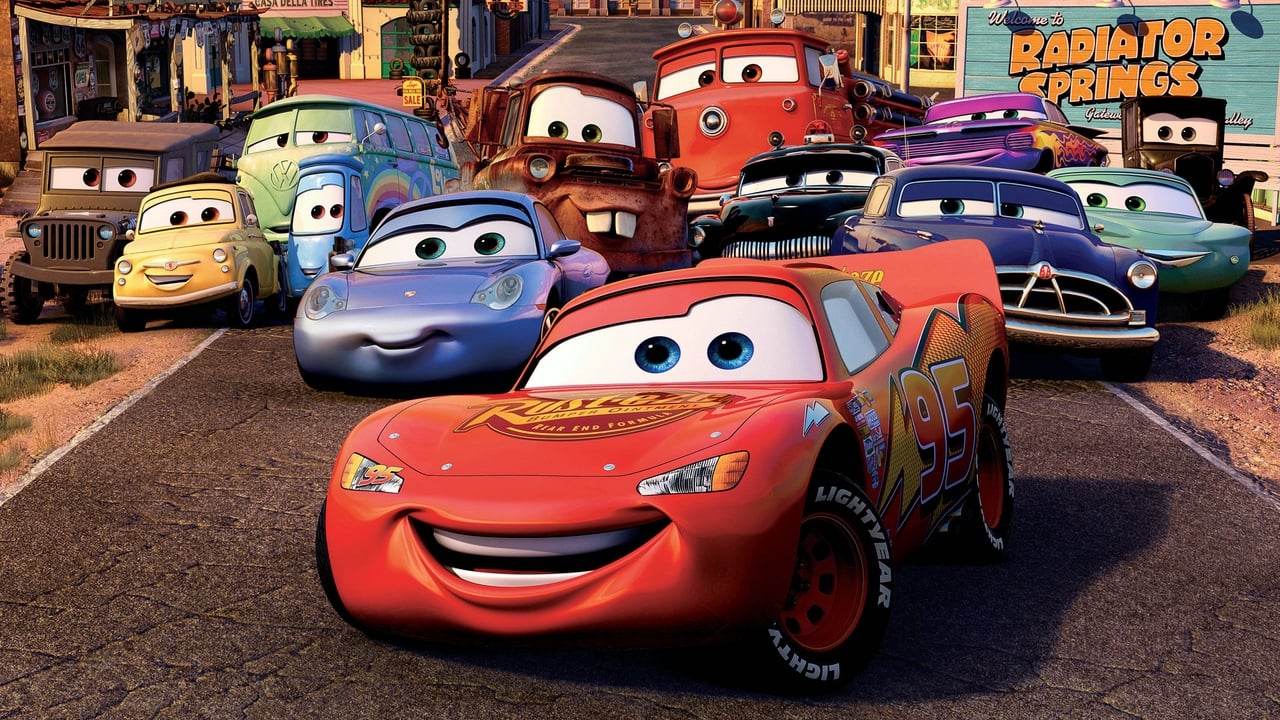
The film follows Lightning McQueen, voiced by Owen Wilson with a "wow" energy that hadn't yet become a meme. McQueen is a classic mid-2000s protagonist: arrogant, branding-obsessed, and entirely convinced that the world begins and ends at the finish line. When he accidentally tears up the main street of Radiator Springs, he’s sentenced to community service, forcing him to interact with the "rusty" locals he’d usually zoom past. It’s an adventure of the spirit rather than an epic quest, focusing on the discovery of a world that the interstate bypassed and the "civilized" world forgot.
The Hudson Hornet and the Soul of the Machine
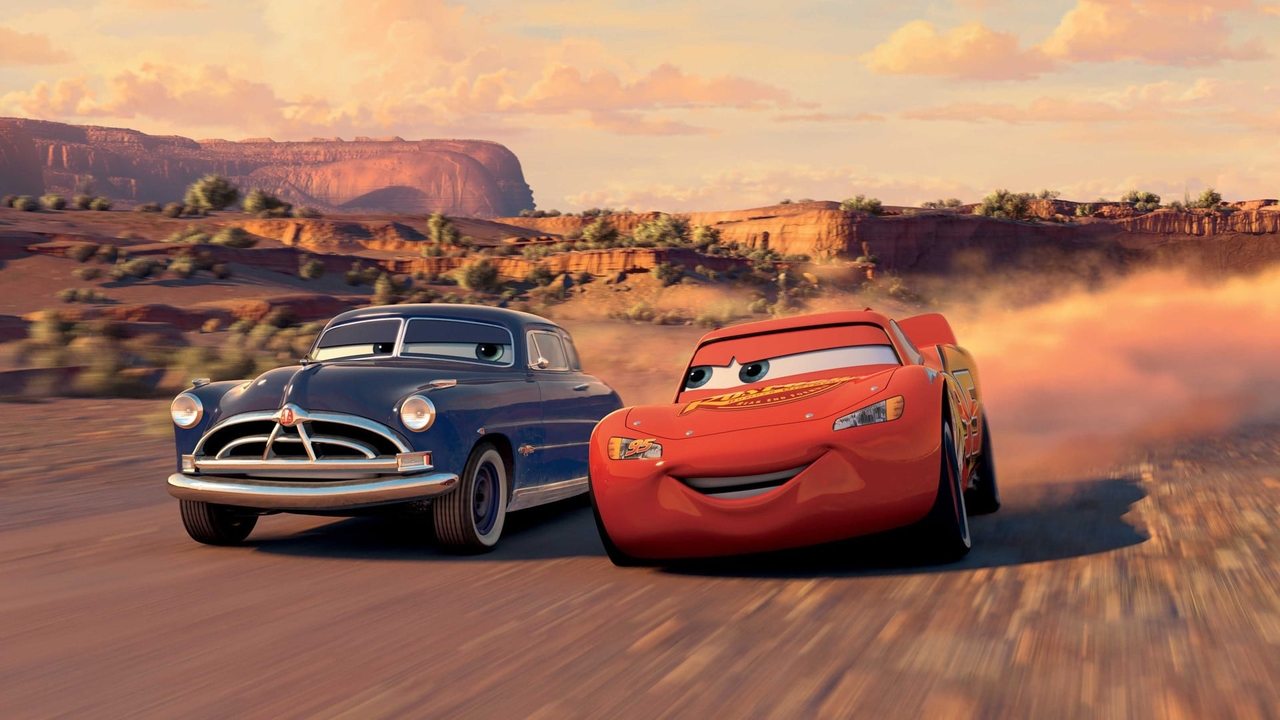
The real magic of Cars isn't the racing; it’s the quiet moments. This was the final roar of the legendary Paul Newman, who voiced Doc Hudson. Newman wasn’t just a Hollywood icon; he was a legitimate racing enthusiast in real life, and he brings a gravelly, soulful weight to the film that anchors the entire experience. Every time Doc is on screen, the movie shifts from a bright, comedic family adventure into something more contemplative—a meditation on what happens when the world decides you’re "obsolete."
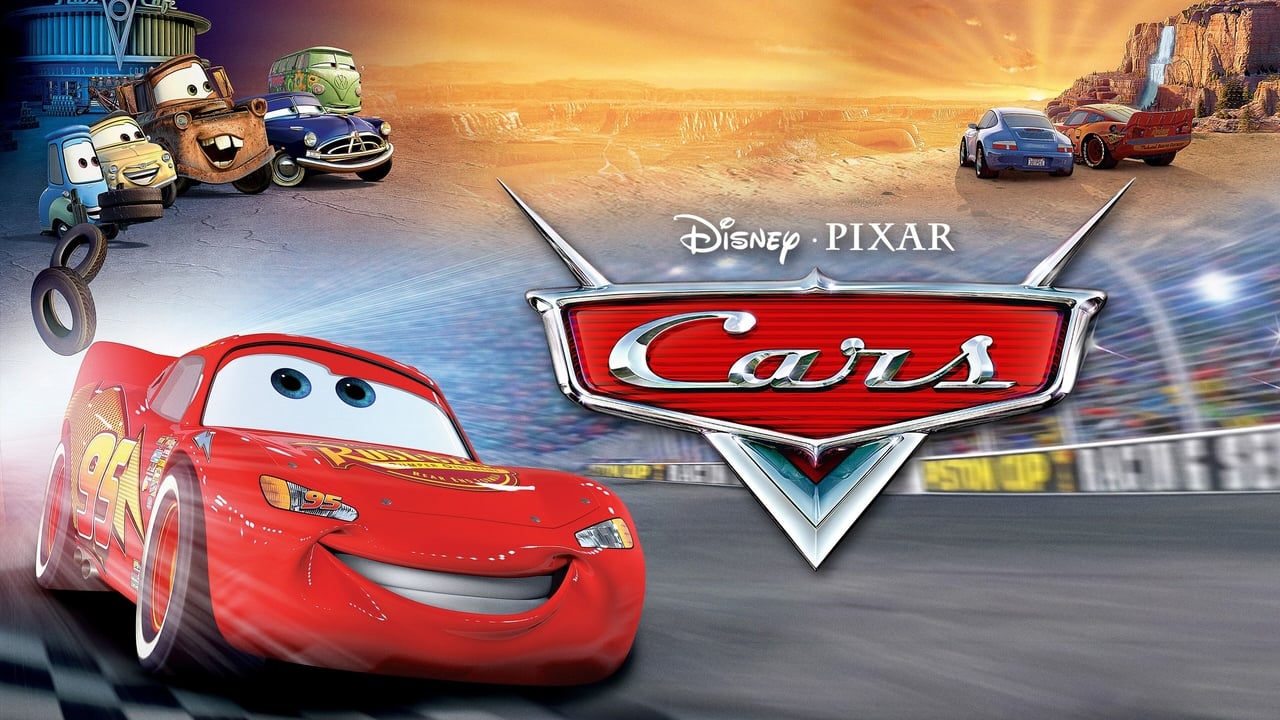
The supporting cast is a masterclass in ensemble chemistry. You have Bonnie Hunt as Sally Carrera, providing the film’s moral (and romantic) compass, and Larry the Cable Guy as Mater. Now, I know Mater eventually became the Jar Jar Binks of the franchise through overexposure, but in this original outing, he’s genuinely sweet. His "tractor tipping" sequence with McQueen remains one of Pixar’s funniest physical comedy beats. Tony Shalhoub and Michael Wallis add texture to the town, making Radiator Springs feel like a lived-in place with a history worth saving.
A Billion-Dollar Gas Tank
From a blockbuster perspective, Cars is a fascinating case study. While its $461 million box office was "modest" by Pixar standards at the time (compared to Finding Nemo or The Incredibles), its true legacy is commercial. This film didn't just sell tickets; it sold an entire lifestyle to kids. The merchandise for Cars eventually raked in over $10 billion. McQueen’s 'Kachow' became the auditory equivalent of a frat boy’s wink, plastered on everything from lunchboxes to toothbrushes.
Technically, the film was a massive leap for 2006 CGI. The production team used a technique called "ray tracing" to allow the cars' metallic surfaces to realistically reflect their environments. If you watch it today, the desert vistas of Ornament Valley still look breathtaking. The way the light hits the red rocks at sunset is a testament to the "DVD era" obsession with visual fidelity—this was the movie you used to show off your new widescreen plasma TV to the neighbors.
Stuff You Didn't Notice
One of the coolest details is how the landscape itself is "car-ified." If you look closely at the mountain ranges in the background, they aren't just rocks—they’re shaped like the tailfins of classic 1950s Cadillacs (a nod to the real-life Cadillac Ranch in Texas). The production team spent months traveling along Route 66, and many of the film's characters are based on real people they met, like the owner of the Midpoint Café or the eccentric folk at the Wigwam Motel.
Even the racing sequences have a level of authenticity rarely seen in animation. Michael Schumacher and Mario Andretti provided cameos, and the physics of the Piston Cup races feel surprisingly grounded. It captures that post-9/11 yearning for a simpler, "purer" version of the American Dream—one where people took their time and cared about the quality of the road beneath their tires.
Cars is often unfairly maligned because its sequels leaned so heavily into the "toy commercial" aspect of the brand. But taken on its own, the original film is a beautiful, lighthearted adventure about the value of slowing down. It balances high-speed spectacle with a genuinely moving story about mentorship and community. It’s a film that knows exactly what it is: a warm, nostalgic hug for anyone who’s ever felt like the world was moving just a little too fast.
Keep Exploring...
-
Cars 2
2011
-
Cars 3
2017
-

A Bug's Life
1998
-
Toy Story
1995
-

Toy Story 2
1999
-
Shrek
2001
-

Ice Age
2002
-
Shrek 2
2004
-

Madagascar
2005
-

Ice Age: The Meltdown
2006
-
Shrek the Third
2007
-

Bolt
2008
-
Horton Hears a Who!
2008
-
Kung Fu Panda
2008
-
Madagascar: Escape 2 Africa
2008
-

Ice Age: Dawn of the Dinosaurs
2009
-

Up
2009
-

Puss in Boots
2011
-
Rio
2011
-

The SpongeBob SquarePants Movie
2004