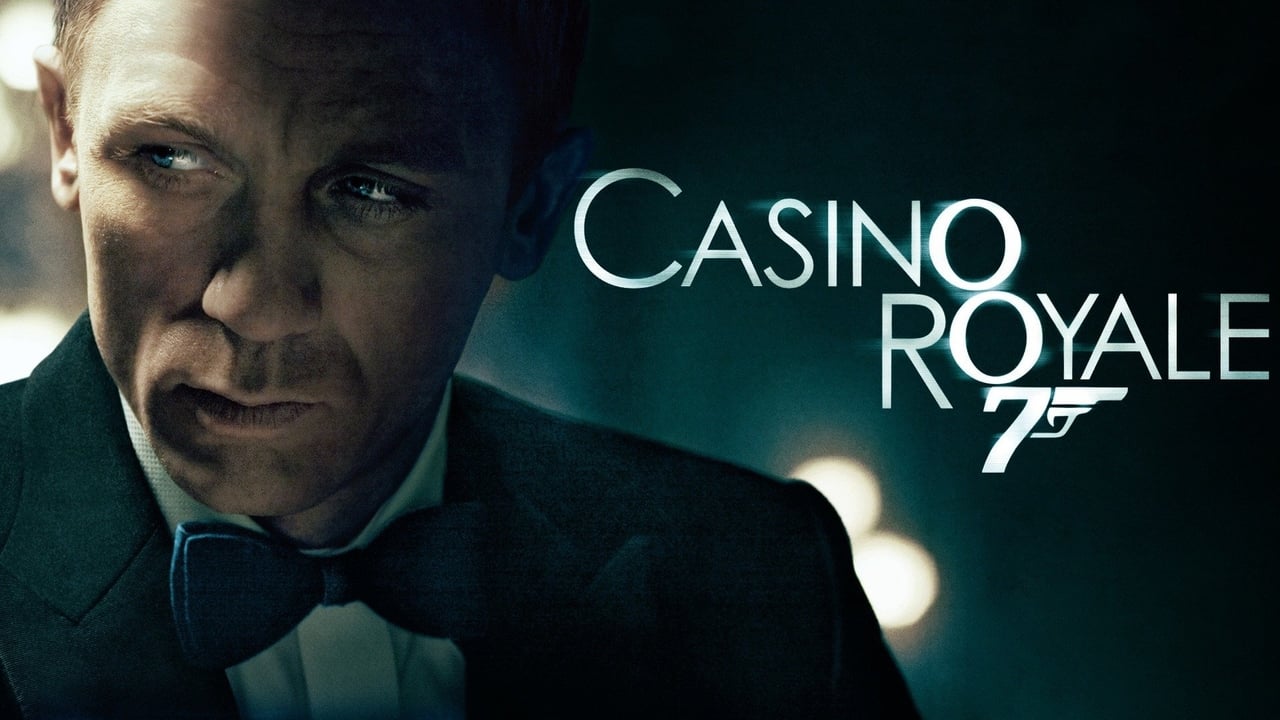
Casino Royale
"A blunt instrument finds its sharpest edge."
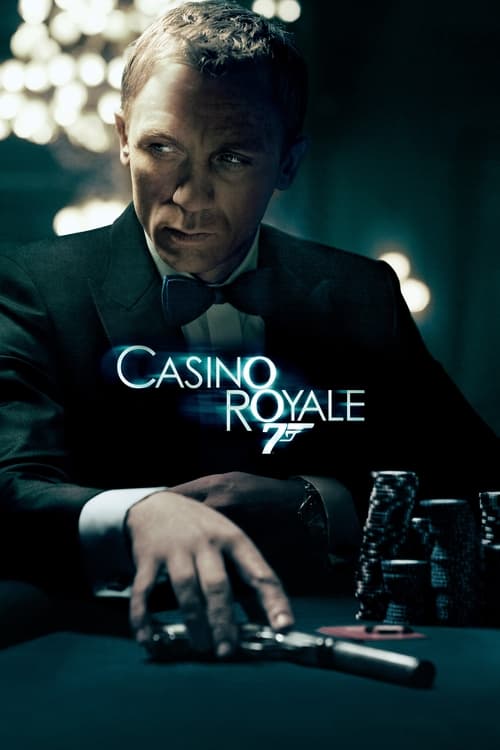
The first time I saw the black-and-white opening of Casino Royale, I knew the era of invisible cars and surfing on tidal waves was dead. I watched this particular viewing on a DVD I borrowed from a neighbor who never asked for it back, and there’s still a faint smell of vanilla candle on the case that somehow makes the movie feel even more domestic and grounded. It’s a strange sensory pairing for a film that opens with a man being drowned in a sink, but that’s the magic of the 2006 reboot—it brought James Bond into the real, messy world.

The Blunt Instrument
When Daniel Craig was first announced as the new 007, the internet (which was a much crankier, more primitive place in 2005) revolted. He was too blonde. He was too rugged. He looked more like a guy who would fix your radiator than a guy who would sip a martini in a tuxedo. But within the first ten minutes of director Martin Campbell’s masterpiece, Craig shut everyone up.
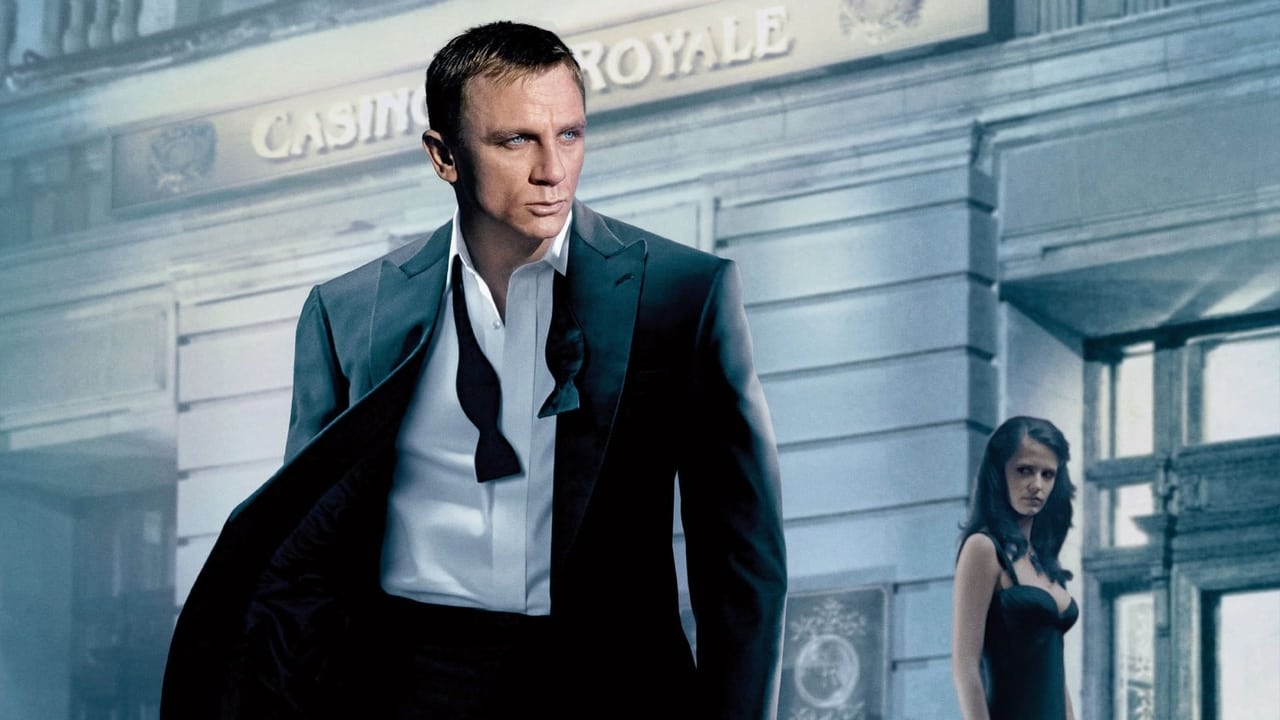
This isn't the polished, untouchable Bond of the 90s. This is a Bond who gets his suits dirty, who bleeds through his shirt, and who makes mistakes. Looking back from a world saturated by the MCU’s quippy invincibility, there’s something genuinely shocking about how much punishment Craig takes. He’s a "blunt instrument," as Judi Dench’s M so cuttingly puts it. Her return was a stroke of genius; she provides the only tether to the old world while acting as the disappointed mother figure to this new, unruly child of British Intelligence.
The action reflects this shift perfectly. The opening parkour chase in Madagascar, featuring the incredible Sebastien Foucan, is a masterclass in character-driven stunts. While the villainous bomber leaps through construction sites with the grace of an Olympic gymnast, Bond simply smashes through drywall like a human wrecking ball. It’s not just a chase; it’s a statement of intent.
A Game of High Stakes and Heavy Hearts
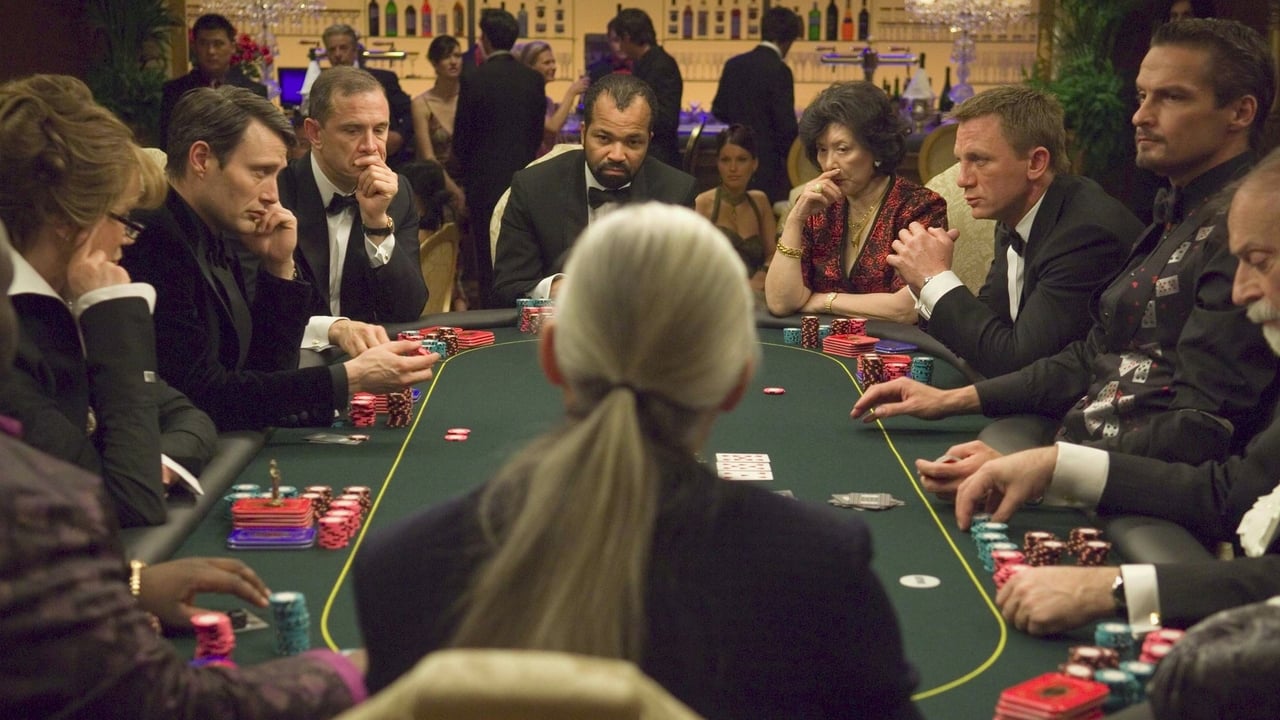
The middle act of the film shifts gears into a high-stakes poker game in Montenegro, and it’s a testament to the script by Paul Haggis and Robert Wade that a bunch of guys sitting around a table is just as tense as a building collapsing in Venice. Much of that tension is fueled by Mads Mikkelsen as Le Chiffre. Before he was Hannibal or a Marvel villain, he was the man with the bleeding eye, a banker to terrorists who feels genuinely desperate. He’s not trying to take over the world; he’s just trying to win his money back so he doesn't get murdered. That smaller, more personal scale makes the stakes feel massive.
Then there is Eva Green as Vesper Lynd. I’ll go on the record and say Vesper is the only person in the entire franchise who actually feels like a human being rather than a trophy. Her chemistry with Craig is electric because it’s built on intellectual sparring, not just suggestive glances. When they sit in the shower together after a brutal fight, fully clothed and trembling, the movie stops being a "spy flick" and becomes a genuine drama about the toll of violence. It’s a dark, quiet moment that anchors the rest of the chaos.
Practicality in a Digital Age
One of the reasons Casino Royale holds up so much better than its 2000s peers is the commitment to practical effects. This was an era where everyone was leaning into CGI (looking at you, Die Another Day), but Martin Campbell went the other way.
The famous scene where the Aston Martin DBS flips seven times—a Guinness World Record for the most barrel rolls in a car—wasn't done with a computer. They actually used a compressed-air cannon to launch the car. You can feel the weight of the metal hitting the pavement. It’s that physical reality that gives the film its grit. Even the final sequence in Venice, involving a sinking palazzo, used a massive hydraulic rig that weighed 90 tons. You can’t fake the way water rushes into a room with that kind of force.
By the time the credits roll, the film has effectively dismantled everything we thought we knew about Bond. He’s been tortured (that chair scene still makes me winced), he’s been heartbroken, and he’s been betrayed. The poker game is actually more exciting than most of the explosions, and that is perhaps the film's greatest achievement. It proved that 007 didn't need gadgets to be relevant; he just needed a soul and a very high pain threshold.
Casino Royale wasn't just a successful reboot; it was a rescue mission for a dying icon. It captured the post-9/11 anxiety of the mid-2000s, trading camp for consequence and puns for pathos. It remains the gold standard for how to reinvent a franchise without losing its DNA. If you haven't revisited it lately, do yourself a favor: skip the martini and just let the bone-crunching reality of this film remind you why we fell in love with Bond in the first place.
Keep Exploring...
-

Skyfall
2012
-
GoldenEye
1995
-
Quantum of Solace
2008
-
No Time to Die
2021
-
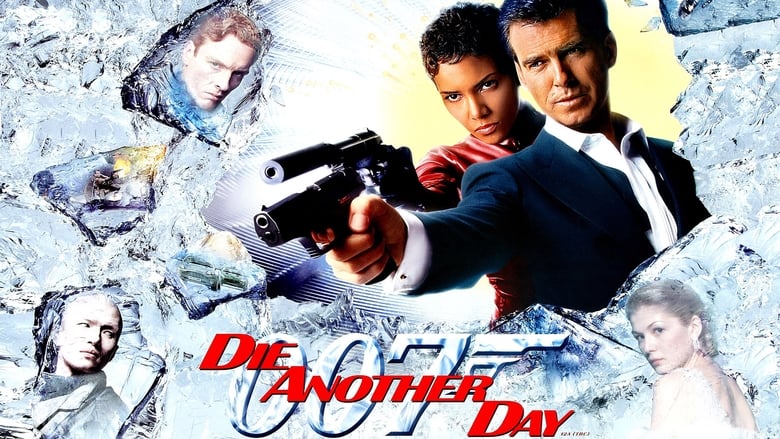
Die Another Day
2002
-
Tomorrow Never Dies
1997
-

Goldfinger
1964
-
Spectre
2015
-
From Russia with Love
1963
-
Thunderball
1965
-
You Only Live Twice
1967
-
The Spy Who Loved Me
1977
-

The World Is Not Enough
1999
-
Dr. No
1962
-
Live and Let Die
1973
-
Moonraker
1979
-
For Your Eyes Only
1981
-
Never Say Never Again
1983
-
Octopussy
1983
-
The Living Daylights
1987