Children of Men
"The future is a dead end."
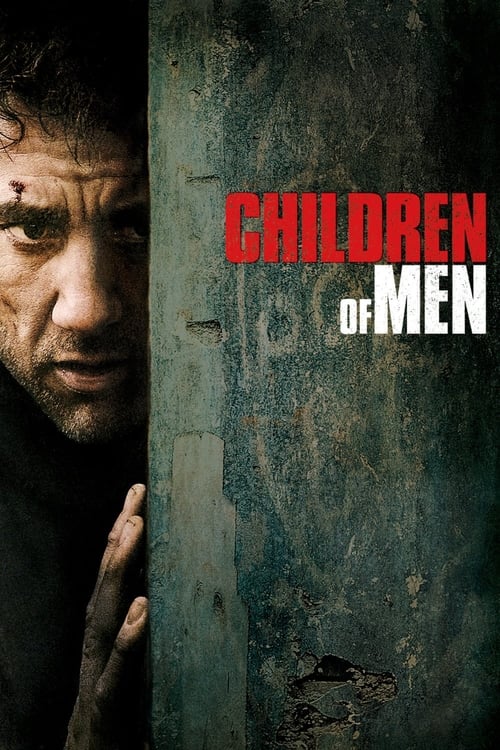
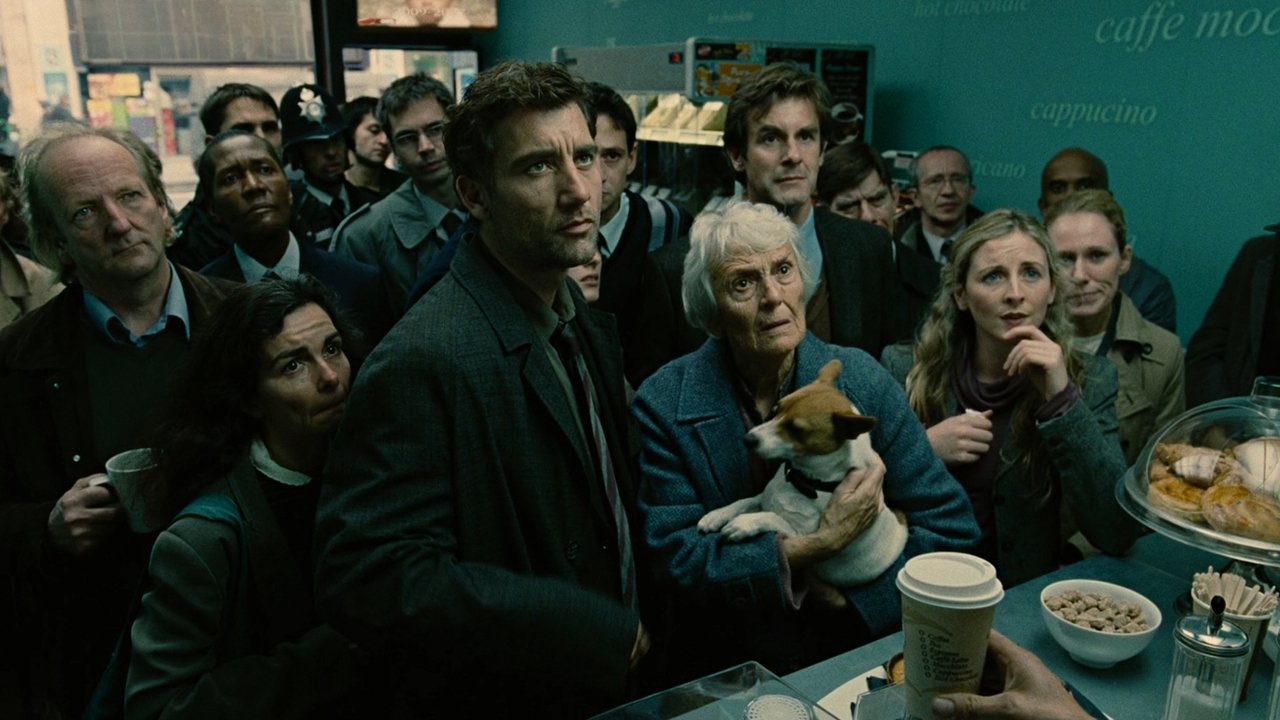
The first shot of Children of Men isn't a sweeping vista of a ruined city or a scrolling wall of text explaining how the world broke. It’s a guy getting a coffee. Clive Owen, looking like he hasn't slept since the late nineties, stands in a drab London cafe watching a news report about the death of the world’s youngest person—an eighteen-year-old celebrity. He walks out, pours a hit of booze into his cup, and three seconds later, the cafe vanishes in a fireball.
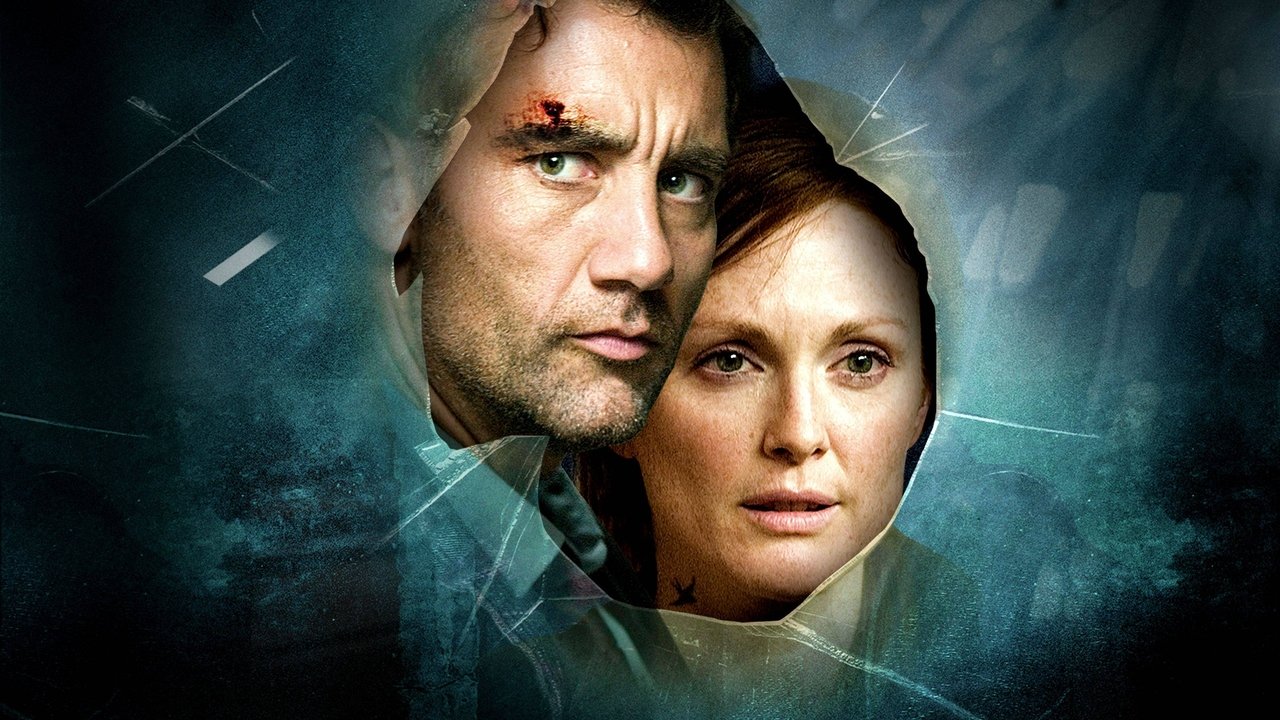
This is 2006’s version of the apocalypse: it’s loud, it’s sudden, and it’s deeply, annoyingly bureaucratic. While other sci-fi films of the era were obsessed with the slick, green-tinted digital "perfection" of The Matrix or the clean white halls of The Island, Alfonso Cuarón decided to make the end of the world look like a wet Tuesday in a bus station. It’s a film where the apocalypse isn't a single event, but a slow, grinding exhaustion of the soul.
The Physics of Despair
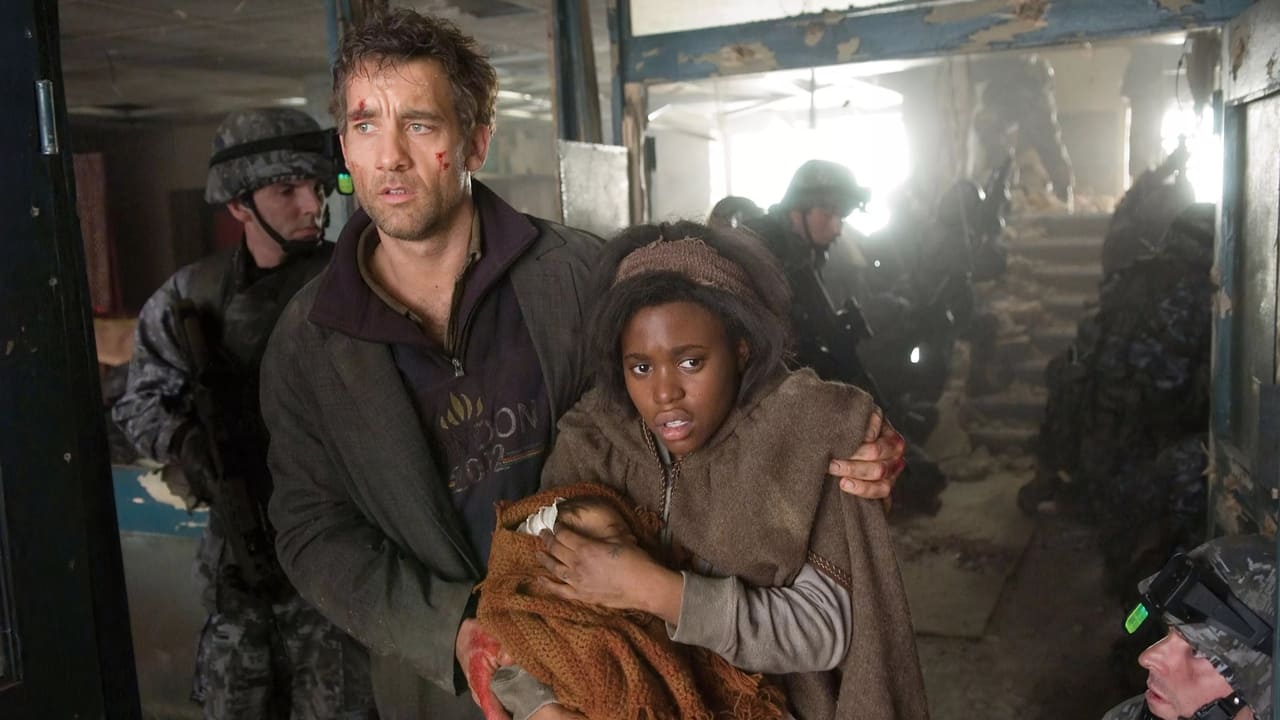
What struck me most watching this again—while eating a bowl of slightly burnt microwave popcorn that I’m convinced tasted like the year 2027—is how much weight everything has. In a decade where CGI was starting to make action feel floaty and weightless, Cuarón and cinematographer Emmanuel Lubezki (who did The Revenant and Birdman) went the opposite direction. They used long, unbroken "oners" that make you feel trapped in the room.
When a car is attacked by a mob in the woods, the camera doesn't cut away to show you the cool stunts. It stays inside the vehicle. You see the panic on Julianne Moore’s face, you hear the thud of the rocks against the glass, and you feel the genuine, stumbling chaos of a getaway that isn't going well. Clive Owen’s best performance is one where he basically refuses to be an action hero. He’s a guy who spends a significant portion of the climax running through a literal war zone while wearing Birkenstocks. He’s not John Wick; he’s a tired activist who just wants a cigarette and a reason to give a damn.
A Dirty Future That Feels Like Today
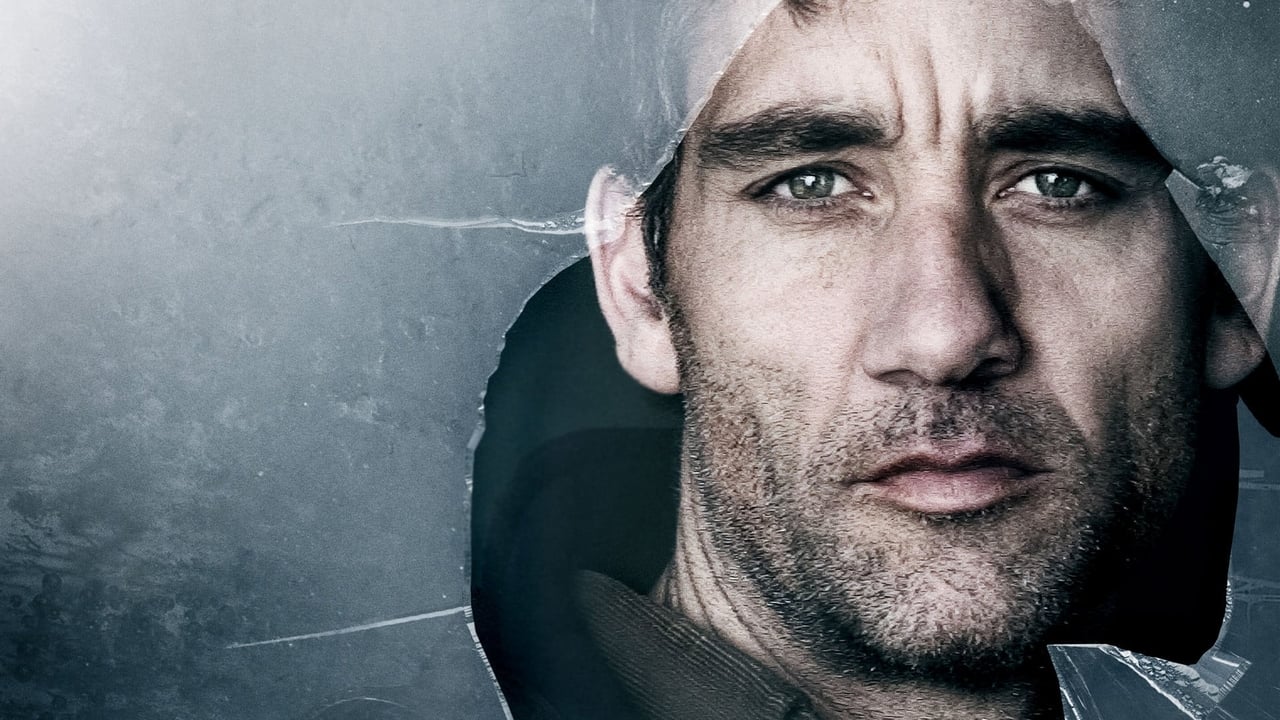
The mid-2000s were a weird time for cinema. We were knee-deep in post-9/11 anxiety, and Children of Men captured that mood better than almost anything else. It’s a movie about borders, cages, and a government that has given up on solving problems and started focusing on managing the decline. Looking back, it’s eerie how little of the "future" technology looks dated. There are no flying cars. Instead, there are just more ads, more trash, and more cages.
The supporting cast is doing incredible work here. Michael Caine pops up as Jasper, a retired political cartoonist living in the woods, listening to prog-rock and growing high-grade weed. He’s the heart of the film, providing a flicker of 1960s idealism in a world that has curdled. Then there’s Chiwetel Ejiofor as Luke, a man whose righteous anger has turned into something much more dangerous. They all feel like real people with histories, which makes it all the more painful when the film’s relentless pacing starts picking them off.
From Box Office Bomb to Cultural Titan
It’s hard to believe now, but Children of Men was a massive financial failure when it hit theaters. It cost $76 million and didn't even make that back globally. Universal had no idea how to sell it. Was it an action movie? A political thriller? A religious allegory? It turns out it was all three, but in 2006, audiences weren't exactly lining up for a "dark, intense journey through a childless wasteland" during the Christmas season.
The film found its life on DVD, where the behind-the-scenes features revealed the sheer insanity of the production. My favorite bit of trivia involves the final, harrowing six-minute battle sequence. During the shoot, some fake blood splattered onto the camera lens. Ordinarily, a director would scream "cut," but Cuarón kept the cameras rolling, and that smudge of blood stays on the lens for the rest of the scene. It’s a happy accident that makes the whole thing feel like a documentary filmed by a ghost.
Other cool details for the eagle-eyed: Jasper’s house is filled with actual political cartoons from the era, and the massive Battersea Power Station seen in the film is a direct nod to the cover of Pink Floyd's Animals—complete with a floating pig. Alfonso Cuarón didn't just build a set; he built a world that felt like it had been rotting for twenty years before the cameras even started turning.
In the years since its release, this movie has only grown in stature. It’s the rare "Modern Classic" that actually earns the title because it feels more relevant every time I revisit it. It doesn't offer easy answers or a magical fix for the world's problems. Instead, it offers a tiny, flickering candle of hope in a very dark room and asks if you’re brave enough to keep it from blowing out. If you’ve only ever seen clips of the famous car scene on YouTube, sit down and watch the whole thing. It’s an experience that leaves you breathless, bruised, and somehow, oddly encouraged. ###
The movie ends not with a triumphant fanfare, but with the sound of children playing over a black screen. It’s a haunting, perfect final note for a story that spends two hours dragging you through the mud just to show you the stars. By the time the credits rolled, I realized my popcorn had gone completely cold, but I didn't mind. Some movies are meant to be chewed on long after the screen goes dark.
Keep Exploring...
-
Gravity
2013
-
Rise of the Planet of the Apes
2011
-
Serenity
2005
-
Man on Fire
2004
-
Munich
2005
-
Blood Diamond
2006
-

V for Vendetta
2006
-
Shooter
2007
-
Dawn of the Planet of the Apes
2014
-
Equilibrium
2002
-
The Dark Knight
2008
-

Starship Troopers
1997
-

Enemy of the State
1998
-

The Negotiator
1998
-

The Dark Knight Rises
2012
-
Déjà Vu
2006
-
Body of Lies
2008
-
Minority Report
2002
-
The Bourne Identity
2002
-

The Matrix Reloaded
2003