Clerks II
"Thirty-something, still serving, and still talking trash."
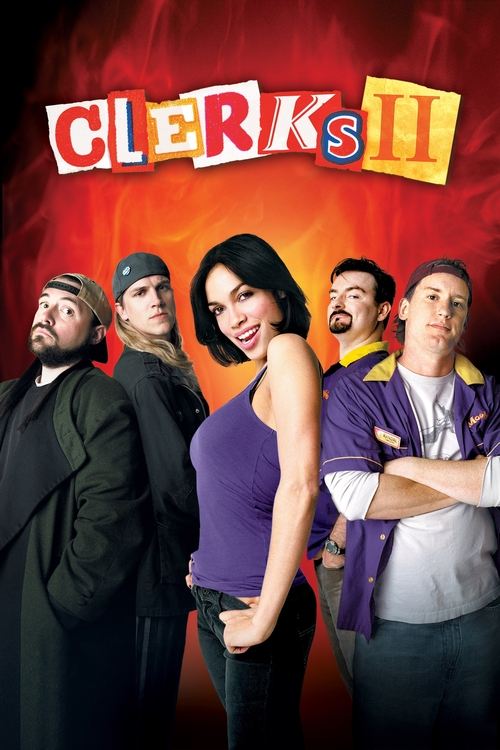
I distinctly remember watching the DVD of this movie on a portable player during a massive summer power outage, eating a lukewarm "healthy" granola bar that tasted like compressed sawdust. It was probably the perfect atmosphere for Clerks II. There is something inherently "room temperature" about the lives of Dante and Randal—they aren't soaring successes, and they aren’t tragic failures; they’re just stuck in the middle, bickering about pop culture while the world passes them by.
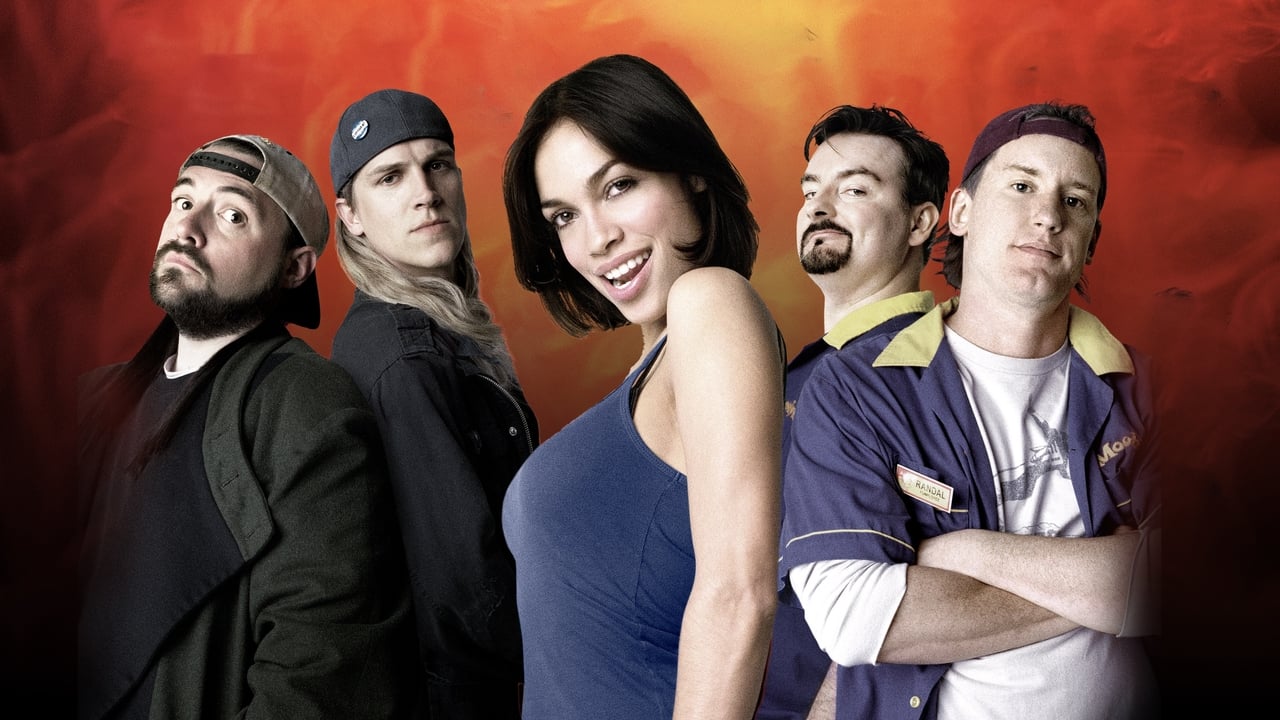
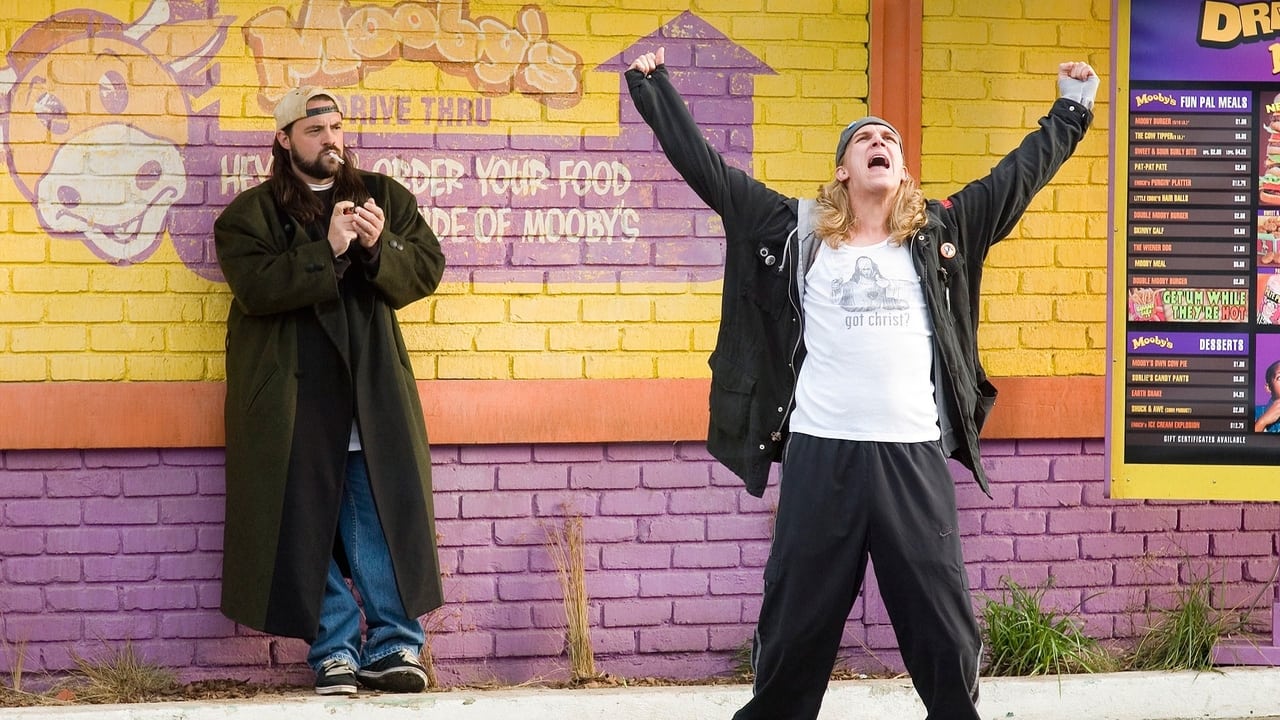
When Kevin Smith announced he was returning to the Quick Stop well in 2006, the skepticism was loud. The 1994 original was the holy grail of lo-fi indie filmmaking, a black-and-white lightning bolt that defined the "slacker" generation. By 2006, Smith was coming off the bruised ego of Jersey Girl and the "Bennifer" fallout. Moving the action from a convenience store to a fictional fast-food joint called Mooby’s felt like a gamble. Could the Gen-X icons of the 90s survive the glossy, digital, post-9/11 landscape of the mid-2000s without losing their cynical souls?
The Art of Growing Up (Sort Of)
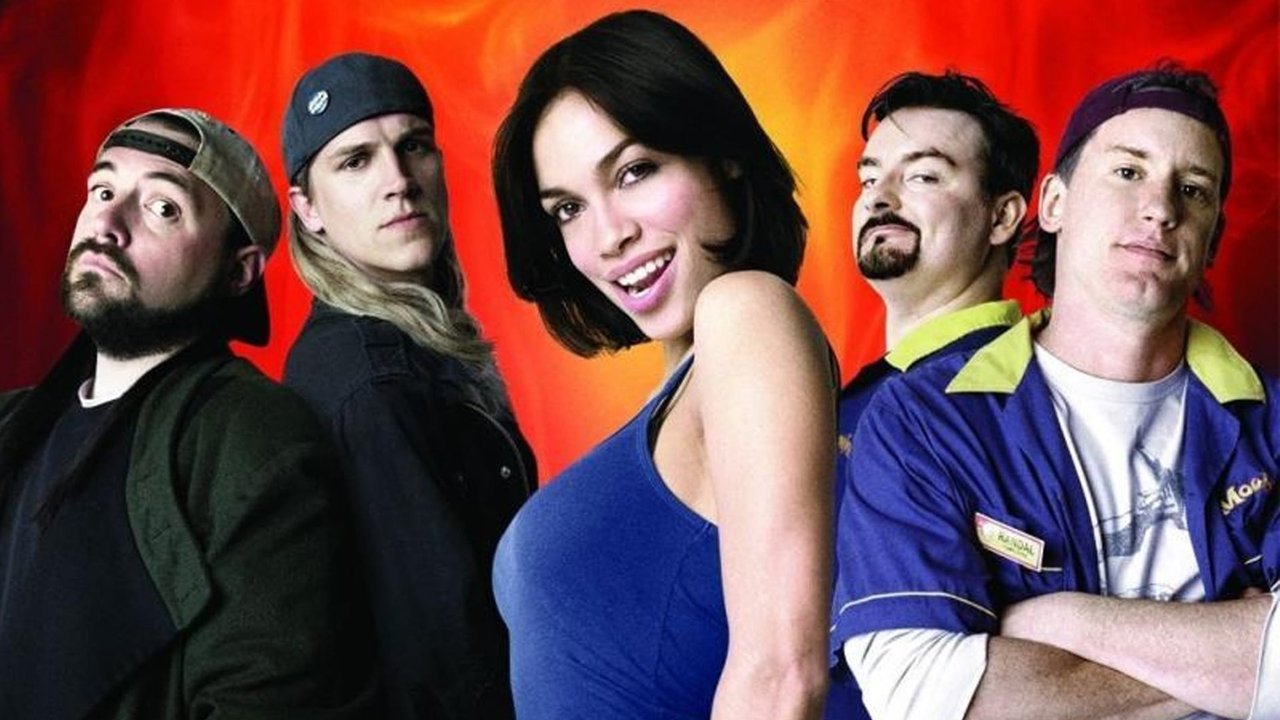
The genius of Clerks II is that it doesn’t try to pretend the last twelve years didn't happen. Brian O'Halloran returns as Dante Hicks, still the eternal martyr of the service industry, and Jeff Anderson is back as Randal Graves, the man who turned "customer service" into a blood sport. They’re in their thirties now, and the movie captures that specific anxiety of realizing your "temporary" job has become your career.
While the first film was about the aimlessness of your twenties, this one is about the terrifying realization that you might actually have to make a choice. Dante is planning to move to Florida to start a "real" life with his fiancée, Emma (played by Jennifer Schwalbach Smith), leaving behind his toxic but comfortable friendship with Randal. The film’s secret weapon is that it’s secretly a romantic comedy between two heterosexual men who express love exclusively through insults. Watching them navigate their impending "breakup" is surprisingly moving, even when the dialogue is peppered with the kind of crude, rapid-fire filth that only Smith can write.
The Rosario Dawson Factor
If the movie only relied on Dante and Randal’s bickering, it might have felt like a retread. Enter Rosario Dawson as Becky, the manager of Mooby’s. Dawson doesn't just show up; she saves the movie from its own cynicism. She has this effortless, radiant energy that grounds the absurdist humor. The rooftop dance scene where she teaches Dante how to move to Jackson 5’s "ABC" is a genuine highlight. It’s a moment of pure cinematic joy that feels earned, breaking up the "donkey show" jokes with a bit of genuine heart.
Speaking of "donkey shows," we have to talk about the humor. This was the peak of the "R-rated comedy" revival of the mid-2000s, sitting right alongside the Apatow revolution. Smith pushes the envelope here in ways that feel very 2006—there are debates about "porch monkeys" and "interspecies erotica" that would probably result in a tactical strike from a PR firm today. Looking back, some of it is definitely "of its time," but it works because the characters are so clearly defined. Randal isn't being malicious; he’s being an idiot who lives in a bubble of his own making.
The DVD Era and the "Back to the Well" Vibe
One thing I miss about this specific era of cinema is the DVD culture. Clerks II was released when "Special Features" were a massive deal. I remember spending hours watching the Back to the Well documentary on the second disc, which chronicled the entire production. It gave you this sense of community—like you were part of the View Askew crew. Smith was one of the first directors to really use the internet to build a direct relationship with his fans, and this movie feels like a "thank you" to everyone who stuck around after the 90s.
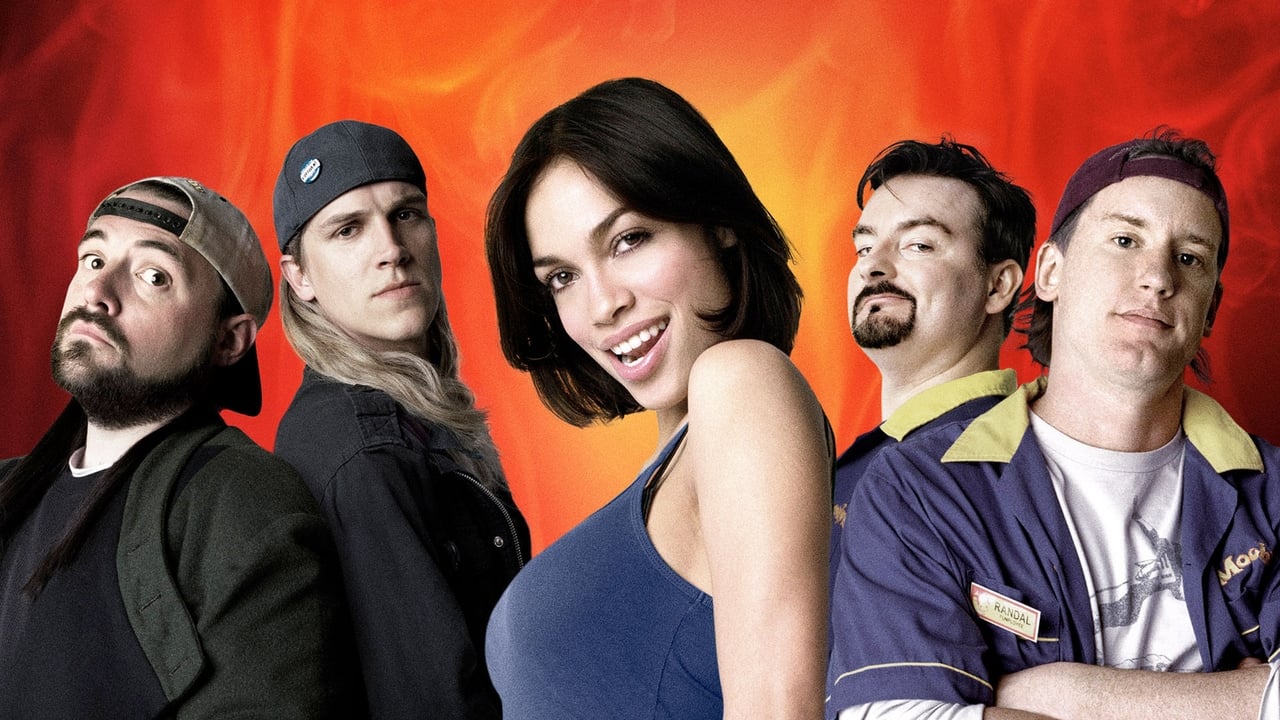
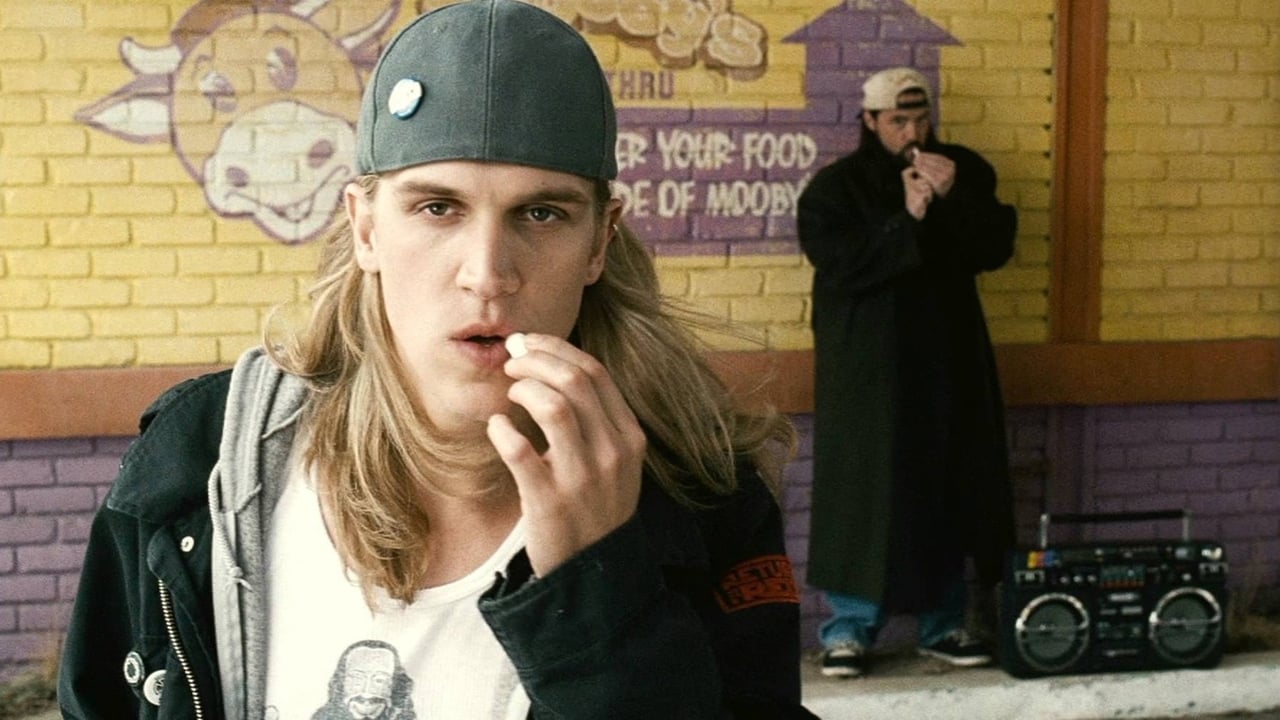
The film also captures the legendary "Star Wars vs. Lord of the Rings" debate, a quintessential 2000s nerd culture moment. Watching Randal dismantle the Return of the King ending is a masterclass in comedic timing. Jeff Anderson delivers lines with a rhythmic precision that makes the most offensive sentences sound like Shakespearean soliloquies. Even Jason Mewes and Kevin Smith as Jay and Silent Bob feel more integrated here; they’ve evolved from street-corner drug dealers to something resembling guardian angels in baggy clothes (who still occasionally do "the tuck" dance).
Ultimately, Clerks II is that rare sequel that matches, and in some ways surpasses, the emotional weight of the original. It trades the gritty realism of the first film for a more colorful, cinematic, and sentimental approach, but it never loses its edge. It’s a movie for anyone who’s ever felt like they were running in place while the rest of the world sprinted toward a finish line they didn't want to reach.
The transition from the opening black-and-white scene to the vivid colors of Mooby's serves as a perfect metaphor for the franchise's evolution. It's a foul-mouthed, big-hearted look at the terror of middle age and the beauty of having a best friend to be miserable with. Even if you aren't a fan of "interspecies erotica," you'll find it hard not to root for these two losers as they finally decide to own their own lives. It’s the kind of movie that makes you want to quit your corporate job and go hang out at a convenience store—just for the conversation.
Keep Exploring...
-

Clerks
1994
-
Jay and Silent Bob Strike Back
2001
-

Mallrats
1995
-
Jersey Girl
2004
-
Chasing Amy
1997
-

Zack and Miri Make a Porno
2008
-
Dogma
1999
-
Cop Out
2010
-

Red State
2011
-

Heartbreakers
2001
-
TMNT
2007
-
Tusk
2014
-
How High
2001
-
Jimmy Neutron: Boy Genius
2001
-
Kate & Leopold
2001
-

The Wedding Planner
2001
-
Wet Hot American Summer
2001
-
Confessions of a Dangerous Mind
2002
-
S1m0ne
2002
-
11:14
2003