Déjà Vu
"To catch a killer, he has to look back."
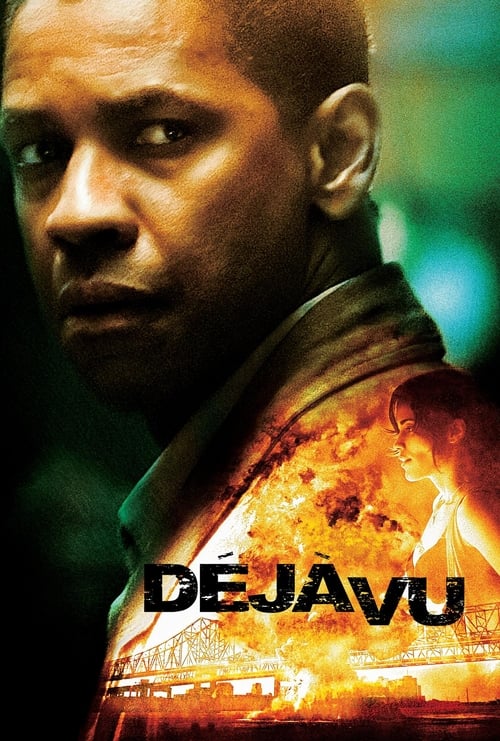
If you ever need someone to look intensely at a computer screen and make it feel like a high-stakes poker match, you call Denzel Washington. I’ve watched him do this in The Bone Collector and Crimson Tide, but in 2006’s Déjà Vu, he takes it to a whole new level. He’s not just looking at data; he’s looking into the past. I remember watching this for the first time on a flight to Chicago while eating those tiny, dry pretzels that turn into paste in your mouth, and even then, the sheer "Tony Scott-ness" of the movie managed to make my cramped middle seat feel like a front-row ticket to a revolution in action cinema.
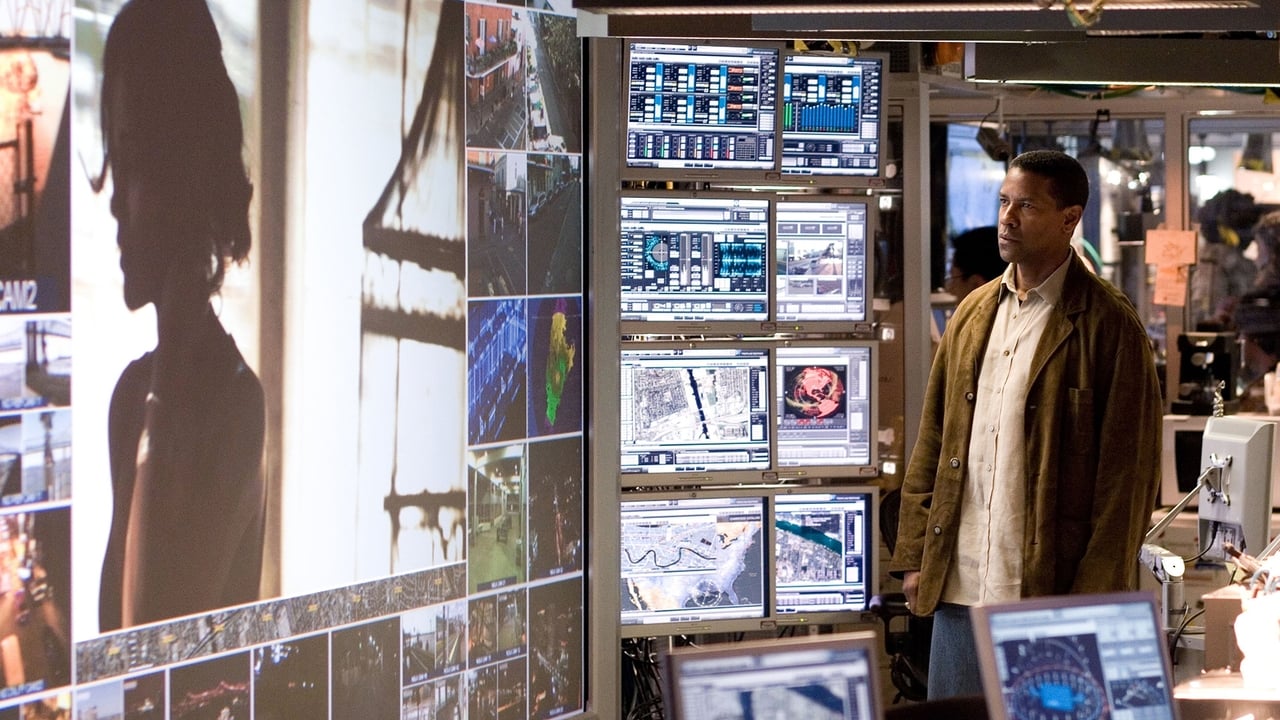
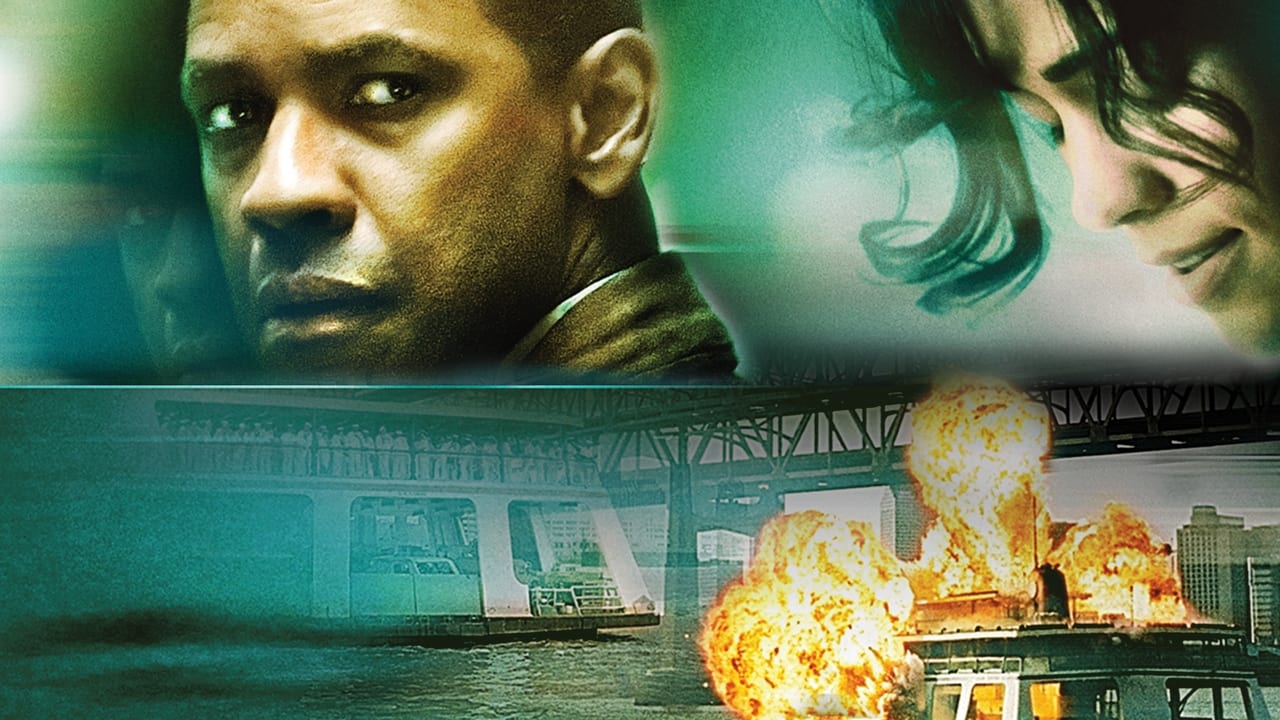
Directed by the late, great Tony Scott, who also gave us the high-octane Top Gun and the gritty Man on Fire, Déjà Vu is a strange, beautiful beast. It’s a post-9/11 sci-fi thriller wrapped in the damp, mourning clothes of post-Katrina New Orleans. Washington plays Doug Carlin, an ATF agent who realizes that the "surveillance" tech being used to solve a ferry bombing isn't just a fancy Google Earth—it’s a literal window into four days ago.
The Master of High-Gloss Grit
The mid-2000s were a fascinating time for action movies. We were moving away from the wire-fu of the Matrix clones and toward something more tactile, yet we were still obsessed with the "magic" of digital surveillance. Tony Scott was the king of this era. He used multiple film stocks, saturated colors, and a "shaky-cam" style that actually served the story rather than just making the audience motion-sick. In Déjà Vu, this style mirrors the glitchy, unstable nature of the time-folding technology.
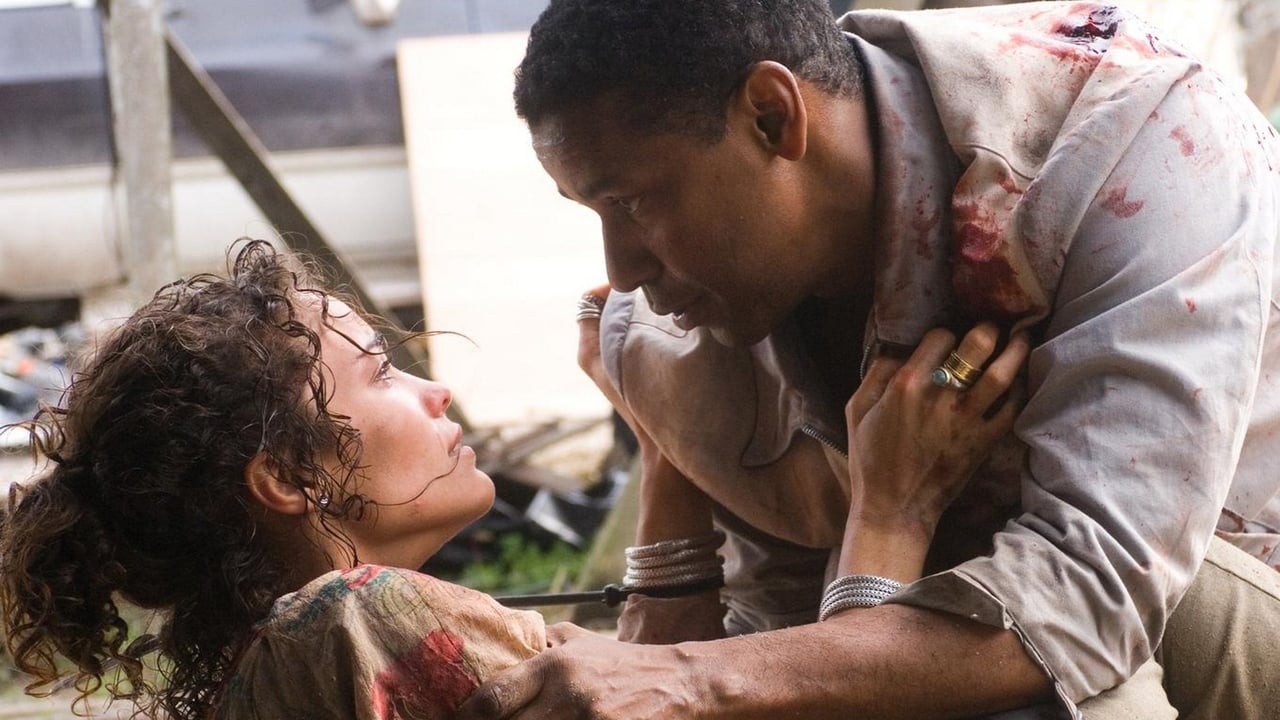
Apparently, the production was the first major film to shoot in New Orleans after Hurricane Katrina. You can feel that in the frames. The city isn’t just a backdrop; it’s a character that feels fragile and bruised. I love how Washington anchors the whole thing. Most actors would look ridiculous trying to explain "time-folding," but Denzel plays it with such weary, professional curiosity that you just go along with it. Denzel’s ability to fall in love with a corpse is his greatest acting feat, as he spends the first half of the movie mourning Claire (Paula Patton) before he even gets the chance to try and save her.
The Greatest Car Chase You’ve Never Seen
If you’re here for the action, the centerpiece of this film is one of the most inventive sequences of the decade. Doug Carlin has to chase a suspect who is driving in the past, while Doug is driving in the present. To do this, he wears a high-tech helmet that allows one eye to see the road in front of him and the other eye to see the road as it was four days ago.
It is absolute chaos in the best way possible. Tony Scott and his cinematographer Paul Cameron (who worked on the sleek Collateral) managed to film a chase that is simultaneously happening in two different timelines. The practical stunt work here is top-tier; cars are flipping and weaving through traffic that technically isn't there for the driver. It’s a sequence that makes you realize how much we lost when action movies started leaning too heavily on CGI. Here, the humvees feel heavy, the metal crunches are loud, and the stakes feel physical.
The supporting cast is equally game. Val Kilmer (who worked with Scott on Top Gun) is delightfully subdued as the government suit, and Adam Goldberg brings just enough "smartest guy in the room" energy to the tech team. Then there's Jim Caviezel, who plays the villain with a chilling, domestic-terrorist-next-door vibe that felt very uncomfortably relevant in 2006.
The Spec Script That Could
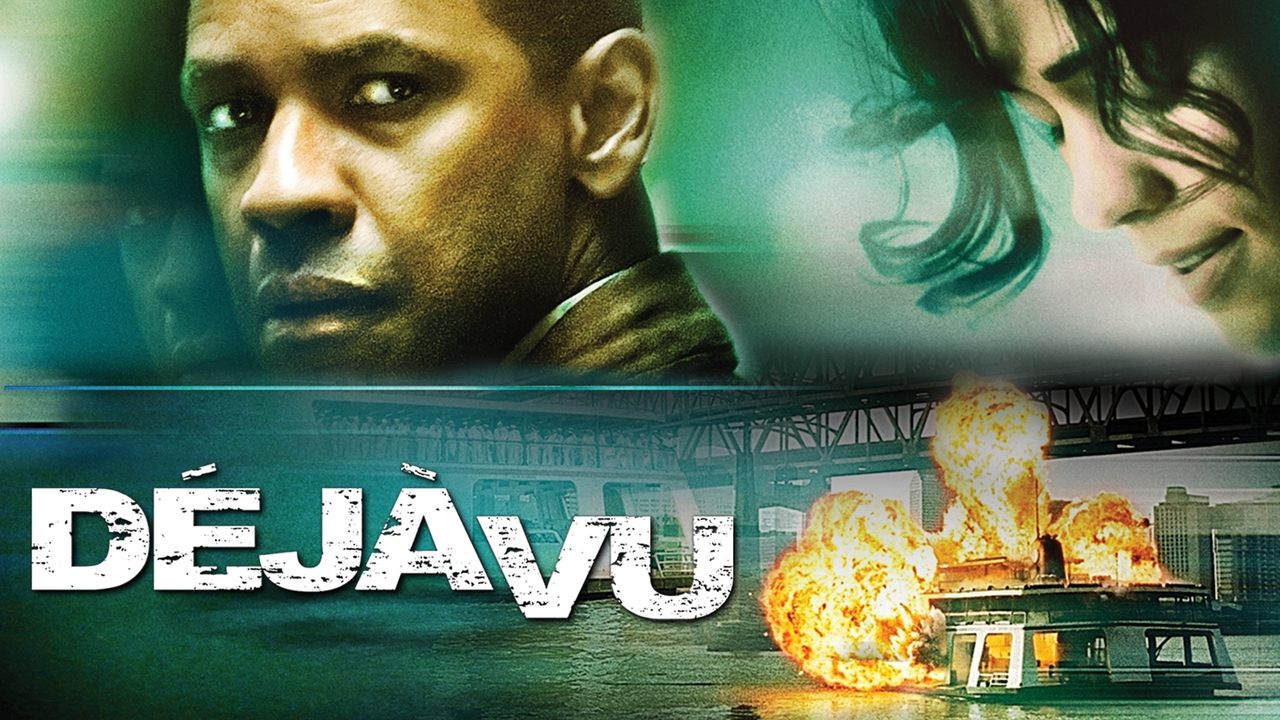
Part of the charm of Déjà Vu is its history as a "spec script" phenomenon. Writers Terry Rossio and Bill Marsilii sold the script for a record-breaking $5 million. Looking back, you can see why. It’s a perfect "high-concept" pitch: The Fugitive meets Back to the Future. It’s the kind of movie that shouldn't work—it’s essentially a high-budget episode of 'Quantum Leap' if it were directed by a man who drank ten espressos and loved helicopters—but it succeeds because it treats its own internal logic with total sincerity.
I find myself coming back to this film every few years, not because I care about the physics of the "Snow White" time-bridge, but because of the atmosphere. The score by Harry Gregson-Williams is haunting, blending electronic pulses with orchestral melancholy. It captures that specific 2006 feeling of being watched by a thousand cameras while feeling completely alone. It’s a film that failed to set the box office on fire initially but has grown into a legitimate cult classic for those of us who miss when blockbuster movies had a specific, jagged directorial voice.
Déjà Vu is a reminder that Tony Scott was a one-of-a-kind visionary who could turn a "science-babble" plot into a soulful, propulsive experience. It’s a movie that rewards your attention and asks you to accept a little bit of magic in exchange for a whole lot of adrenaline. If you haven't seen it since the days of DVD rentals, it’s time to look back. You’ll be surprised at how well it’s aged, even if the flip phones and chunky monitors tell a different story.

Keep Exploring...
-
Man on Fire
2004
-
The Taking of Pelham 1 2 3
2009
-
Unstoppable
2010
-
The Book of Eli
2010
-
Crimson Tide
1995
-
Spy Game
2001
-

Enemy of the State
1998
-
Children of Men
2006
-
Terminator 3: Rise of the Machines
2003
-
The Matrix Revolutions
2003
-

Domino
2005
-
The Island
2005
-

X-Men: The Last Stand
2006
-
Next
2007
-
Surrogates
2009
-
Terminator Salvation
2009
-
I Am Number Four
2011
-
Equilibrium
2002
-
Serenity
2005
-
Death Race
2008