Dreamgirls
"The spotlight burns brighter than the fame."
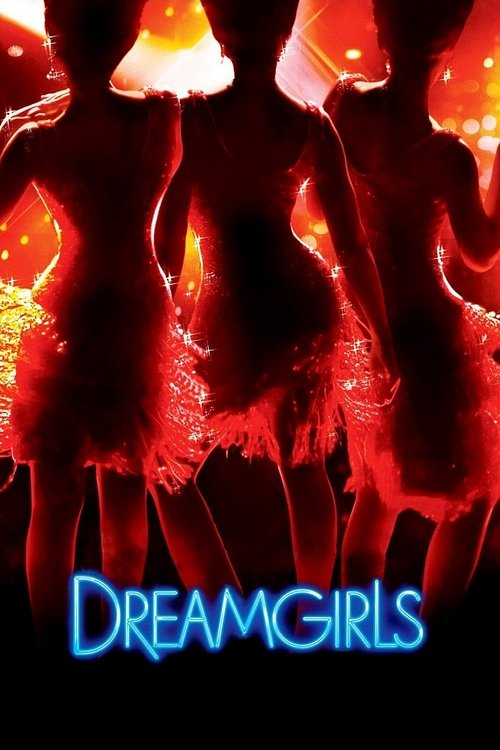
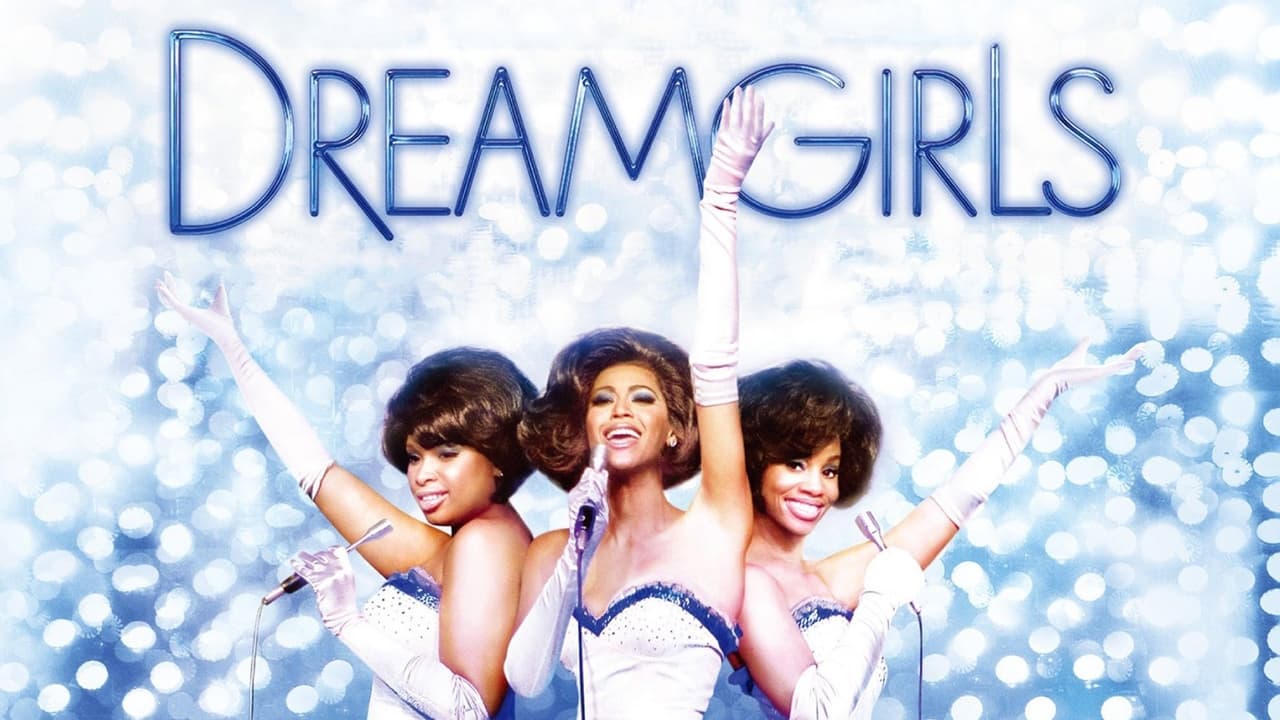
The mid-2000s were a strange, shimmering time for the movie musical. We were just a few years removed from Chicago proving that audiences would actually sit through people breaking into song if the editing was fast enough and the lighting was sufficiently moody. When Bill Condon (who had penned the Chicago screenplay) stepped behind the camera to adapt the legendary Broadway smash Dreamgirls, there was a palpable sense of "event" cinema in the air. This wasn't just a movie; it was a cultural coronation for Beyoncé, a redemption arc for Eddie Murphy, and a "how do you like me now?" victory lap for a singer the public had just seen get voted off American Idol.
The Machinery of Stardom
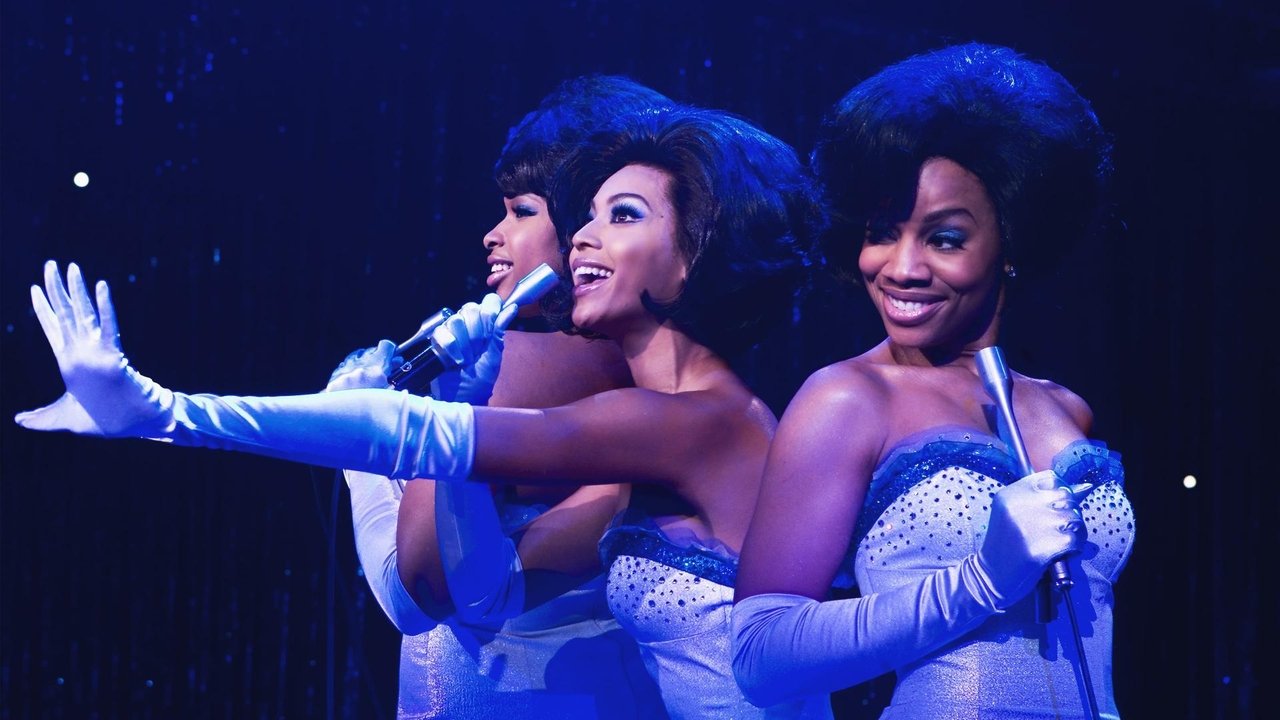
Watching Dreamgirls today, what strikes me most isn't just the soaring crescendos, but the cynical, cold-blooded look at the "crossover" era of Black music. Jamie Foxx—fresh off his Oscar win for Ray (2004)—plays Curtis Taylor Jr. with a terrifying, quiet ambition. He isn't a villain in the mustache-twirling sense; he’s a car salesman who realized that human voices are just another chassis to polish and sell to white suburbanites. Jamie Foxx plays Curtis like a man who would sell his own soul for a slightly better radio frequency.
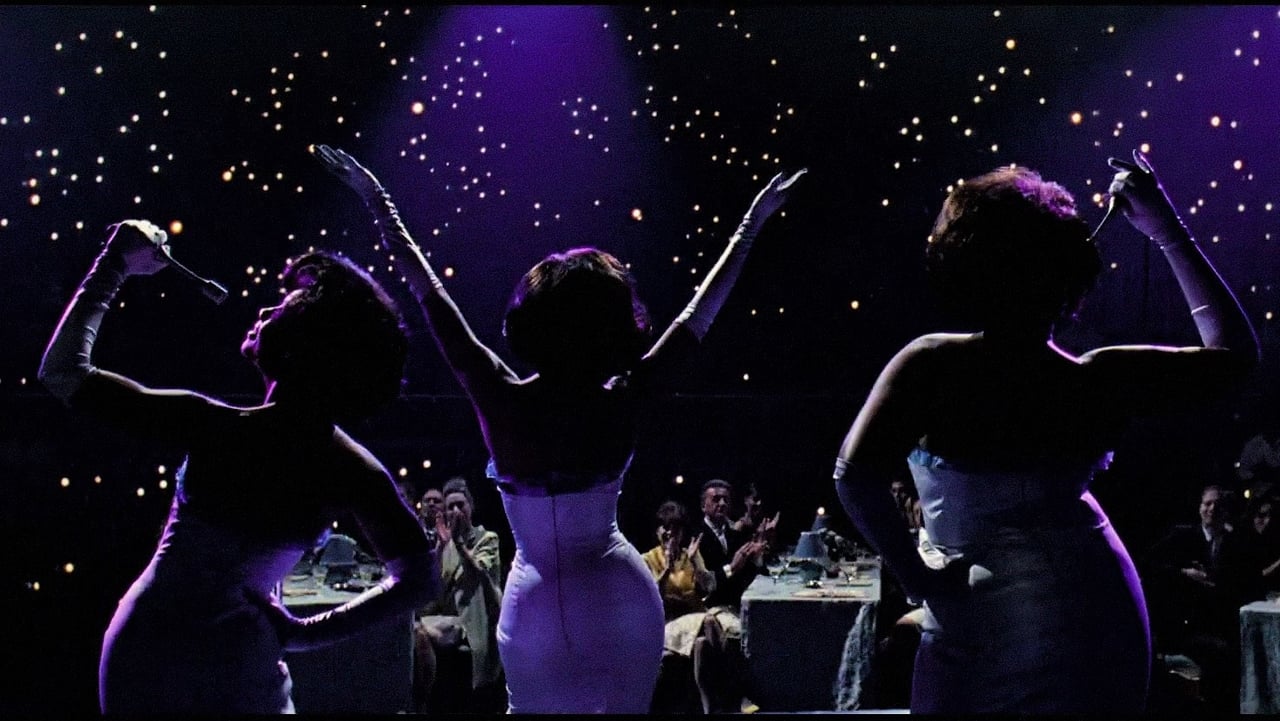
I rewatched this on a humid Tuesday evening while nursing a slightly stale bag of salt-and-vinegar chips, and I realized that the film's pacing is almost breathless. It mirrors the rapid-fire evolution of the 1960s music scene. We move from the dirt-floor talent shows to the neon-drenched Las Vegas heights so quickly that you feel the same vertigo the characters do. The cinematography by Tobias A. Schliessler captures this transition perfectly, shifting from warm, grainy backstage shadows to the flat, bright, and somewhat artificial glare of televised success. It’s a visual representation of soul music being "whitewashed" for the pop charts.
The Powerhouse and the Pivot
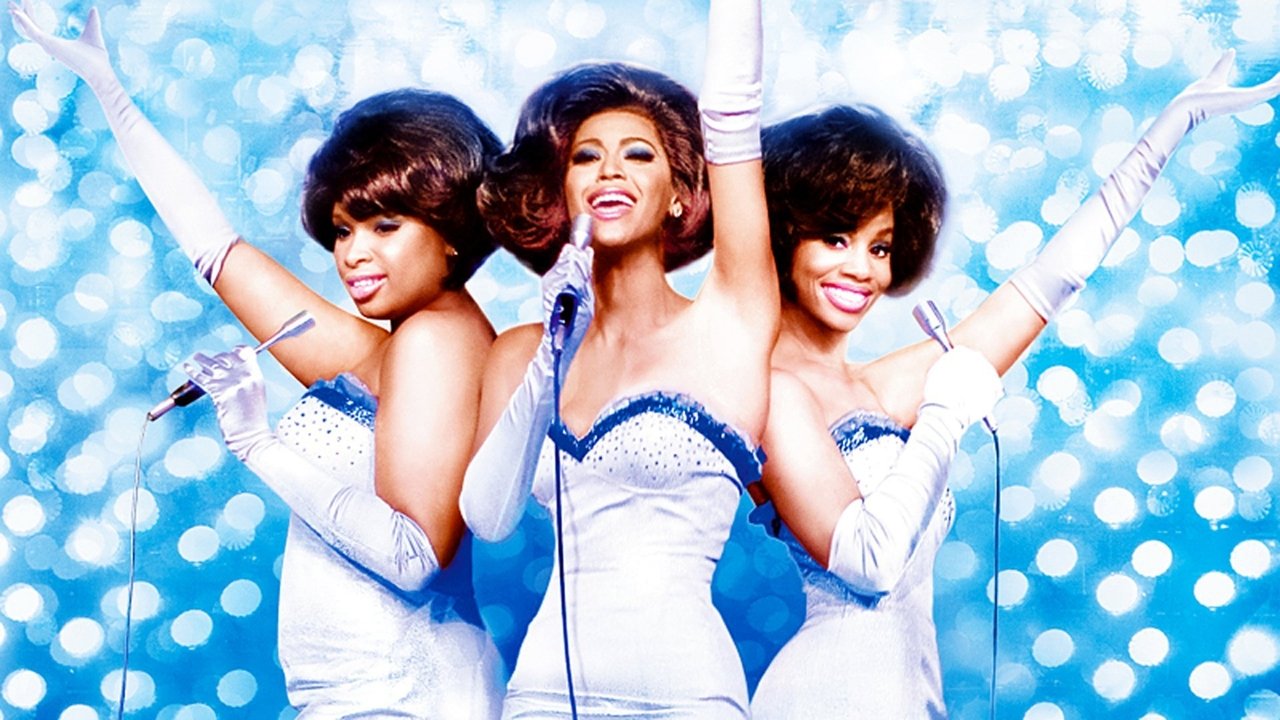
We have to talk about Jennifer Hudson. At the time, her casting was a gamble that paid off in a way that feels like folklore now. Her Effie White is the bruised, bleeding heart of the film. When she sings "And I Am Telling You I'm Not Going," it’s not just a musical number; it’s a physical assault on the viewer’s emotions. Jennifer Hudson's performance is essentially a two-hour-long atmospheric disturbance. She captures that specific pain of being told you’re "too much" for a world that wants everything "just enough."
On the flip side, you have Eddie Murphy as James "Thunder" Early. Looking back, this remains the most nuanced work of his career. He channels the frantic energy of James Brown and the tragic decline of Marvin Gaye, showing us a man who is literally vibrating out of his own skin because he can't reconcile his raw talent with the "safe" image the label demands. It’s heartbreaking to watch his spark dim as the movie progresses. Eddie Murphy deserved that Oscar, and I will maintain that his loss to Alan Arkin was a classic case of the Academy playing it safe.
The "Special Edition" Legacy
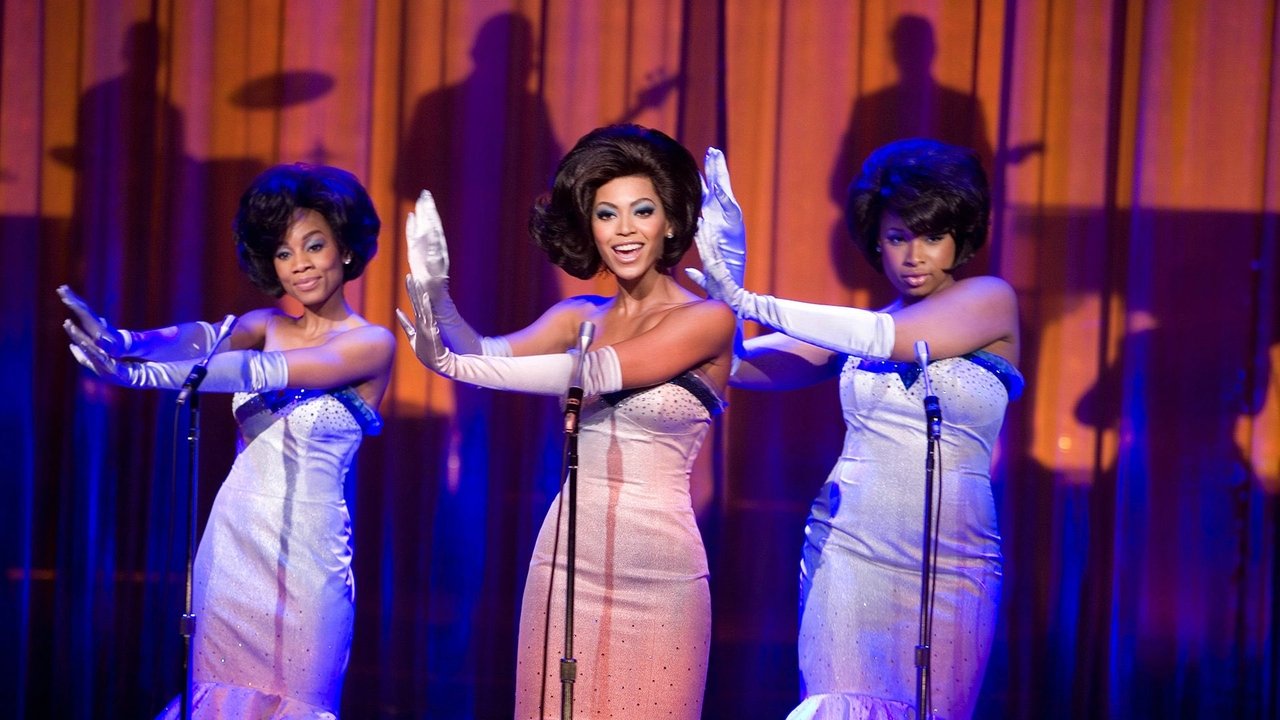
This film landed right in the sweet spot of the DVD era’s peak. I remember the two-disc "Showstopper Edition" being a staple of every collection; it was a time when behind-the-scenes documentaries actually felt like a deep dive into craft rather than just 10-minute marketing fluff. The trivia from those sessions revealed that Beyoncé reportedly lost 20 pounds to play the older, more "refined" Deena, and that she fought hard for the song "Listen" to be added to the film.
While "Listen" is a great vocal showcase, in retrospect, it feels a bit like a "Modern Cinema" insertion—a power ballad designed for an Oscar nomination (which it got) that doesn't quite have the gritty Motown DNA of the original Henry Krieger score. It’s a minor gripe, but it’s a fascinating look at how 2006 Hollywood couldn't help but add a bit of contemporary gloss to a period piece. The film also features a fantastic turn by Anika Noni Rose (later the voice of Tiana in The Princess and the Frog), who often gets overshadowed by the Hudson/Beyoncé powerhouse duo but provides the essential "glue" for the trio's chemistry.
Dreamgirls is a rare beast: a big-budget studio musical that actually has something to say about the cost of the American Dream. It captures that transition from the analog grit of the early 60s to the polished, disco-adjacent glitter of the 70s with incredible style. While it occasionally leans into the melodrama, the sheer force of the performances—particularly the central trio and a surprisingly grounded Danny Glover—keeps it anchored in human emotion. It’s a film about the voices that were silenced so a specific "sound" could succeed, and it remains as loud and vibrant today as it was in 2006.
Keep Exploring...
-
Ray
2004
-
The Kingdom
2007
-
Honey
2003
-
Nick and Norah's Infinite Playlist
2008
-
Crazy Heart
2009
-
Footloose
2011
-
Lemonade Mouth
2011
-

The Twilight Saga: Breaking Dawn - Part 2
2012
-
La Vie en Rose
2007
-
The Doors
1991
-

The Muppet Christmas Carol
1992
-
That Thing You Do!
1996
-
Selena
1997
-
Moulin Rouge!
2001
-
The Fifth Estate
2013
-
Step Up All In
2014
-

Law Abiding Citizen
2009
-
Save the Last Dance
2001
-
8 Mile
2002
-
Raise Your Voice
2004