Fearless
"The greatest opponent is the one within."

By 2006, the "Wuxia fever" sparked by Crouching Tiger, Hidden Dragon was beginning to break. We had already been treated to the color-coded opulence of Hero and the gravity-defying romance of House of Flying Daggers. When Jet Li announced that Fearless (or Huo Yuanjia) would be his final martial arts epic, there was a sense of an era closing. It arrived at a weird crossroads in cinema history—just as the gritty, hand-to-hand realism of Bourne and Bond was taking over, but before the MCU turned action into a digital light show. Looking back, Fearless feels like a heartfelt, analog goodbye to the hero-myth, and it’s a shame it often gets buried under the flashier titles of the early 2000s.
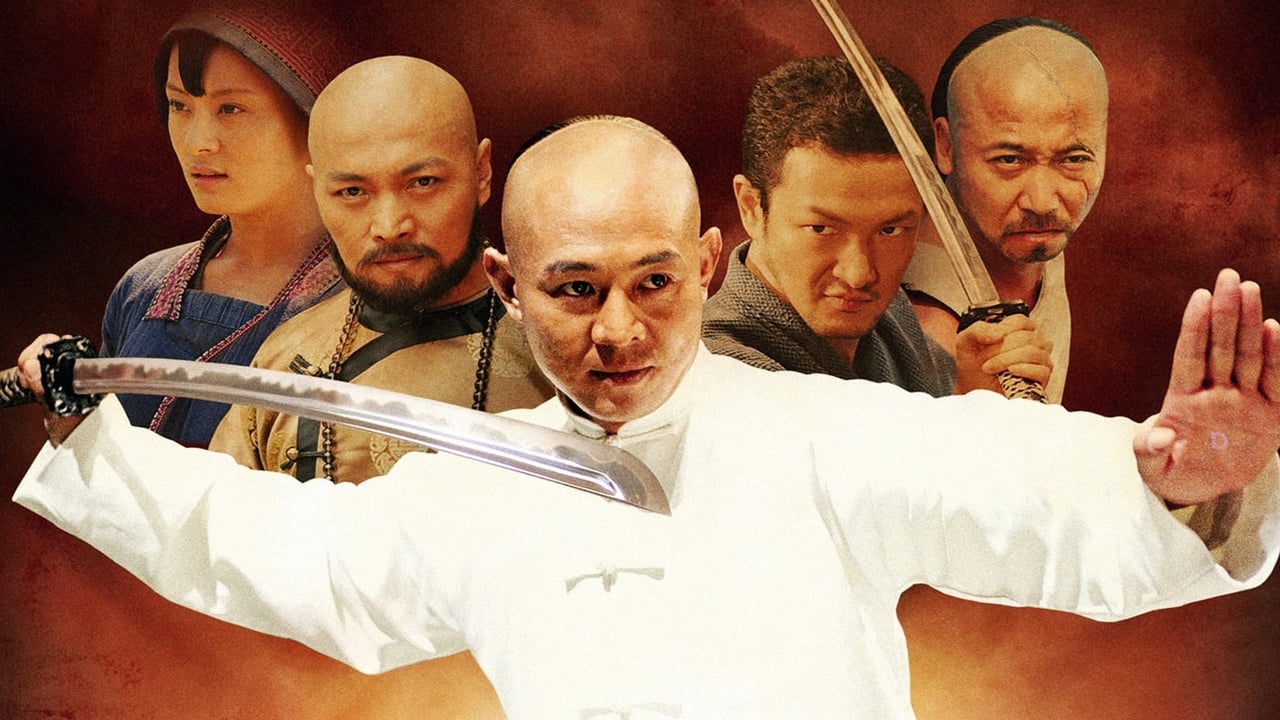
I revisited this recently on a rainy Sunday while drinking a cup of Oolong tea that I let get completely cold because I was too distracted by the screen. It reminded me that while we remember Jet Li for his speed, his best work always happened when he slowed down.
The Ego and the Earth
The film follows the life of Huo Yuanjia, a real-life legendary figure who founded the Chin Woo Athletic Association. We see him first as a hot-headed youth, obsessed with "being number one" in Tianjin. This first act is a flurry of arrogance and broken bones. Jet Li plays the young Huo with a terrifying, wild-eyed intensity; he’s a man who has mastered the fist but hasn't a clue about the soul. I honestly think young Huo Yuanjia would have been an insufferable TikTok influencer today.
The turning point comes after a horrific tragedy—a consequence of Huo’s own pride—that sends him into a self-imposed exile. This is where the movie shifts from a standard brawler into something much more cerebral. Huo ends up in a tranquil village where he learns the "philosophy of the rice paddy" from a blind woman named Moon, played with incredible grace by Sun Li.
This middle section is the film’s heartbeat. It’s a meditation on what it means to actually live. There’s a beautiful scene involving the transplanting of rice seedlings; the villagers explain that you can't plant them too close together or they’ll stifle each other's growth. It’s a simple metaphor for human competition, but in the context of a martial arts movie, it feels profound. It asks the audience to consider if our drive to "win" is actually just a slow way of dying.
Gravity and Grime
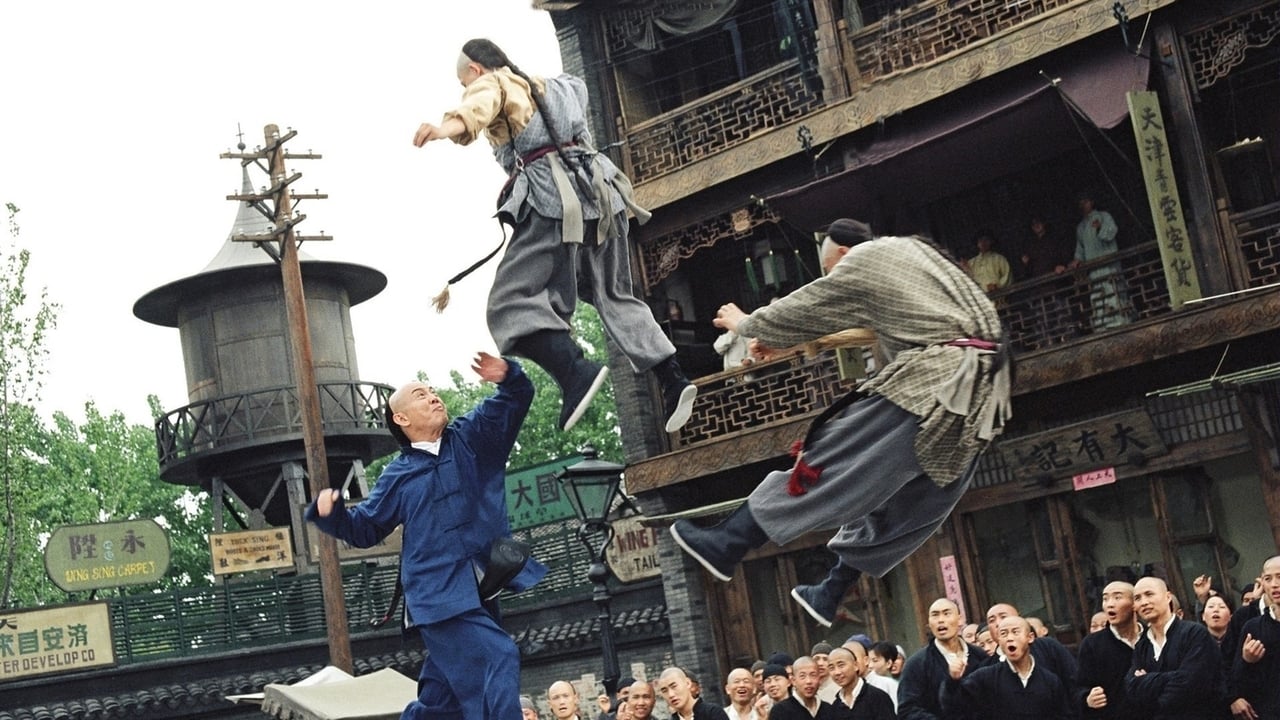
When the action does hit, it’s choreographed by the legendary Yuen Wo-ping (The Matrix, Kill Bill), and it’s some of his most grounded work. Don't get me wrong, there’s still some wire-work, but the fights have a distinctive weight and consequence. The sequence where Huo fights Master Chin (Chen Zhihui) inside a multi-storied restaurant is a masterpiece of spatial awareness. You can feel the wood splintering; you can feel the exhaustion.
The climax involves a tournament where Huo must face four international challengers, representing the "Sick Man of Asia" era where foreign powers were carving up China. While this could easily have descended into cheap nationalism, director Ronny Yu (who, funnily enough, also gave us Bride of Chucky) keeps it focused on the mutual respect between warriors. The final duel between Huo and the Japanese swordsman Anno Tanaka (Shido Nakamura) is a masterclass in tension. It’s not about who kills whom; it’s about who maintains their dignity. The ending is a total tear-jerker that makes most modern superhero deaths look like a Saturday morning cartoon.
The "Director’s Cut" Legacy

One of the reasons Fearless is worth a reassessment is the messy way it was released. The theatrical version most of us saw was 103 minutes, but the Director's Cut—which became a "holy grail" for DVD collectors in the late 2000s—adds nearly 40 minutes of footage, including an entire subplot featuring Michelle Yeoh. If you can find the extended version, it transforms the film from a tight actioner into a sprawling, Dickensian biography.
The cinematography by Poon Hang-Sang captures the transition from the smoky, tea-stained interiors of urban Tianjin to the vibrant, lush greens of the countryside. It’s a visual representation of Huo’s internal cleansing. Even the score by Shigeru Umebayashi (In the Mood for Love) eschews the typical bombast for something more melancholic and sweeping.
In the landscape of mid-2000s cinema, Fearless was a reminder that the "action" in an action movie is only as good as the silence between the punches. It’s a film that argues that true strength isn't about how many people you can beat, but how many people you can choose not to hurt.
Fearless stands as a poignant bookend to the traditional wuxia era. It offers the high-octane thrills you expect from Jet Li, but pairs them with a genuinely moving story about redemption and the futility of revenge. It’s a film that demands you sit still, watch closely, and maybe—just maybe—rethink your own need to always come out on top. It’s a "final epic" that actually lived up to the name.
Keep Exploring...
-

Hero
2002
-

Evangelion: 1.0 You Are (Not) Alone
2007
-
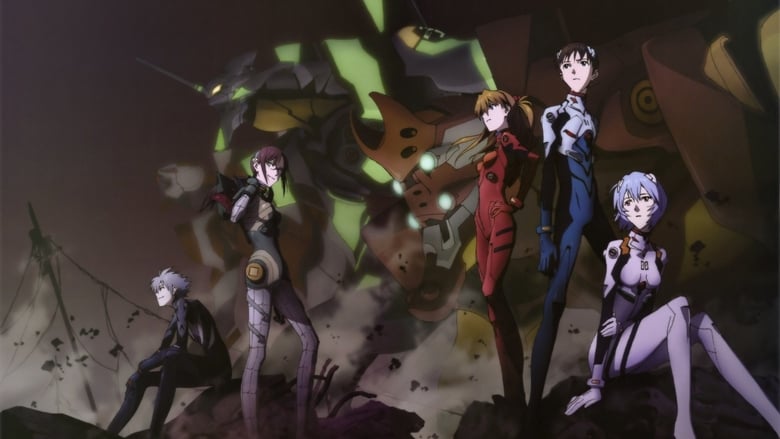
Evangelion: 2.0 You Can (Not) Advance
2009
-
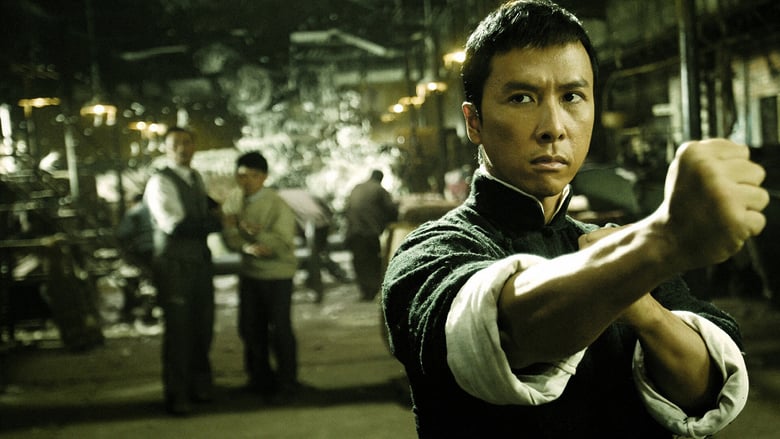
Ip Man
2008
-
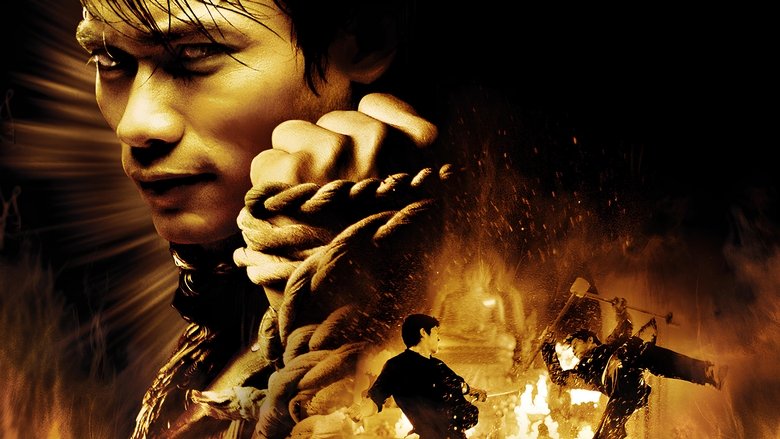
The Protector
2005
-
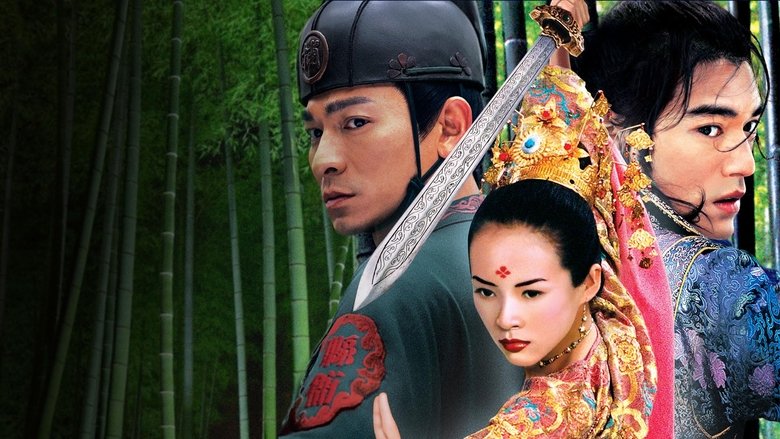
House of Flying Daggers
2004
-
Apocalypto
2006
-

Warrior
2011
-
The Last Castle
2001
-
The Score
2001
-

Wasabi
2001
-
Infernal Affairs
2002
-
The Count of Monte Cristo
2002
-
Cradle 2 the Grave
2003
-
Open Range
2003
-
A Bittersweet Life
2005
-
Running Scared
2006
-
The Guardian
2006
-
Undisputed II: Last Man Standing
2006
-
United 93
2006