Flags of Our Fathers
"The photo was a triumph. The reality was a burden."
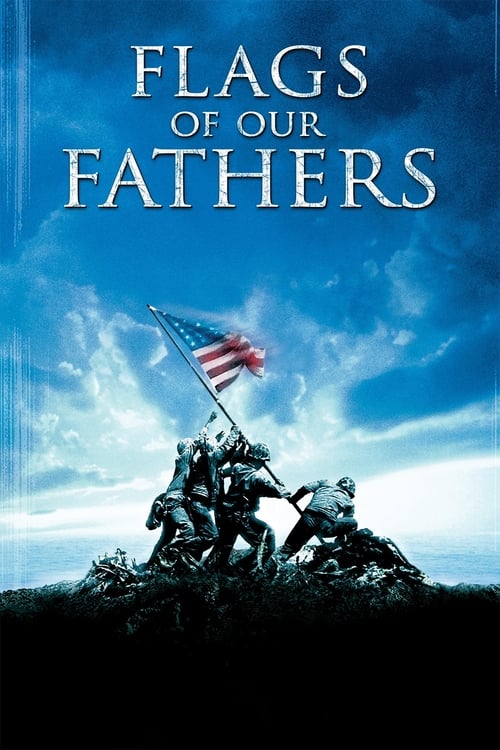
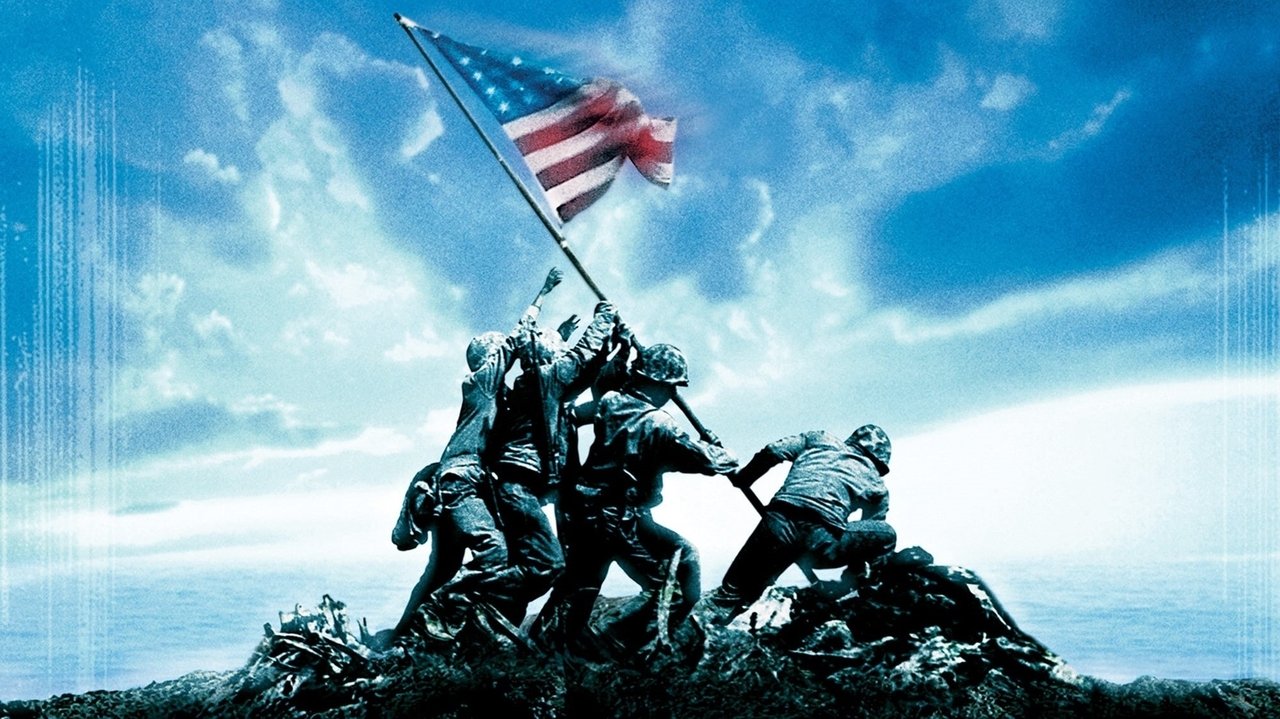
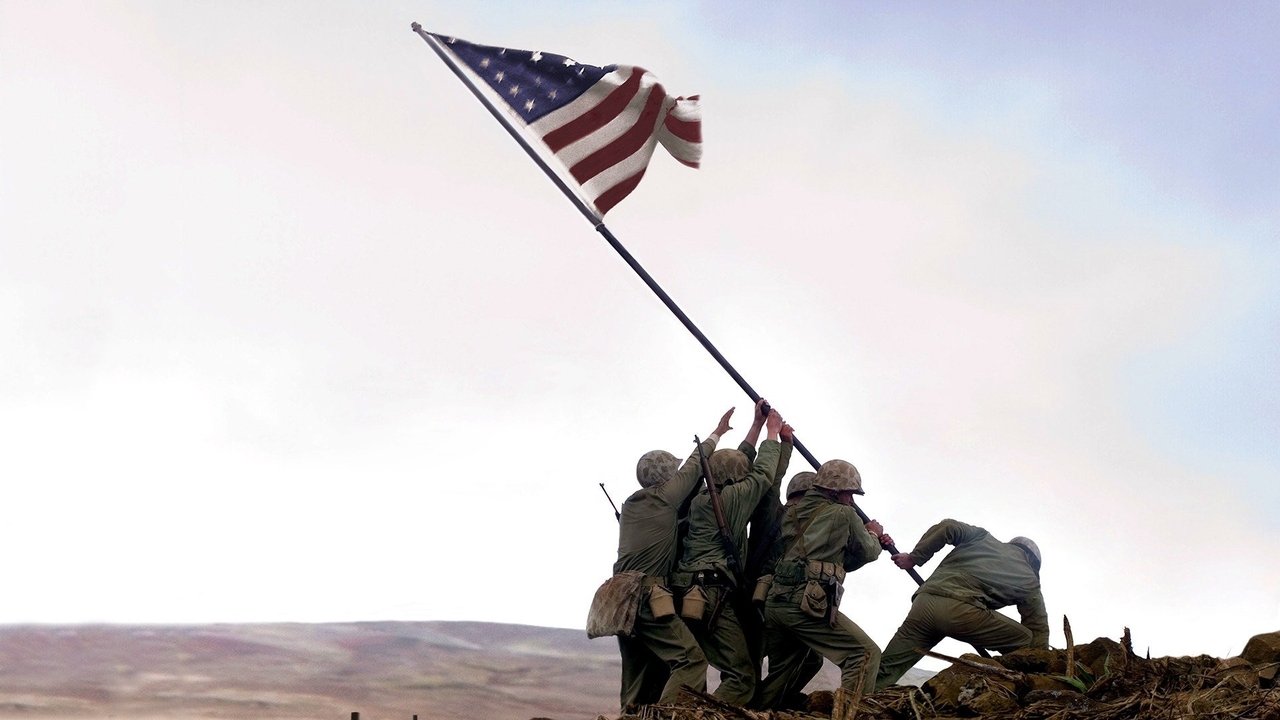
Most of us know the photo before we know the history. Six men, one pole, and a flag raised over the jagged landscape of Mt. Suribachi. It’s an image so ingrained in the American psyche that it’s easy to forget those men were breathing, bleeding humans before they became bronze statues. When Clint Eastwood (who had just come off the massive success of Million Dollar Baby) decided to tackle the Battle of Iwo Jima, he didn't just make a war movie; he made a movie about the marketing of war.
Flags of Our Fathers is a strange, somber beast. It arrived in 2006 during that mid-2000s stretch where Hollywood was obsessed with re-examining heroism through a post-9/11 lens. I remember watching this while trying to assemble a very frustrating IKEA coffee table, and I’m pretty sure I put one of the legs on backward because I was too distracted by the sheer scale of the beach landings to look at the instructions. It’s a film that demands your attention, even if it occasionally trips over its own ambitious structure.
The Burden of a Snapshot
The movie doesn’t follow a straight line. Instead, it jumps between the horrific, sulfurous chaos of the island and the surreal, sanitized "Hero Tour" back in the States. We follow three of the survivors—John "Doc" Bradley (Ryan Phillippe), Rene Gagnon (Jesse Bradford), and Ira Hayes (Adam Beach)—as they are whisked away from the front lines to sell war bonds.
This is where the drama really bites. Jesse Bradford plays Gagnon with a desperate, boyish eagerness to please, while Ryan Phillippe gives one of his best, most understated performances as the stoic core of the group. But the film belongs to Adam Beach. His portrayal of Ira Hayes is genuinely heart-wrenching. Watching him struggle with "survivor’s guilt" while being paraded around as a celebrity is the emotional anchor of the entire 135-minute runtime. It’s the cinematic equivalent of a heavy history textbook with a really cool cover, and Beach provides the soul that keeps the pages turning.
The CGI Fleet and the 2000s Aesthetic
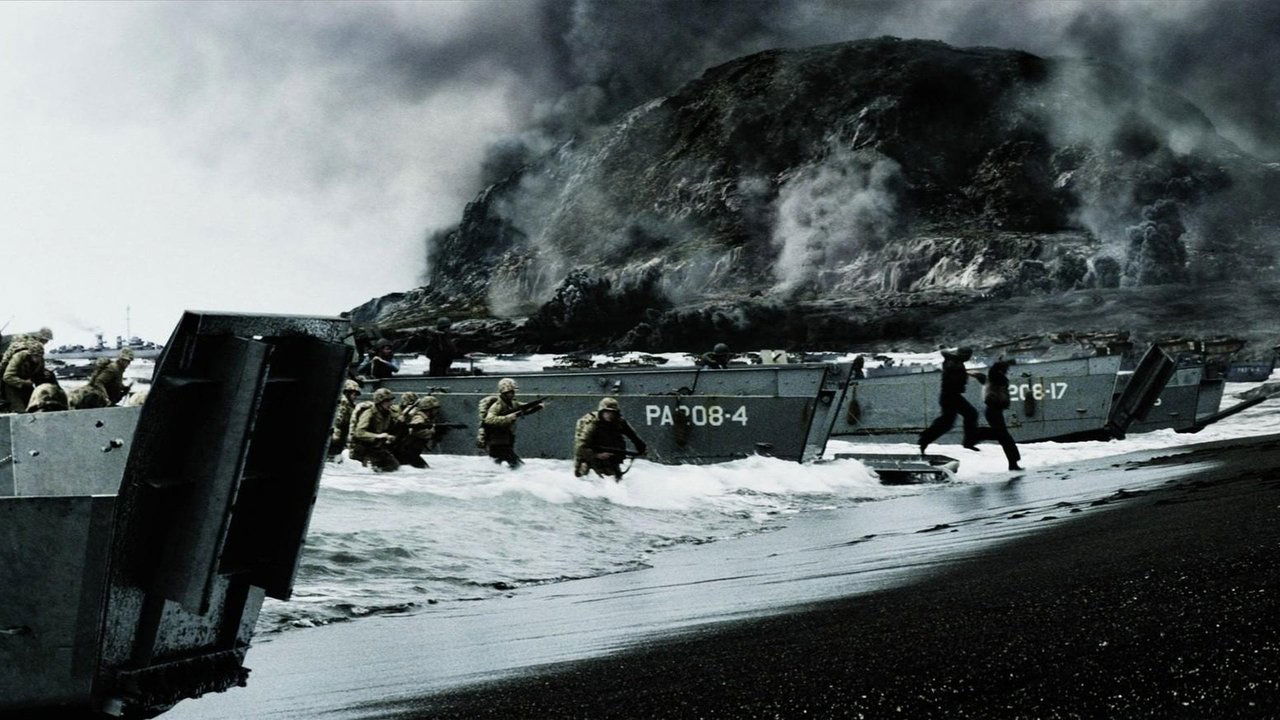
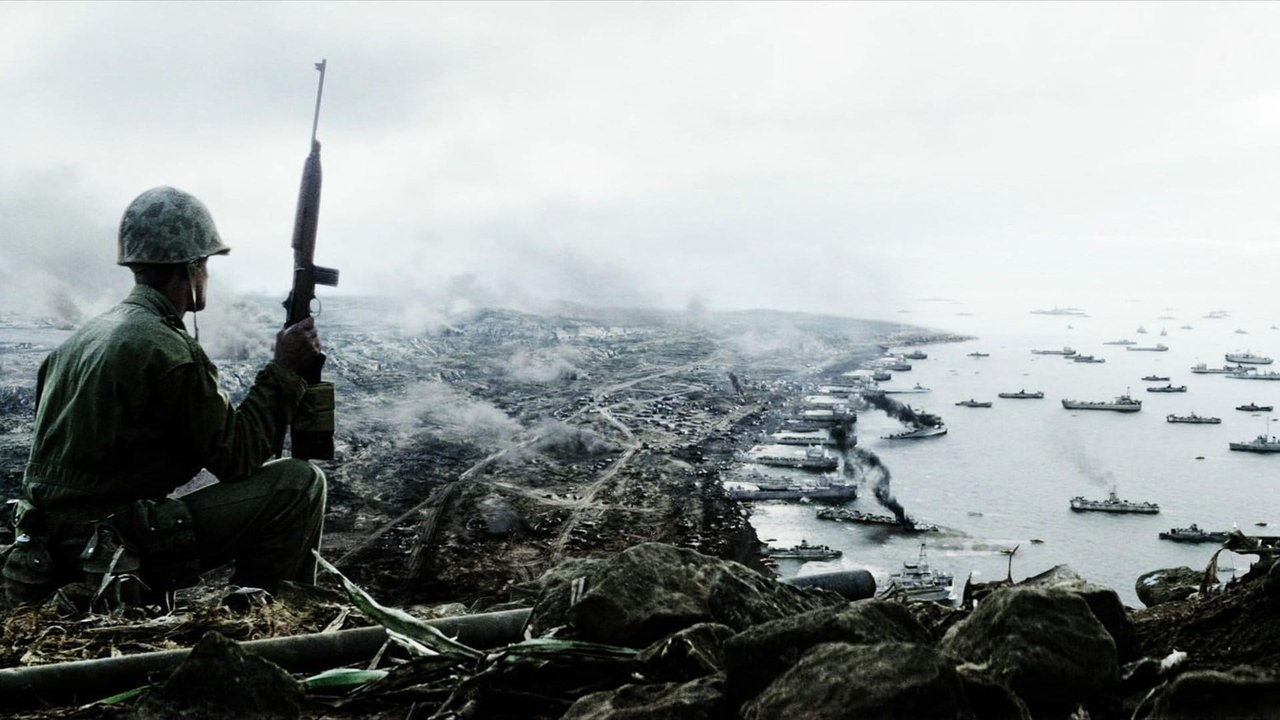
Looking back from the era of hyper-realistic digital effects, the visuals here are a fascinating time capsule. This was the peak of the "desaturated war" look—everything is drained of color, leaving only greys, blues, and the deep black of the volcanic sand. Clint Eastwood and cinematographer Tom Stern (who also worked on The Hunger Games) created a world that feels cold and oppressive.
The fleet of ships sitting off the coast was a massive undertaking for 2006. While some of the digital fire and smoke might look a little "early-generation Xbox" by today's standards, the sense of scale is still immense. Interestingly, the production actually moved to Iceland to film the beach scenes because the volcanic sand there perfectly mimicked Iwo Jima. It’s that kind of practical dedication that keeps the movie grounded even when the CGI starts to show its age. The battle scenes feel like a desaturated fever dream that forgot to bring the color back for the home front.
The "Forgotten" Twin
It’s impossible to talk about Flags of Our Fathers without mentioning its sibling, Letters from Iwo Jima. Eastwood filmed them back-to-back, with Steven Spielberg (Saving Private Ryan) producing. It was a massive gamble. While Letters (the Japanese perspective) eventually garnered more critical acclaim and a Best Picture nomination, Flags is the one that deals with the messy, uncomfortable truth of how we create legends.
The script, co-written by Paul Haggis (the man behind Crash), can be a bit heavy-handed with its "image vs. reality" themes, but it earns its keep through small, human moments. Look out for a pre-Mad Men John Slattery and the always-reliable Barry Pepper as the squad leader Mike Strank. The film is packed with "Hey, it’s that guy!" moments that make the 1940s setting feel lived-in and authentic.
Turns out, the movie was actually a bit of a financial disappointment, failing to make back its $90 million budget at the domestic box office. Maybe audiences in 2006 weren't quite ready for a war movie that spent half its time in stadiums and banquet halls instead of foxholes. But that’s exactly why it’s worth a revisit now. It challenges the "Greatest Generation" mythos without being disrespectful to the men who actually stood on that hill.
Flags of Our Fathers is a thoughtful, if occasionally fragmented, look at the cost of being a symbol. It’s not a "rah-rah" action flick, and it’s all the better for it. If you’ve only ever seen the famous photograph, you owe it to yourself to see the complicated, grieving men who were standing just outside the frame. It’s a heavy sit, but a necessary one for anyone who appreciates a drama that prioritizes character over combat.
Keep Exploring...
-
Letters from Iwo Jima
2006
-
Defiance
2008
-
Invictus
2009
-
K-19: The Widowmaker
2002
-
J. Edgar
2011
-
The Flowers of War
2011
-
Hereafter
2010
-
Joyeux Noel
2005
-
The Round Up
2010
-
In the Valley of Elah
2007
-
The Messenger: The Story of Joan of Arc
1999
-
Enemy at the Gates
2001
-
Mona Lisa Smile
2003
-

Alexander
2004
-
King Arthur
2004
-
Kingdom of Heaven
2005
-
Absolute Power
1997
-
Red Cliff
2008
-
Hart's War
2002
-
Seabiscuit
2003