Flushed Away
"A posh rodent's plumbing-related identity crisis."
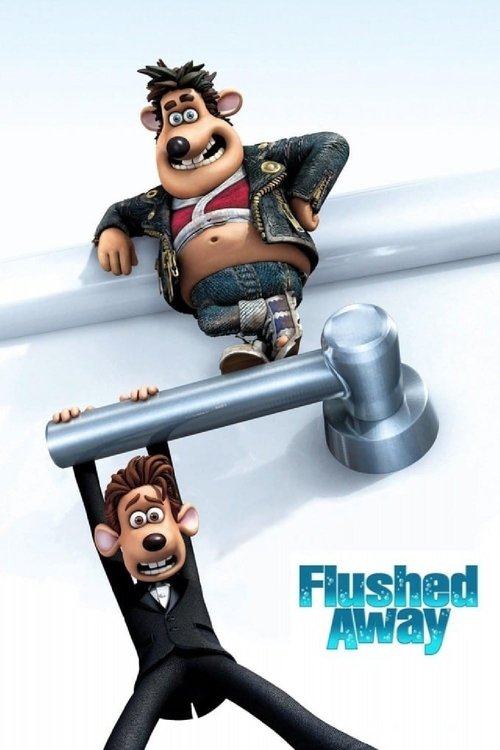
There is something fundamentally "wrong" about seeing a digital character with thumbprints in their skin. It’s a glitch in the matrix of mid-2000s animation—a deliberate ghost of the handmade past haunting a high-tech present. When Sam Fell and David Bowers sat down to direct Flushed Away, they were staring at a terrifying technical mountain: water. Aardman Animations, the legendary British wizards behind Wallace & Gromit, realized that their signature stop-motion clay would basically dissolve (or at least look terrible) if they tried to animate the sheer volume of sewer-sloshing H2O required for this script. The solution? Go digital. But they did so with a stubborn, delightful insistence on making the CGI look like slightly clunky clay.
I watched this recently while wearing one mismatched sock because I couldn't find the other, and honestly, that mild sense of domestic chaos felt like the perfect headspace for a film that features a group of singing slugs as its primary Greek chorus.
Clay Soul in a Digital Machine
The result of this Aardman-DreamWorks marriage is a fascinating artifact of the 2006 CGI revolution. It’s a movie that looks like it was sculpted by hand but moves with the manic, physics-defying speed of a Looney Tunes short. Looking back, this was a pivotal moment where the "handmade" aesthetic began to struggle against the "corporate" demands of a $149 million budget. You can feel the tension. On one hand, you have the quintessentially British dry wit—references to the World Cup, the North-South divide, and a villainous Toad who is obsessed with the Royal Family. On the other, you have the high-octane chase sequences and celebrity-heavy voice cast that defined the DreamWorks era of Shrek and Madagascar.
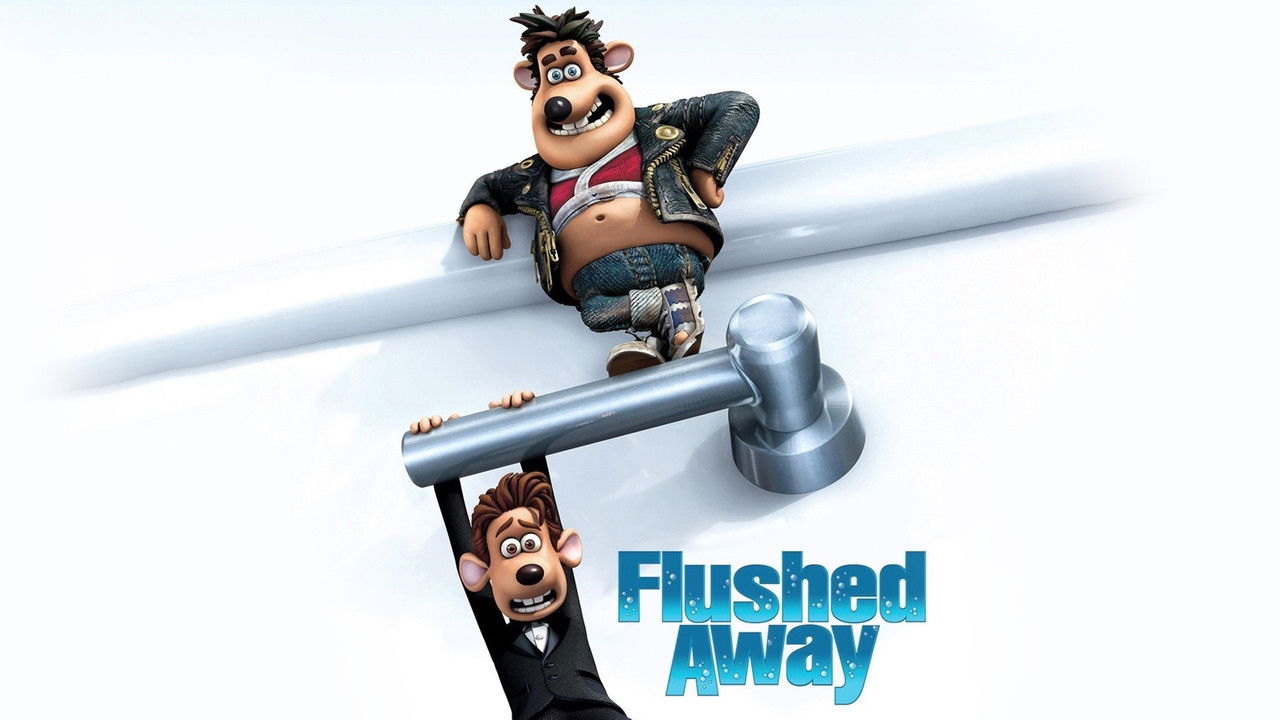
Hugh Jackman voices Roddy St. James, a "high-society" pet mouse living the dream in a Kensington flat. When a boorish sewer rat named Sid (the always-welcome Shane Richie) shows up, Roddy tries to "flush" him away, only to end up being the one swirling down the U-bend himself. It’s a classic fish-out-of-water story—or rather, mouse-out-of-penthouse—that lands Roddy in Ratropolis, a sprawling, subterranean London built out of discarded junk.
A Sewer Worth Seeking
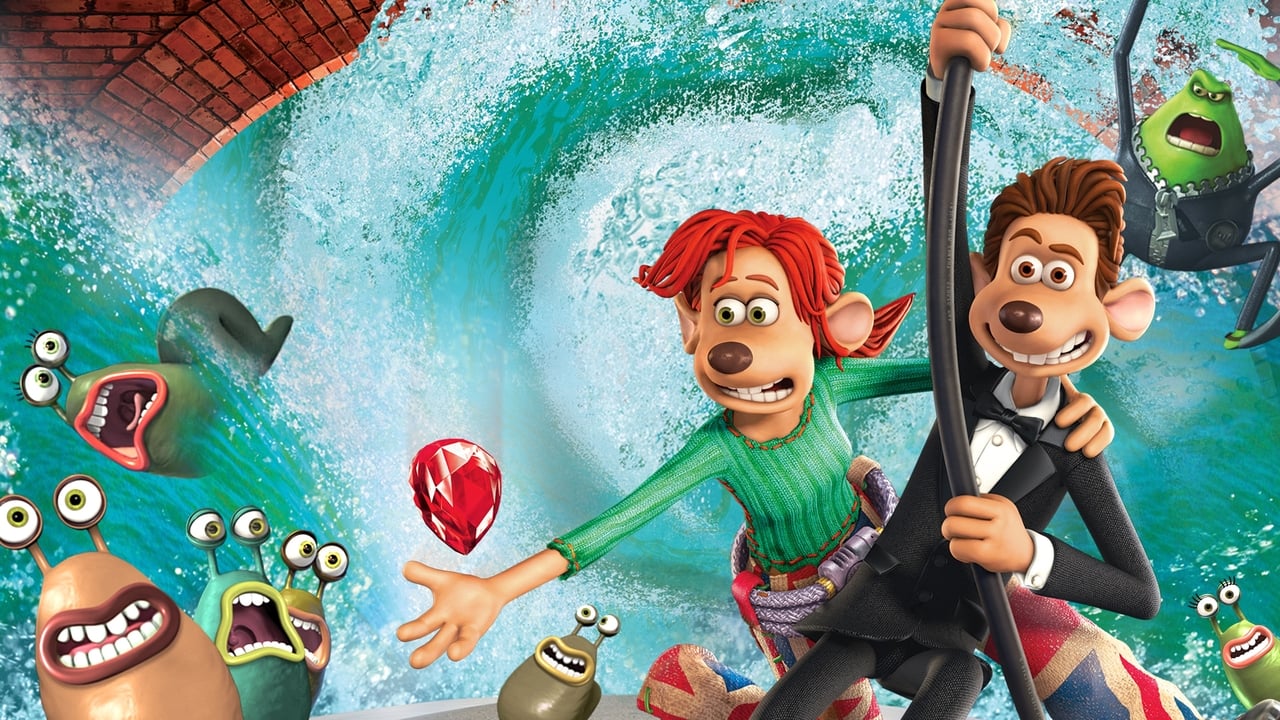
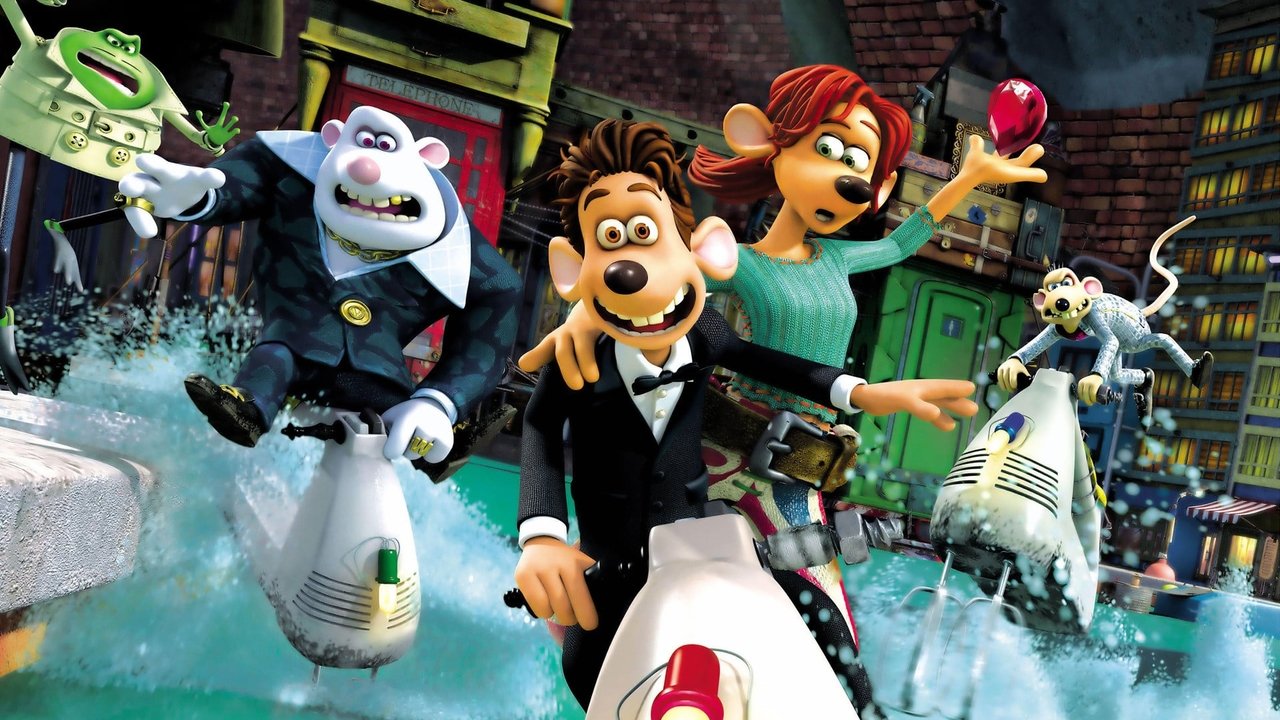
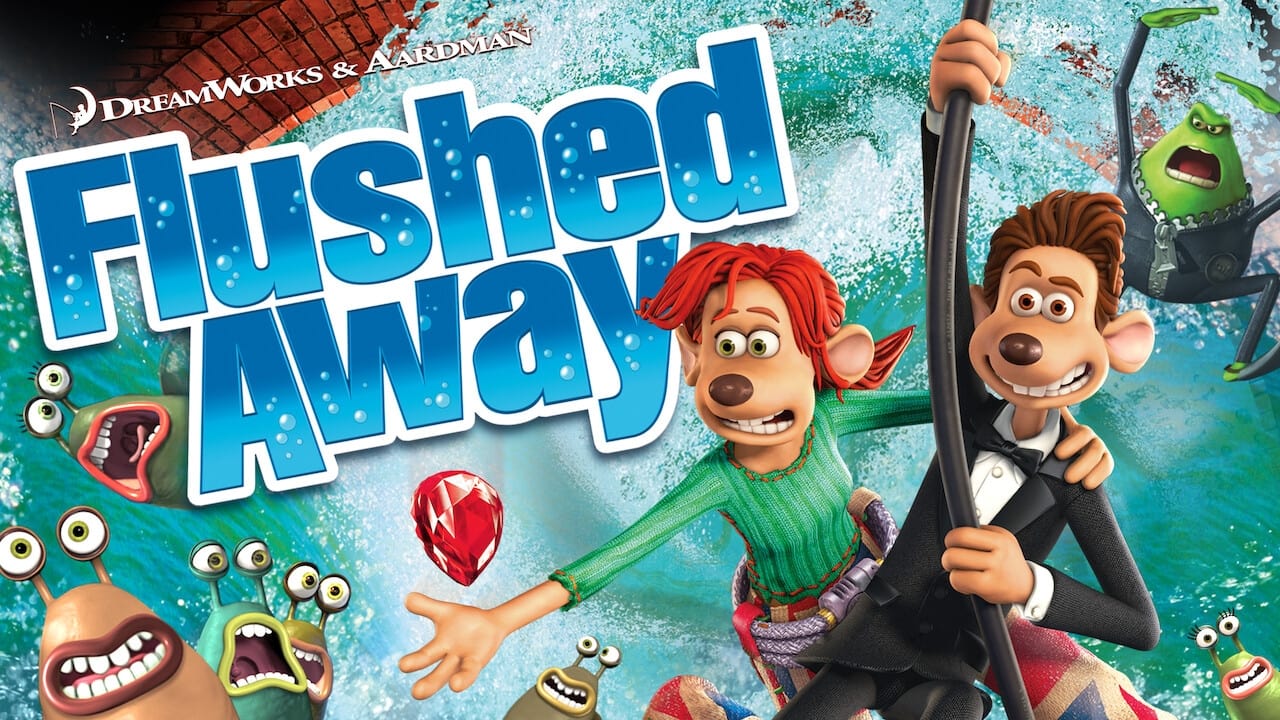
The world-building here is where the "Adventure" tag truly earns its keep. Ratropolis is a marvel of production design; it’s a textured, vibrant metropolis where old tin cans are buses and discarded umbrellas are architectural flourishes. It’s the kind of world that invites you to pause the DVD (remember those?) just to see what the shop signs say. Into this chaos comes Rita, voiced by Kate Winslet with a spunky, street-smart edge that makes her the clear brains of the operation. She pilots the Jammy Dodger, a boat that looks like it was cobbled together by a genius toddler, and the chemistry between her and Hugh Jackman’s neurotic, sheltered Roddy is surprisingly grounded for a movie about talking rodents.
But the real MVP is Ian McKellen as The Toad. He brings a Shakespearean gravity to a character whose primary motivation is a deep-seated hatred of all things furry because he was once replaced by a pet rat. Watching McKellen ham it up—alternating between regal pomposity and fly-catching madness—is a pure joy. He’s backed by a pair of hench-rats, Spike and Whitey. Andy Serkis (pre-fully-becoming the king of mo-cap) and Bill Nighy are a comedy masterclass here. Nighy’s Whitey is a gentle giant who thinks he’s much more menacing than he is, while Serkis plays Spike with the frantic energy of a caffeinated toddler. The Toad’s obsession with his collection of frozen Royal memorabilia is the peak of "weird but wonderful" British humor.
The High Stakes of Low-Flush Comedy
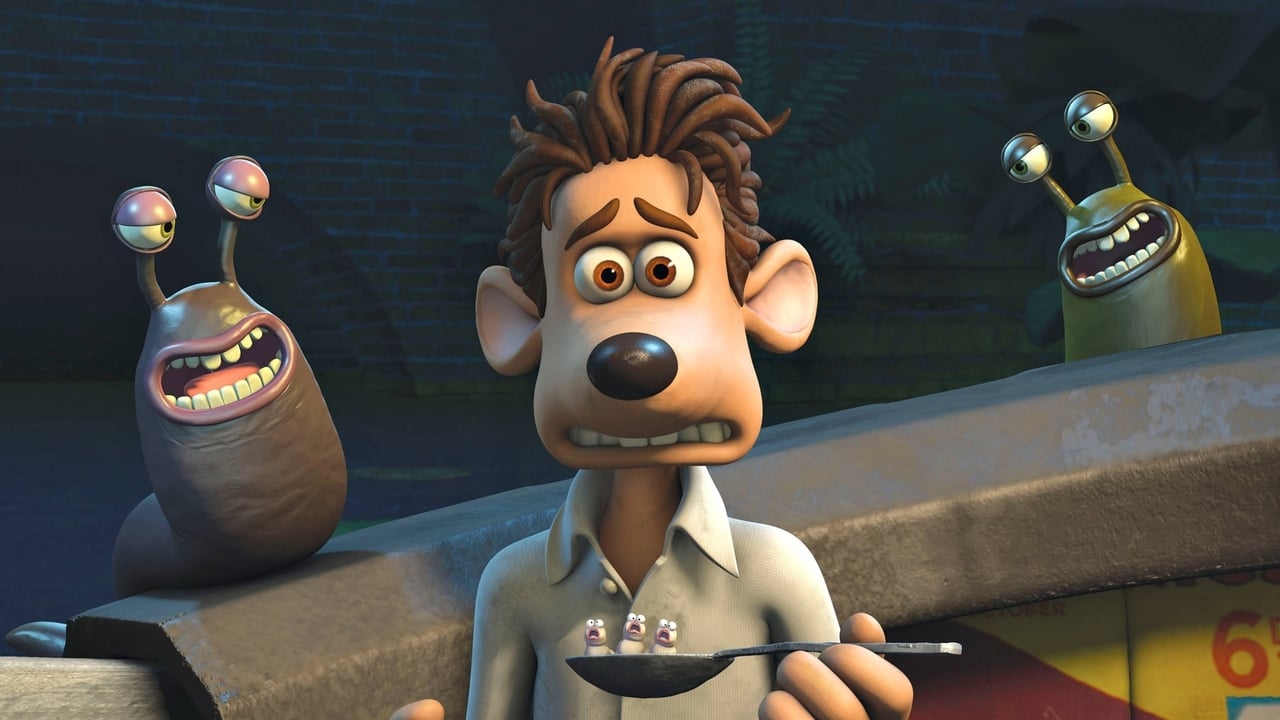
Let’s talk about those slugs. Initially intended as minor background texture, the singing slugs became the film’s breakout stars. They function as a comedic punctuation mark, popping up to scream or sing "Proud Mary" whenever Roddy hits a new emotional low. They represent the best of the Aardman spirit: taking a small, absurd gag and committing to it until it becomes legendary.
Looking back at the mid-2000s, Flushed Away feels like it was caught in a weird transitional slipstream. It didn't set the box office on fire like Shrek 2, and it ended the Aardman-DreamWorks partnership prematurely. Critics at the time were a bit baffled by the visual style, often asking: "If you're going to use computers, why make it look like clay?" To me, that’s exactly why it works. It retains the "imperfect" charm of a human touch in an era when everything was becoming increasingly glossy and slick.
The adventure hits its peak with the arrival of Le Frog, a French mercenary voiced by Jean Reno. The "mime" henchmen and the constant ribbing of French stereotypes are probably the most unapologetically "dad joke" elements of the entire screenplay, but Reno’s delivery is so committed that you can’t help but chuckle. The final act—a frantic race against the "Big Flush" during the World Cup halftime—is a masterclass in pacing, balancing genuine peril with some of the most creative uses of liquid animation seen at the time.
Ultimately, Flushed Away is a cult classic that deserves a spot on your shelf next to Chicken Run. It’s a film that prioritizes a zippy, adventurous spirit over the sentimental "lesson-of-the-week" tropes that often bog down family features. It’s witty, it’s weird, and it features Ian McKellen as a toad in a tuxedo—what more do you actually want from a rainy Tuesday afternoon? Grab some snacks, ignore the logic of how a mouse can survive a 50-foot drop into water, and enjoy the ride.
Keep Exploring...
-
ParaNorman
2012
-
Rango
2011
-

Sinbad: Legend of the Seven Seas
2003
-

Open Season
2006
-

Bee Movie
2007
-
Meet the Robinsons
2007
-

Bolt
2008
-
Cars 2
2011
-
The Lion King 1½
2004
-
Planet 51
2009
-
Antz
1998
-
The Road to El Dorado
2000
-
Brave
2012
-
Mr. Peabody & Sherman
2014
-
Penguins of Madagascar
2014
-
Osmosis Jones
2001
-
Shrek 2
2004
-

Madagascar
2005
-
Cars
2006
-

Ice Age: The Meltdown
2006