Half Nelson
"Class is in session. The teacher is failing."
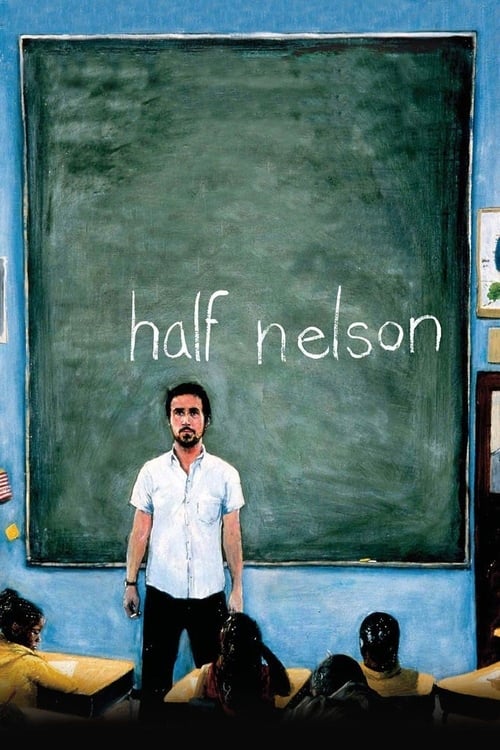
I remember the first time I saw Ryan Gosling on screen in Half Nelson. At the time, I was watching it on a scratched DVD I’d borrowed from a local library that smelled perpetually of damp cardboard and old gum. I went in expecting the typical "white savior" teacher trope—the kind where a charismatic outsider sweeps into an inner-city school and fixes everyone’s lives with a few Shakespeare quotes and a heart of gold. Instead, within the first ten minutes, I found myself watching a man hunched over a toilet, vibrating with the tremors of a crack cocaine habit.
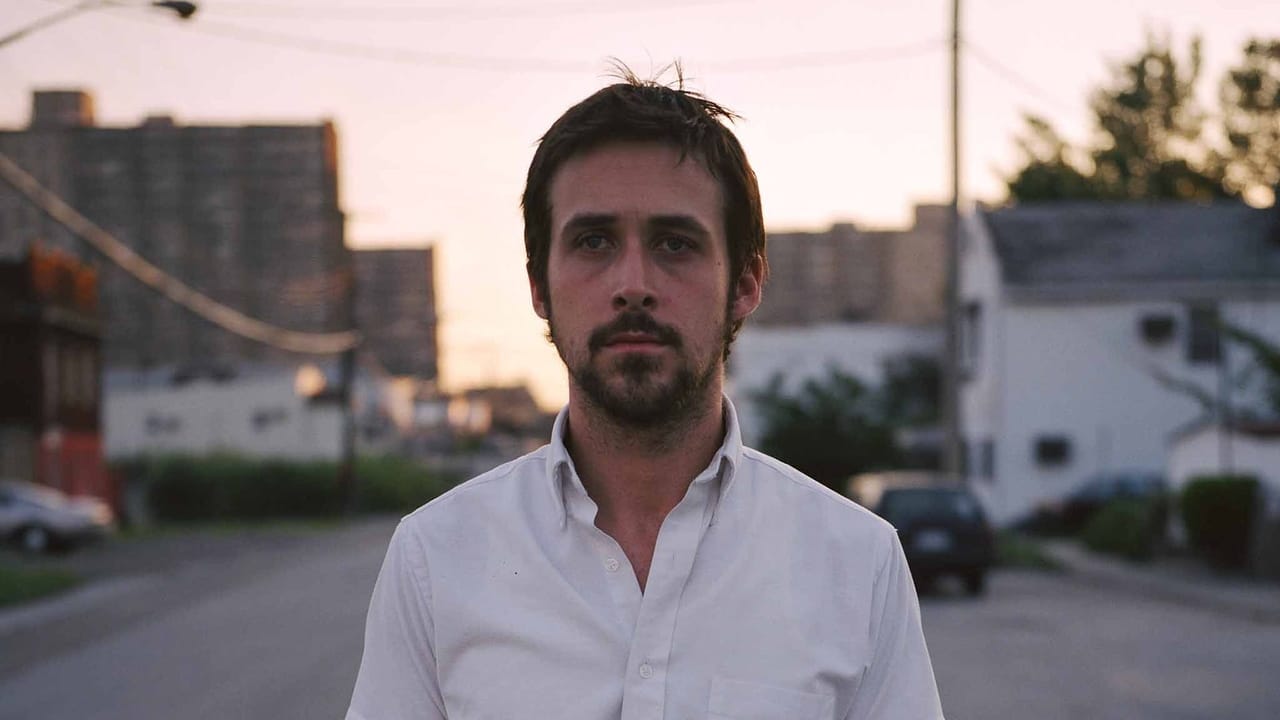
This isn't Dead Poets Society. This is a movie with dirt under its fingernails, and it remains one of the most authentic relics of the mid-2000s independent film boom.
The Anti-Inspirational Teacher
Released in 2006, Half Nelson arrived right as the "Sundance aesthetic" was peaking. Filmmakers Ryan Fleck and Boden (who would much later go on to helm Captain Marvel) weren't interested in the glossy, over-rehearsed drama of Hollywood. They shot this on Super 16mm film, giving it a grainy, jittery, almost voyeuristic quality. It feels less like a movie and more like you’re eavesdropping on a life that’s slowly coming apart at the seams.
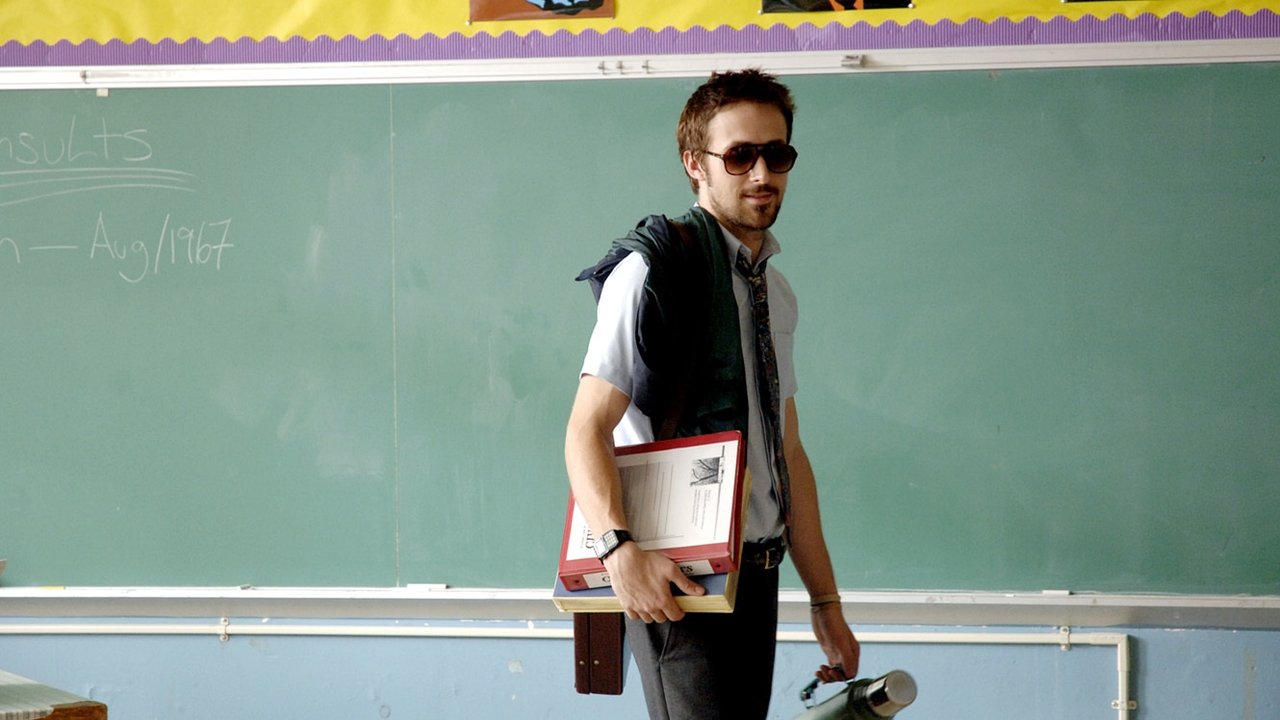
Ryan Gosling plays Dan Dunne, a junior high history teacher who is genuinely brilliant at his job. He teaches his students about dialectics and the constant struggle between opposing forces—a lesson that mirrors his own life. By day, he’s an idealistic mentor; by night, he’s a functional addict wandering through Brooklyn’s shadows. Most "inspirational teacher" movies are actually just propaganda for people who never went to public school, but Half Nelson understands the exhausting reality of trying to care about the world when you can’t even care for yourself.
The pivot point happens when Drey, played by a then-unknown Shareeka Epps, finds Dan passed out in a locker room stall. What follows isn't a blackmail plot or a melodramatic intervention. It’s an awkward, tenuous, and deeply moving bond between two people who are both being failed by the adults in their lives—even if one of those adults happens to be the teacher.
Subverting the Script
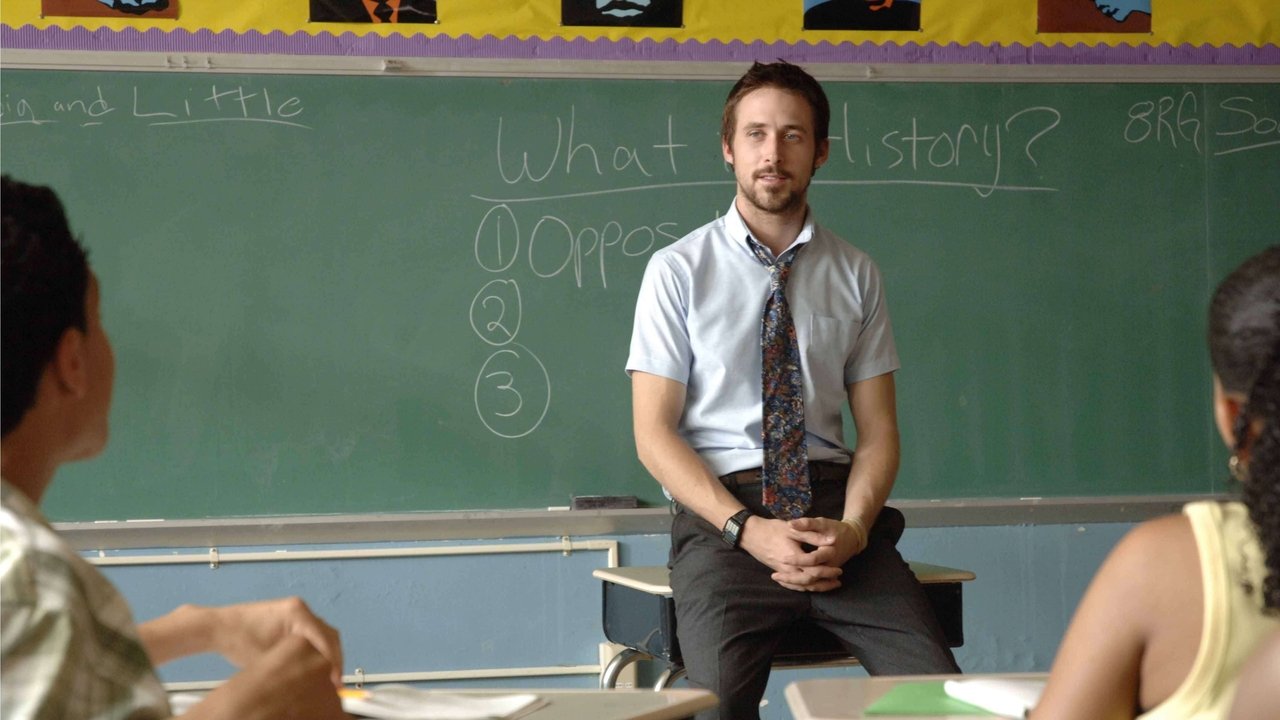
The chemistry between Gosling and Epps is the film’s heartbeat. Shareeka Epps delivers a performance so naturalistic it makes you wonder why she didn't become one of the biggest stars of her generation. She plays Drey with a quiet, watchful intelligence that perfectly balances Gosling’s frenetic, twitchy energy.
Then there’s Anthony Mackie, appearing here long before he was an Avenger, playing Frank, a local drug dealer. In any other movie, Frank would be a one-dimensional villain. Here, he’s a neighborly figure, almost a surrogate uncle to Drey, which makes the moral gray area Dan finds himself in even more suffocating. If this movie were made today, a studio would probably try to give it a "redemption arc" ending that would have ruined the whole point. Instead, it stays true to its dialectical roots: change is slow, painful, and never guaranteed.
The cinematography by Andrij Parekh (who later did incredible work on Succession) uses a handheld style that was very popular in the mid-2000s, but here it serves a purpose. It captures the claustrophobia of Dan’s apartment and the sprawling, indifferent streets of Brooklyn. It feels immediate. It feels like 2006—a time when the "Indie Film" wasn't just a category on Netflix, but a specific, gritty mission statement.
The Hustle Behind the Lens
What I find most impressive looking back is the sheer resourcefulness of the production. This was a true passion project that grew out of a short film titled Gowanus, Brooklyn. Ryan Fleck and Anna Boden wrote the script in a basement and shot the entire feature in just 23 days on a shoestring budget of $700,000. To put that in perspective, that’s less than the catering budget on a modern blockbuster.

They didn't have the money for fancy trailers or long shooting days, so they leaned into the limitations. The "shaky cam" wasn't a stylistic affectation; it was a necessity of moving fast and staying mobile on real Brooklyn streets. Even the score, provided largely by the Canadian indie-rock collective Broken Social Scene, feels perfectly attuned to that specific era of melancholy cool. It’s a movie that succeeded entirely on the strength of its performances and its refusal to blink.
Half Nelson is a rare bird: a character study that trusts its audience to handle ambiguity. It doesn't offer easy answers or a soaring soundtrack to tell you how to feel. It’s a film about the moments between the big choices—the quiet, desperate "halfnelson" grip that our habits and our hopes have on us. Ryan Gosling earned his first Oscar nomination for this role, and looking back, it’s easy to see why. He managed to make a deeply flawed, often unlikeable man feel like someone worth rooting for, simply because he was trying.
It’s a heavy watch, sure, but it’s the kind of film that stays with you long after the credits roll. It’s a reminder that even when the world feels like a series of opposing forces pushing against us, there’s a small, flickering bit of hope in simply showing up for class the next day. This is essential viewing for anyone who misses the era when indie cinema wasn't afraid to be a little messy.
Keep Exploring...
-
It's Kind of a Funny Story
2010
-
Blue Valentine
2010
-

Only God Forgives
2013
-
Monster's Ball
2001
-
Session 9
2001
-

Waking Life
2001
-
Bowling for Columbine
2002
-
Secretary
2002
-
Elephant
2003
-

Thirteen
2003
-
Garden State
2004
-
Primer
2004
-
Hard Candy
2005
-

The Squid and the Whale
2005
-
Brick
2006
-

High School Musical
2006
-

The Man from Earth
2007
-
Felon
2008
-

Blood and Bone
2009
-

Fanboys
2009