Happy Feet
"He’s got the rhythm, but they want the blues."
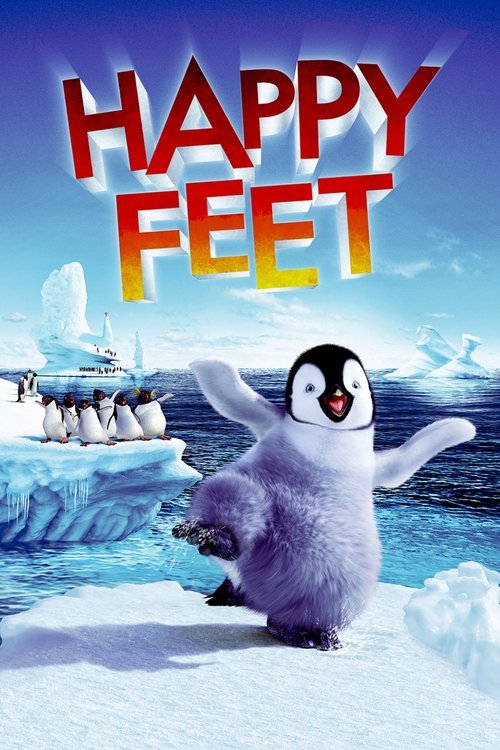
If you had told a film buff in the late 1990s that the man responsible for the high-octane, leather-clad brutality of Mad Max would eventually pivot to a jukebox musical about tap-dancing penguins, they’d have assumed you’d spent too much time in the Australian sun. Yet, George Miller is nothing if not unpredictable. When Happy Feet waddled into theaters in 2006, it wasn't just another talking-animal flick; it was a high-tech, environmentally-conscious fever dream that felt like a Broadway show directed by a man who treats every frame like a life-or-death pursuit.
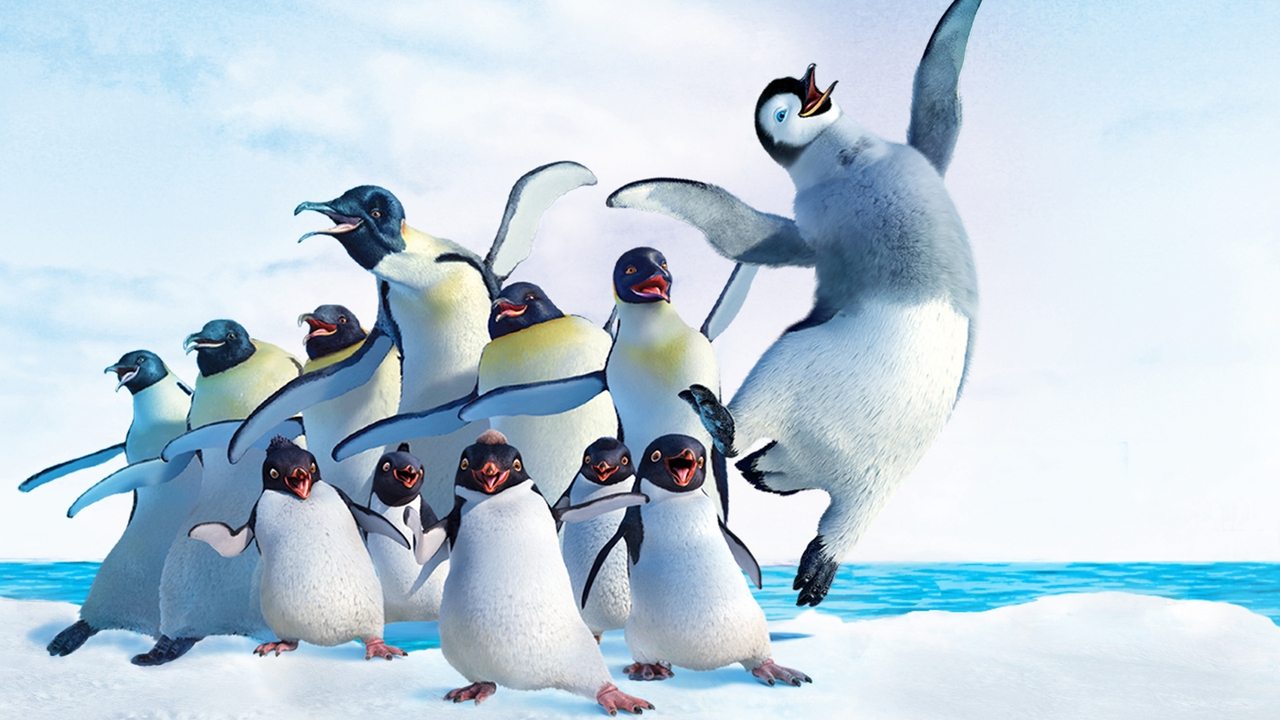
I actually rewatched this while procrastinating on my taxes, nursing a lukewarm bowl of leftover Thai green curry that was definitely too spicy for a Tuesday afternoon. There’s something about the sheer kinetic energy of these flightless birds that makes mundane adult responsibilities feel particularly heavy.
The Penguin Boom and Mocap Magic
The mid-2000s were, for some inexplicable reason, the Era of the Penguin. Between the documentary phenomenon March of the Penguins (2005) and the later mockumentary Surf's Up (2007), audiences were drowning in tuxedoed birds. But Happy Feet stood apart because of its sheer technical ambition. This was the era where motion capture was moving from the "creepy experiment" phase of The Polar Express (2004) into something genuinely expressive.
By bringing in legendary tapper Savion Glover to provide the "soul" of Mumble’s feet, Miller bridged the gap between digital animation and human physical genius. Watching a digital bird move with the precise, frantic syncopation of a world-class dancer is still a trip. It’s early-stage CGI that largely holds up because it leans into the texture of the snow and the fluff of the chicks rather than trying to perfectly replicate human faces.
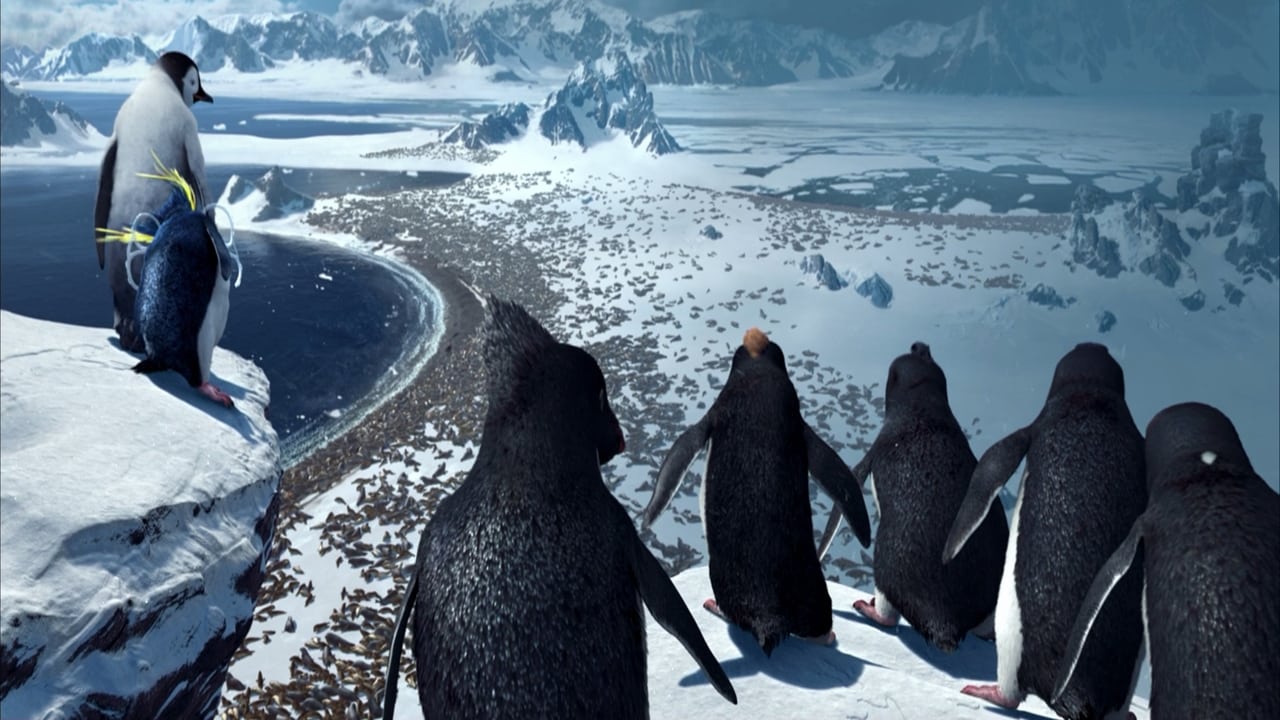
The story follows Mumble (Elijah Wood), a penguin born into a society of Emperor penguins who find their mates through "Heartsongs." Mumble is "tone-deaf," but he has a literal hitch in his giddy-up. While his father, Memphis (Hugh Jackman doing a weirdly charming Elvis riff), is ashamed, and his mother, Norma Jean (Nicole Kidman), is supportive but worried, Mumble finds his real tribe with the Adelie Amigos—a group of hilarious, vertically challenged penguins led by the manic energy of Robin Williams as Ramon.
The Robin Williams Factor
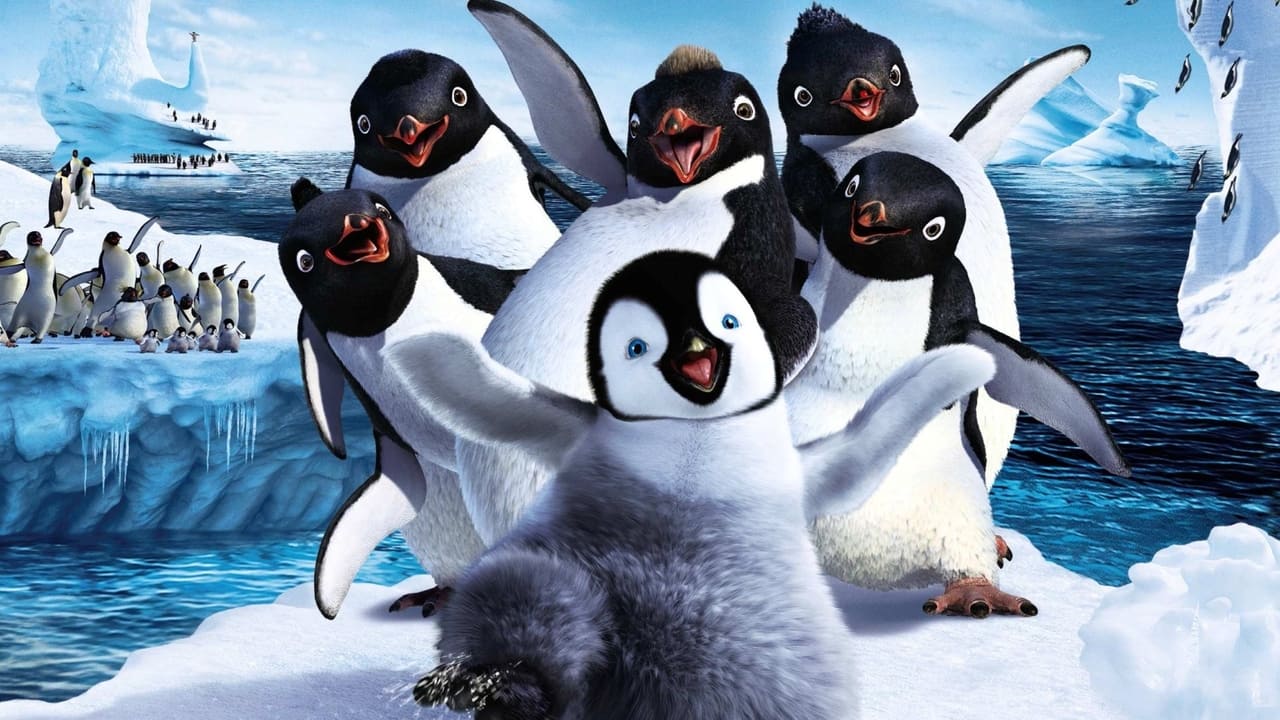
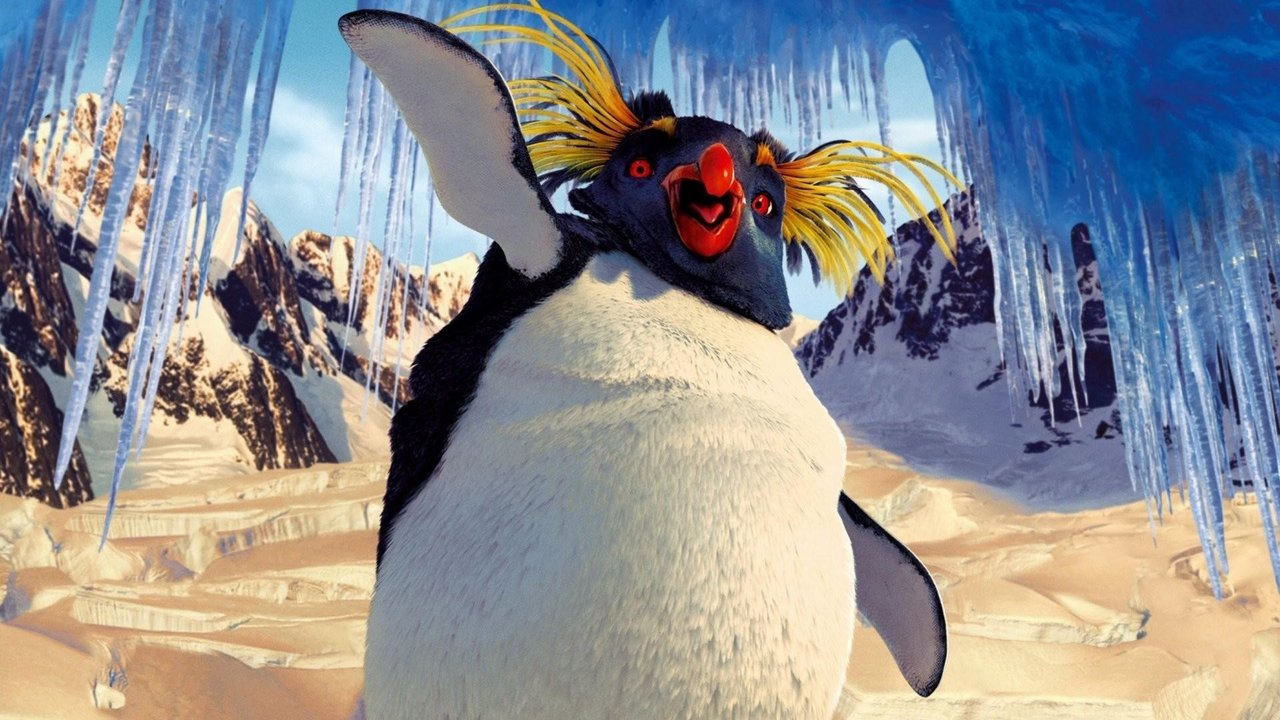
We need to talk about Robin Williams. In 2006, he was still the undisputed king of the recording booth. His performance here as both Ramon and the "guru" Lovelace is a masterclass in comedic timing. I’ve heard rumors that Williams recorded so much improvised material that the editors had enough for three different versions of the movie. You can feel the animators struggling—and succeeding—to keep up with his vocal gymnastics. His delivery is like a sugar rush captured in 1s and 0s.
The chemistry between the Amigos provides the film's comedic backbone. They represent that classic "misfit crew" trope of the 2000s, but they do it with such genuine warmth that it never feels like a corporate mandate. Contrast that with Hugo Weaving’s Noah the Elder, who plays the religious zealot of the colony with the same menacing gravitas he brought to Agent Smith in The Matrix. It’s a wild cast—where else are you getting Wolverine, Elrond, and Mrs. Doubtfire in a movie about global warming?
A Surprising Shift in Tone
What separates Happy Feet from the standard "be yourself" animated fare is the third act. Looking back, I’m struck by how much Miller was willing to risk the "Family Film" label to make a point. The movie shifts from a lighthearted musical into a fairly harrowing survival story and then into a surrealist environmentalist critique. When Mumble finally encounters the "aliens" (humans), the film switches to live-action footage, creating a jarring, disorienting effect that perfectly mirrors the penguin’s confusion.
The sequence where Mumble is trapped in a SeaWorld-esque tank, slowly losing his mind while "interacting" with mindless humans, is surprisingly dark. It reflects that post-9/11 anxiety where blockbuster cinema started injecting real-world consequences into even the fluffiest premises. George Miller’s brain is a terrifying place where post-apocalyptic car chases and tap-dancing birds coexist in the same creative soup, and you see that edge here. He doesn't just want you to tap your toes; he wants you to feel guilty about overfishing.
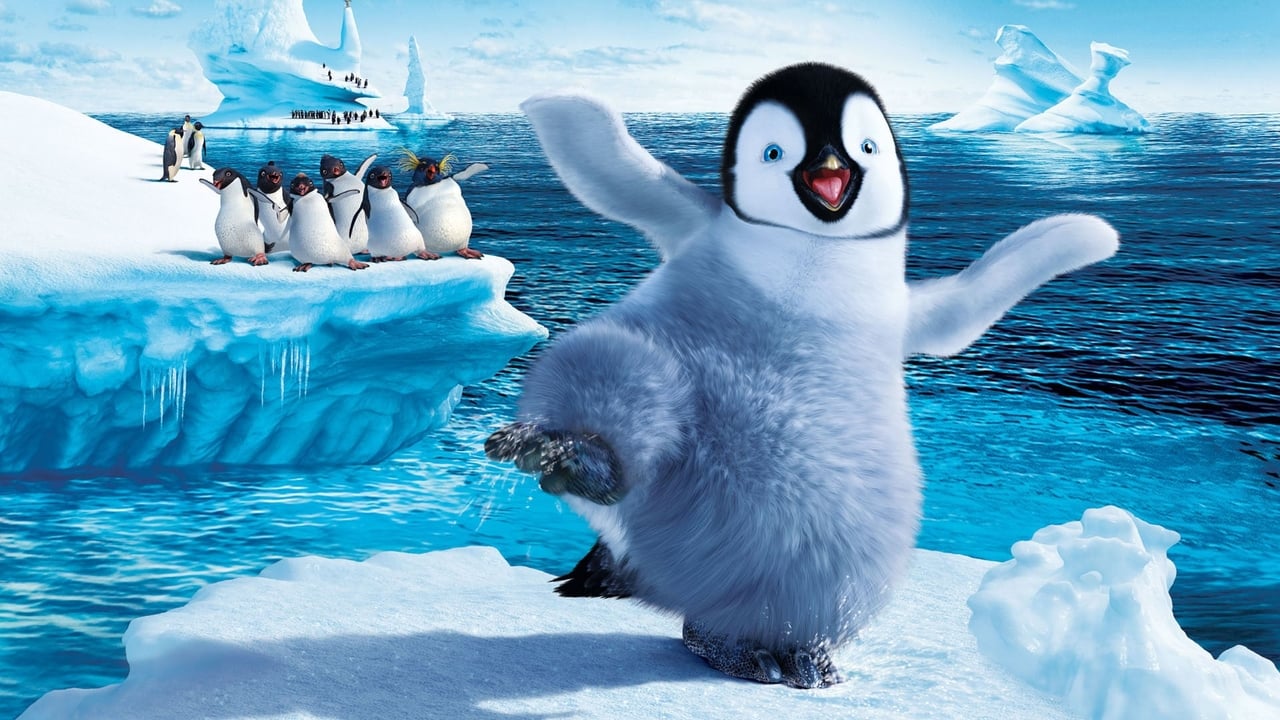
The soundtrack, curated by John Powell, is the glue holding these disparate tones together. From Prince to Queen to Stevie Wonder, the covers are handled with more soul than your average karaoke-heavy animation. Brittany Murphy delivers a rendition of "Boogie Wonderland" that remains a genuine highlight, reminding us of the incredible talent she was.
Ultimately, Happy Feet is a weird, wonderful artifact of the transition from the experimental early 2000s to the more polished franchise era. It was a massive box office hit, raking in over $380 million and snagging the Oscar for Best Animated Feature, proving that audiences were hungry for something that felt a little more "authored" than the standard DreamWorks or Disney formula of the time. It’s a film that isn't afraid to be messy, loud, and occasionally quite sad.
If you haven't revisited this one since the days of DVD special features and bulky CRT televisions, it’s worth a look. The message might be a bit heavy-handed for some, and the "uncanny valley" occasionally rears its head, but the joy of the dance is infectious. Just keep an eye on your spicy curry while you watch; the rhythm might just make you kick your bowl over.
Keep Exploring...
-

Happy Feet Two
2011
-

Babe: Pig in the City
1998
-
Robots
2005
-

Babe
1995
-

Madagascar
2005
-
Cars
2006
-

Ice Age: The Meltdown
2006
-
Over the Hedge
2006
-

The Simpsons Movie
2007
-
Horton Hears a Who!
2008
-
Madagascar: Escape 2 Africa
2008
-

Ice Age: Dawn of the Dinosaurs
2009
-
Kung Fu Panda 2
2011
-

Puss in Boots
2011
-
Rio
2011
-

The SpongeBob SquarePants Movie
2004
-
Hoodwinked!
2005
-

Wallace & Gromit: The Curse of the Were-Rabbit
2005
-

Arthur Christmas
2011
-

Flushed Away
2006