High School Musical
"The status quo never stood a chance."
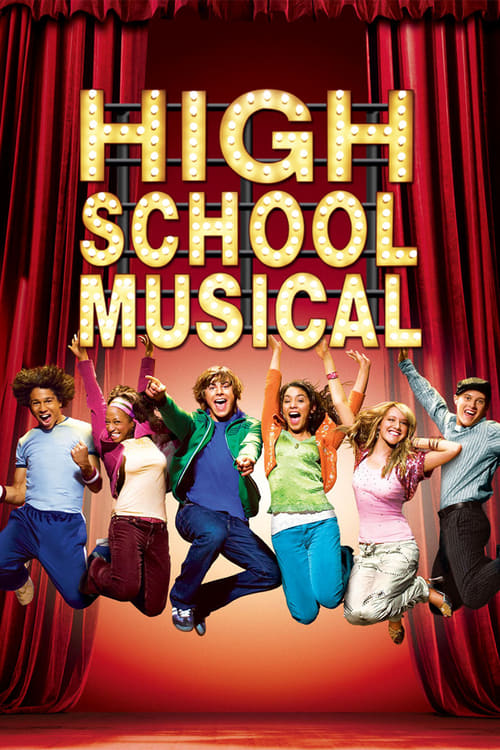
I remember exactly where I was when the "Start of Something New" began. I was sitting on a beanbag chair, nursing a lukewarm Hot Pocket that eventually burned the roof of my mouth, while watching the Disney Channel on a Friday night. At the time, High School Musical felt like a localized event, a fun little TV movie to pass the time between episodes of The Suite Life of Zack & Cody. Looking back, it’s hilarious to realize that this $4.2 million project—a pittance in the world of Mouse House productions—would go on to redefine an entire generation’s relationship with the movie musical.
The $4 Million Miracle
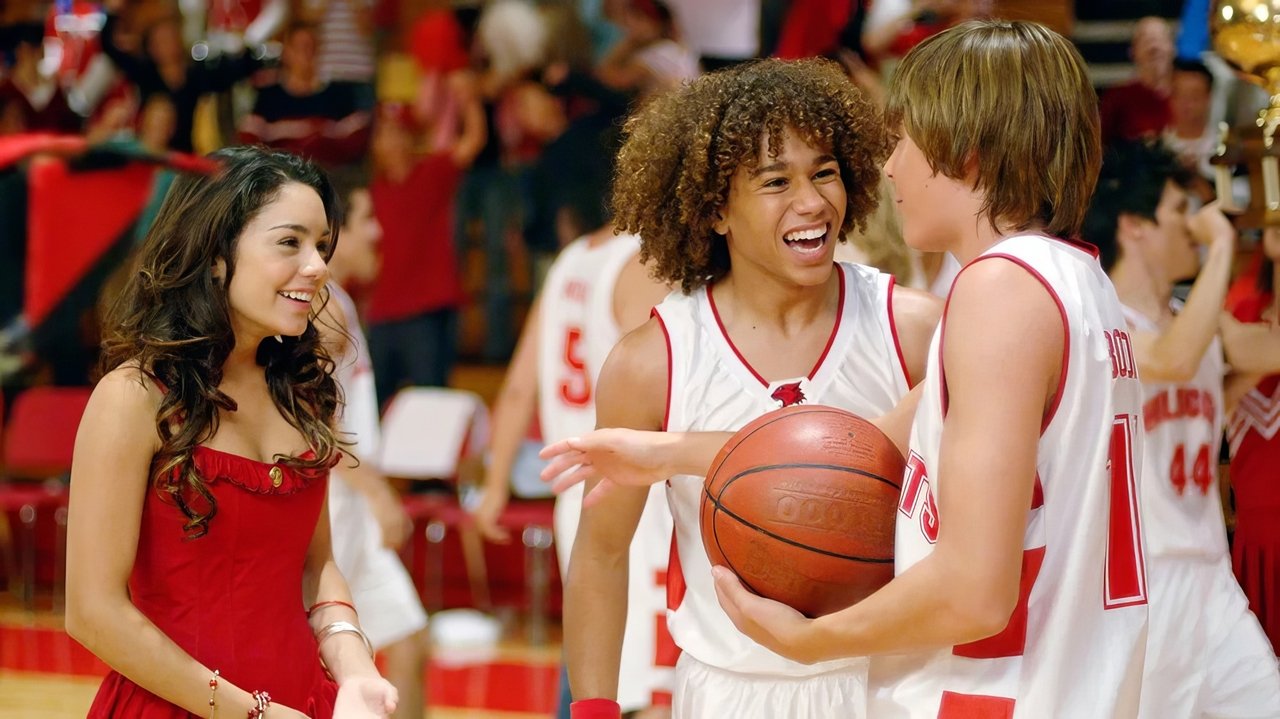
While we often associate Disney with unlimited coffers and CGI-heavy spectacles, High School Musical was born from the "indie" spirit of the Disney Channel Original Movie (DCOM) factory. It didn't have a theatrical marketing budget; in fact, its total box office sits at a measly $3,746 from a few limited international screenings. This was a film made outside the Hollywood prestige system, shot in just 24 days at a real school—East High in Salt Lake City—while actual classes were in session.
Director Kenny Ortega (the man who gave us the choreography for Dirty Dancing and directed Hocus Pocus) brought a level of professional rigors to a cast of mostly unknowns. The production was a hustle. They didn't have the budget for massive sets, so they used what they had: a gym, a cafeteria, and a rooftop garden. This forced a creative reliance on the performances and the music rather than flashy effects. It’s a classic example of how limitations breed iconic imagery. When Zac Efron and Corbin Bleu are dancing with basketballs in "Get'cha Head in the Game," they aren't relying on digital trickery; they’re performing a highly synchronized, percussive routine that took weeks of rehearsal to perfect on a shoestring schedule.
The Drama of the Dual Identity
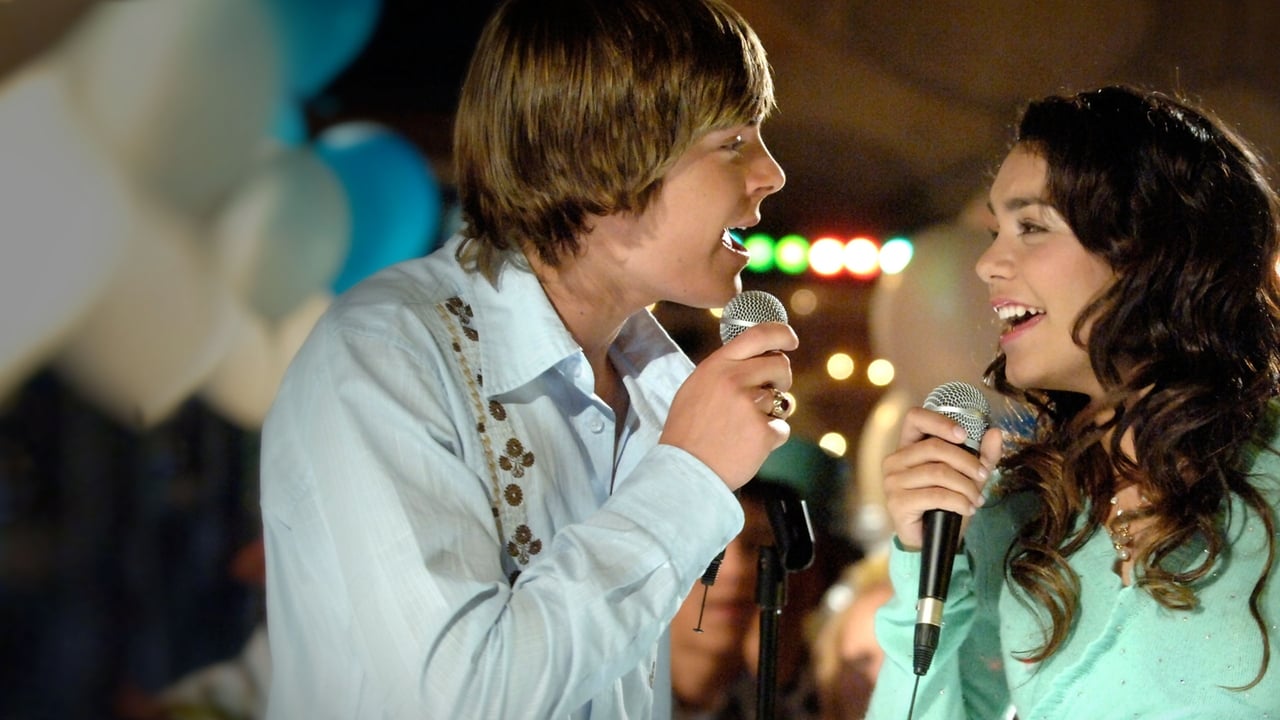
At its heart, the film is a surprisingly focused drama about the crushing weight of social expectations. Zac Efron, playing Troy Bolton, captures that specific brand of teenage anxiety where your entire identity is tied to what other people need you to be. He’s the "playmaker," the son of the coach, and the golden boy of the varsity team. When he meets Vanessa Hudgens' Gabriella Montez—an academically gifted girl who just wants to be "the girl who sings"—their connection creates a ripple effect that threatens the school’s rigid caste system.
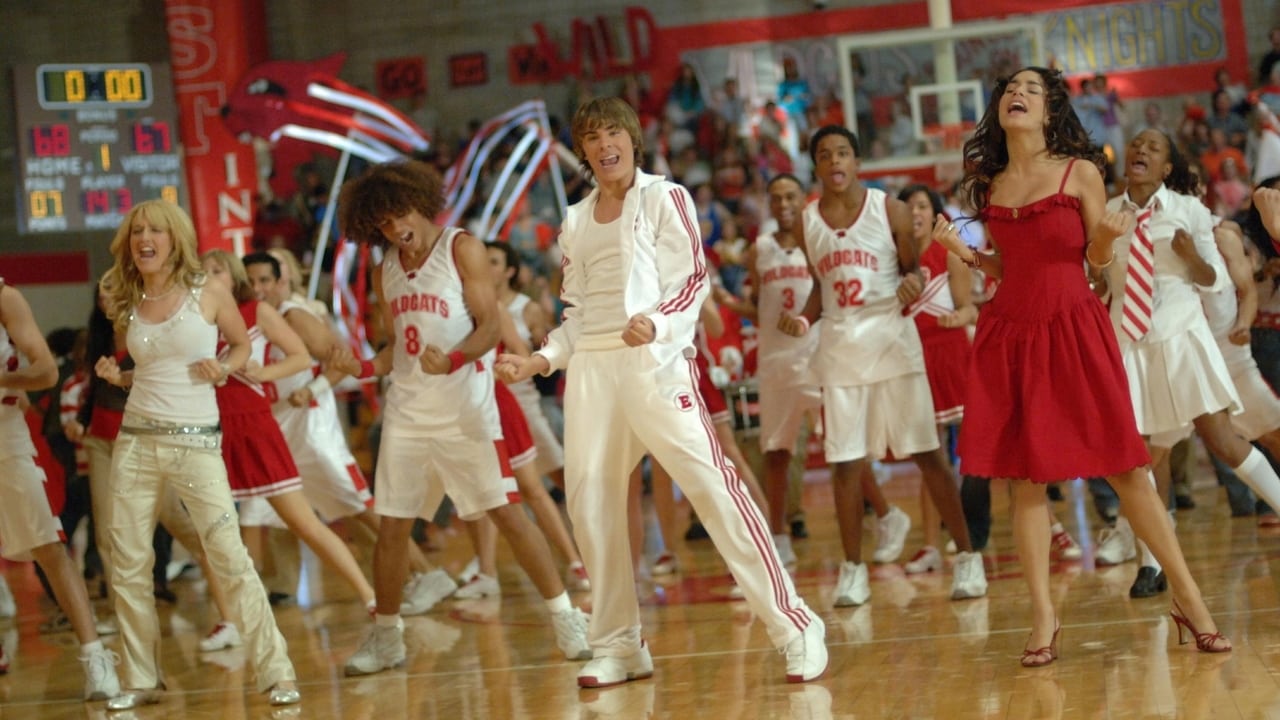
The performances are what make the drama land. Zac Efron has a natural, understated charisma that anchors the film, even if his singing voice in this first installment was famously blended with singer Drew Seeley because Efron’s natural baritone didn't quite hit the "pop" tenor requirements at the time. Vanessa Hudgens provides the perfect earnest foil, bringing a vulnerability to Gabriella that makes the stakes feel real.
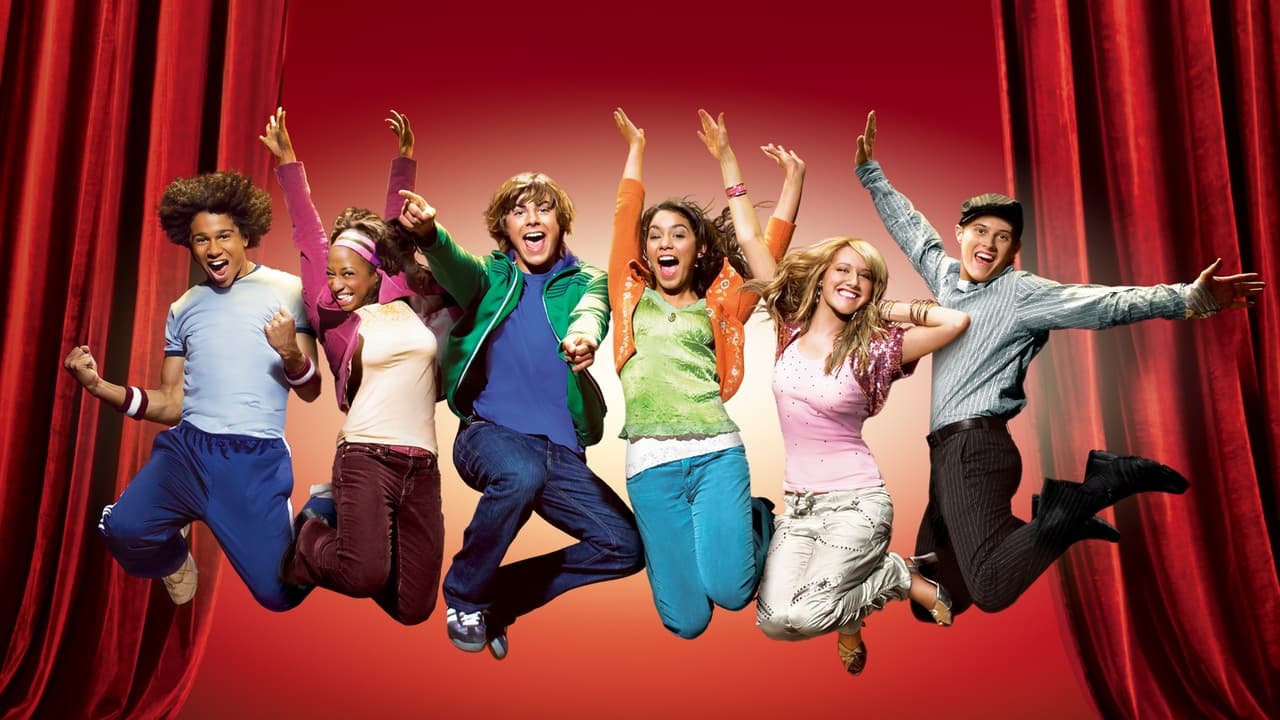
And then, there’s the opposition. Ashley French (as Sharpay Evans) and Lucas Grabeel (as Ryan Evans) are theatrical powerhouses who treat the school musical with the intensity of a Broadway opening night. My personal hot take: Sharpay Evans was the only person in this entire school with a professional work ethic. While Troy and Gabriella are "finding themselves," Sharpay is putting in the 10,000 hours required for greatness. The conflict isn't just about who gets the lead roles; it’s about the fear of "breaking the status quo" in a world that demands you stay in your lane.
Pacing, Plasticity, and Pop
The script by Peter Barsocchini doesn't try to be The Breakfast Club. It embraces a bright, primary-color aesthetic that feels like a live-action cartoon, yet the emotional beats are remarkably authentic. I’m always impressed by the "Stick to the Status Quo" sequence in the cafeteria. It’s a masterclass in ensemble staging. The way the secret passions of the "brainiacs" and "skater dudes" come bubbling to the surface—confessions of baking crème brûlée and hip-hop dancing—serves as a poignant, if slightly cheesy, look at how we suppress ourselves to fit in.
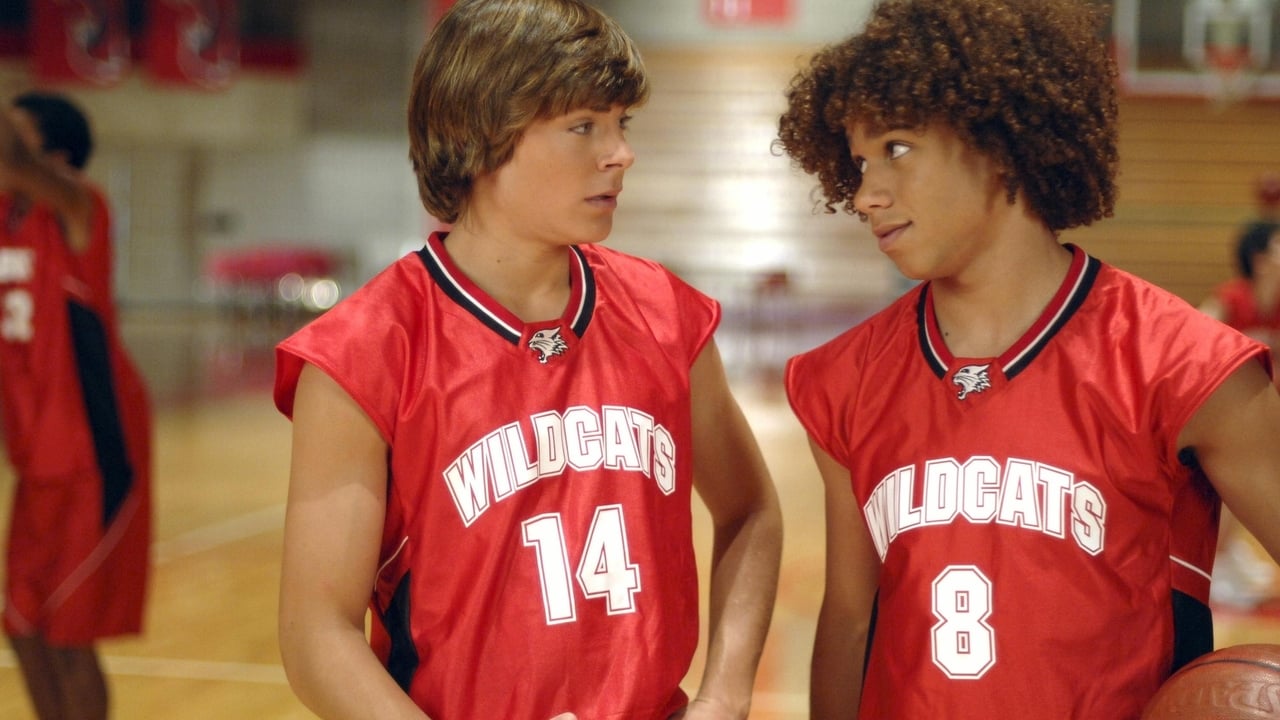
The music, composed by David Lawrence, acts as the emotional engine. The score is pure 2006 synth-pop, but the arrangements are clever. The way the movie transitions from the quiet, nervous energy of the callbacks to the explosion of school spirit in "We're All In This Together" is incredibly satisfying. The basketball choreography is essentially a 90-minute Gatorade commercial with better hair, but Kenny Ortega's direction ensures that the camera always knows where the energy is. He lets the dancers breathe, using wide shots to show the collective effort of the ensemble rather than cutting every half-second to hide mistakes.
Looking back, High School Musical shouldn't have worked as well as it did. It was a low-budget TV experiment that leaned into earnestness during an era that was often defined by irony. But because it treated its characters' internal dilemmas—the athlete who wants to sing, the nerd who wants to dance—with genuine respect, it became something far bigger than its $4 million price tag suggested.
Ultimately, this film succeeded because it understood that for a teenager, the choice between a basketball game and a musical callback feels like a life-or-death decision. It captured a very specific moment in the mid-2000s when digital culture was starting to boom, but the shared experience of a "TV movie event" could still stop the world. It’s bright, it’s loud, and it’s unapologetically sincere, reminding me that sometimes the biggest dramas happen in the smallest hallways.
Keep Exploring...
-
High School Musical 2
2007
-

High School Musical 3: Senior Year
2008
-
Camp Rock
2008
-
Hannah Montana: The Movie
2009
-
Save the Last Dance
2001
-
What a Girl Wants
2003
-
First Daughter
2004
-
Raise Your Voice
2004
-
The Princess Diaries 2: Royal Engagement
2004
-
Just My Luck
2006
-
Nick and Norah's Infinite Playlist
2008
-
Princess Protection Program
2009
-

Wizards of Waverly Place: The Movie
2009
-

Starstruck
2010
-
A Cinderella Story: Once Upon a Song
2011
-
Lemonade Mouth
2011
-
Secretary
2002
-
Garden State
2004
-
Beginners
2011
-

17 Again
2009