Hostel
"In this city, the tourists are the souvenir."
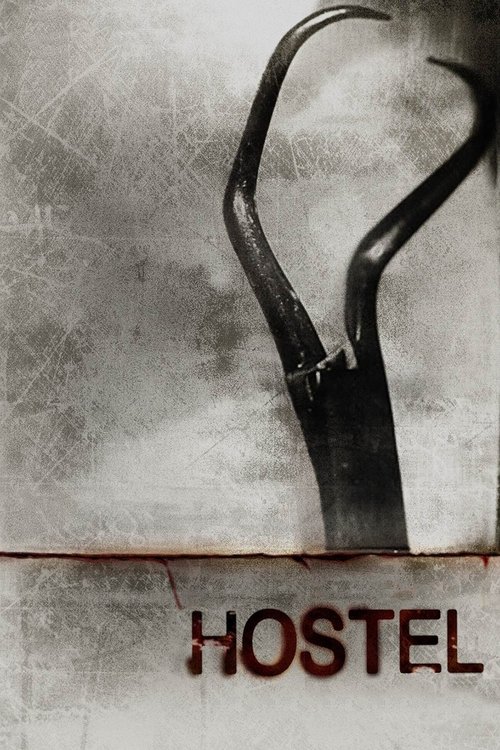
I distinctly remember the first time I saw the poster for Hostel. It was that sickly, fluorescent green—the kind of color that suggests a hospital hallway where the janitor hasn't shown up in a week. I watched it for the first time on a flickering CRT TV in my college dorm while my roommate was snoring rhythmically, and honestly, the sound of his heavy breathing made the industrial hum of the film’s sound design about ten times more stressful.
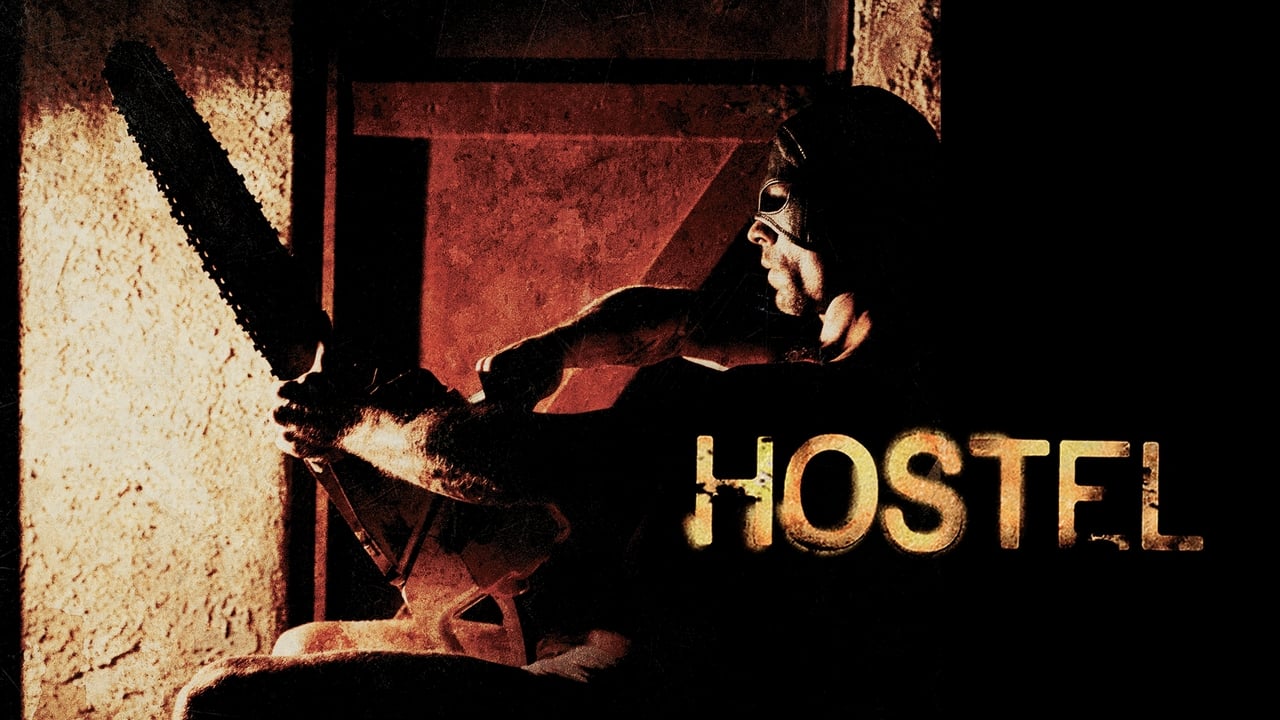
By 2006, we were deep into the "Post-9/11" era of horror. The shiny, self-referential slashers of the 90s like Scream had been buried. Audiences were suddenly hungry for something meaner, grittier, and uncomfortably tactile. Eli Roth—who had already made a splash with the skin-crawling Cabin Fever (2002)—stepped in to give us exactly what we were afraid of: the idea that, to the rest of the world, American arrogance was a commodity to be bought, sold, and eventually, dismantled.
The Bait-and-Switch of the Century
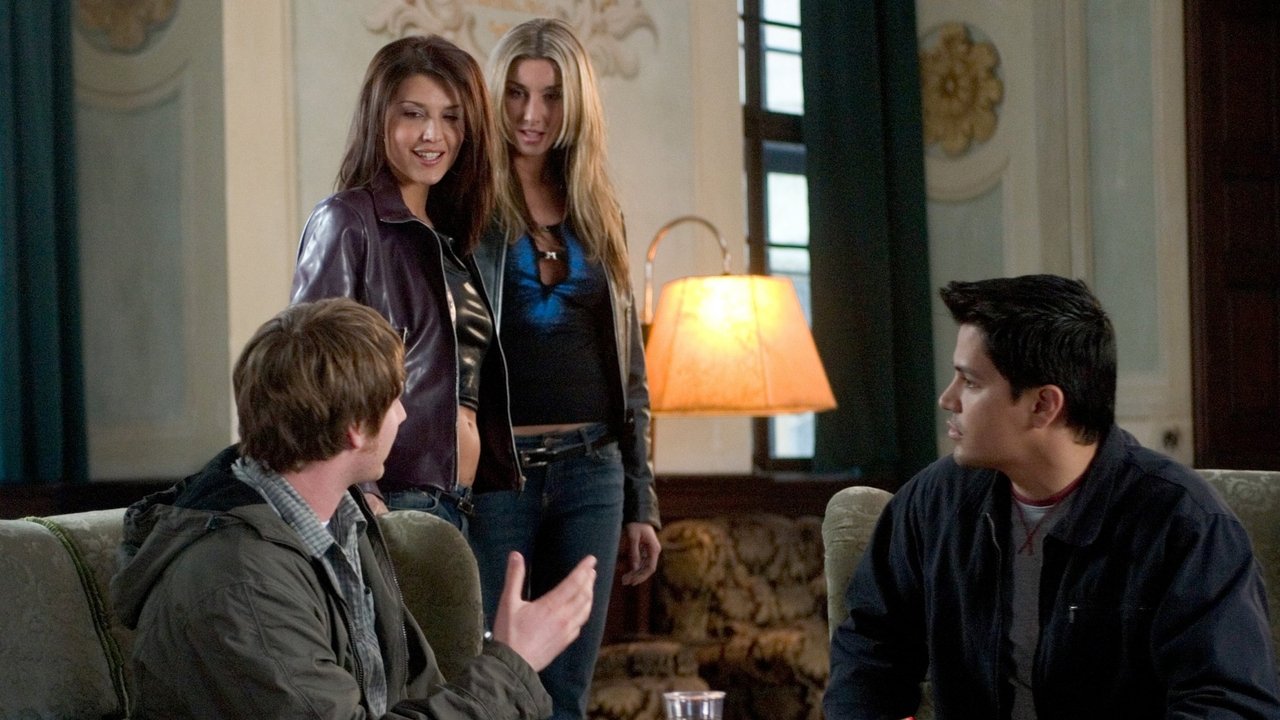
The most brilliant (and arguably most annoying) thing about Hostel is that for the first forty minutes, you’d be forgiven for thinking you’d accidentally rented an unrated Adam Sandler production. We follow Paxton (Jay Hernandez) and Josh (Derek Richardson) as they trek through Europe with their Icelandic tag-along Oli (Eythor Gudjonsson). They are the quintessential "Ugly Americans"—privileged, hornier than a middle-school dance, and convinced that the world is their personal playground.
The first half of the movie is basically an 'American Pie' sequel directed by someone who actually hates teenagers. It’s slow, it’s filled with frat-boy banter, and it purposefully lulls you into a state of irritation. Eli Roth (who also wrote the screenplay) is playing a long game here. He wants you to find these guys exhausting so that when the floor drops out, you’re forced to reconcile your annoyance with the sheer, unadulterated terror of what happens to them. When they arrive at the Slovakian hostel, lured by the promise of Natalya (Barbara Nedeljakova) and Svetlana (Jana Kaderabkova), the shift in tone isn't a transition; it's a car crash.
Independent Grit and the "Tarantino" Touch
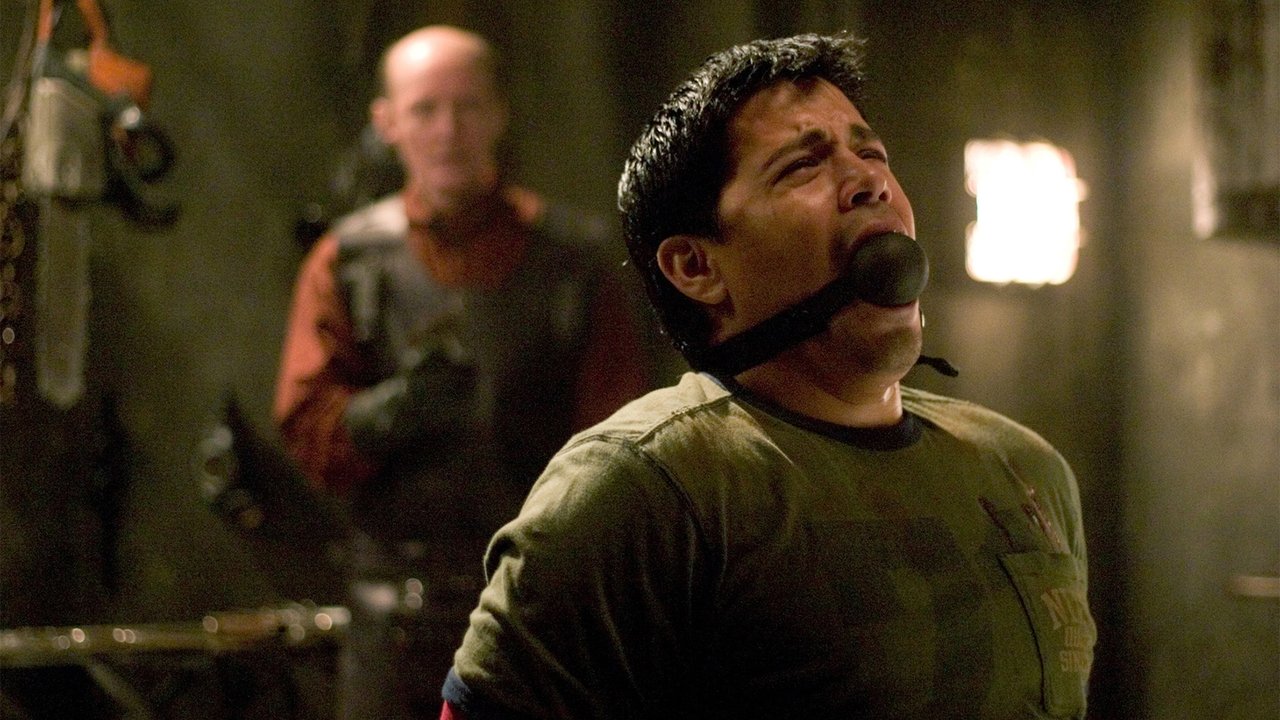
Despite the massive cultural footprint Hostel left, it’s easy to forget this was an independent production. Produced by Quentin Tarantino (whose "Presented By" credit was a massive marketing win in the DVD era), the film was made for a relatively measly $4.8 million. That’s essentially the catering budget for a Marvel movie today, but Eli Roth used every cent to buy atmosphere.
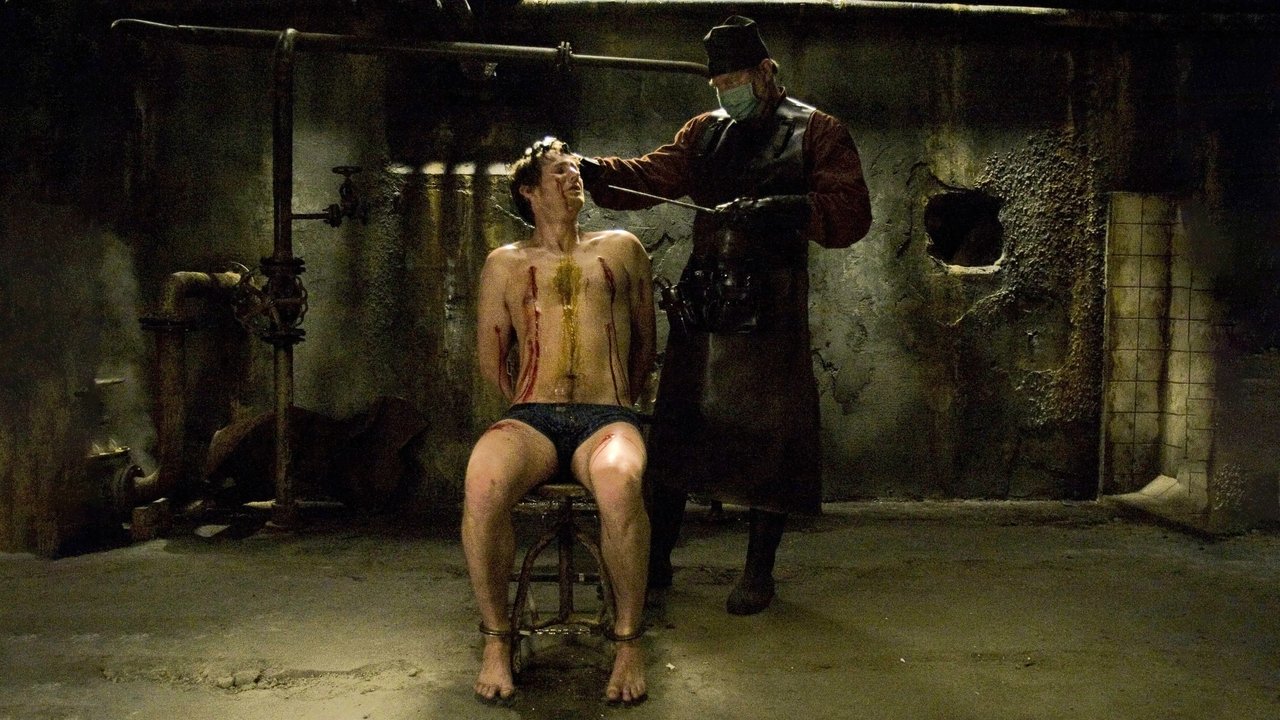
They shot in the Czech Republic, primarily in an actual former psychiatric hospital in Prague that had been closed down for years. You can’t fake that kind of ambient misery. The cinematography by Milan Chadima captures a world that feels damp and rusted. Everything looks like it would give you tetanus if you touched it. This was the peak of the "Gorehound" renaissance, where practical effects were still king. The makeup work is legendarily nasty; there’s a specific scene involving a pair of scissors and an eyeball that I still have to watch through my fingers. It wasn't just about the blood; it was about the texture of the pain.
The film's "Elite Hunting" concept—where wealthy businessmen pay to torture and kill people—reportedly came from a real-life website Eli Roth found in Thailand. Whether the site was a hoax or a deep-web nightmare, the "pay-to-slay" premise tapped into a very specific mid-2000s anxiety about globalism and the widening gap between the "haves" and the "human-shaped toys."
The Legacy of the Meat Grinder

Looking back, Hostel is a fascinating relic of the DVD boom. I remember the "Unrated Director's Cut" being the holy grail of every suburban teenager’s collection. It represented a time when indie horror could still cause a genuine international incident—the Slovakian and Czech governments were actually quite vocal about their distaste for how their countries were portrayed. Jay Hernandez anchors the film with a performance that starts as a caricature and ends in a place of raw, jagged survivalism. He’s much better here than the script probably required him to be.
Is it "torture porn"? That’s the label critics loved to slap on it. But I think that’s a bit reductive. Unlike the increasingly convoluted Saw sequels, Hostel is a very simple, very effective cautionary tale about the end of American exceptionalism. It’s a movie that asks: "What if you aren't the protagonist of the world? What if you're just a line item in someone else's ledger?"
Hostel remains a sharp, mean, and surprisingly well-constructed nightmare that defined a very specific window of horror history. It’s not a "fun" watch in the traditional sense, but as a piece of indie filmmaking that conquered the box office through sheer, unapologetic audacity, it’s essential viewing for any genre fan. Just maybe skip the pepperoni pizza while you're watching it. Trust me on that one.
Keep Exploring...
-

Hostel: Part II
2007
-
Cabin Fever
2003
-
The Green Inferno
2013
-
Session 9
2001
-
The Hole
2001
-

Dog Soldiers
2002
-

Ju-on: The Grudge
2002
-
High Tension
2003
-
Open Water
2004
-
Wolf Creek
2005
-
Inside
2007
-
P2
2007
-
After.Life
2009
-
Dead Snow
2009
-
I Spit on Your Grave
2010
-
Rubber
2010
-
The Last Exorcism
2010
-
Troll Hunter
2010
-
Grave Encounters
2011
-

Red State
2011