Inland Empire
"Reality is a rehearsal you can't escape."

The image is ugly. Not accidentally ugly, but aggressively, intentionally lo-fi—a smear of yellow-tinted digital noise that looks like it was captured by a private investigator hiding in a closet. In 2006, the film world was still arguing about whether digital video could ever replace the lush, organic texture of 35mm film. David Lynch (the mastermind behind Twin Peaks and Blue Velvet) answered that question by picking up a prosumer Sony DSR-PD150 camcorder and proving that digital didn't have to be pretty to be terrifying. It just had to be honest about its own decay.

I watched this for the first time in a cramped apartment where the radiator was hissing in a perfect, dissonant harmony with the industrial hum of the soundtrack. About two hours in, I spent twenty minutes genuinely trying to figure out if the movie was leaking into my living room or if my living room was being absorbed by the screen. That’s the "Lynchian" effect at its most concentrated; it’s a film that doesn't just ask for your attention—it demands your sanity as a down payment.
The Grain of the Nightmare
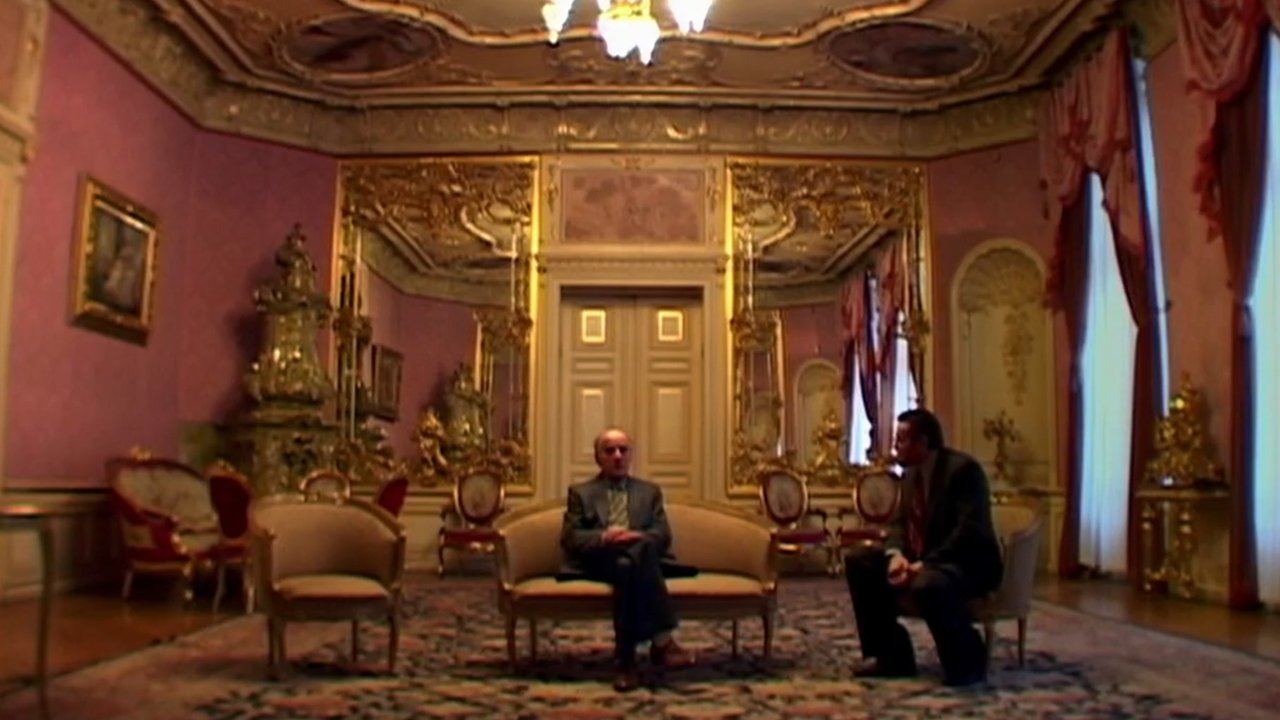
Inland Empire is a massive, three-hour labyrinth that exists in the cracks between Hollywood artifice and a fractured psyche. The "plot," if we’re being generous with the term, follows Nikki Grace (Laura Dern), an actress who lands a role in a high-stakes melodrama directed by a nervous Jeremy Irons. She soon discovers the film is a remake of a Polish production that was abandoned after the lead actors were murdered. From there, the boundaries between Nikki, her character "Susan Blue," and a surreal underworld of Polish circus performers and anthropomorphic rabbits begin to dissolve.
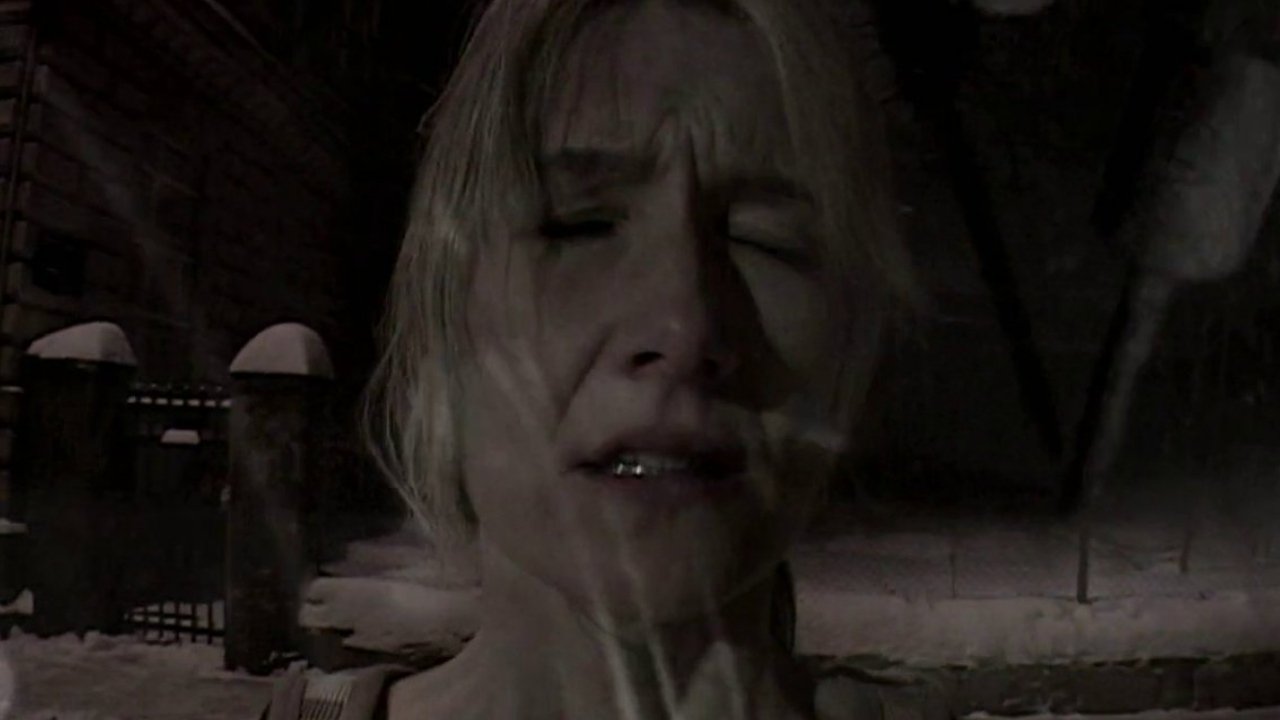
Looking back from an era where digital cinematography is polished to a high-gloss sheen, the aesthetic here feels radical. It belongs to that mid-2000s moment where the "Indie Film Renaissance" met the "Digital Revolution." While other directors were trying to make digital look like film, David Lynch leaned into the format's limitations. He used the camera's ability to shoot in low light to create shadows that look like ink spills. It’s a three-hour panic attack recorded on a gas station surveillance camera, and it works because the lack of visual "beauty" makes the horror feel dangerously real.
Dern’s Descent into the Rabbit Hole
If anyone else were at the center of this, the movie might collapse under its own abstraction. But Laura Dern is nothing short of heroic. She’s essentially playing four or five variations of the same soul, transitioning from a poised Hollywood starlet to a terrified woman wandering the streets of Los Angeles with a screwdriver stuck in her side. Her face—distorted by wide-angle lenses and pushed directly into the camera—becomes the film’s primary landscape.
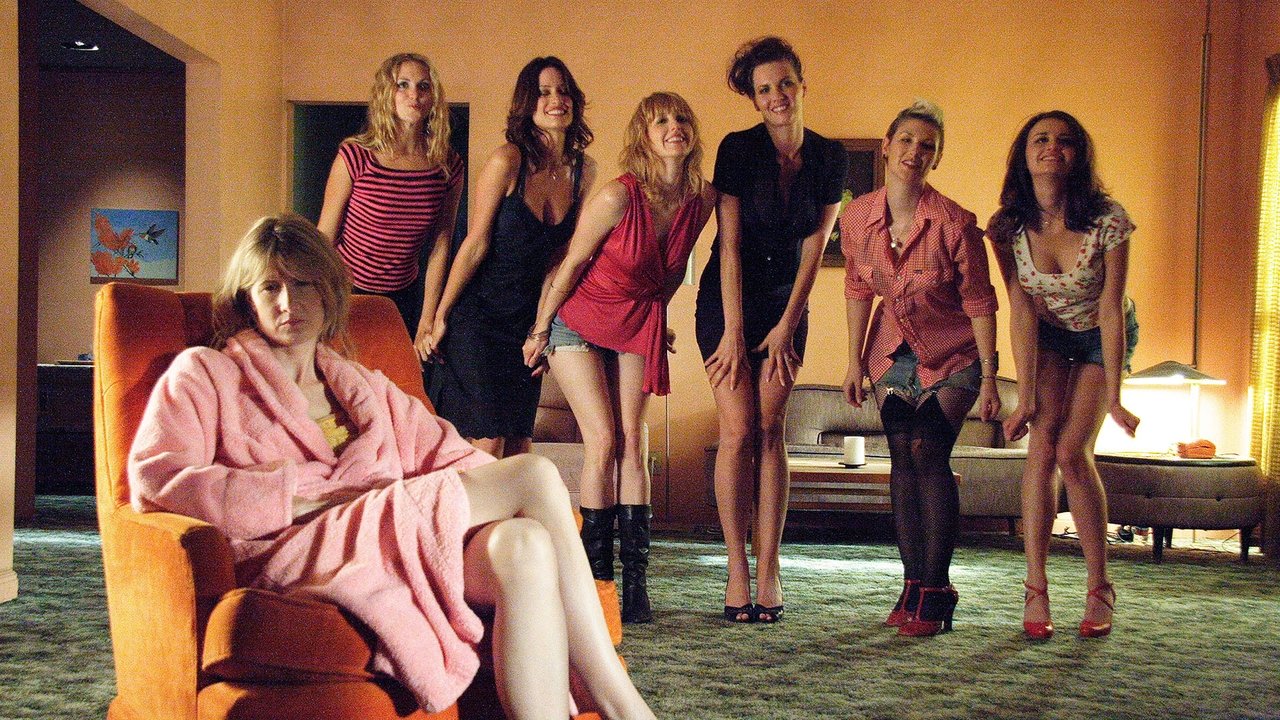
The supporting cast is equally game for the madness. Justin Theroux (who worked with Lynch on Mulholland Drive) brings a slick, predatory energy as the co-star, while the late, great Harry Dean Stanton pops up as a debt-ridden production assistant who mostly wants to borrow five dollars. There’s a scene where Harry Dean Stanton describes his life’s philosophy that feels like a warm hug in the middle of a blizzard. It’s these human touches that keep you tethered to the ground while the rest of the film tries to launch you into the sun.
A Masterclass in Atmospheric Dread
As a horror film, Inland Empire doesn't rely on the jump-scare mechanics that dominated the early 2000s. There are no masked killers or CGI ghosts. Instead, the fear comes from the sound design and the spatial distortion. Lynch, who also handled the sound, fills the silence with low-frequency drones and sudden, sharp mechanical noises. When a character walks through a door in a Hollywood mansion and ends up in a snow-covered alleyway in Poland, the shift feels physically jarring.
The "Rabbit" sequences—scenes featuring actors in bunny suits on a sitcom set with a canned laugh track—are perhaps the most unsettling thing Lynch has ever put on screen. There is no punchline, only the feeling that you are watching something you weren't meant to see. The film is the cinematic equivalent of a toothache that won't go away, and yet, you find yourself leaning closer to the screen, trying to decode the logic of the pain.
Behind the Scenes of the Surreal
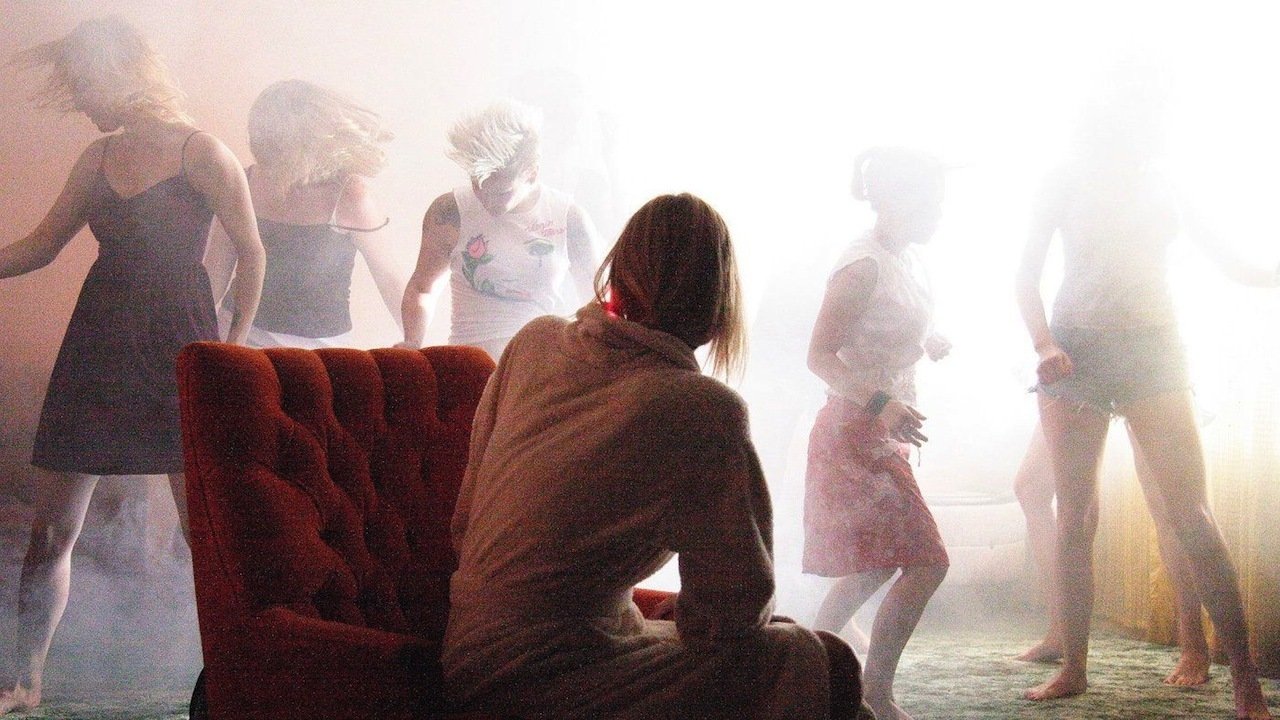
The production of Inland Empire is as legendary as the film itself. David Lynch shot it over the course of three years without a finished script. He would write scenes in the morning and film them in the afternoon, allowing the story to evolve organically. It was a total rejection of the studio system, funded largely by his own production company and StudioCanal.
When it came time to campaign for Laura Dern for an Academy Award, Lynch didn't buy billboards. Instead, he sat on the corner of Hollywood and La Brea with a live cow and a giant poster of Dern’s face. It was a piece of performance art that perfectly captured the DIY, outsider spirit of the project. While the movie was a box-office footnote—earning just a fraction of its $15 million budget—it has since become a holy grail for fans of experimental horror.
This isn't a "casual Friday night" movie. It’s an endurance test, a puzzle with extra pieces from a different box, and a deeply moving portrait of a woman trying to find her way home through a forest of her own nightmares. It captures that specific 2006 anxiety—the transition into a digital world where identity is fluid and nothing is permanent. If you’re willing to sit in the dark and let the digital grain wash over you, Inland Empire offers an experience that you won't find anywhere else in modern cinema. Just make sure your radiator isn't hissing when you start.
Keep Exploring...
-
Mulholland Drive
2001
-
Twin Peaks: Fire Walk with Me
1992
-
Lost Highway
1997
-
Wild at Heart
1990
-
The Jacket
2005
-
The Skin I Live In
2011
-
Take Shelter
2011
-

Ghost
1990
-

Ginger Snaps
2001
-

The Devil's Backbone
2001
-

The Gift
2000
-
Infernal Affairs
2002
-
A Tale of Two Sisters
2003
-
Caché
2005
-
Tell No One
2006
-
Thirst
2009
-
Sleepy Hollow
1999
-

Jacob's Ladder
1990
-
Arlington Road
1999
-
What Lies Beneath
2000