Inside Man
"The smartest man in the room is never the one holding the gun."
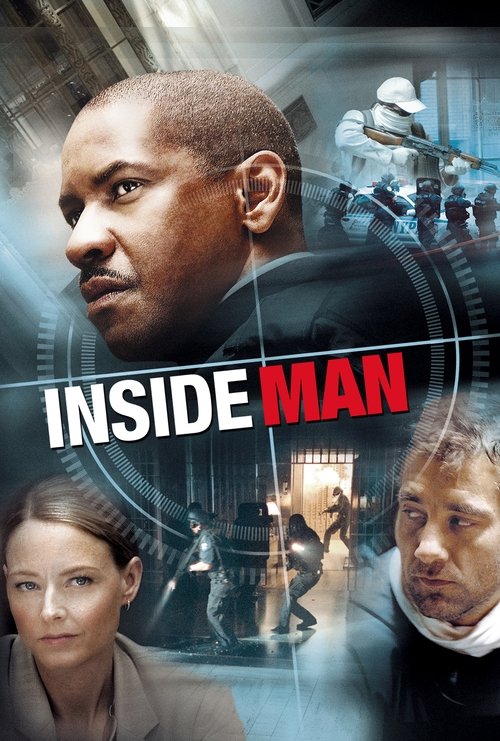
Dalton Russell sits in a cell-like space, illuminated by a harsh, fluorescent glow, and tells us exactly what he’s going to do. He gives us the "who," the "what," the "where," and the "why." He only leaves out the "how." It’s a bold way to start a heist film—daring the audience to keep up when the magician has already shown you his sleeves are empty.
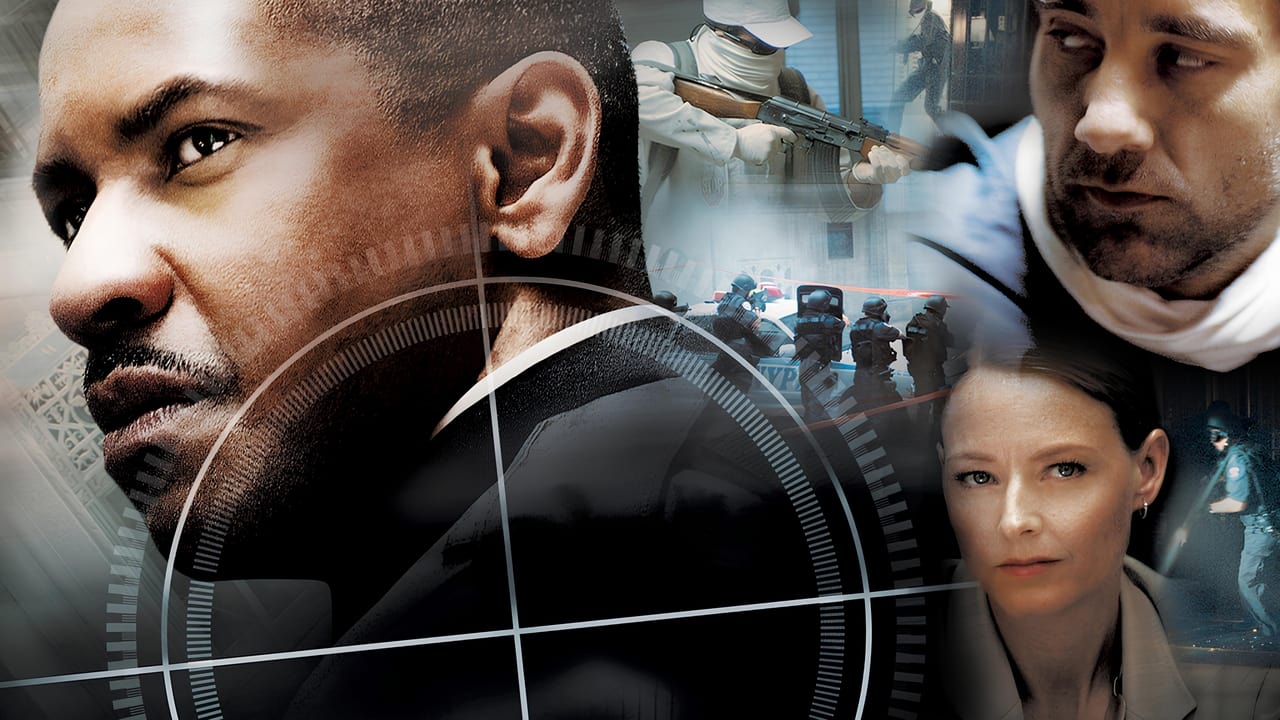
When Clive Owen delivers that opening monologue, he isn't just setting the plot; he’s setting the temperature for the coolest, most calculated thriller of the mid-2000s. I first watched this on a flight to Chicago while my seatmate was aggressively snoring into a neck pillow, and even through tiny, grainy seatback-screen pixels, the tension was suffocating. Inside Man is a "Spike Lee Joint" that disguises itself as a standard Hollywood blockbuster, only to reveal a much more complex, cynical, and New York-centric heart beating underneath.
The Chess Match in a New York Minute
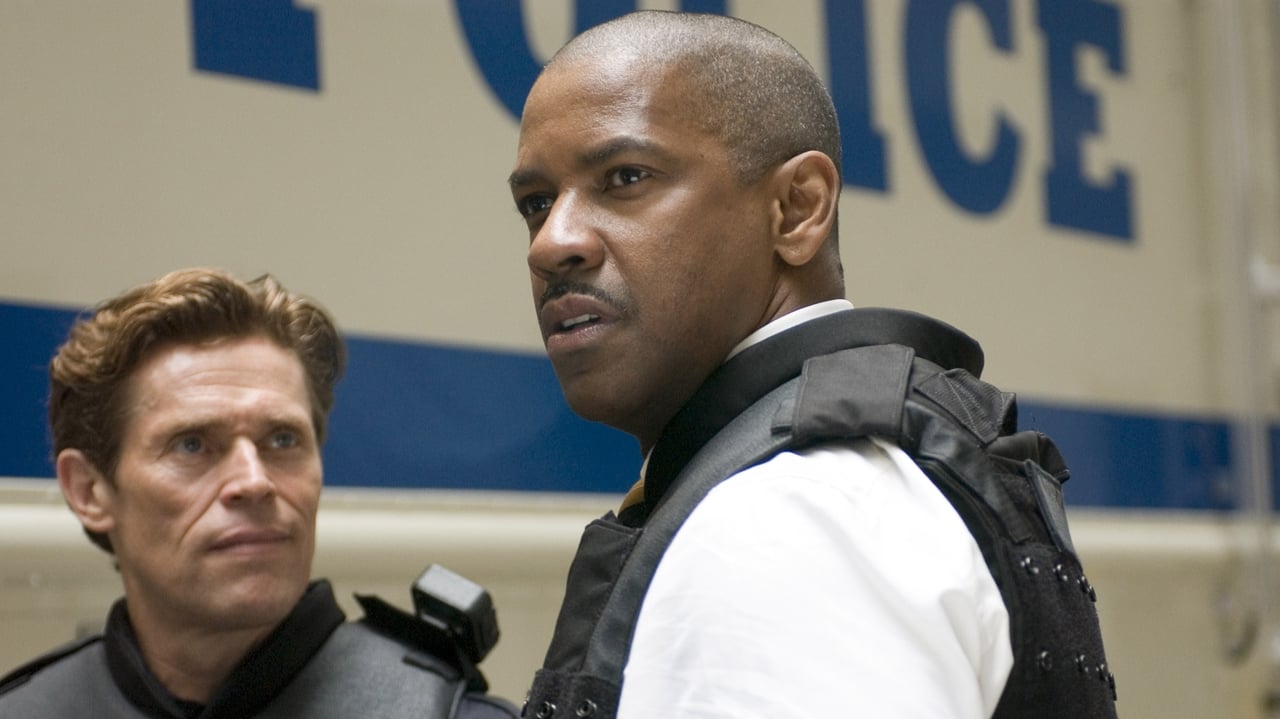
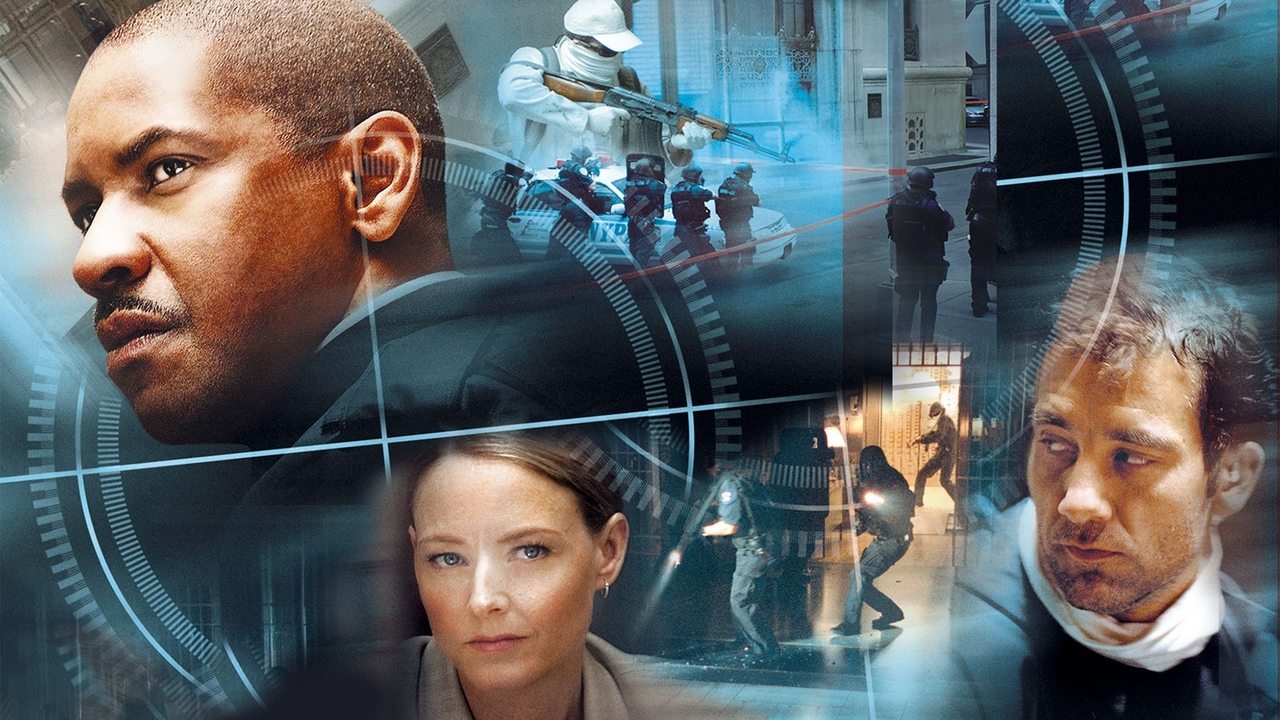
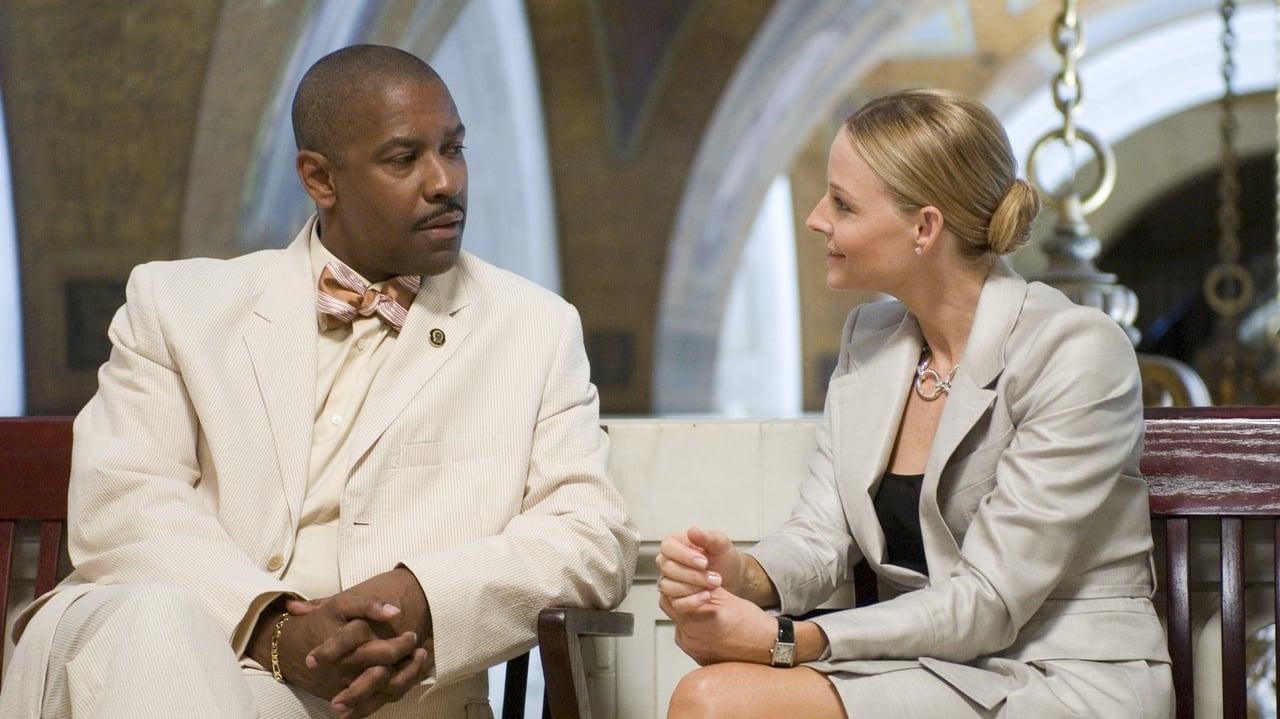
The premise feels familiar on paper: masked men in painters' jumpsuits storm a Manhattan bank, take hostages, and demand a bus and a plane. But Denzel Washington, playing Detective Keith Frazier, is not your typical action hero. He’s a man under a cloud of internal investigation, more worried about a missing $140,000 from a previous bust than he is about playing a hero. Washington brings a lived-in, weary charisma to the role that only he can. He eats a sandwich, chats with his partner (played by a fantastic Chiwetel Ejiofor), and tries to negotiate with a robber who seems five steps ahead of the NYPD.
The film excels because it treats the heist like a grand theatrical production. Clive Owen is largely masked for the runtime, yet his voice—deep, resonant, and entirely devoid of panic—becomes the film’s anchor. He isn't interested in the money in the vault, which is the first clue that Inside Man isn't playing by the Ocean's Eleven rulebook. The 'hidden' room twist is the only bank heist reveal that actually makes fiscal sense in the history of the genre.
A Fixer, a Secret, and the Post-9/11 Soul
While the cat-and-mouse game between Frazier and Russell plays out on the street, a third player enters the fray: Jodie Foster’s Madeleine White. She is a high-level "fixer," the kind of person who makes uncomfortable problems go away for the world’s elite. Foster plays her with an icy, sharp-edged professionalism that makes you wonder if she even has a pulse. She’s been hired by the bank’s founder, Arthur Case (Christopher Plummer), to protect a specific safety deposit box that contains a secret from his past—one involving Nazi collaboration and blood money.
This is where Spike Lee’s fingerprints are most visible. Released in 2006, the film is deeply concerned with the friction of post-9/11 New York. There’s a scene where a released hostage, a Sikh man, is tackled and his turban is ripped off by police who immediately assume he’s a terrorist. He later delivers a blistering monologue about being harassed at the airport while he’s just trying to live his life. It’s a moment that wouldn't exist in a Michael Bay version of this story. Lee uses the heist as a lens to examine the city’s prejudices and the systemic corruption that allows men like Arthur Case to build empires on skeletons. Christopher Plummer plays Case not as a cartoon villain, but as a man who has convinced himself his sins are just "good business."
Behind the Vault Doors
Looking back, Inside Man was a massive commercial pivot for Spike Lee. With a $45 million budget, it was his most "mainstream" swing, and it paid off to the tune of $186 million worldwide. It proved Lee could handle a high-octane studio script without losing his voice. The production was remarkably efficient; despite the star-studded cast, it was shot in just 39 days.
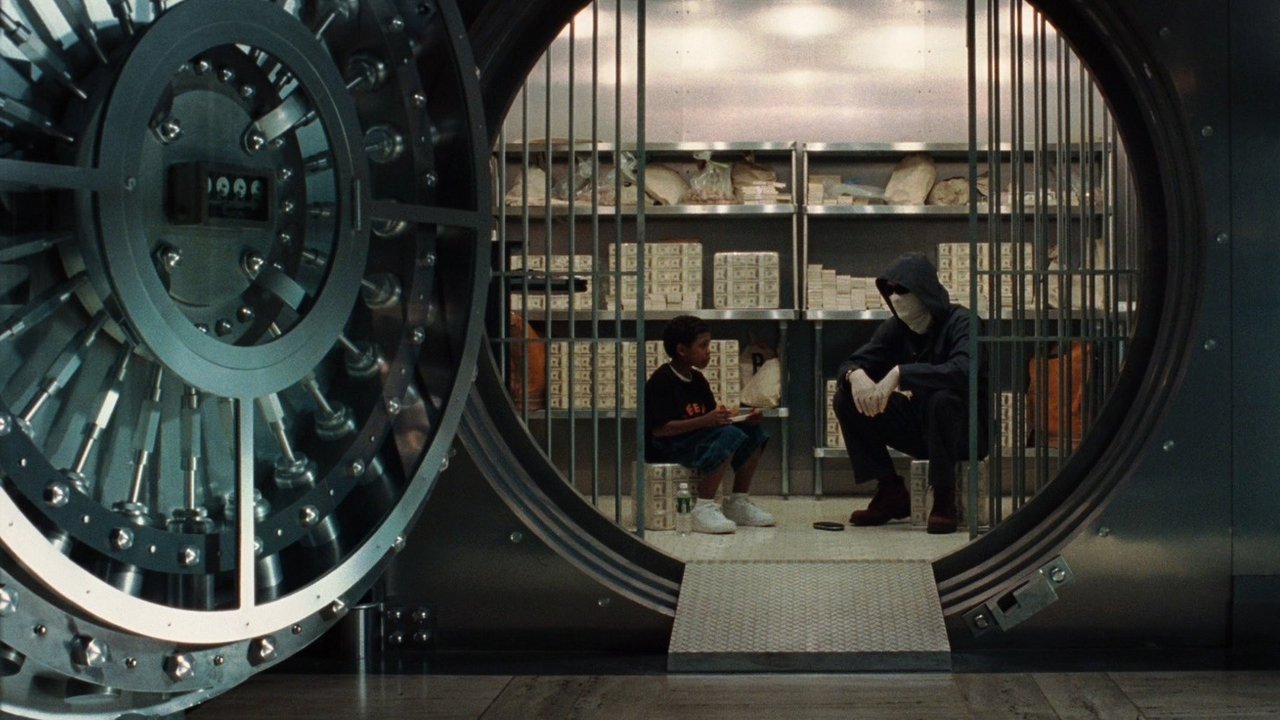
The DVD era was at its peak when this hit home video, and the special features revealed how much thought went into the geography of the bank. The set was built in an old warehouse in Brooklyn, designed to feel both cavernous and claustrophobic. Also, keep an ear out for the score by Terence Blanchard. It’s sweeping and grand, giving the film a weight that elevates it from a mere "robbery movie" to something resembling a modern urban opera. Interestingly, the screenplay by Russell Gewirtz was his first, and it sat on a shelf for years before Lee saw the potential in its non-linear structure.
Inside Man remains the gold standard for the "thinking man's heist." It respects the audience enough to play fair with its clues while still delivering the stylish flourishes you expect from a top-tier Denzel-Spike collaboration. It’s a film about how some crimes are too big to prosecute and some secrets are too heavy to stay buried. If you haven't revisited this one since the days of physical rental stores, it's time to go back into the vault.
Keep Exploring...
-
John Q
2002
-
25th Hour
2002
-

Mystic River
2003
-
The Town
2010
-
Collateral
2004
-
The Girl with the Dragon Tattoo
2009
-

Cape Fear
1991
-
A Perfect World
1993
-
A Time to Kill
1996
-
Primal Fear
1996
-

Sleepers
1996
-
Donnie Brasco
1997
-
The Talented Mr. Ripley
1999
-

Traffic
2000
-
21 Grams
2003
-
Sin City
2005
-
Lucky Number Slevin
2006
-
Undisputed II: Last Man Standing
2006
-

United 93
2006
-
Before the Devil Knows You're Dead
2007