Invincible
"One shot. One city. No sidelines."
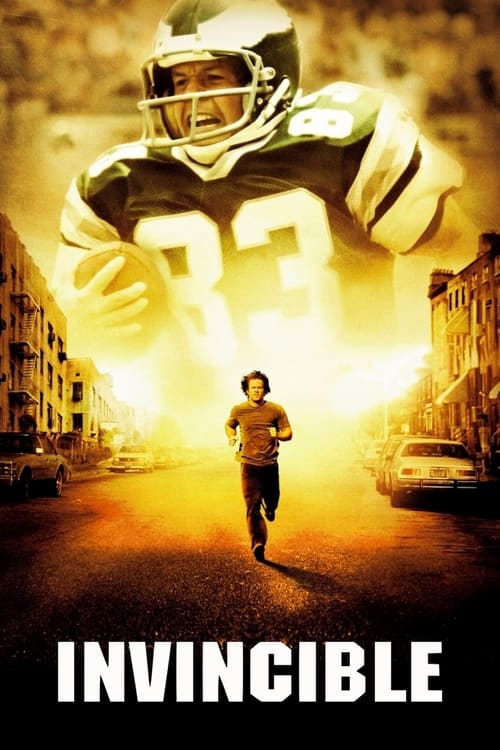
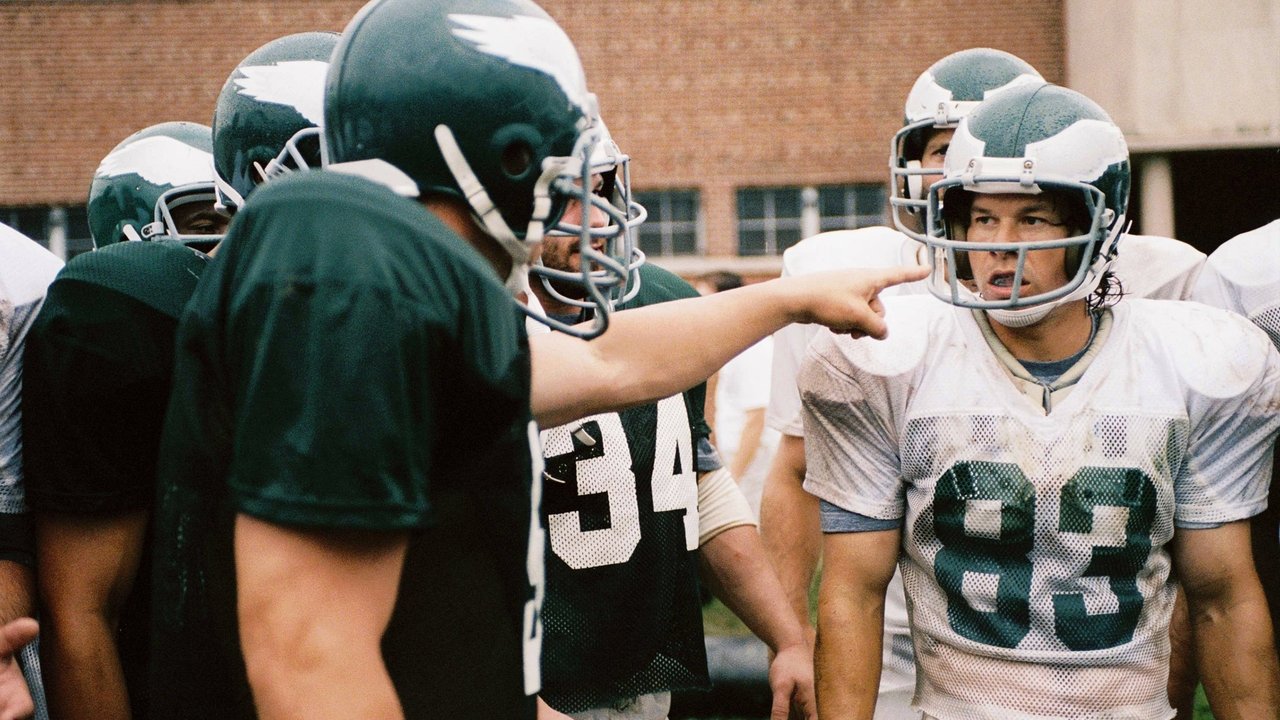
There is a specific shade of ochre-brown that seems to only exist in 1970s Philadelphia. It’s the color of stale beer, wood-paneled basements, and the bruised hopes of a working class that’s been told "no" one too many times. When I sat down to revisit Invincible, I realized that while we often lump these Disney sports movies into a single, sugary pile, this one actually smells like a damp locker room and diesel exhaust. It’s remarkably tactile for a movie about a guy who makes a professional football team after a single open tryout.
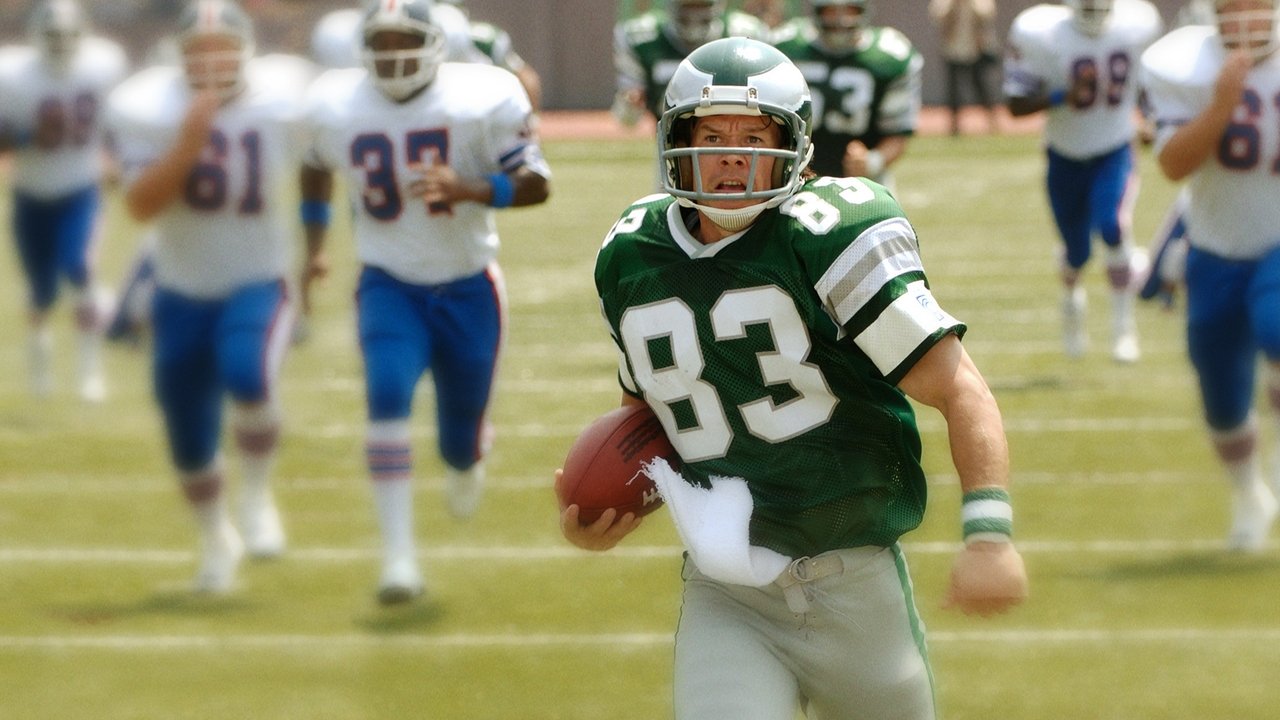
I watched this on a Tuesday afternoon while my neighbor was vigorously power-washing his driveway; the rhythmic thrum of the water against the pavement strangely matched the heartbeat-thump of the stadium drums in the third act. It’s that kind of movie—it fits into the background of real life because it feels so much like a slice of it.
The Grime of the Everyman
Released in 2006, Invincible arrived right at the tail end of Disney’s obsession with "true story" sports dramas like The Rookie and Miracle. It was a time before the MCU sucked all the oxygen out of the room, when a studio could still bank $30 million on a mid-budget drama about a 30-year-old substitute teacher who gets lucky. Looking back, this era of cinema feels like the last gasp of the "Dad Movie"—films designed to be watched on a Sunday afternoon with a sandwich in hand and a slight sense of melancholy.
Director Ericson Core, who also served as his own cinematographer, makes the inspired choice to treat South Philly like a character rather than a backdrop. The film is grainy, desaturated, and thick with atmosphere. You can almost feel the grit of the gravel on the sandlot where Vince Papale (Mark Wahlberg) plays mud-football with his friends. Wahlberg is perfectly cast here, mostly because he doesn't have to "act" like a guy from a tough neighborhood; he just has to exist. By 2006, he was shedding his "Marky Mark" skin and entering his prime as a reliable leading man, and his performance here is wonderfully interior. He spends most of the movie looking like he’s waiting for a punch that he knows is coming, which is exactly how a guy who’s just lost his job and his wife should look.
The Kinnear Calibration

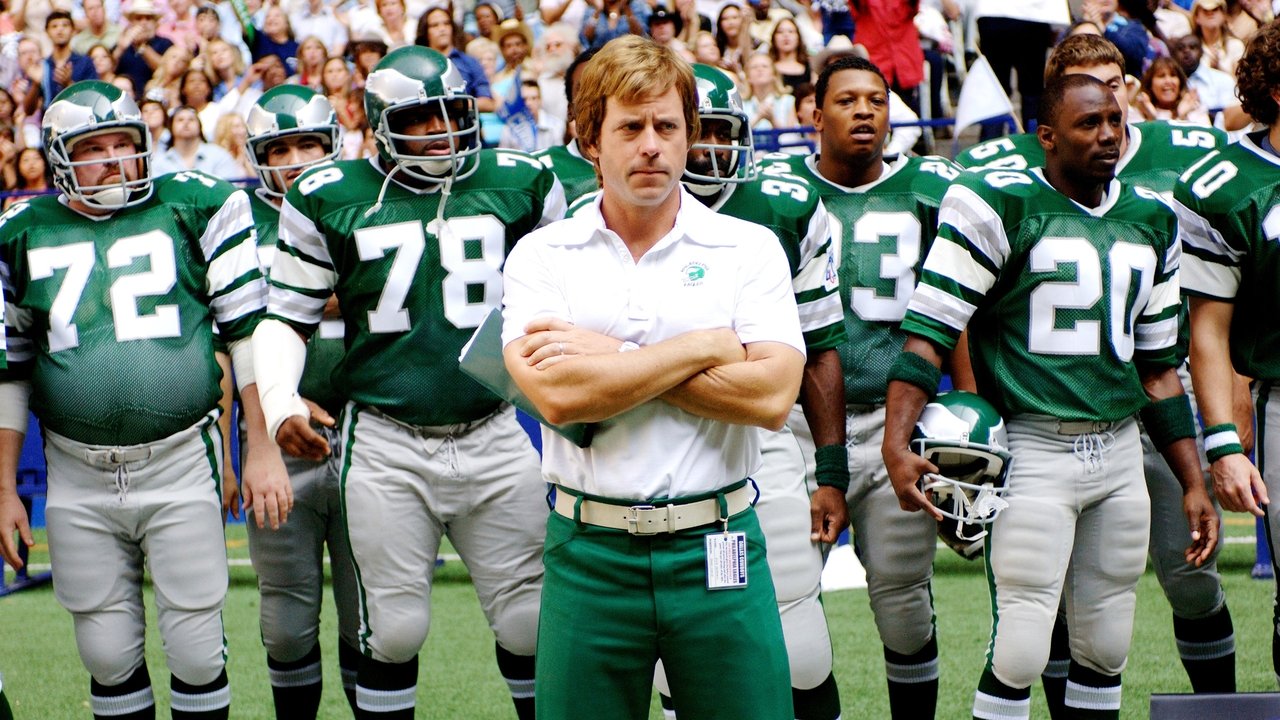
While Wahlberg provides the muscle, Greg Kinnear provides the soul as Coach Dick Vermeil. Kinnear plays Vermeil with a permanent look of indigestion, like he’s constantly smelling a faint, unpleasant odor coming from the scoreboard. It’s a subtle, effective performance. He’s a man under immense pressure, trying to revitalize a losing franchise while being mocked by the local press. The chemistry between the two is minimal—they barely speak—but it works because they represent two sides of the same coin: the desperate gamble.
The supporting cast fills out the neighborhood vibe brilliantly. Elizabeth Banks pops up as Janet, a Giants fan working behind a bar who somehow makes a New York jersey look acceptable in hostile territory. And Kevin Conway, playing Vince’s father, delivers the "don't get your hopes up" speech with the kind of weary resignation that defines the entire film’s emotional stakes.
The Art of the Omission
One of the most fascinating things about revisitng Invincible is looking at what it chooses to leave out. In the film, Vince is a total dark horse who has never played college ball. In reality, the real-life Papale had already played two seasons in the World Football League. Disney essentially erased his professional history to make him more of a Cinderella, a choice that feels very much of its era. In the mid-2000s, we weren't as obsessed with "fact-checking" every biopic on our phones during the credits; we just wanted the myth.
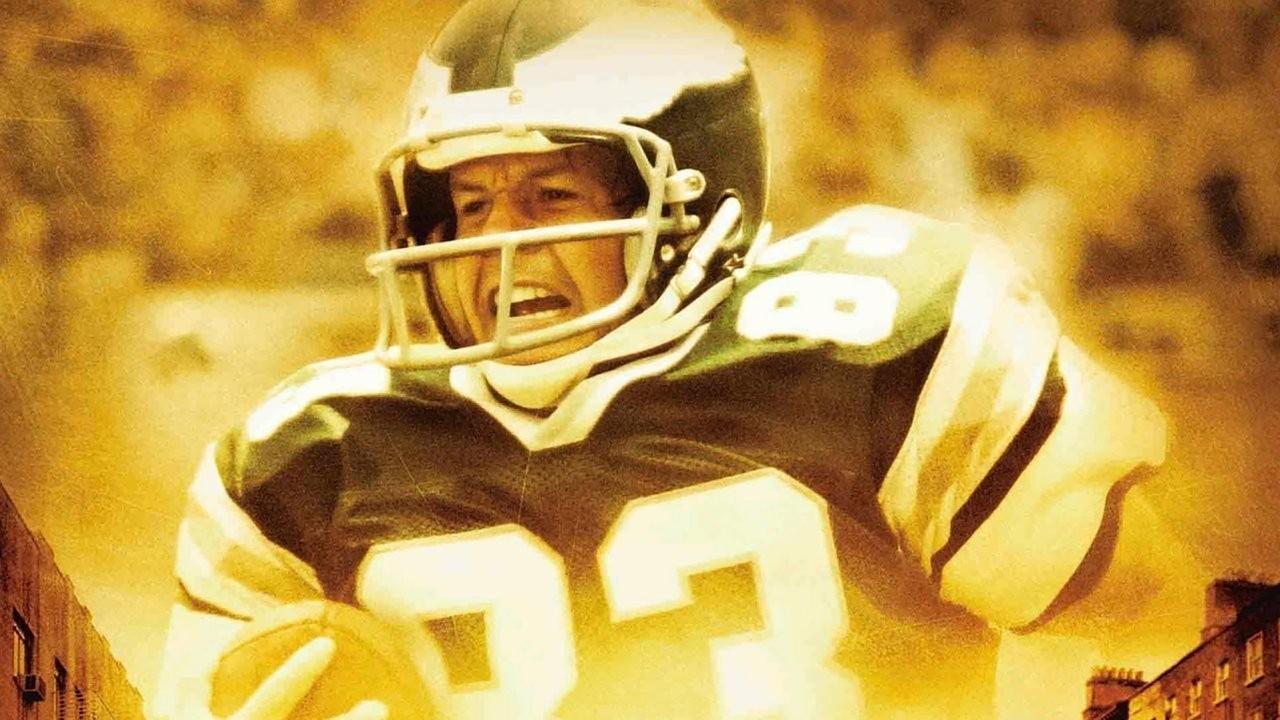
The film also benefits from a lack of distracting CGI. While modern sports movies often use digital crowds that look like NPCs from a PlayStation 3 game, Invincible feels grounded. The hits on the field look painful, and the mud looks real because it probably was. There’s a scene where Wahlberg is sprinting down the field on a special teams play that is edited with such frantic energy it reminds me of the chaos of early 2000s action cinema, yet it never loses its narrative focus.
Ultimately, Invincible is a film that knows exactly what it is and doesn't try to be a "masterpiece" (pardon the forbidden word). It’s a sturdy, well-built drama that celebrates the idea that sometimes, just showing up is the victory. It captures a specific American anxiety of the post-9/11 years—the need to believe that an ordinary person can still do something extraordinary—and wraps it in a 1970s aesthetic that has aged surprisingly well. It’s a movie that deserves to be pulled off the shelf more often, if only to remind us that Mark Wahlberg is at his best when he’s playing a guy who thinks the world is against him.
It’s the kind of movie that makes you want to go outside and throw a football, even if you know your knees will regret it the next morning. It’s earnest, it’s brown, and it’s remarkably effective. It might not be a hall-of-famer, but it definitely makes the roster.
Keep Exploring...
-
Seabiscuit
2003
-
Confessions of a Dangerous Mind
2002
-
The Count of Monte Cristo
2002
-
Good Night, and Good Luck.
2005
-

The New World
2005
-

United 93
2006
-
In the Valley of Elah
2007
-
Defiance
2008
-
Frost/Nixon
2008
-
The Young Victoria
2009
-
The Way Back
2010
-
Mona Lisa Smile
2003
-
Joyeux Noel
2005
-
Flags of Our Fathers
2006
-
The Good Shepherd
2006
-
World Trade Center
2006
-

Charlie Wilson's War
2007
-

The Duchess
2008
-

Agora
2009
-
The Round Up
2010