Letters from Iwo Jima
"Digging for the truth in black sand."
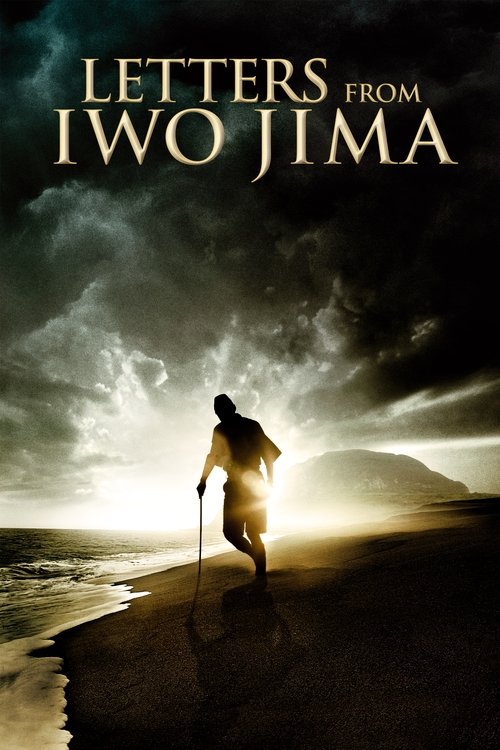
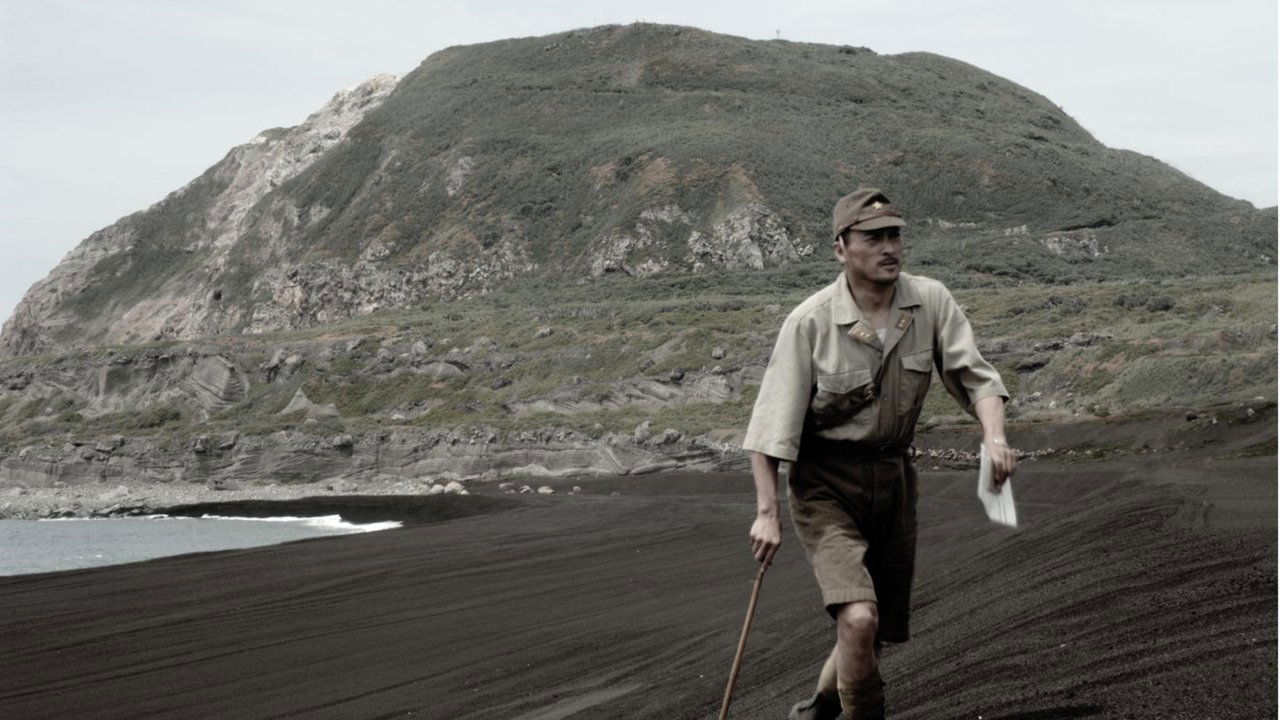
The dirt on Iwo Jima isn't just dirt; it’s a character. It’s a coarse, black volcanic ash that gets under the fingernails and stays there for the entire 141-minute runtime. Most war films of the mid-2000s were still wrestling with the high-octane, shaky-cam legacy of Saving Private Ryan (1998) or the burgeoning techno-thriller vibe of the post-9/11 landscape. Then Clint Eastwood—the quintessential American cowboy—decided to tell the story of one of the Pacific’s bloodiest battles entirely from the perspective of the "enemy," filmed almost exclusively in Japanese. It felt like a gamble that should have backfired, but instead, it became one of the most hauntingly human entries in the genre.
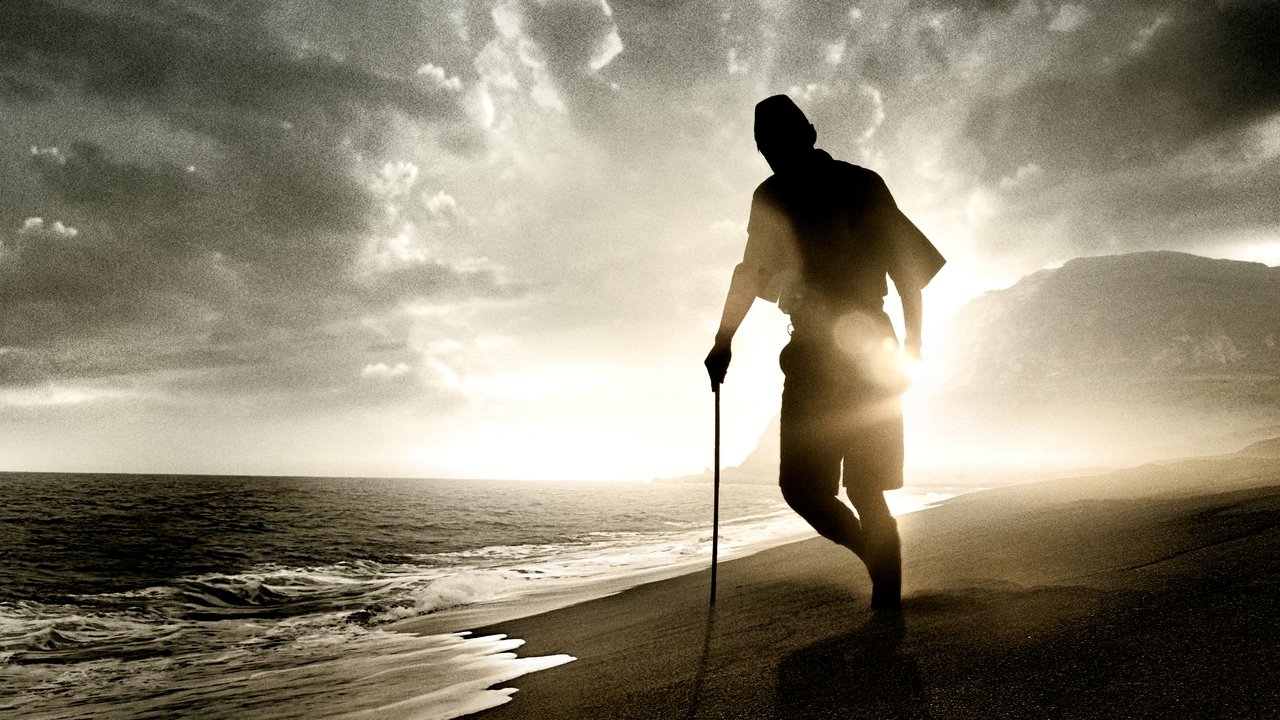
I remember watching this on a scratched DVD I rented from a Blockbuster that was three weeks away from closing down. I was eating a slightly stale protein bar at the time, and the desaturated, almost monochromatic color palette of the film made my snack look even more grey and unappealing. It was the perfect atmosphere for a movie that refuses to give you a single "cool" action beat.
The Underground Abyss
When we think of war movies, we usually think of wide-open fields or sprawling beaches. Clint Eastwood (director of Unforgiven and Million Dollar Baby) flips that script, sending us into a claustrophobic maze of tunnels. The Japanese soldiers, led by the stoic and tragic General Kuribayashi—played with a heartbreaking dignity by Ken Watanabe (The Last Samurai, Inception)—weren't fighting for a glorious victory. They were digging their own graves.
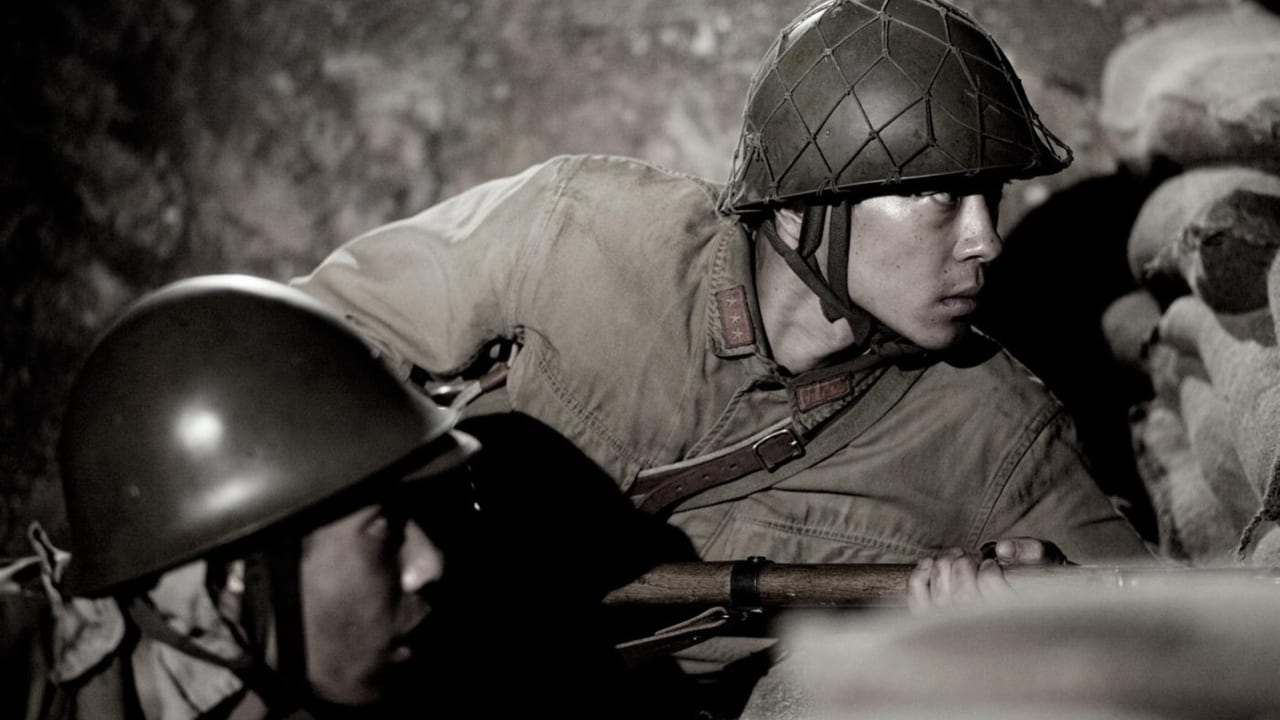
The cinematography by Tom Stern is stripped of almost all color. It’s so drained of saturation that the film practically looks like a moving charcoal sketch, which serves a dual purpose. First, it mimics the look of period photography without the grain. Second, it makes the occasional burst of fire or the sudden, terrifying arrival of American flamethrowers feel like a literal intrusion from hell. The action isn't choreographed to be exciting; it’s choreographed to be exhausting. When the fighting starts, it’s messy, confusing, and terrifyingly close-quarters. You feel every ounce of sweat and desperation because the camera stays tight on the faces of men who know they aren't going home.
The Baker and the General
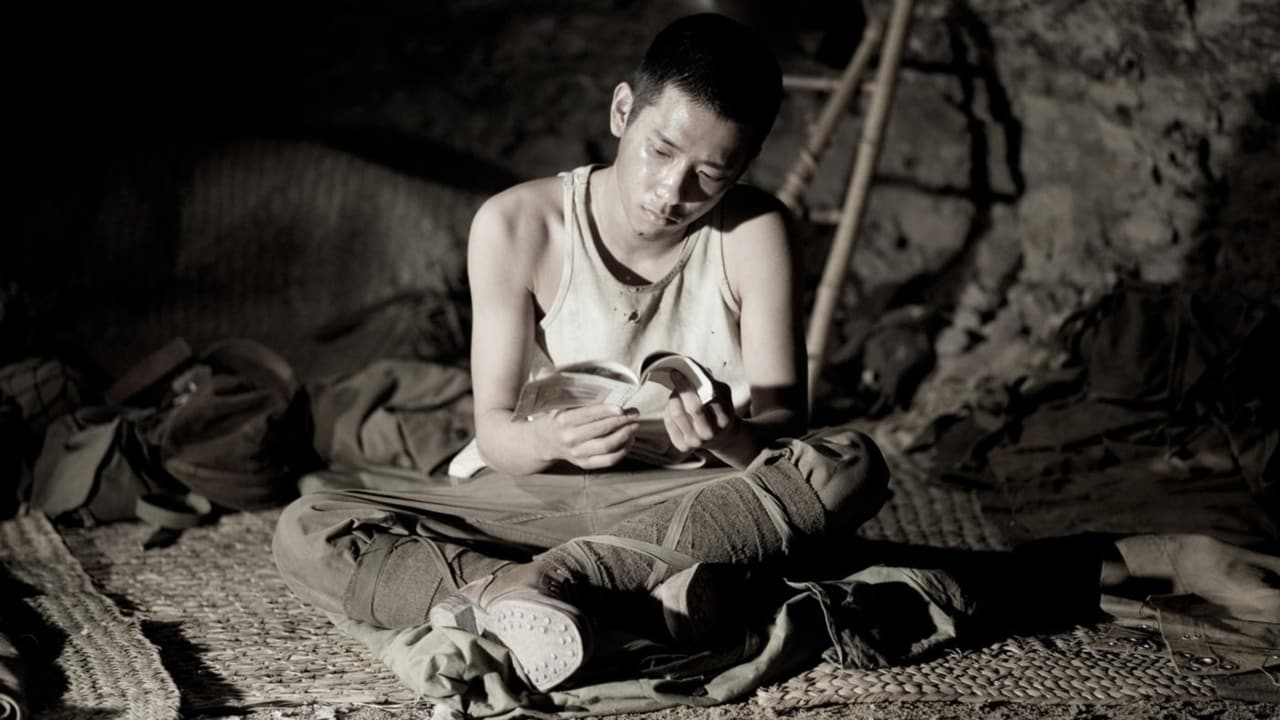
While Ken Watanabe provides the film’s backbone, the heart belongs to Kazunari Ninomiya as Saigo, a simple baker who just wants to see his daughter. Saigo is the ultimate audience surrogate—he isn't a fanatical warrior; he’s a guy who hates the taste of dirt and thinks the whole war is a colossal waste of time. His chemistry with the "traitorous" Private Shimizu (Ryo Kase) and the Olympic equestrian Baron Nishi (Tsuyoshi Ihara) gives the film a soul that Flags of Our Fathers (the American-perspective companion film) arguably lacked.
Looking back, the mid-2000s were obsessed with "prestige" war stories, but Letters from Iwo Jima stands out because it doesn't feel like it’s chasing an Oscar, even though it won plenty of accolades. It feels like an apology or a handshake across a historical divide. Eastwood’s direction is invisible in the best way possible. There are no flashy tracking shots or ego-driven sequences. He just lets the actors inhabit these damp, dark caves until the tragedy of their situation becomes unbearable.
Tunnels, Trivia, and Tensions
The production of this film is almost as interesting as the movie itself. Because Iwo Jima is an official war memorial and an active military site, the crew was only allowed to film on the island for a few days. Most of the movie was actually shot in Iceland and California. Apparently, they had to ship in bags of the specific black volcanic sand from Iwo Jima to match the terrain. It’s that kind of attention to detail that makes the environment feel so heavy and authentic.

Another wild bit of trivia: Clint Eastwood doesn’t speak a lick of Japanese. He directed the entire cast through translators and by focusing on the "music" of their voices and the clarity of their physical performances. It’s a testament to the talent of Ken Watanabe and Kazunari Ninomiya that the emotional beats land perfectly even if you don’t understand the dialogue. The screenplay by Iris Yamashita was based on actual letters found buried on the island decades after the war. That’s why the film feels so intimate—it’s not just a history lesson; it’s a collection of last words.
The DVD culture of 2006 was peak "collector mode," and the Iwo Jima Collection box set was a staple on many shelves. Digging through the special features revealed just how much research went into the Japanese military etiquette and the specific way Kuribayashi revolutionized the island's defense. The film was a surprise hit in Japan, topping the box office for weeks, which is a rare feat for a movie produced by a major Hollywood studio like Warner Bros. and DreamWorks.
This isn't a "fun" Friday night movie, but it is an essential one. It strips away the nationalism often found in the genre and replaces it with a quiet, devastating look at what happens when the gear of history grinds over the individual. It’s a film that demands your attention and earns your tears without ever feeling manipulative. If you missed it during the mid-2000s DVD boom, it’s time to head back into the tunnels. Just don't expect to come out feeling particularly heroic.
Keep Exploring...
-
Flags of Our Fathers
2006
-
Kingdom of Heaven
2005
-

Changeling
2008
-
The Patriot
2000
-
American Sniper
2014
-
Red Cliff
2008
-
The Last Samurai
2003
-
Training Day
2001
-
Mystic River
2003
-
The Hurt Locker
2008
-

Brothers
2009
-

Legends of the Fall
1994
-
Tears of the Sun
2003
-
Green Zone
2010
-
Lone Survivor
2013
-
Black Hawk Down
2001
-
Enemy at the Gates
2001
-
We Were Soldiers
2002
-
Master and Commander: The Far Side of the World
2003
-
Hotel Rwanda
2004