Little Man
"Short on stature, long on felony."
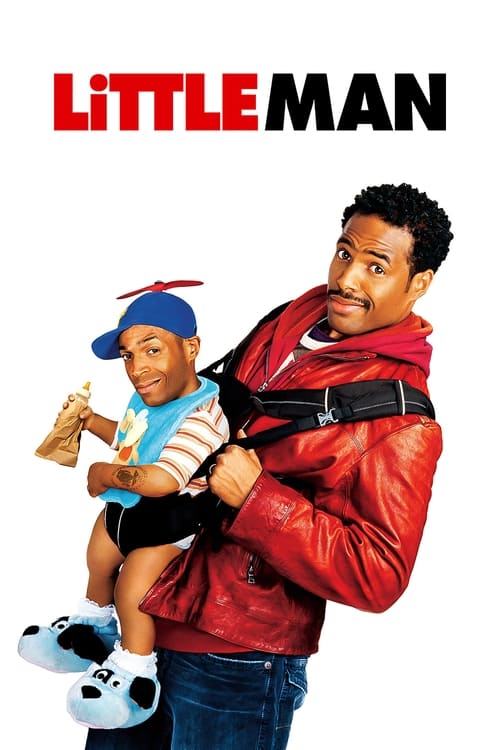
I watched this recently on a laptop with a cracked screen that made the CGI seams on the main character’s neck look even more jagged than they already are, and honestly, it felt like the only way to truly experience it. There is a specific kind of madness that only existed in the mid-2000s—a period where digital technology had finally become affordable enough for filmmakers to do things they absolutely shouldn't have. Little Man (2006) is the crown jewel of that "just because we can, doesn't mean we should" era.
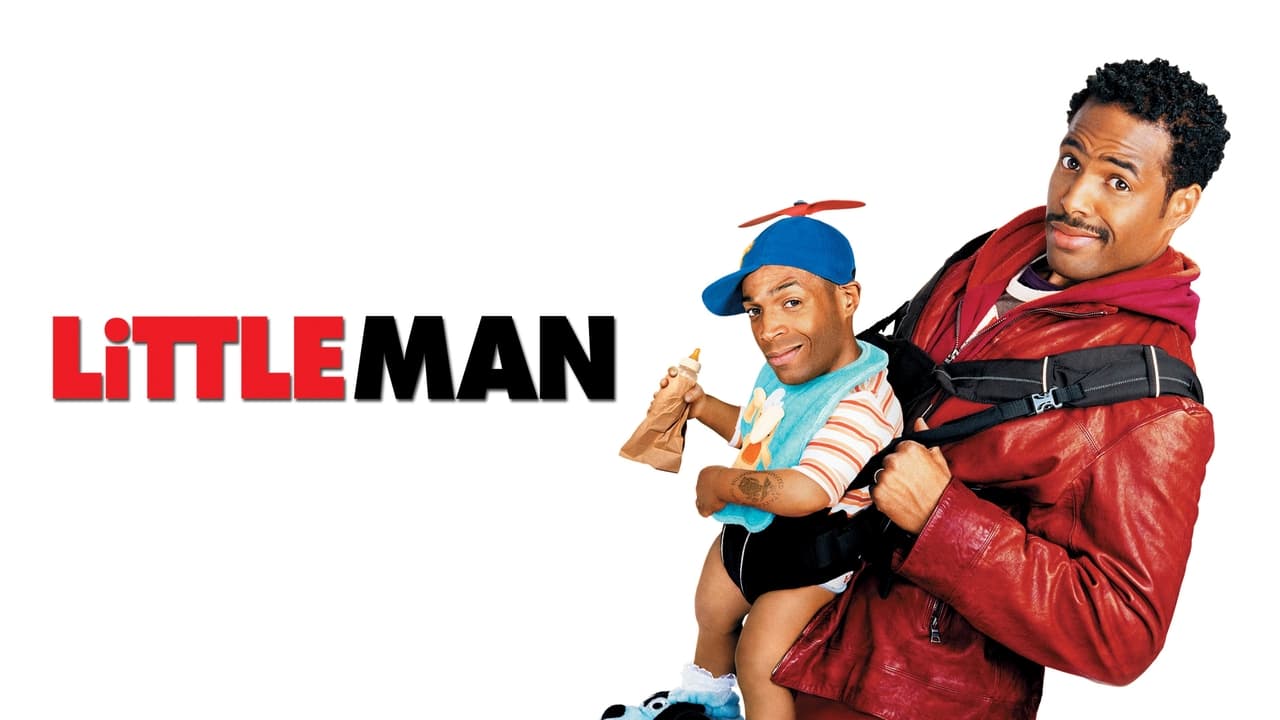
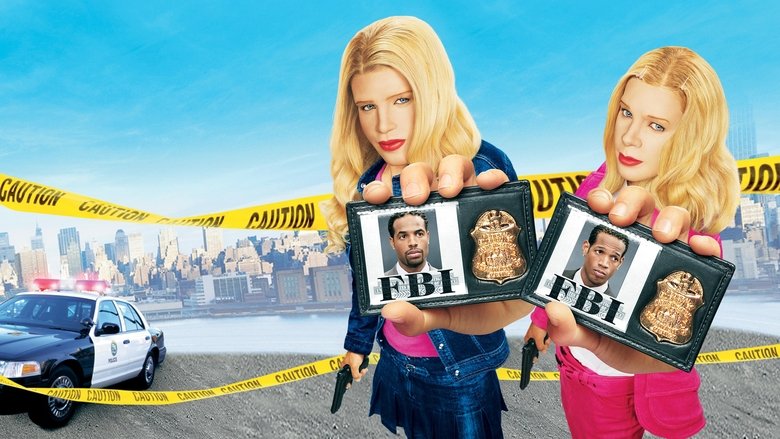
Coming off the massive, logic-defying success of White Chicks (2004), the Wayans brothers—Keenen Ivory Wayans, Marlon Wayans, and Shawn Wayans—clearly felt they had the Midas touch for high-concept, prosthetic-heavy absurdity. In White Chicks, they transformed grown Black men into socialite white women. In Little Man, they decided to shrink Marlon Wayans down to two feet tall and pass him off as a baby. It is a premise so fundamentally deranged that it circles back around from being "bad" to becoming a fascinating artifact of Hollywood’s awkward digital puberty.
The Uncanny Valley of 2006
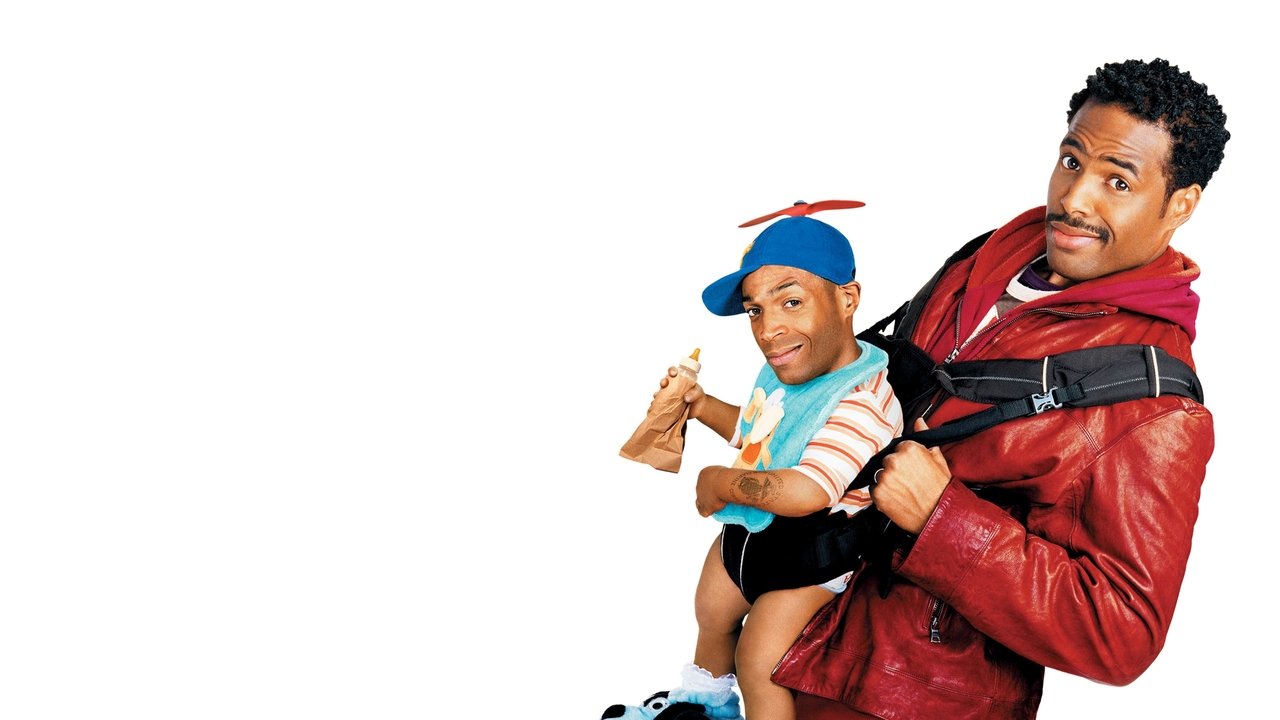
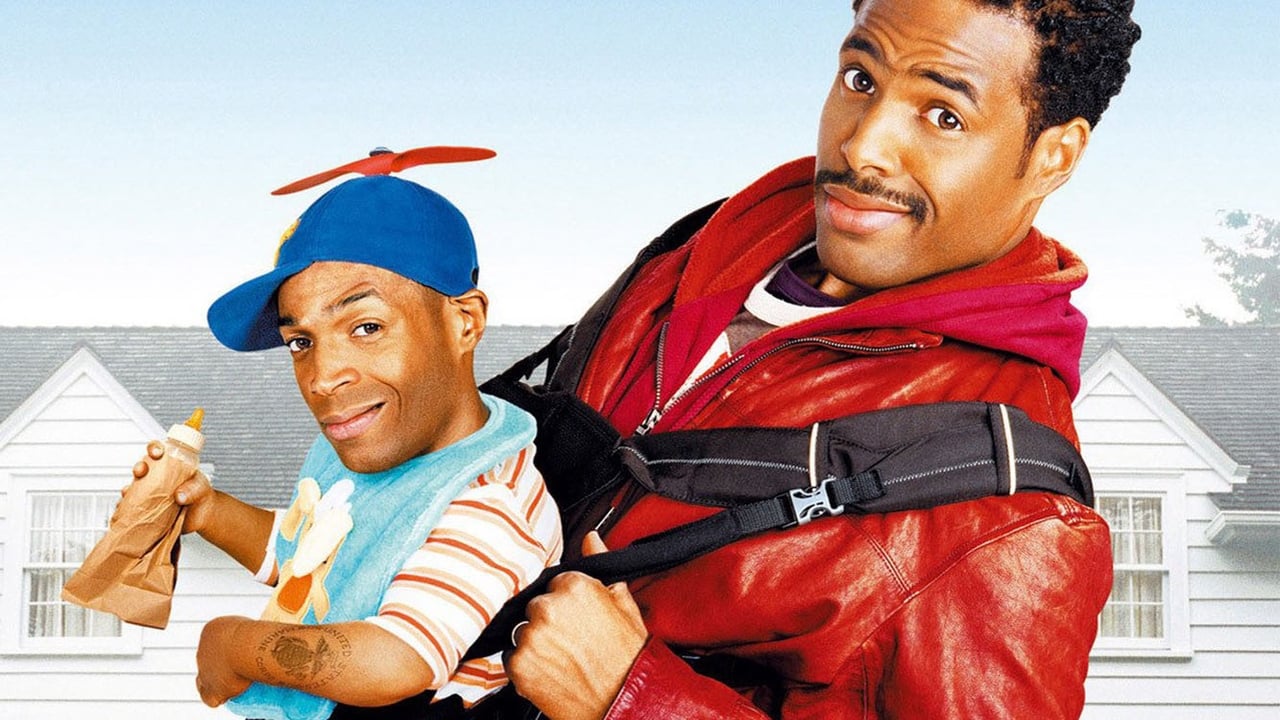
The movie isn't just a comedy; it’s a technical experiment that feels like a fever dream. To achieve the effect of Calvin Sims (a diminutive jewel thief), the production used a combination of 9-year-old body double Gabriel Pimentel and a "miniature" actor named Linden Porco. Marlon Wayans then performed all his scenes in a green-screen suit, and his head was digitally grafted onto the smaller bodies.
Looking back, this was a live-action Looney Tunes short directed by someone who has a personal vendetta against the laws of physics. In 2006, this was cutting-edge head-replacement tech. Today, it has the vibe of an early Deepfake gone horribly wrong. There’s a persistent, shimmering disconnect between Marlon’s head and the body it’s sitting on, making Calvin look less like a human and more like a disgruntled goblin from a deleted scene of The Lord of the Rings. But strangely, that’s where the humor lives. If the effect were seamless, the movie wouldn’t be half as funny—or as unsettling. It thrives on the visual friction of seeing a grown man’s face reacting with adult cynicism while being tossed around a changing table.
The Wayans Dynasty’s Digital Gamble
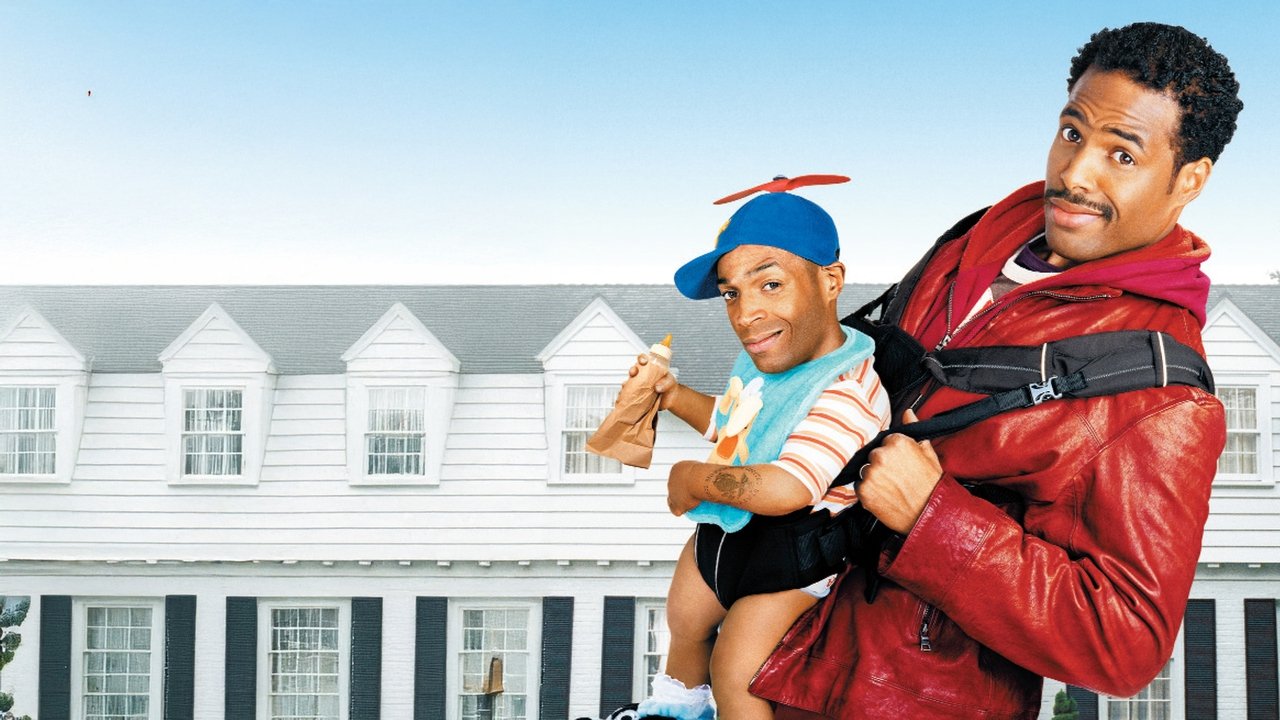
The plot is essentially a 98-minute excuse for physical abuse. Calvin (Marlon) is a hardened criminal who hides a stolen diamond in the purse of Vanessa (Kerry Washington, in a role she surely looks back on with a "we all needed the paycheck" shrug). To get it back, he dresses as a baby and gets himself "abandoned" on the doorstep of Vanessa and her husband Darryl (Shawn Wayans).
What follows is a relentless barrage of slapstick. Marlon Wayans behaves like a gremlin who just found a stash of Red Bull, biting fingers, drop-kicking grandfathers, and taking more blunt-force trauma to the skull than a crash-test dummy. While the script—penned by the brothers—is arguably the weakest link, the sheer commitment to the bit is undeniable. The Wayans family has always specialized in a "kitchen sink" approach to comedy: if a joke about a dirty diaper doesn't land, don't worry, there’s a joke about a pro-wrestler-style powerbomb coming in thirty seconds.
The supporting cast is where the real gold is buried. The late, great John Witherspoon (the legendary Pops from Friday) steals every single frame he’s in as the suspicious grandpa who is the only person smart enough to realize the "baby" has a full set of teeth and a criminal record. Watching him go toe-to-toe with a shrunken Marlon Wayans is a reminder of how much his timing and raspy delivery could elevate even the most juvenile material. We also get Tracy Morgan as the dim-witted getaway driver and Lochlyn Munro, who seems to have made a career out of being the perfect "intense white guy" foil for Wayans-brand shenanigans.
A Relic of the DVD Era
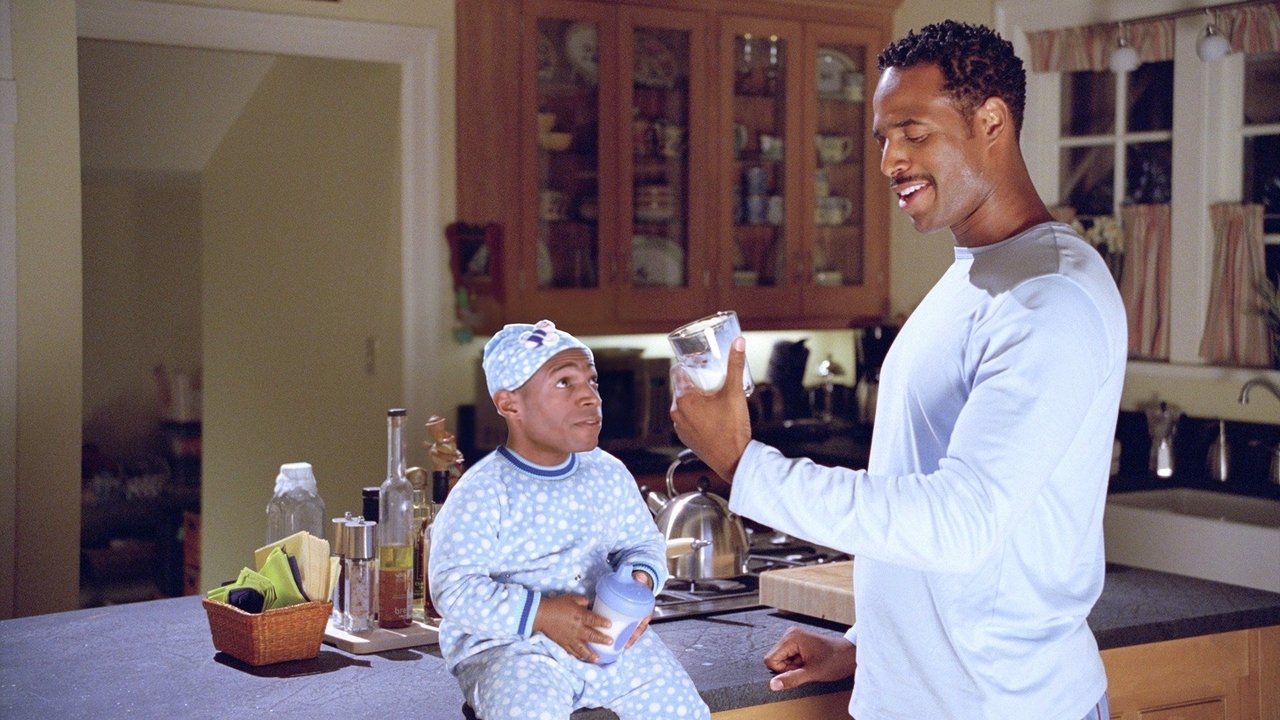
Little Man arrived right at the peak of the DVD boom. I remember the special features on these types of discs were almost better than the movies themselves—the "making of" segments for this film are actually a masterclass in early-digital problem solving. They had to film every scene twice, once with the actors and once with the "little" body doubles, using a sophisticated motion-control camera system that was usually reserved for big-budget sci-fi like The Matrix.
It’s easy to dismiss this as a "dumb" comedy, and on a script level, it absolutely is. But there’s an ambition here that you don't see in modern streaming comedies. They spent $64 million to make Marlon Wayans look like a baby. That is a staggering amount of money and effort dedicated to a movie that features a scene where a man gets hit in the crotch with a football at 60 miles per hour. It represents a time when studios were willing to throw massive budgets at high-concept stupidity because the home video market was so lucrative that even a "weird" movie could turn a profit.
Is it a masterpiece? Absolutely not. Is it the cinematic equivalent of eating an entire box of cereal for dinner? Yes. It’s loud, it’s crude, and the visual effects will make your brain itch. But in an era where most comedies feel like they were shot on a weekend in someone's living room, the sheer, expensive weirdness of Little Man feels surprisingly refreshing. It’s a reminder of a time when the Wayans brothers were the undisputed kings of the "gross-out" blockbuster, and no concept was too absurd—or too creepy—to greenlight.
The film is a fascinating failure of tone and technology that somehow remains weirdly watchable. It sits in that strange pocket of history where the ambition exceeded the capability, resulting in a movie that feels more like a feverish hallucination than a family comedy. While the jokes are hit-or-miss—mostly miss—the frantic energy and the supporting performances from John Witherspoon and Tracy Morgan keep it from being a total slog. It’s the kind of movie you watch not for the plot, but to marvel at the fact that a studio actually spent sixty million dollars to put a grown man's head on a toddler's body.
Keep Exploring...
-
White Chicks
2004
-
Scary Movie 2
2001
-
Cop Out
2010
-
Scary Movie
2000
-
The Mexican
2001
-
Analyze That
2002
-
National Security
2003
-
Taxi
2004
-
The Ladykillers
2004
-

The Whole Ten Yards
2004
-
Big Stan
2007
-
Big Mommas: Like Father, Like Son
2011
-
Baby's Day Out
1994
-
Striptease
1996
-
Blue Streak
1999
-

Taxi 3
2003
-
Bandidas
2006
-
Taxi 4
2007
-
A Haunted House
2013
-

Bandits
2001