Little Miss Sunshine
"Winning is a state of mind. Losing is a family tradition."
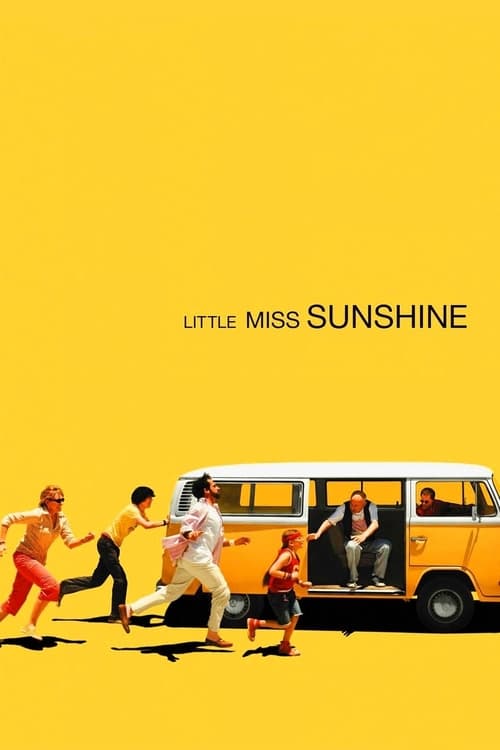
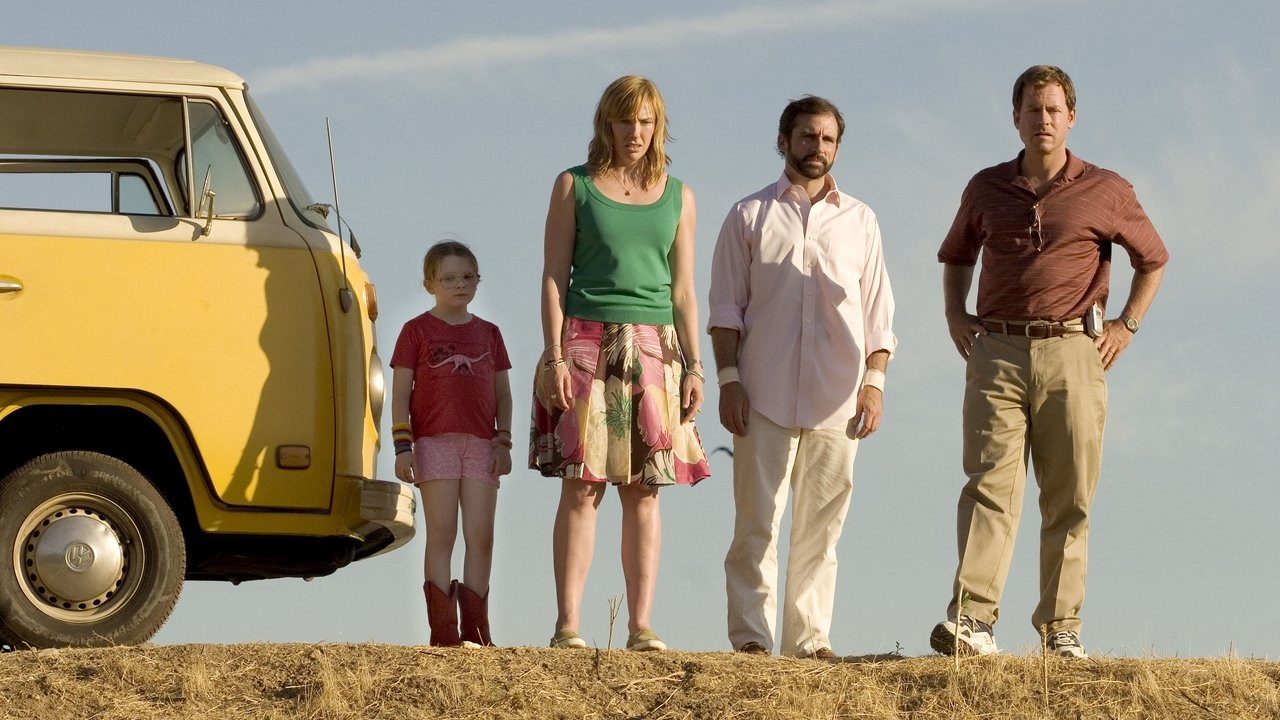
The first time I sat down to watch Little Miss Sunshine, I was nursing a lukewarm ginger ale and a mild case of existential dread. It was 2006, the height of the "indie boom," when every other movie seemed to feature a quirky family, a vintage vehicle, and a soundtrack heavy on the glockenspiel. On paper, this film looks like a checklist of mid-2000s tropes. But then the van door falls off. And Steve Carell tries to buy a porn magazine while wearing a neck brace. Suddenly, you realize you aren’t watching a "cute" movie; you’re watching a beautifully messy demolition derby of the American Dream.
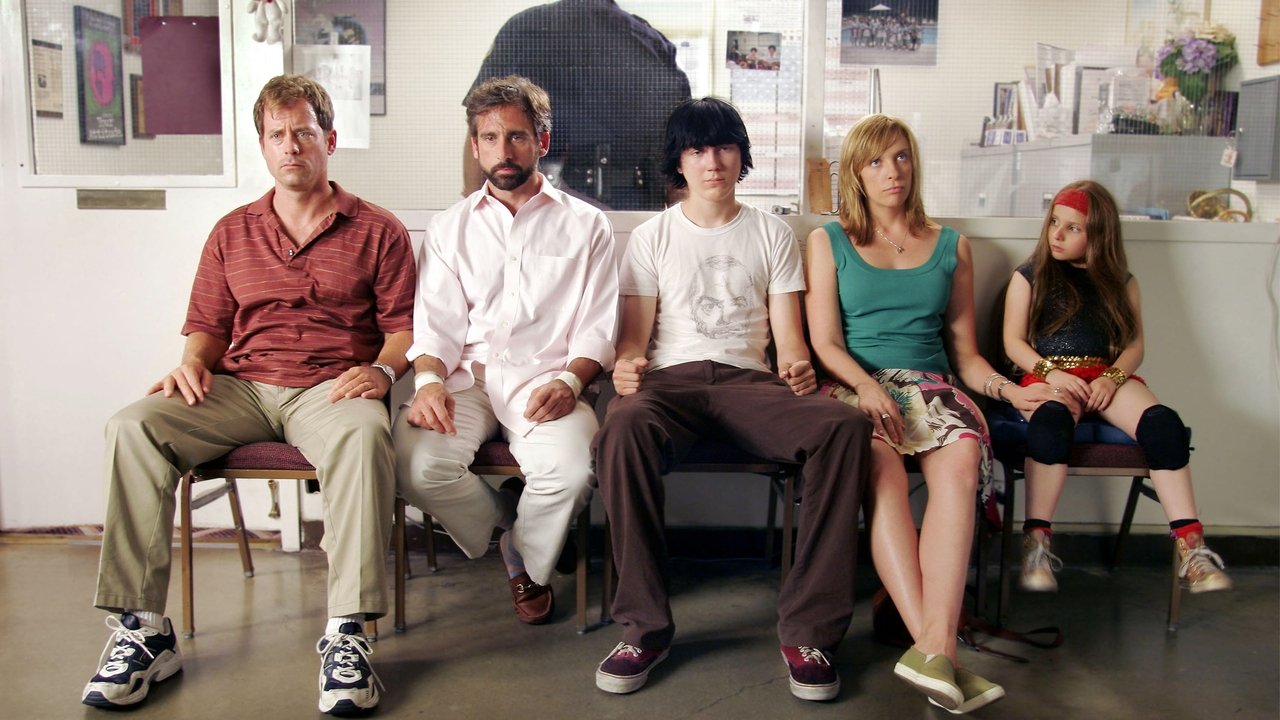
The Philosophy of the Loser
At its heart, Little Miss Sunshine is a surprisingly deep dive into what it means to fail in a culture that worships "the win." Greg Kinnear plays Richard Hoover, a struggling motivational speaker who is obsessed with his "9-Step Refuse to Lose" program. He’s the kind of guy who judges his seven-year-old daughter for ordering ice cream because "winners" stay thin. He’s arguably the most irritating character in the film, yet Kinnear plays him with such desperate, sweaty sincerity that you can’t help but feel for the guy. He’s a man who has bought into a lie, and the movie spends 102 minutes watching that lie crumble.
Then you have Paul Dano as Dwayne, the Nietzsche-reading teenager who has taken a vow of silence until he reaches his goal of becoming a test pilot. Looking back, Paul Dano was already showing the incredible range that would eventually lead him to There Will Be Blood. His silence isn't just a teen gimmick; it’s a profound philosophical protest against the "winner/loser" dichotomy his father represents. When he finally breaks that silence, it isn't a whimper—it's a roar that captures the frustration of every person who has ever felt trapped by their own family’s expectations.
A Masterclass in Ensemble Dynamics
The chemistry here is what keeps the film from drifting into melodrama. Toni Collette is, as always, the MVP. As Sheryl, the overextended matriarch trying to hold this chaotic household together, she anchors the film in reality. She’s the one who brings her brother Frank (Steve Carell) home after a suicide attempt, and she’s the one who insists the family drives across the country so Olive (Abigail Breslin) can compete in a pageant.
Steve Carell was a massive risk at the time. He had just finished The 40-Year-Old Virgin and was the face of broad comedy. Seeing him play a suicidal Proust scholar was a shock to the system in 2006, but it remains one of his finest, most understated performances. He provides the intellectual weight the film needs, acting as a foil to Alan Arkin’s Edwin Hoover. Arkin, who famously won an Oscar for this role despite only being on screen for about 14 minutes, is a foul-mouthed, heroin-snorting delight. He represents the "I don't give a damn" stage of life that the rest of the family is desperately trying to reach.
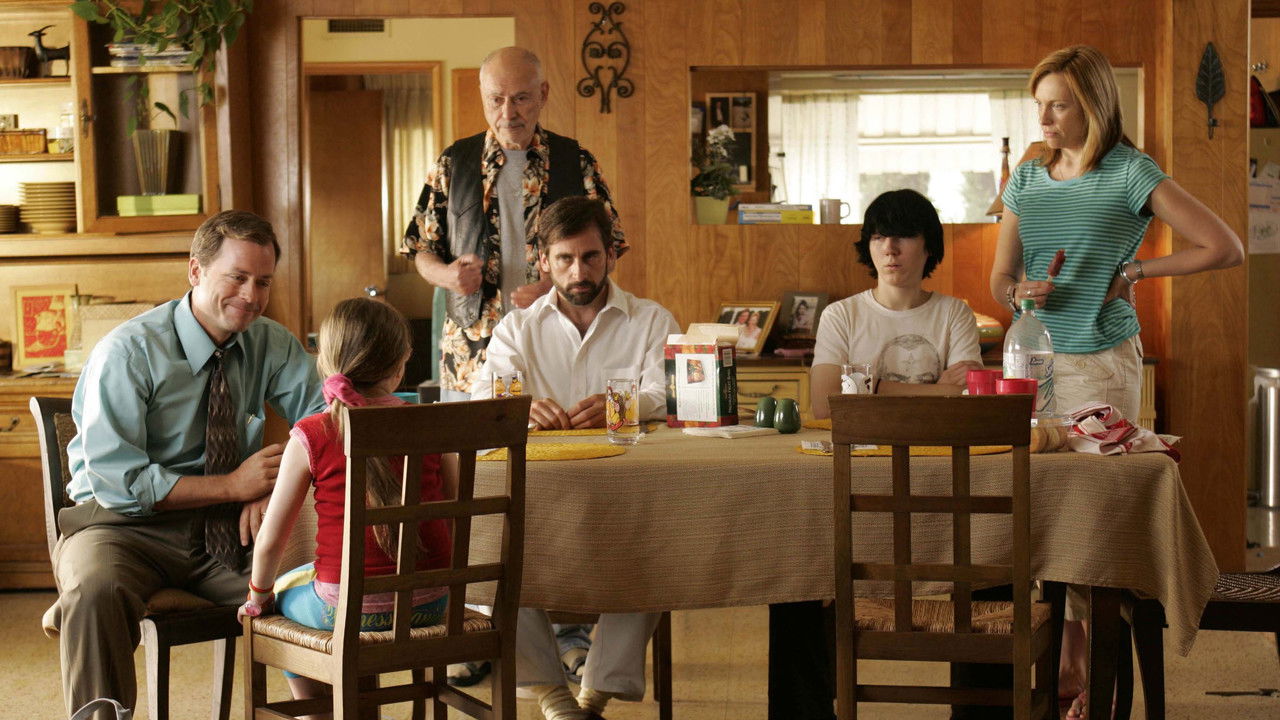
Behind the Yellow Paint
The production of this movie is a minor miracle in itself. Michael Arndt wrote the script over the course of several years, and it sat in "development hell" for a long time before Big Beach and Bona Fide Productions took the leap. They shot the film for a modest $8 million, and at the Sundance Film Festival, it sparked one of the biggest bidding wars in history, eventually selling to Fox Searchlight for $10.5 million. It went on to gross over $100 million, proving that audiences were hungry for something that felt human and unpolished.
To my mind, Abigail Breslin's dance is the only honest thing to ever happen on a pageant stage. When the film reaches its climax at the "Little Miss Sunshine" pageant, the directors (husband-and-wife team Valerie Faris and Jonathan Dayton) make a brilliant choice. They populated the pageant with real-life child pageant contestants and their actual parents. The contrast between those heavily made-up, hyper-prepared kids and our messy, un-coordinated Olive is jarring. It’s the moment the film stops being a road-trip comedy and starts being a scathing critique of how we over-commercialize childhood.
The "subjective irrelevance" of the day: I watched this on a DVD that had a tiny scratch right during the scene where the van breaks down, which meant the movie skipped and stuttered exactly when the vehicle did. It was accidentally the most immersive cinematic experience I’ve ever had.
The Legacy of the VW Bus
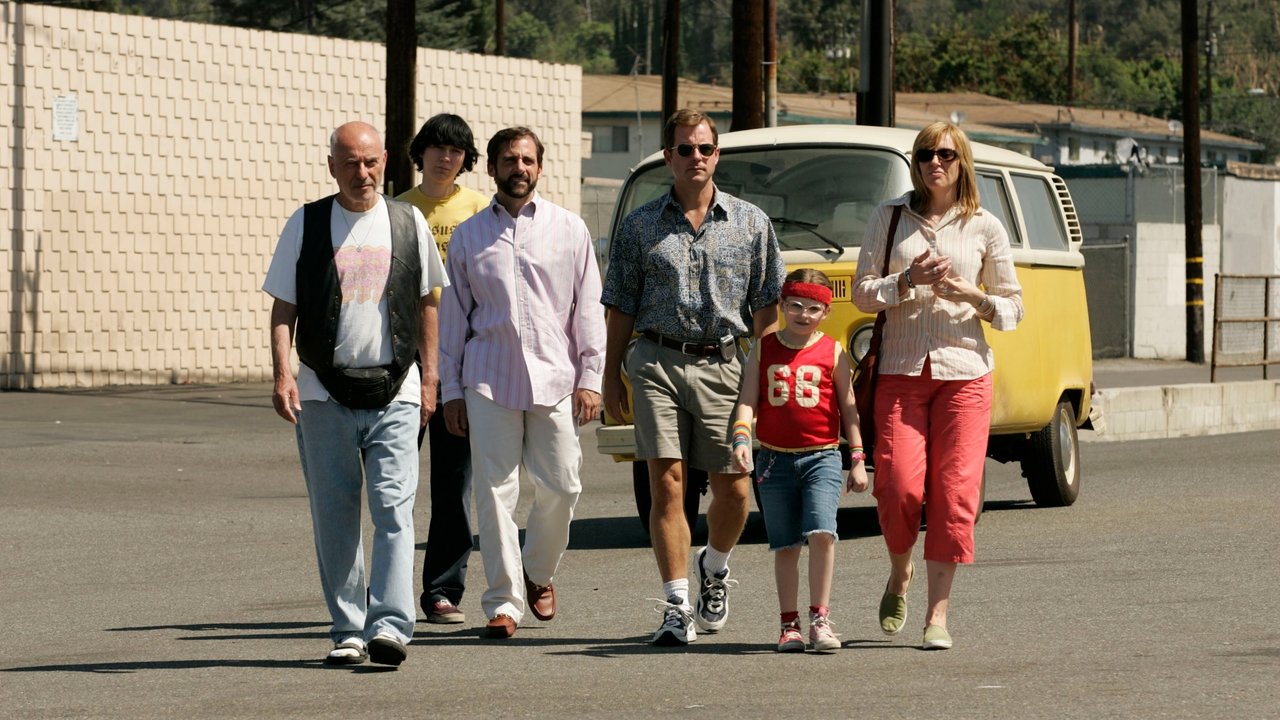
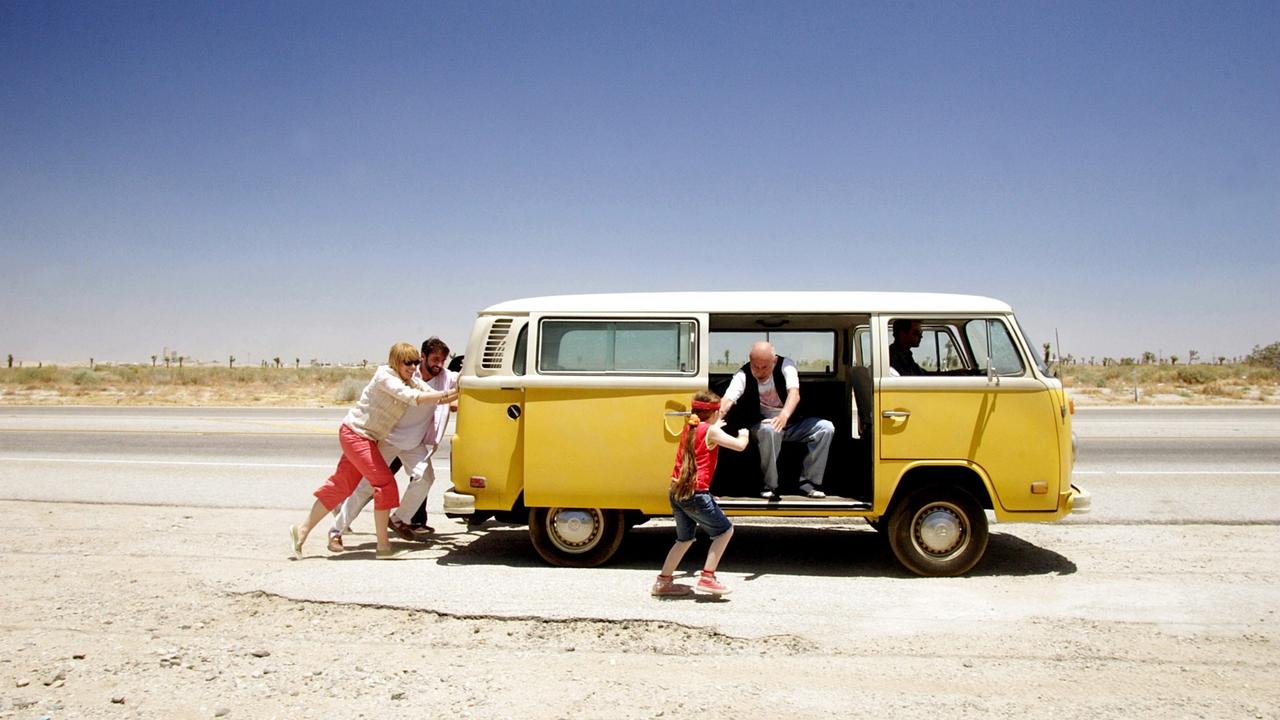
The yellow 1971 Volkswagen Type 2 bus is as much a character as anyone else. The production used five identical vans to handle the different "stunts" (like the sliding door falling off). Because the van’s clutch was genuinely temperamental, the actors really did have to push-start it in several scenes. That physical exhaustion you see on their faces? That’s not just acting; that’s the reality of trying to coax a vintage vehicle across the desert heat.
In the post-9/11 era of filmmaking, Little Miss Sunshine felt like a necessary exhale. It shifted away from the cynicism of the late 90s and moved toward a new kind of "radical empathy." It told us that it’s okay to be a loser. In fact, it suggested that the "losers" are the only ones having any fun. It’s a film that has aged remarkably well because its themes—family dysfunction, the pressure of success, and the search for identity—are evergreen.
This is a rare gem that manages to be cynical and hopeful at the exact same time. It avoids the "instant classic" trap by being stubbornly small, focusing on the tiny, painful interactions that make a family real. Whether you’re a fan of the indie era or just someone who has ever felt like the odd one out in a van full of crazies, this is essential viewing. It’s a reminder that even when your "9-step program" fails, you can still find a way to dance.
Keep Exploring...
-

Ruby Sparks
2012
-
PK
2014
-
The Artist
2011
-

About Schmidt
2002
-
Chicago
2002
-

Mean Girls
2004
-
Sideways
2004
-
The Princess Diaries 2: Royal Engagement
2004
-
The Devil Wears Prada
2006
-

Juno
2007
-

The Bucket List
2007
-
The Proposal
2009
-
Love & Other Drugs
2010
-

Arthur Christmas
2011
-

The Descendants
2011
-
The Passion of the Christ
2004
-
Brokeback Mountain
2005
-
Apocalypto
2006
-
The Reader
2008
-
My Cousin Vinny
1992