Lucky Number Slevin
"Look left. Go right. You just got shuffled."
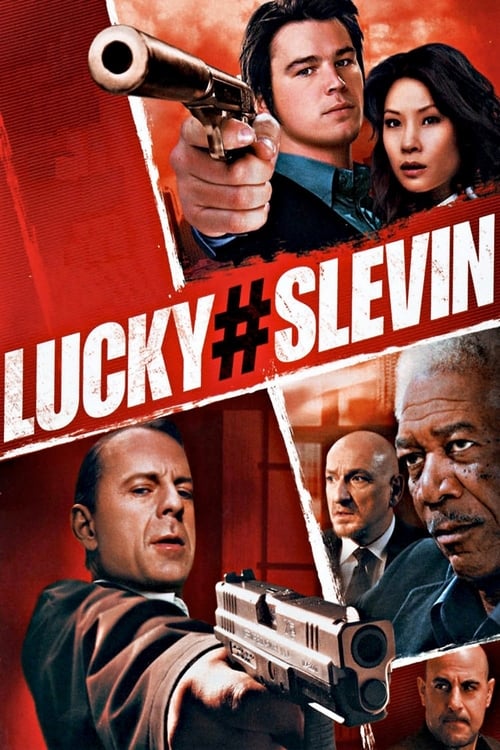
There was a specific moment in the mid-2000s when Hollywood was absolutely obsessed with being the smartest person in the room. We were post-Tarantino, post-Guy Ritchie, and every director with a viewfinder wanted to make a movie that felt like a jazz solo—unpredictable, slightly arrogant, and impossibly slick. Lucky Number Slevin is the crowning achievement of that era. It’s a film that wears a designer suit and a smirk, inviting you to keep up while it pulls the rug out from under your feet.
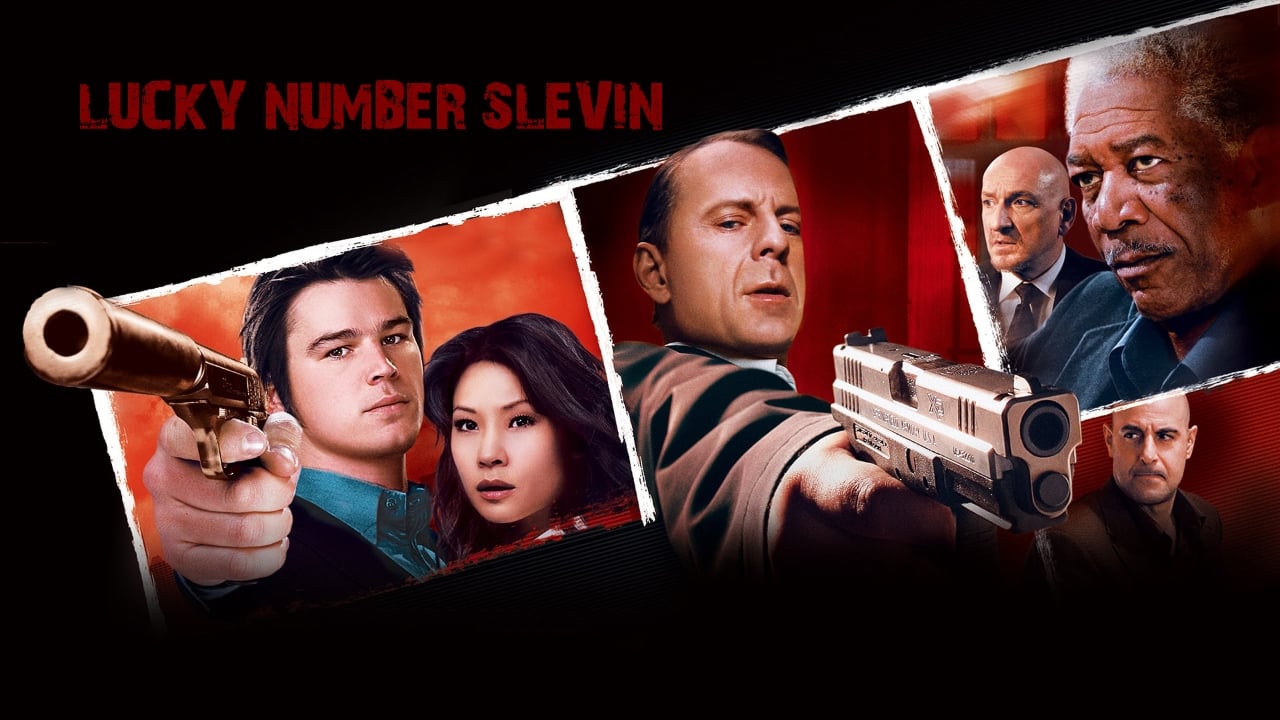
I first watched this movie while eating a particularly disappointing, lukewarm burrito in my college dorm, and I remember being so distracted by the rhythmic, hyper-stylized dialogue that I forgot to keep chewing. It’s the kind of film that demands your full attention, not because it’s dense, but because it’s playing a game with you.
The Wallpaper and the Wise-Guys
Visually, Lucky Number Slevin is a fever dream of 1970s interior design. Director Paul McGuigan and his team clearly decided that "subtle" wasn’t in the budget, opting instead for a world where every room has a different, dizzying pattern of wallpaper that seems to reflect the fractured psychology of the characters. It gives the whole thing a stage-play quality, which is fitting because the script by Jason Smilovic feels like it was written by someone who grew up on a steady diet of Dashiell Hammett and Looney Tunes.
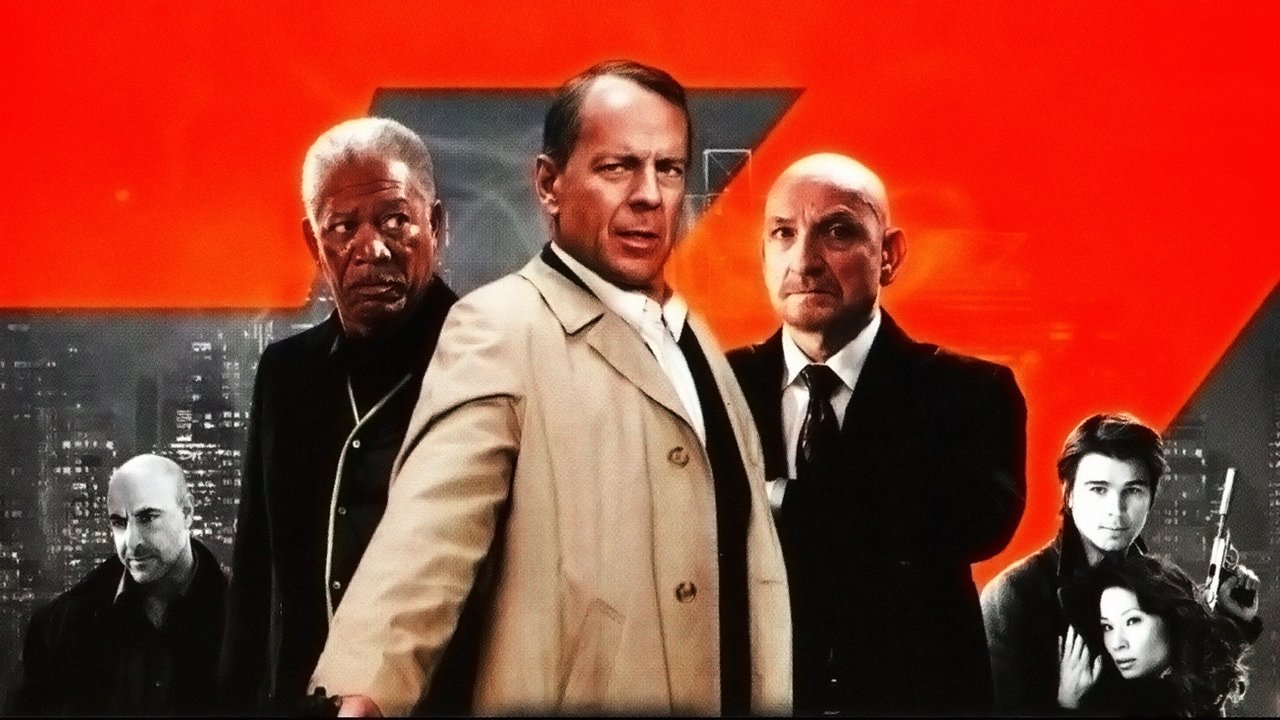
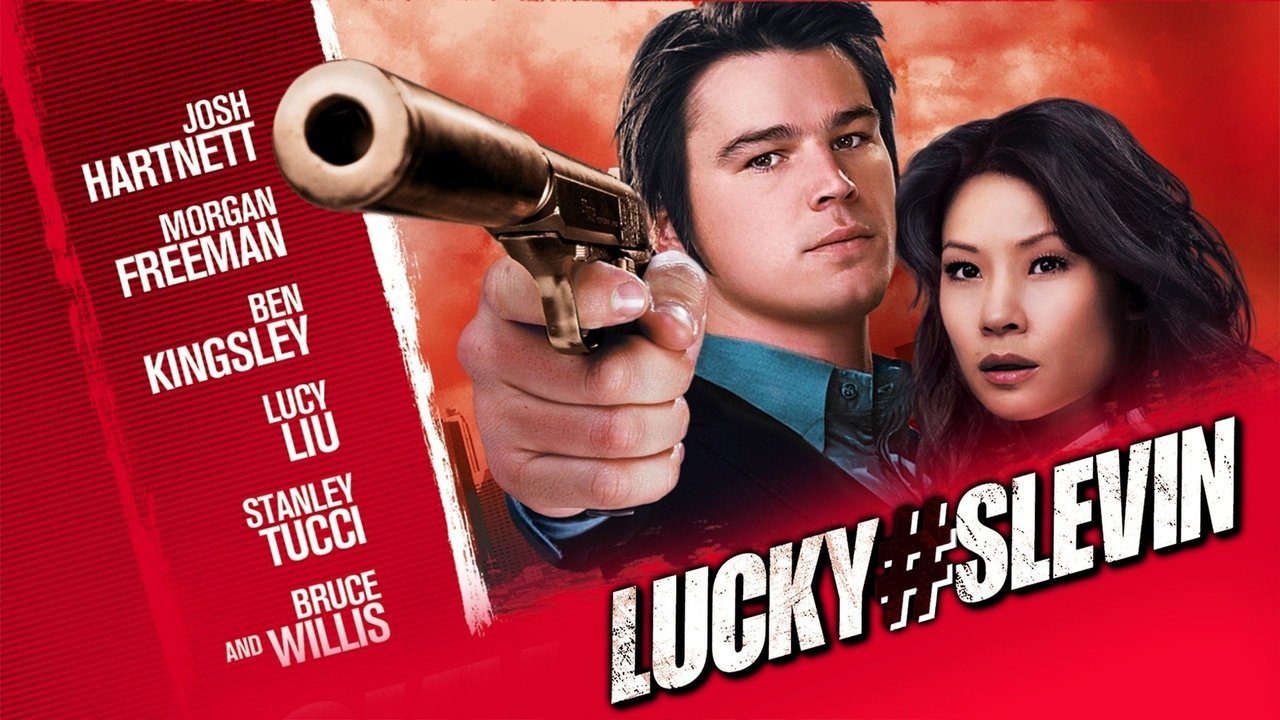
At the center of this aesthetic whirlpool is Josh Hartnett, playing Slevin Kelevra. At the time, Hartnett was being pushed as the next big leading man, but here he leans into a weird, detached charisma that works perfectly. He spends half the movie in nothing but a towel, looking like a human shrug while being threatened by the city’s most dangerous men. He has a condition where he lacks a "worry reflex," which sounds like a screenwriter's gimmick (because it is), but it allows him to play off the heavyweights with a breezy nonchalance that is incredibly fun to watch.
A Masterclass in Mobster Chemistry
The real meat of the film, however, lies in the sandwich created by Morgan Freeman and Ben Kingsley. They play "The Boss" and "The Rabbi," former partners turned bitter rivals who live in fortified buildings directly across the street from one another. Seeing Freeman drop his "God-like narrator" persona to play a cold, calculated crime lord is a treat, but Kingsley nearly steals the show as a Jewish mob boss who is as terrifying as he is articulate.
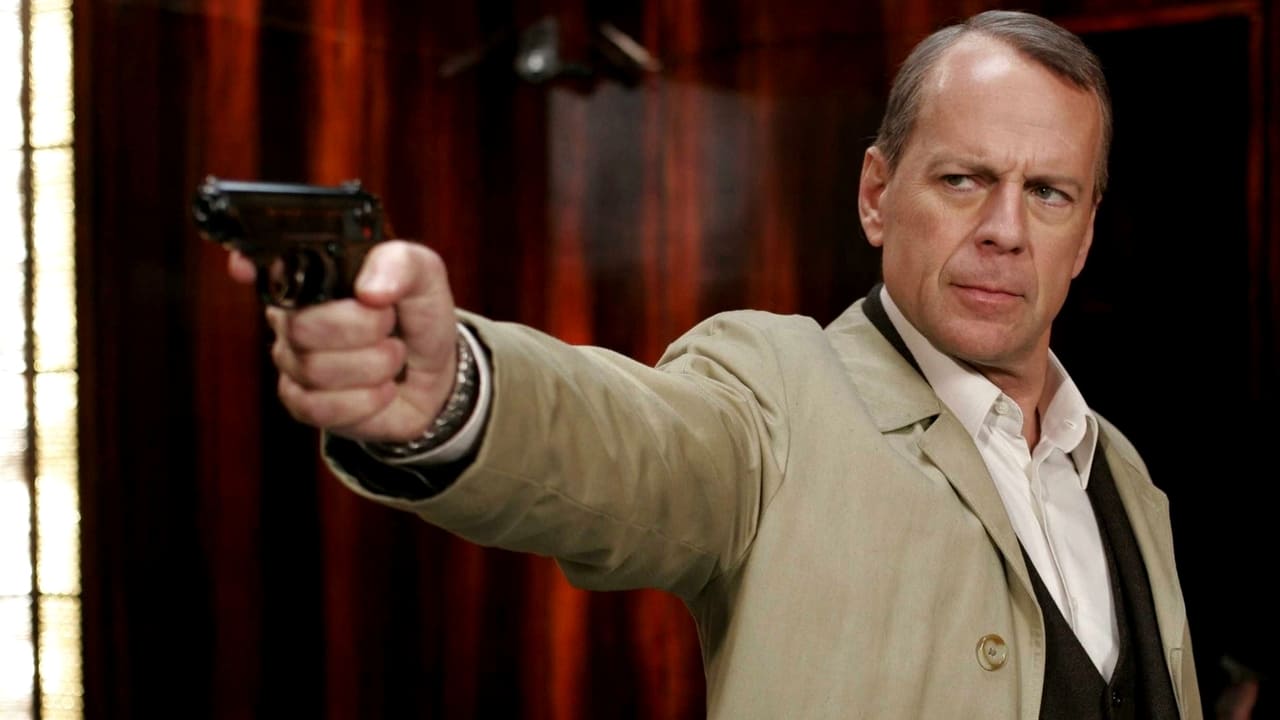
Then you have Bruce Willis as Mr. Goodkat. This was back when Willis still had that spark in his eyes, playing an infamous assassin with a quiet, lethal gravity. He introduces us to the "Kansas City Shuffle"—the film’s central metaphor for misdirection. "They look right, and you go left." It’s a bit of meta-commentary on the film itself; I’m convinced this movie only exists to prove that you can make a noir thriller feel like a magic trick.
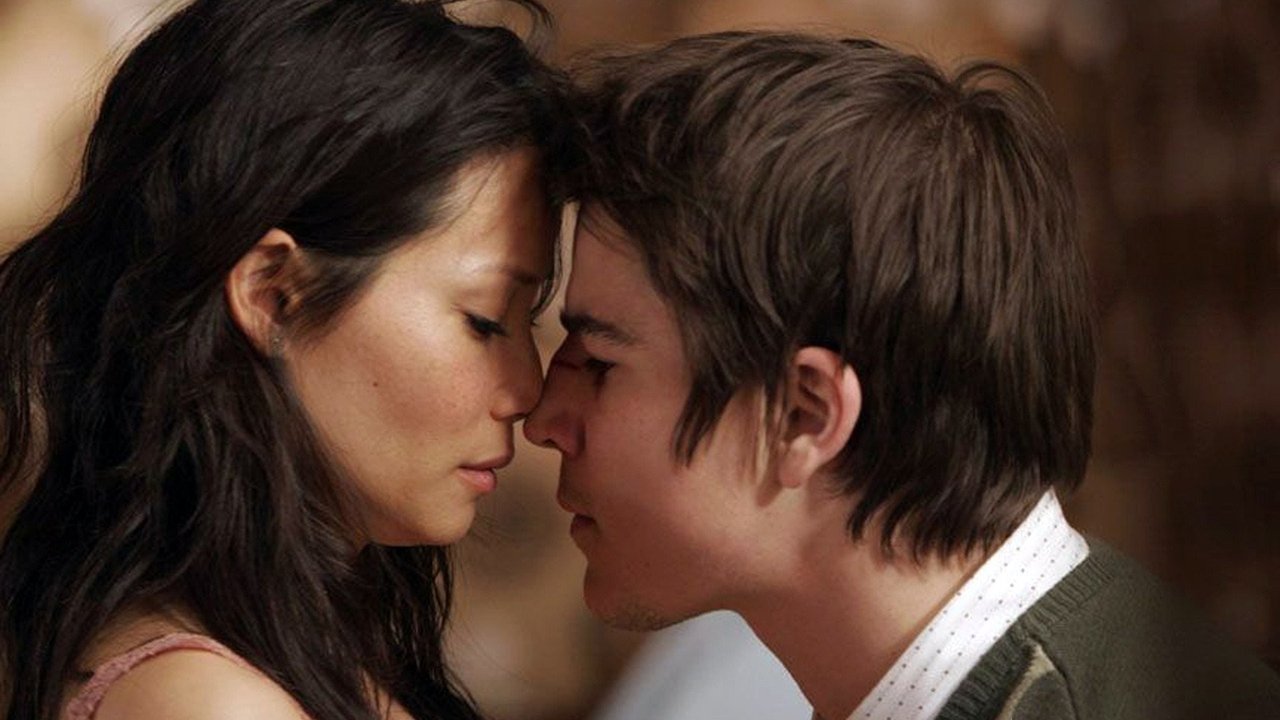
But the secret weapon of the entire production is Lucy Liu. As Lindsey, the fast-talking neighbor who gets swept up in Slevin's mess, she provides the film’s heartbeat. Her chemistry with Hartnett is effortless, turning what could have been a grim crime saga into a weirdly charming screwball comedy for long stretches. Without her, the movie might have felt too cold, too obsessed with its own cleverness.
The Weight of the Shuffle
For all its quips and colorful patterns, Lucky Number Slevin doesn't shy away from the "Dark" modifier. When the violence hits, it hits with a sickening, practical thud that reminds you the stakes aren't just academic. The third act takes a sharp turn into somber territory, revealing a backstory of revenge and trauma that recontextualizes every "funny" line you heard in the first hour.
Looking back, the film captures that 2006 transition period where indie-style storytelling was being polished for a mainstream audience. It’s a "DVD classic"—the kind of movie that didn't set the box office on fire but became a staple of home collections because it rewards the second and third viewing. You start to notice the tiny clues hidden in the dialogue and the way Stanley Tucci, playing a perpetually frustrated detective, is actually the only person seeing the truth.
Hot take: This is the best movie Bruce Willis made in the entire 2000s, and I’ll fight anyone who says otherwise. It’s a film that respects its audience’s intelligence while also wanting to give them a high-speed thrill ride. It’s the cinematic equivalent of a card shark showing you a trick: you know you’re being fooled, but the execution is so elegant you don't even mind.
Lucky Number Slevin is a vibrant, bloody, and endlessly quotable relic of an era when movies were allowed to be "too clever for their own good." It’s a dark drama wrapped in a mystery, dressed in a towel and very loud wallpaper. If you haven't seen it, go in cold. Don't look up the ending. Just let the Kansas City Shuffle happen to you. It’s a trip worth taking, even if you’re just there for the dialogue.
Keep Exploring...
-

Mystic River
2003
-
Gone Baby Gone
2007
-
Infernal Affairs
2002
-
Road to Perdition
2002
-

Tell No One
2006
-
The Girl with the Dragon Tattoo
2009
-
John Q
2002
-
21 Grams
2003
-
Kiss Kiss Bang Bang
2005
-
The Next Three Days
2010
-
Drive
2011
-
The Lincoln Lawyer
2011
-
Primal Fear
1996
-
L.A. Confidential
1997
-
Arlington Road
1999
-
I'm Not Scared
2003
-
Dogville
2003
-
The Life of David Gale
2003
-

A History of Violence
2005
-

Zodiac
2007