Marie Antoinette
"The loneliest party in history."
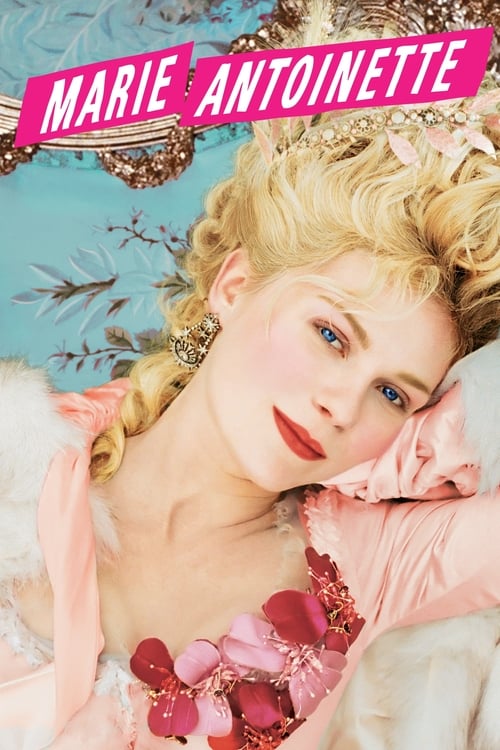
There is a single pair of lavender Converse All-Stars tucked behind a pile of silk slippers in Marie Antoinette, and in 2006, that one shot basically acted as a litmus test for whether you were going to hate Sofia Coppola or follow her into the sunset. I remember seeing it in a half-empty theater where the person behind me kept audibly sighing every time a post-punk song started playing. Me? I was hooked. I watched the movie again recently while my radiator was making a rhythmic clanking sound that strangely synced up with the New Order track on the soundtrack, and it hit me just how much this film was ahead of its time.
Let Them Eat New Wave
When Sofia Coppola followed up the neon-soaked isolation of Lost in Translation (2003) with a period piece about the most maligned queen in French history, people expected Masterpiece Theatre. Instead, they got a candy-colored fever dream that feels more like a music video than a history lesson. It’s a bold, deliberate choice to ignore the looming guillotine and the political machinations of the starving masses until the very end. Instead, we are trapped inside Versailles with a teenager who has no idea how to be a queen because she’s too busy trying to figure out how to be a person.
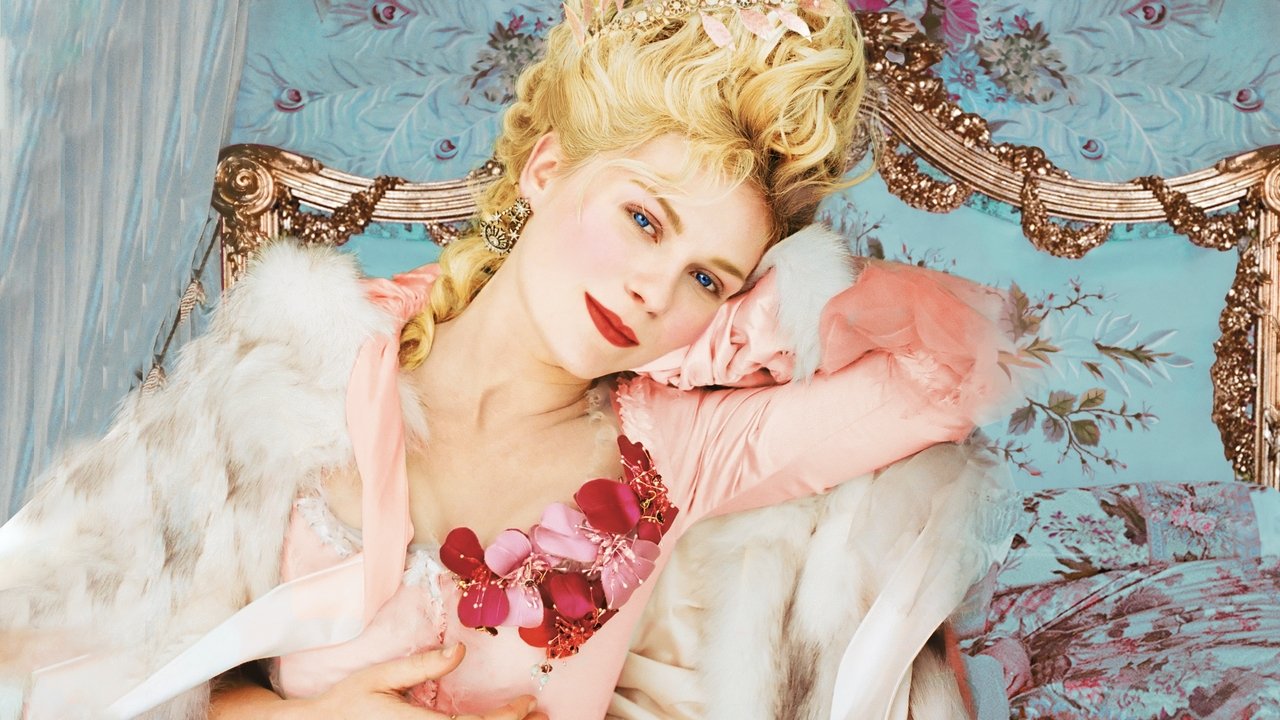
Kirsten Dunst gives what I’d argue is her career-best performance here as Marie. She doesn’t play a historical figure; she plays a girl. Whether she’s being stripped naked in a drafty hallway because "etiquette" dictates who is allowed to hand her a chemise, or wandering through the gardens of the Petit Trianon, Dunst carries a specific kind of melancholy behind her eyes. It’s the look of someone who has everything and absolutely nothing at the same time. Coppola lets her actors breathe, often favoring long, silent takes over heavy dialogue. Jason Schwartzman is equally brilliant as Louis XVI, portraying him not as a villain, but as a shy, awkward clock-fixer who is basically just every guy who would rather play video games than look at his wife.
The Aesthetic of Excess
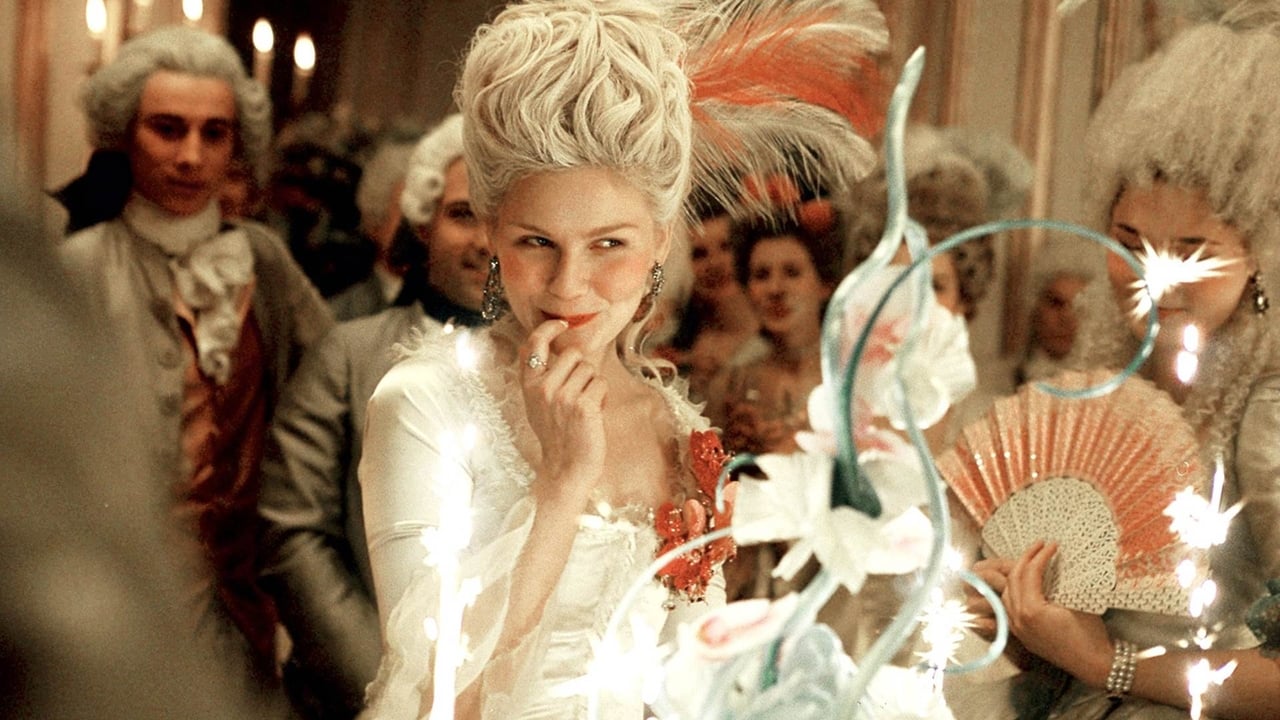
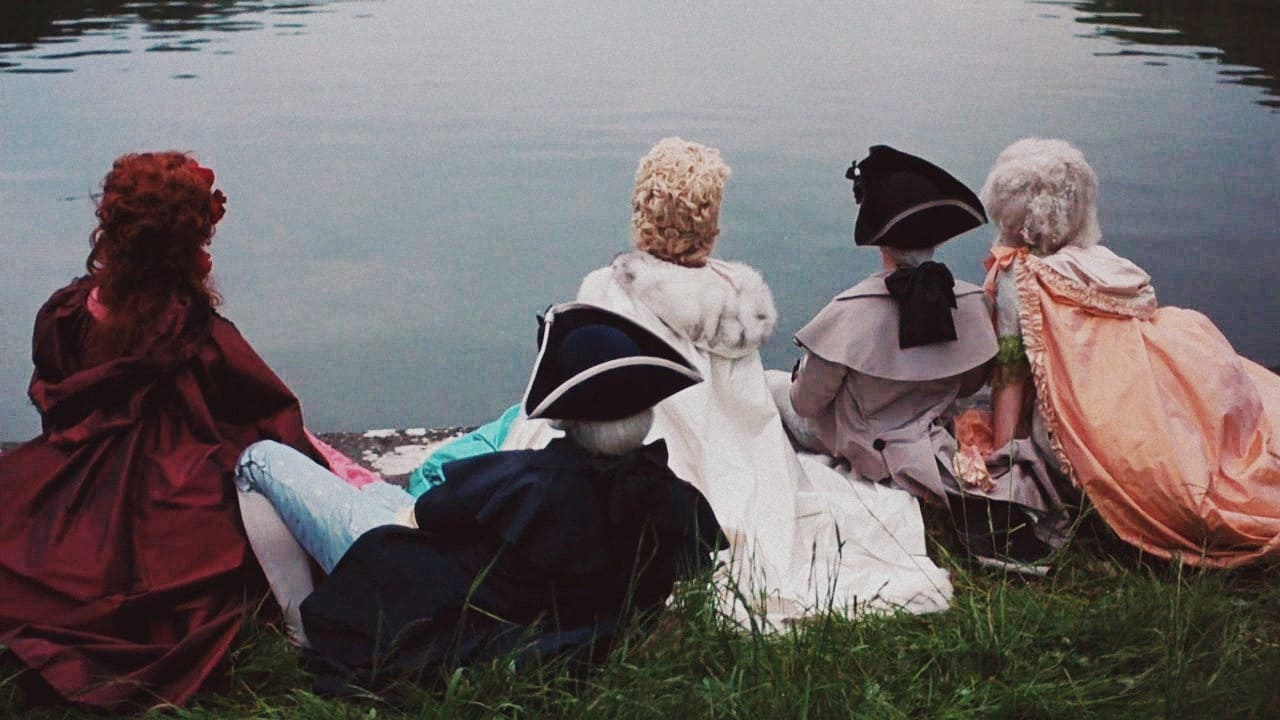
Visually, this movie is a sugar rush. The cinematography by Lance Acord—who also shot Being John Malkovich (1999)—uses natural light to make Versailles look like a hazy, golden prison. The costumes by Milena Canonero are so edible they practically deserve their own credit line; they’re all mint greens, pale pinks, and lemon yellows. It’s a sensory experience meant to mimic the hedonism Marie used to distract herself from her cold marriage and the stifling court led by the terrifyingly stern Judy Davis as the Comtesse de Noailles.
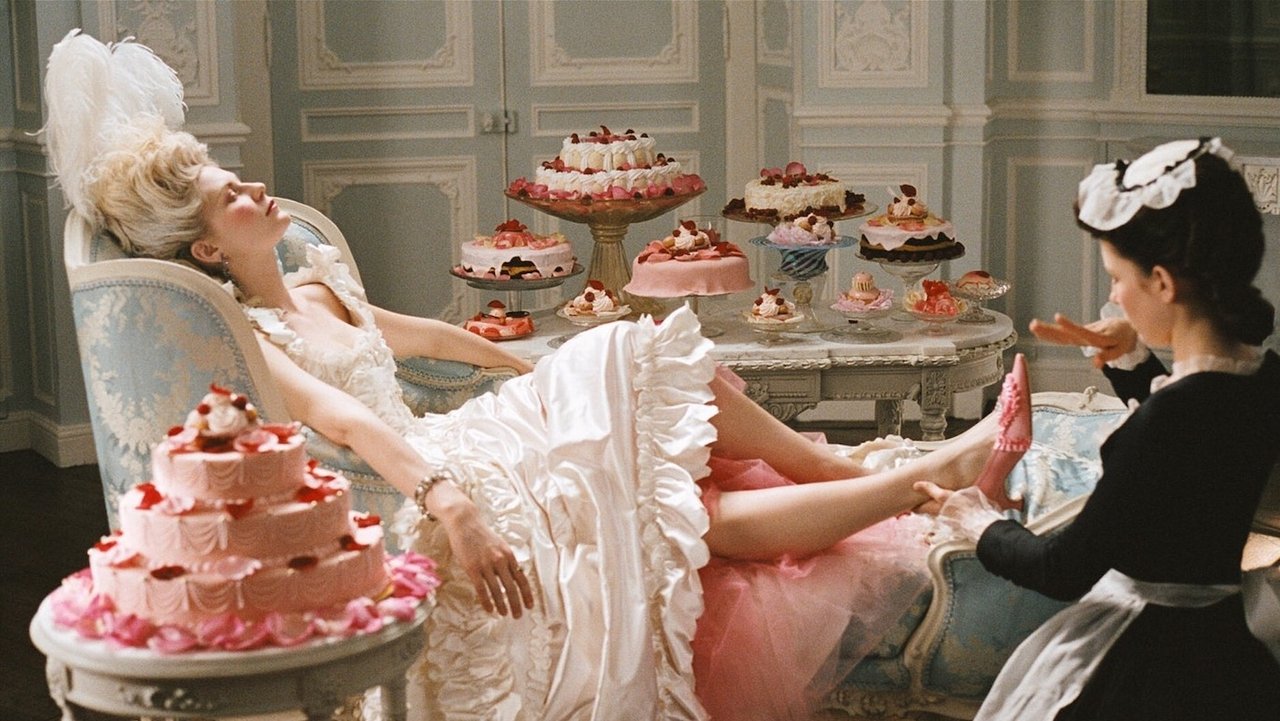
The "I Want Candy" montage is the film's manifesto. Set to Bow Wow Wow, we see a blur of gambling, champagne, towering wigs, and Manolo Blahniks. It’s easy to dismiss this as "style over substance," but in the context of the 2000s indie boom, it was a radical act of empathy. Coppola made the French Revolution look like a really expensive perfume commercial, and I’m completely fine with that because it captures the feeling of the era better than a dry documentary ever could. It’s about the isolation of the "It Girl" decades before social media made that a daily anxiety.
The Art of the Cult Reassessment
It’s hard to believe now, given how much this film dominates Pinterest boards and fashion mood boards, but Marie Antoinette was famously booed at its Cannes press screening. Critics at the time were annoyed by the lack of "history" in their historical drama. They wanted the "why" of the revolution, but Coppola was only interested in the "how" of the girl. Looking back, this feels like a precursor to the way we consume media now—obsessed with "the vibe" and the personal over the political.
The behind-the-scenes stories only add to the film's charm. Apparently, the production was granted unprecedented access to the Palace of Versailles, meaning those gold-leafed walls and manicured lawns are the real deal. Jason Schwartzman reportedly spent weeks learning how to hunt and fix locks to get into Louis's headspace, while Rip Torn (as Louis XV) and Asia Argento (as the scandalous Madame du Barry) provide a chaotic, greasy energy that contrasts perfectly with the younger cast's porcelain stillness.
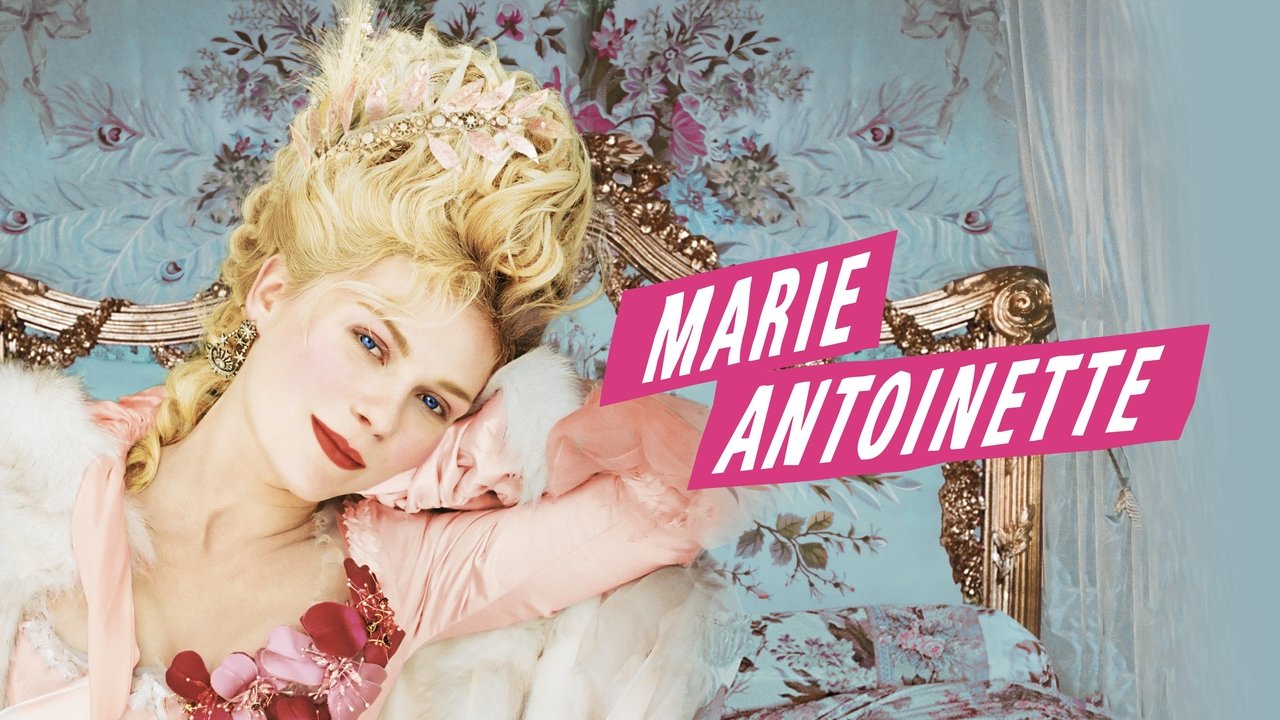
Another fun detail? Most of the pastries in the film were provided by Ladurée, and they were so tempting that the crew had to be constantly reminded not to eat the props. It’s that level of commitment to the "pop" in "pop history" that has helped the film transition from a box-office disappointment to a legitimate cult classic. It’s a film that demands to be felt rather than studied.
In the end, Marie Antoinette doesn't give us the execution. We don't see the blood or the blade. We just see a carriage driving away from a world that has already ended. It’s a poignant, beautiful, and deeply personal film that treats its subject with more kindness than history ever did. If you haven't revisited it since the mid-2000s, it's time to put on some New Order, grab a macaron, and get lost in the pastel haze. It’s a royal mess in the best way possible.
Keep Exploring...
-
Lost in Translation
2003
-
Coach Carter
2005
-

Milk
2008
-

The Other Boleyn Girl
2008
-
J. Edgar
2011
-
Enemy at the Gates
2001
-
Gangs of New York
2002
-

Alexander
2004
-
King Arthur
2004
-

Cinderella Man
2005
-
Kingdom of Heaven
2005
-

Memoirs of a Geisha
2005
-
Munich
2005
-
Invictus
2009
-
Public Enemies
2009
-
Ip Man 2
2010
-
The Beguiled
2017
-
Ed Wood
1994
-
Melancholia
2011