Miami Vice
"The tide comes in. The law goes out."
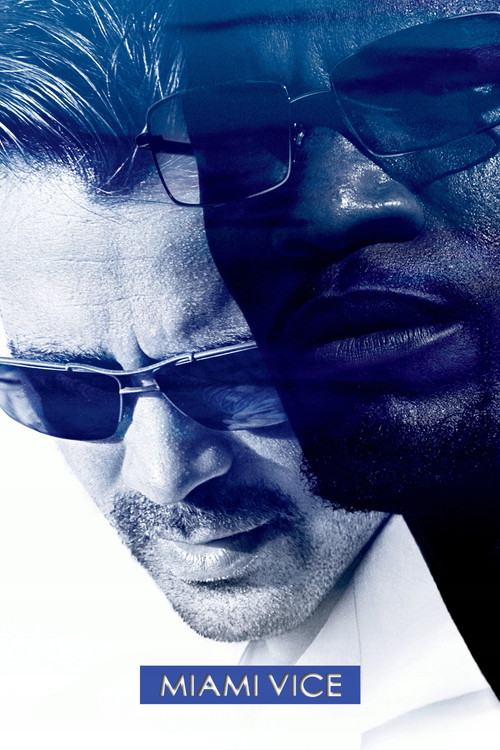
I distinctly remember watching Miami Vice for the first time on a flight back from London while sitting next to a woman who was methodically peeling a hard-boiled egg. The sulfurous smell of the egg and the pressurized cabin air somehow perfectly complemented the gritty, digital "sea-spray-on-the-lens" aesthetic of Michael Mann’s most misunderstood film. Most people walked into theaters in 2006 expecting the pastel neon and pop-synth fluff of the 1980s TV show. Instead, they got a grim, high-stakes procedural that feels more like a war documentary than a summer blockbuster.
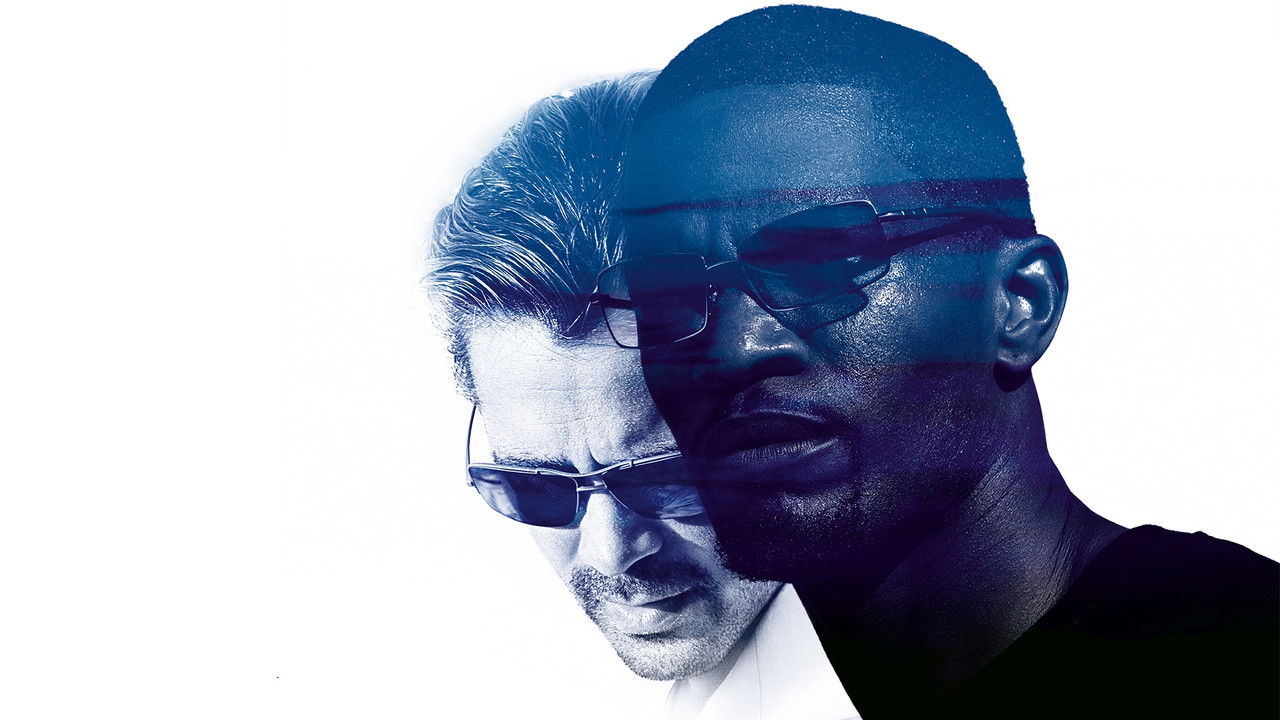
Looking back, it’s clear that Miami Vice wasn't a remake at all; it was a total reimagining that leaned into the anxieties of the mid-2000s. The movie is less about "catching the bad guys" and more about the crushing weight of professional identity and the blur between reality and the undercover lie. It’s a film that asks: if you play the part of a high-level drug smuggler long enough, do you eventually just become one?
The Raw Beauty of Early Digital
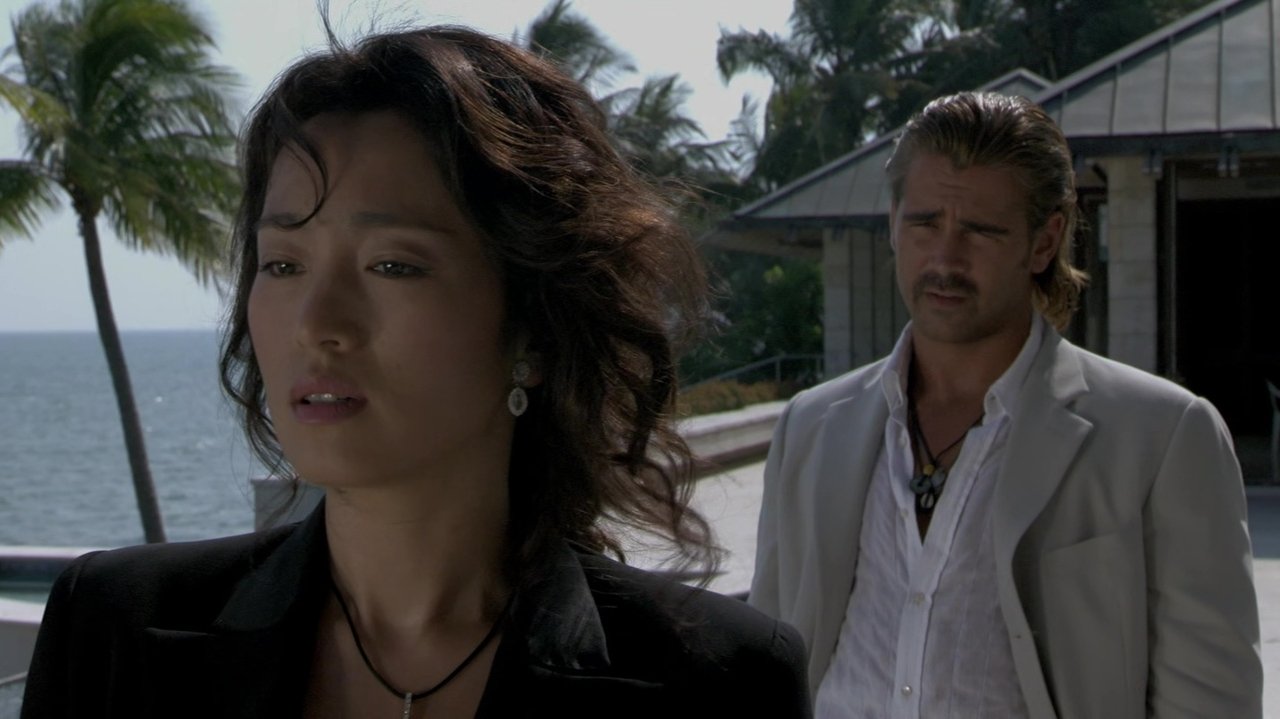
One of the first things that hits you is the look. While films like 300 or Sin City were using CGI to create stylized comic book worlds, Michael Mann and cinematographer Dion Beebe (who worked with Mann on Collateral) were using the then-new Thomson Viper FilmStream digital cameras to capture reality in its most jagged form. This movie looks like it was filmed through a dirty windshield at 3:00 AM, and I mean that as a high compliment.
There is a grainy, hyper-real texture to the night scenes that film stock simply couldn't achieve at the time. You see the orange glow of the city lights reflecting off low-hanging storm clouds and the deep, ink-black voids of the Atlantic Ocean. It’s a far cry from the polished, airbrushed look of modern MCU entries. In an era where we were transitioning from the warmth of analog to the cold precision of digital, Miami Vice embraced the "glitches" of the new tech—the digital noise and the blown-out highlights—to create a sense of urgent, documentary-like intimacy.
A Different Kind of Chemistry
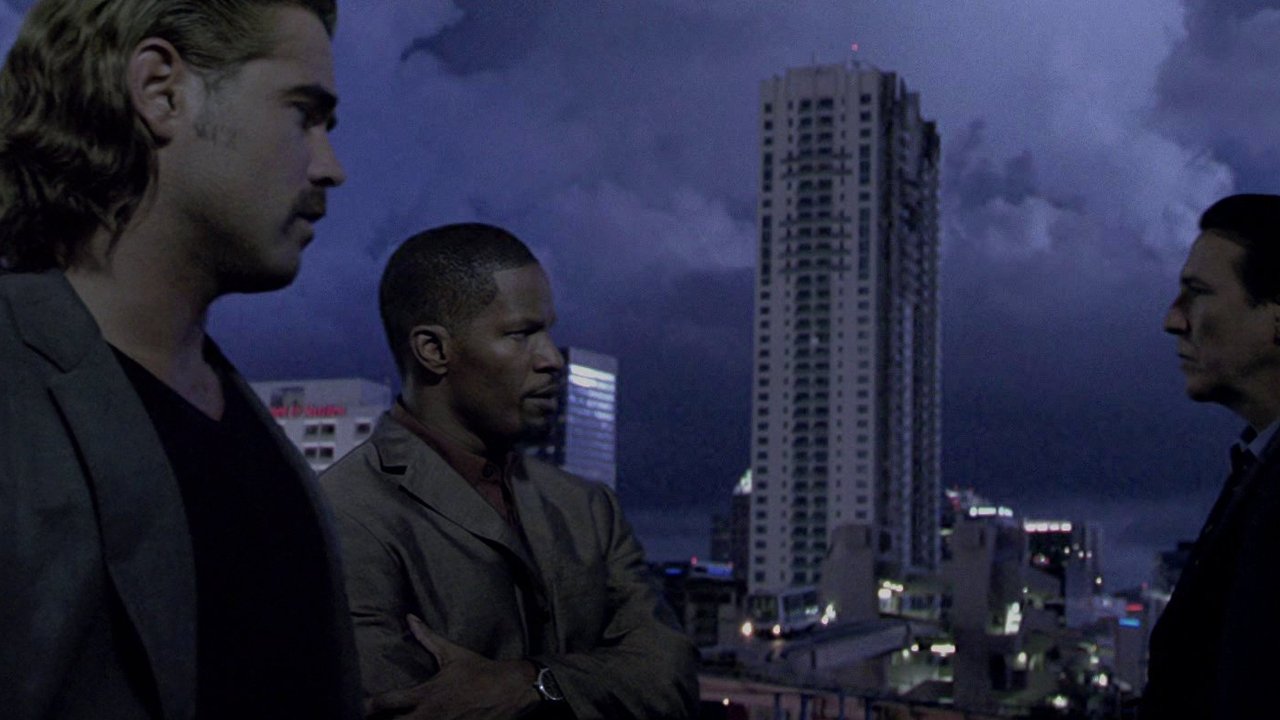
The casting of Colin Farrell as Sonny Crockett and Jamie Foxx as Rico Tubbs was a stroke of genius that many critics missed at the time because they were looking for the "buddy cop" banter of Lethal Weapon. There is almost zero "funny" dialogue here. These guys don't trade quips; they trade tactical data and silent nods of professional respect. Jamie Foxx, fresh off his Oscar win for Ray, plays Tubbs with a controlled, simmering intensity, while Colin Farrell—sporting a mustache that deserves its own SAG card—portrays Crockett as a man who is dangerously close to falling off the edge.
The heart of the film, however, isn't the brotherhood between the two leads; it’s the tragic, doomed romance between Crockett and Isabella, played with haunting elegance by Gong Li (Raise the Red Lantern). Their trip to Havana for mojitos isn't just a diversion; it’s a beautifully shot sequence that highlights the film’s central theme: the desperate search for something real in a world built on deception. When they dance, the camera stays tight on their faces, ignoring the $135 million budget to focus on two people who know their time is running out.
High-Stakes Realism and Heavy Metal
If you’re here for the action, Michael Mann provides a masterclass in tactical geography. Unlike the "shaky cam" chaos that infected action movies post-Bourne, the shootouts in Miami Vice are crystal clear. You always know where the shooters are, where the cover is, and exactly how high the stakes are. The final showdown at the shipping port is a symphony of heavy-caliber gunfire. The sound design is terrifyingly loud; the gunshots don't sound like "movie" pews, they sound like industrial machinery tearing through sheet metal.
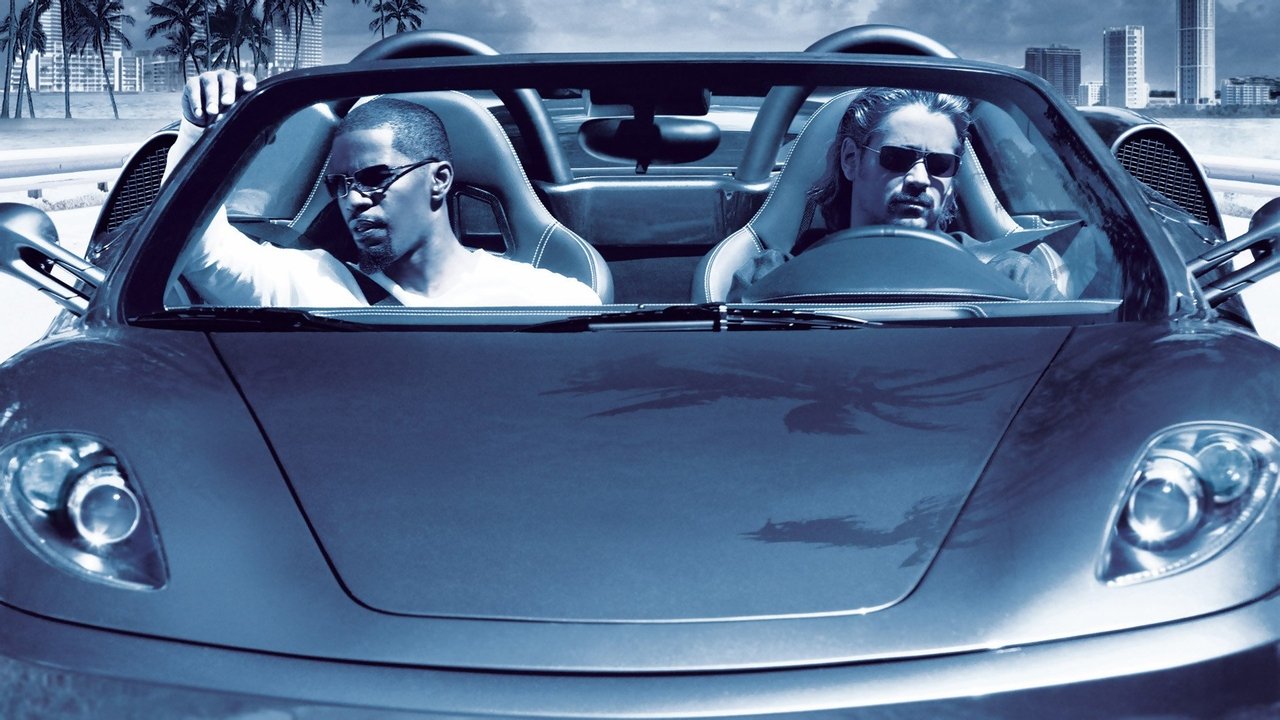
The production was famously troubled—hurricanes destroyed sets, and Jamie Foxx reportedly walked off set after a real-life shooting occurred during filming in the Dominican Republic. This actually led Michael Mann to change the ending, moving it from a massive set piece in Paraguay to the more intimate port shootout we see now. In a weird way, the off-screen tension bled into the film, giving it a sense of genuine, un-faked irritability.
The film has aged remarkably well, largely because it doesn't try to be "cool" in a 2006 way—it tries to be authentic to its own internal logic. It eschews the iconic Jan Hammer theme song and the bright white Ferraris for a soundtrack of Linkin Park covers and heavy, gray clouds. It’s a mood piece disguised as an action movie, a film that values the "vibe" of a sunset over the mechanics of a drug bust.
If you haven't revisited this one since its theatrical run, or if you skipped it because of the mixed reviews, give it another shot on the biggest screen you can find. Just maybe skip the hard-boiled eggs during the viewing. It’s a beautiful, dark, and deeply romantic slice of 2000s auteur filmmaking that proves Michael Mann was always three steps ahead of the curve.

Keep Exploring...
-
Dead Man Down
2013
-
Street Kings
2008
-
Along Came a Spider
2001
-
Blood Work
2002
-
Basic
2003
-
The Hunted
2003
-
Hostage
2005
-
Into the Blue
2005
-
Public Enemies
2009
-

The International
2009
-
Drive Angry
2011
-
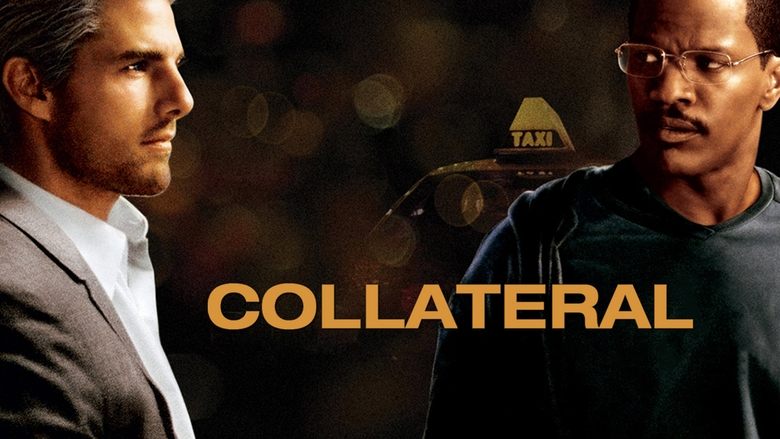
Collateral
2004
-
Kiss of the Dragon
2001
-
The Score
2001
-

Domino
2005
-
Shoot 'Em Up
2007
-
Takers
2010
-
The Losers
2010
-
Blitz
2011
-
Machine Gun Preacher
2011