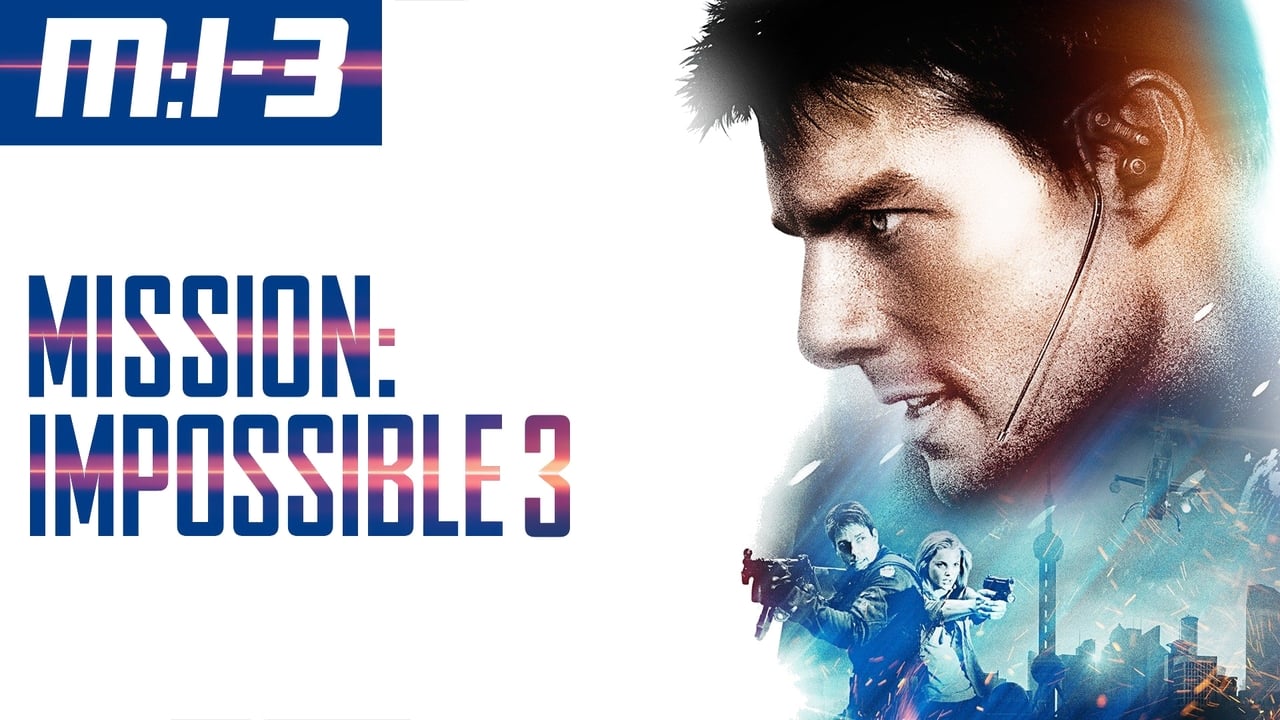
Mission: Impossible III
"Your life is just a countdown."
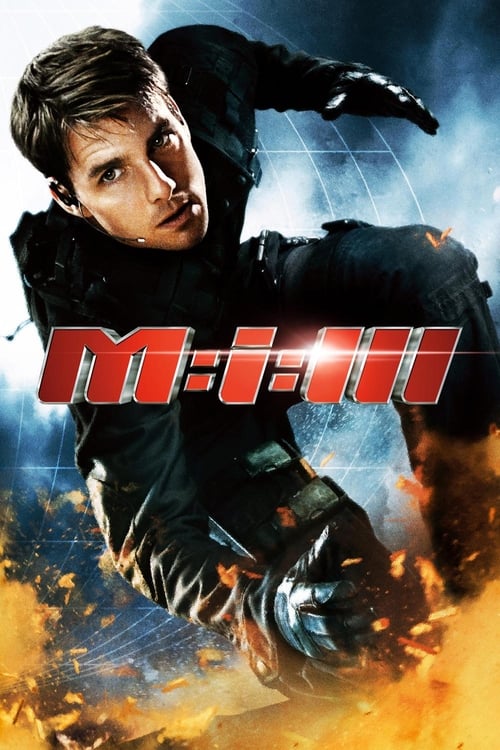
By the time 2006 rolled around, the general public was pretty much done with Tom Cruise. Between the couch-jumping on Oprah and the high-octane Scientology advocacy, the world’s biggest movie star had become a tabloid punchline. I honestly think people forget how close the Mission: Impossible franchise came to flatlining right then and there. After the stylized, leather-clad slow-motion of John Woo’s Mission: Impossible II, the series felt less like a burgeoning franchise and more like a vanity project in desperate need of a pulse.
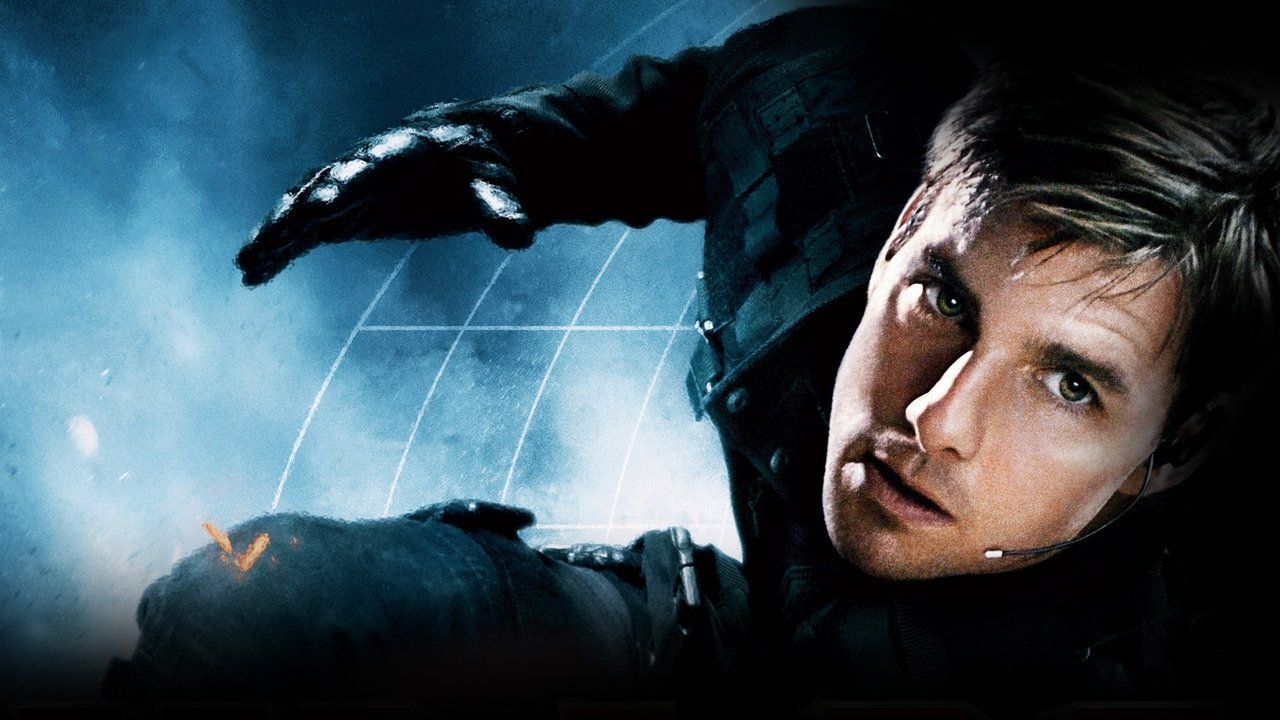
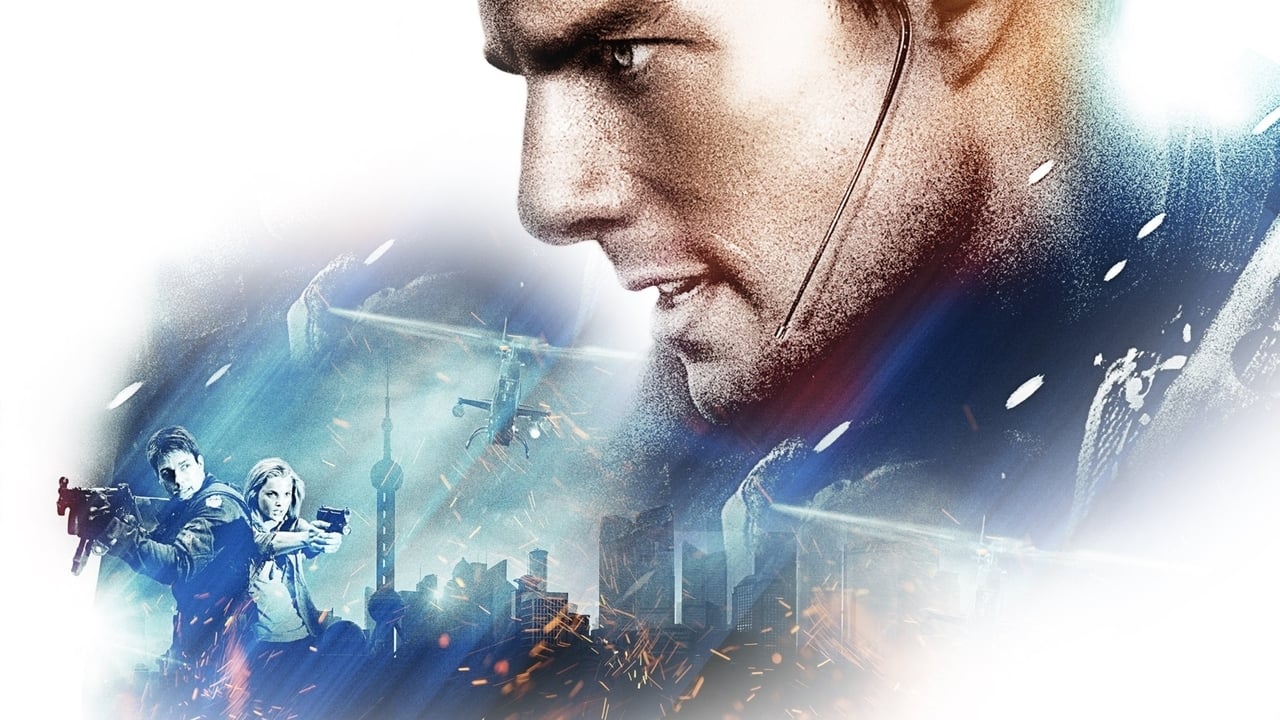
Enter J.J. Abrams. Fresh off the success of Alias and Lost, Abrams was handed the keys to the kingdom for his directorial film debut. He didn't just give the series a pulse; he gave it a soul. Looking back at it now, Mission: Impossible III is the most important film in the entire collection because it’s the one that realized Ethan Hunt works best when he has something to lose besides his security clearance.
The Philip Seymour Hoffman Factor
I’m just going to say it: Philip Seymour Hoffman’s Owen Davian is the greatest villain this franchise has ever seen, and it’s not particularly close. Most action movie bad guys spend their time monologuing about world domination or "the system." Davian doesn't care about any of that. He’s a high-level arms broker who treats international terrorism with the bored detachment of a middle manager filling out a spreadsheet.
The opening scene—which drops us right into the middle of the climax via in media res—still makes my stomach flip. Watching Davian count down while threatening to shoot Ethan’s wife, Julia (Michelle Monaghan), is a masterclass in psychological tension. Hoffman is so chillingly cold that he manages to do the impossible: he makes Tom Cruise look genuinely terrified. Usually, Ethan Hunt is a superhero in a windbreaker, but here, he’s a desperate man out of his depth.
The Bridge, The Bait, and The Big "Save"
This was the era of the "Mystery Box," and Abrams leans into it hard with the Rabbit’s Foot—the MacGuffin that everyone is chasing but no one explains. To be honest, the Rabbit’s Foot is the ultimate cinematic middle finger to anyone who needs a plot to make sense, and I love it for that. It doesn't matter what it is; it only matters that Ethan has to jump off a skyscraper in Shanghai to get it.
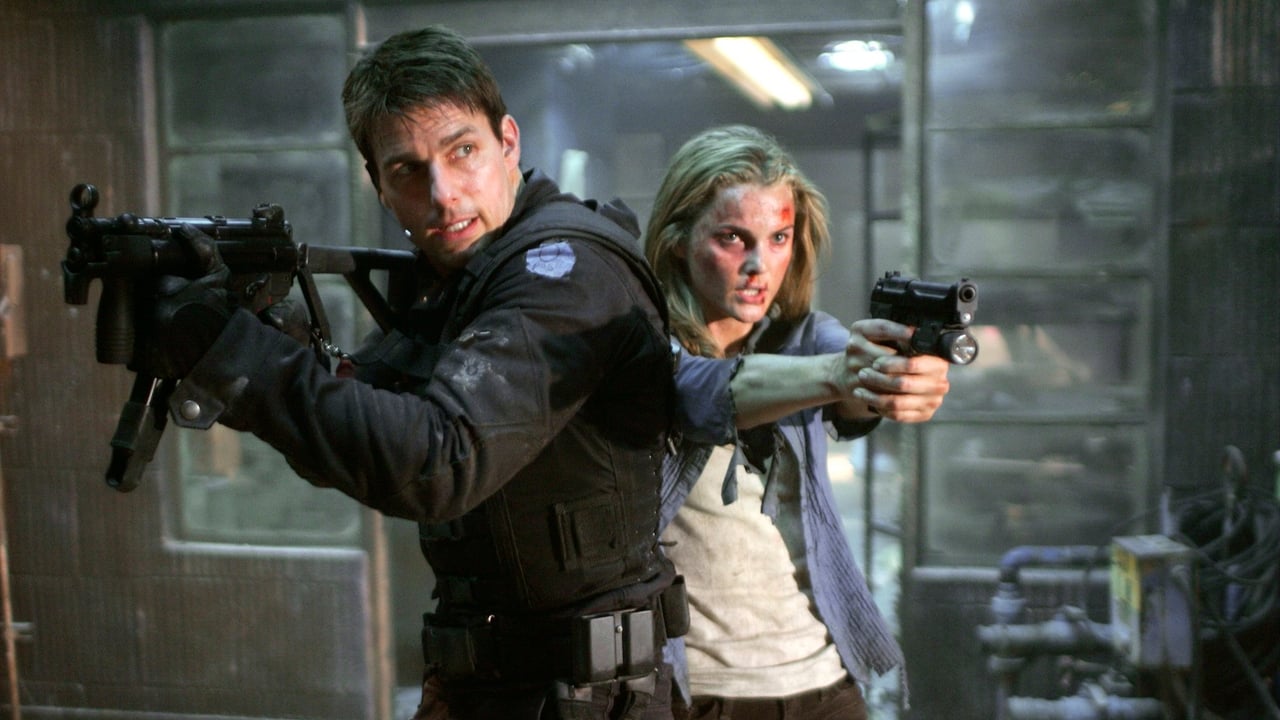
Speaking of jumping, the action choreography here represents that mid-2000s transition where CGI was starting to take over, but the "Cruise Ethos" of doing it for real was still the primary engine. The bridge sequence is the film's centerpiece. I watched this again recently on a flight where the woman next to me was aggressively knitting a very long scarf, and even with that domestic distraction, the moment a missile hits that bridge and Ethan is slammed sideways into a car felt raw and heavy.
The cinematography by Dan Mindel is grainy and kinetic, a far cry from the glossy digital sheen of the later entries. It captures that post-9/11 anxiety—the feeling that the world is messy, the tech is glitchy, and the "good guys" might be just as corrupt as the bad ones. This is also where the "team" dynamic really solidified. We get Ving Rhames returning as the reliable Luther, but the additions of Jonathan Rhys Meyers and Maggie Q made the IMF feel like a functional unit rather than just Ethan Hunt’s support staff.
The Ghost of Franchises Past
What’s fascinating about M:I-III is its "cult" status within the fandom. It actually had the lowest box office return of the entire series for a long time. People stayed away because of the Cruise fatigue, and for a few years, this was considered a "disappointment." But time has been incredibly kind to it. It paved the way for the "team-up" formula that Brad Bird would later perfected in Ghost Protocol.
Apparently, the road to this version was littered with abandoned scripts. David Fincher was originally attached to direct a version that was reportedly much darker and set in Cape Town. When he left, Joe Carnahan spent 15 months developing a grit-and-grime version before also walking away. Abrams was only hired because Cruise binged the first two seasons of Alias on DVD and decided he wanted that specific energy.
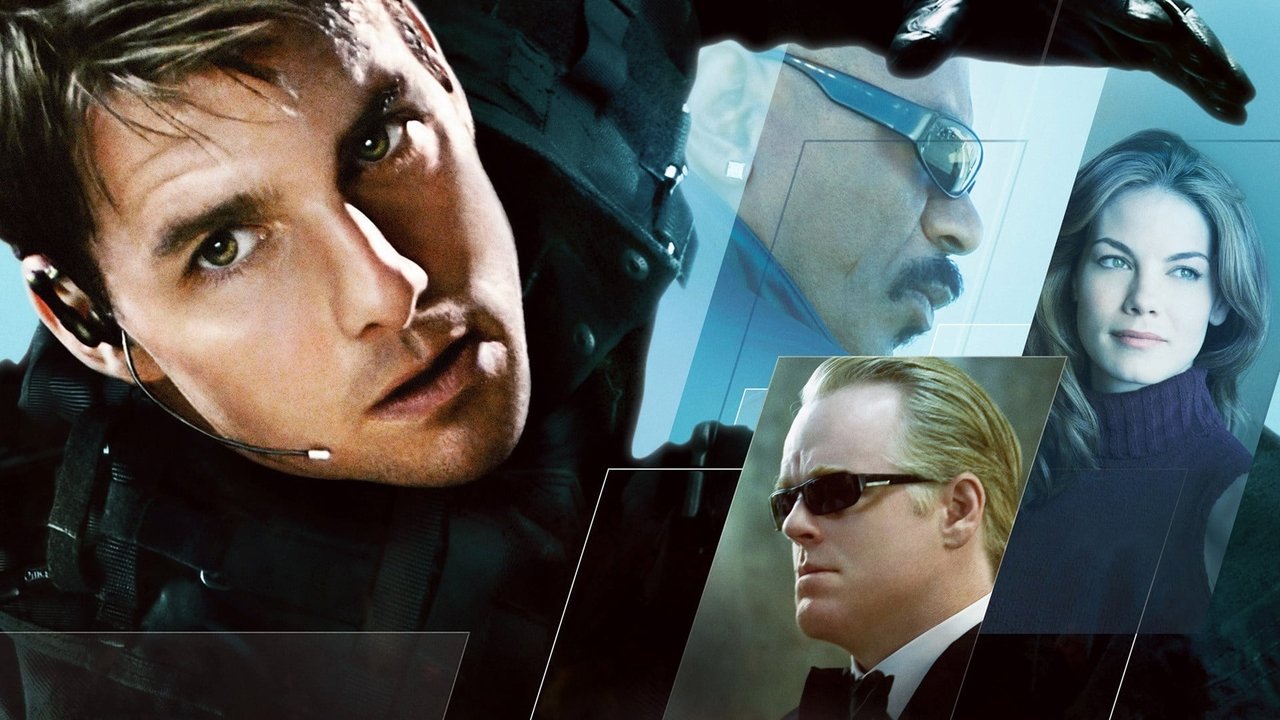
There’s a specific kind of 2006 magic here—the Motorola Razr phones, the shaky-cam fights, the Michael Giacchino score that felt like a frantic heartbeat. It’s a film that exists right on the edge of the analog and digital worlds. It’s also the film that gave us the "mask-rip" sequence done with such a frantic, lo-fi intensity that it felt dangerous again.
In the end, this is the film that saved the franchise by making it personal. It’s tight, mean, and features a villain who is legitimately haunting. While the later films might have bigger stunts and higher budgets, they rarely match the sheer emotional desperation found here. If you’ve been skipping this one on your series rewatches, it’s time to give Owen Davian the respect he deserves.
Mission: Impossible III stands as the bridge between the experimental identity crisis of the early films and the blockbuster juggernaut the series would eventually become. It’s the moment the franchise grew up. It’s also a reminder that before he was the world’s most famous stuntman, Tom Cruise was—and still is—a hell of an actor when someone pushes him. Plus, it’s just fun to see a 2006-era lab assistant played by Aaron Paul for about five seconds before he became a household name.
Keep Exploring...
-
Mission: Impossible - Ghost Protocol
2011
-
Mission: Impossible
1996
-
Mission: Impossible II
2000
-
Mission: Impossible - Dead Reckoning Part One
2023
-
Mission: Impossible - The Final Reckoning
2025
-
Mission: Impossible - Fallout
2018
-

Star Trek
2009
-

Mission: Impossible - Rogue Nation
2015
-
Star Trek Into Darkness
2013
-
The Island
2005
-
The Matrix Revolutions
2003
-
The Rundown
2003
-

16 Blocks
2006
-
Poseidon
2006
-

X-Men: The Last Stand
2006
-
Green Zone
2010
-
I Am Number Four
2011
-
Serenity
2005
-
The Brothers Grimm
2005
-
Quantum of Solace
2008