Monster House
"Every house has a history. This one has a hunger."
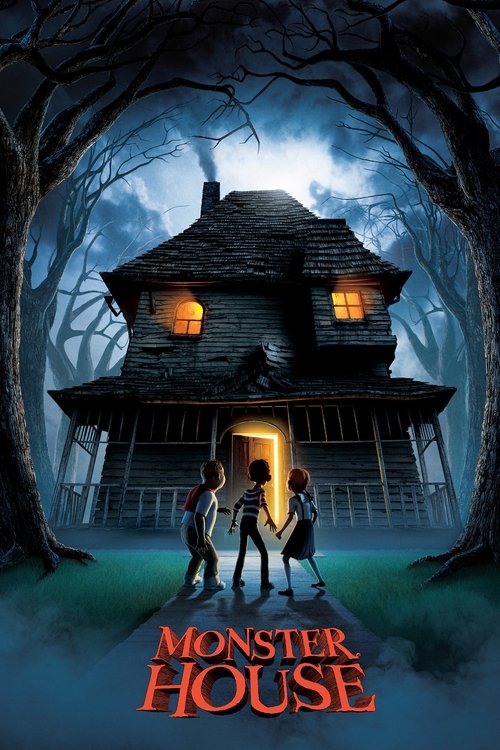
I remember watching Monster House on a humid Tuesday evening in a half-empty theater, nursing a lukewarm Sprite and wondering if the kid in the row behind me was ever going to stop kicking my seat. About twenty minutes in, he stopped. Not because he grew a conscience, but because he was paralyzed. There is a specific, jagged kind of terror in this movie that caught us all off guard in 2006. We expected a standard "spooky" Pixar clone, but what we got was a suburban nightmare fueled by the caffeine-jittery brains of Dan Harmon and Rob Schrab.
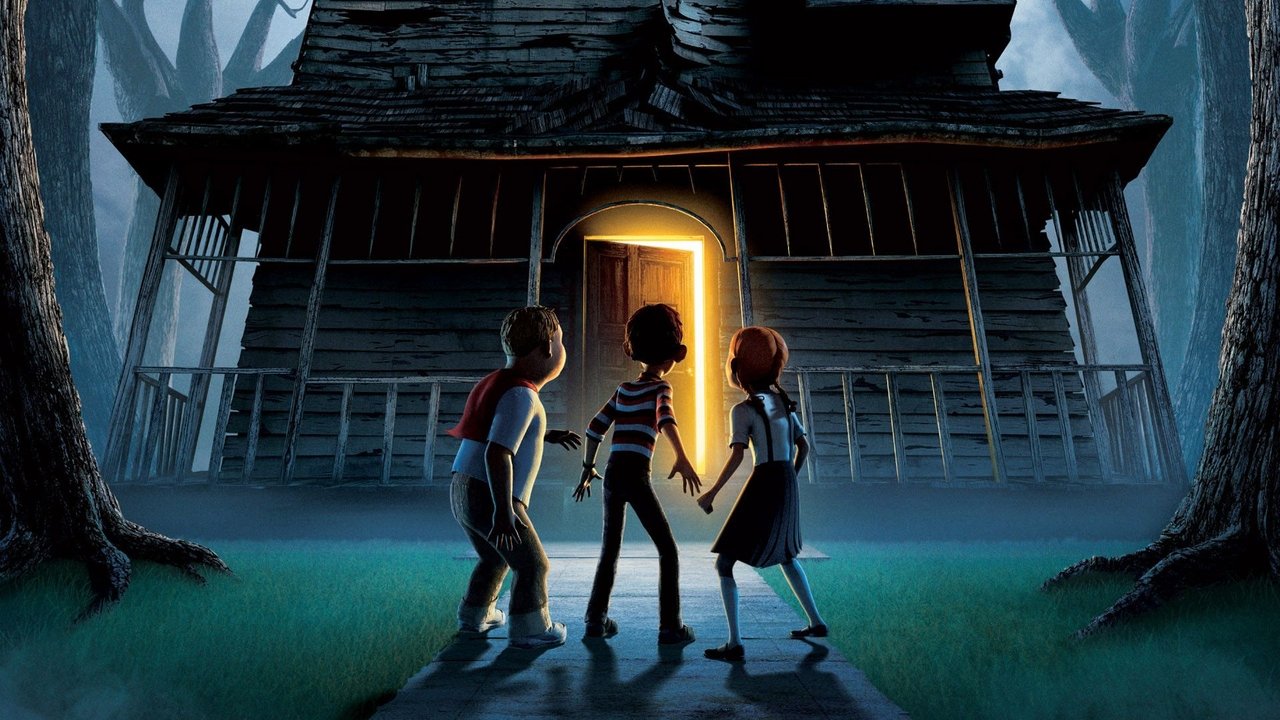
Looking back, Monster House is the ultimate "transitional" artifact of the mid-2000s. It arrived during that brief, wild window where Hollywood was convinced that performance-capture was the only way forward. It was the era of Robert Zemeckis’s ImageMovers (who produced this), and the technology was still in that awkward, gangly teenage phase—not quite lifelike, but no longer a cartoon.
The Charm of the Uncanny Valley
Most critics at the time complained about the "uncanny valley" effect—the way the characters’ eyes looked a little too glassy and their skin looked like molded wax. But for a horror-comedy, the uncanny valley is actually a secret weapon. There’s something inherently unsettling about the way DJ (Mitchel Musso) and Chowder (Sam Lerner) move. It feels like a fever dream you’d have after eating too much Halloween candy.
Instead of fighting the limitations of early CGI, director Gil Kenan leaned into the grit. The neighborhood feels lived-in and slightly decaying. The grass is patchy, the lighting is perpetually set to "ominous October dusk," and the titular house looks like it’s been marinating in spite for forty years. It doesn't look like the polished, sterilized suburban paradises of Toy Story or The Incredibles. It looks like the street you were actually afraid to trick-or-treat on.
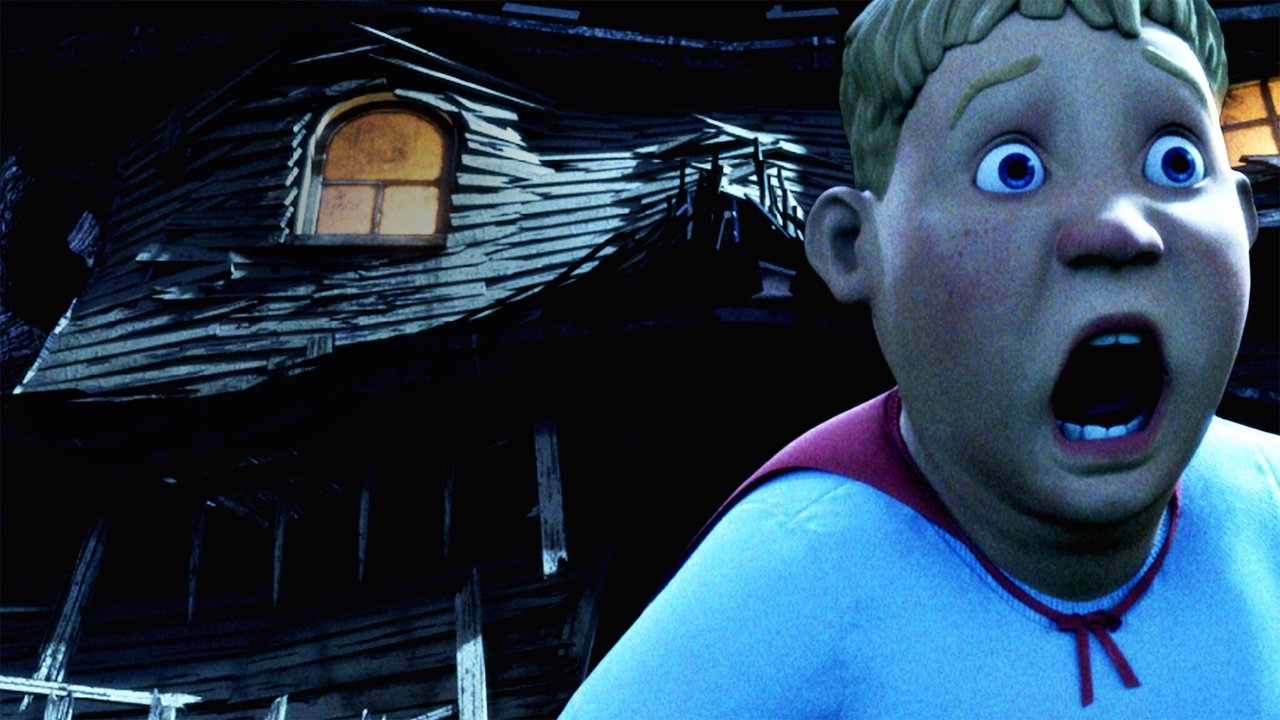
The comedy, however, is what keeps the engine humming. This was Dan Harmon and Rob Schrab (of Community and Rick and Morty fame) writing for a younger audience, and they didn’t pull their punches. The dialogue has a snap to it that most "family" films lack. When Chowder and DJ argue about the "uvula" of the house, it’s a perfect slice of adolescent stupidity. Sam Lerner absolutely steals the show here; his voice cracking at every minor inconvenience is a masterclass in comedic timing.
A Script with Actual Teeth
What I appreciate most in retrospect is how much the film trusts kids to handle dark themes. The backstory of Mr. Nebbercracker (Steve Buscemi) and his late wife Constance is surprisingly tragic. It’s not just a "monster" movie; it’s a story about grief, obsession, and the literal weight of the past. Steve Buscemi brings a weirdly touching vulnerability to a character who spends the first half of the film screaming at children to stay off his lawn.
Then there’s the babysitter, Zee, played with glorious "I’d-rather-be-anywhere-else" energy by Maggie Gyllenhaal. Her subplot with the basement-dwelling boyfriend, Bones (Jason Lee), feels like it was ripped straight out of an 80s Amblin flick like The Goonies. In fact, the whole movie feels like a love letter to that era—before every animated film needed to be a franchise-starter with five sequels and a toy line at McDonald's. It was a standalone, weird, slightly mean-spirited adventure that dared to be genuinely frightening.
Apparently, the production was just as intense as the film. The actors didn't just provide voices; they had to wear those ridiculous spandex suits with reflective balls all over them on a giant "Volume" stage. Steve Buscemi supposedly looked like a disco ball while filming his scenes, yet he still managed to make Nebbercracker feel human. It’s a testament to the performances that you forget about the spandex and start worrying about the sentient floorboards.
Why It Still Bites
Is it perfect? No. The third act's transition into a full-blown action spectacle—with the house uprooting itself and chasing the kids through a construction site—loses a bit of that claustrophobic tension that made the first hour so great. It’s basically a demolition derby with shingles, and while it’s fun, it feels a little more "Hollywood" than the rest of the film’s idiosyncratic spirit.
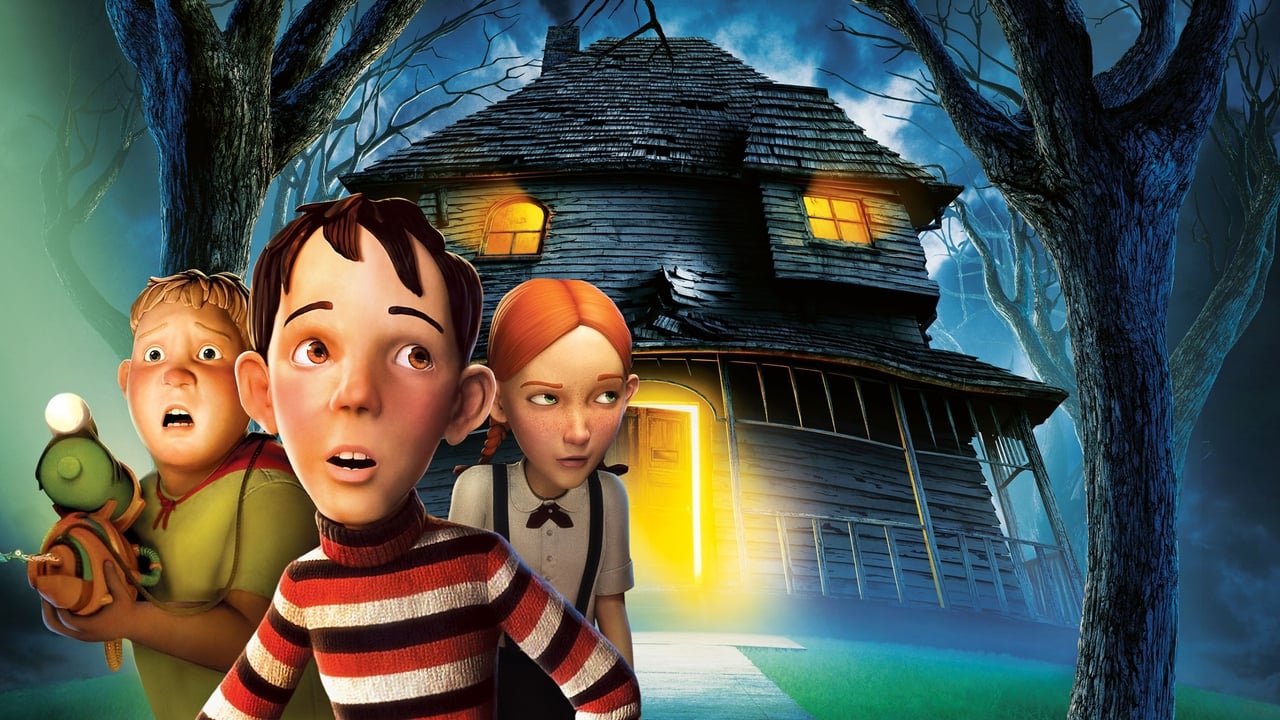
But honestly, I’ll take a slightly messy, ambitious swing over a safe, corporate bunt any day. Monster House captured that specific childhood anxiety where the world feels bigger and more dangerous than your parents are willing to admit. It’s a film that remembers what it’s like to be twelve years old, armed with nothing but a water gun and a map, trying to save a neighborhood that doesn't even know it's in trouble.
If you haven't revisited this one since the days of Netflix DVDs arriving in red paper envelopes, it’s time to give it another look. It’s sharper, darker, and funnier than you remember. Just keep your feet off the upholstery—you never know what the furniture is thinking.
Keep Exploring...
-

Sinbad: Legend of the Seven Seas
2003
-
Hercules
1997
-

The Emperor's New Groove
2000
-
The Road to El Dorado
2000
-
Brave
2012
-
Hotel Transylvania
2012
-
The Book of Life
2014
-
Shrek 2
2004
-

The Ant Bully
2006
-
Shrek the Halls
2007
-
Shrek the Third
2007
-
Surf's Up
2007
-
Horton Hears a Who!
2008
-

Puss in Boots
2011
-

The SpongeBob SquarePants Movie
2004
-

Flushed Away
2006
-

Open Season
2006
-

Bee Movie
2007
-
Meet the Robinsons
2007
-
Bedtime Stories
2008