Nacho Libre
"Bless me, Father, for I am about to pile-drive."
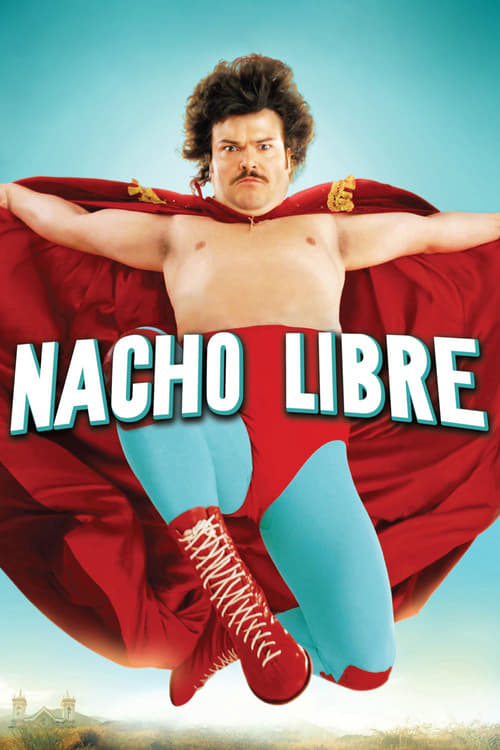
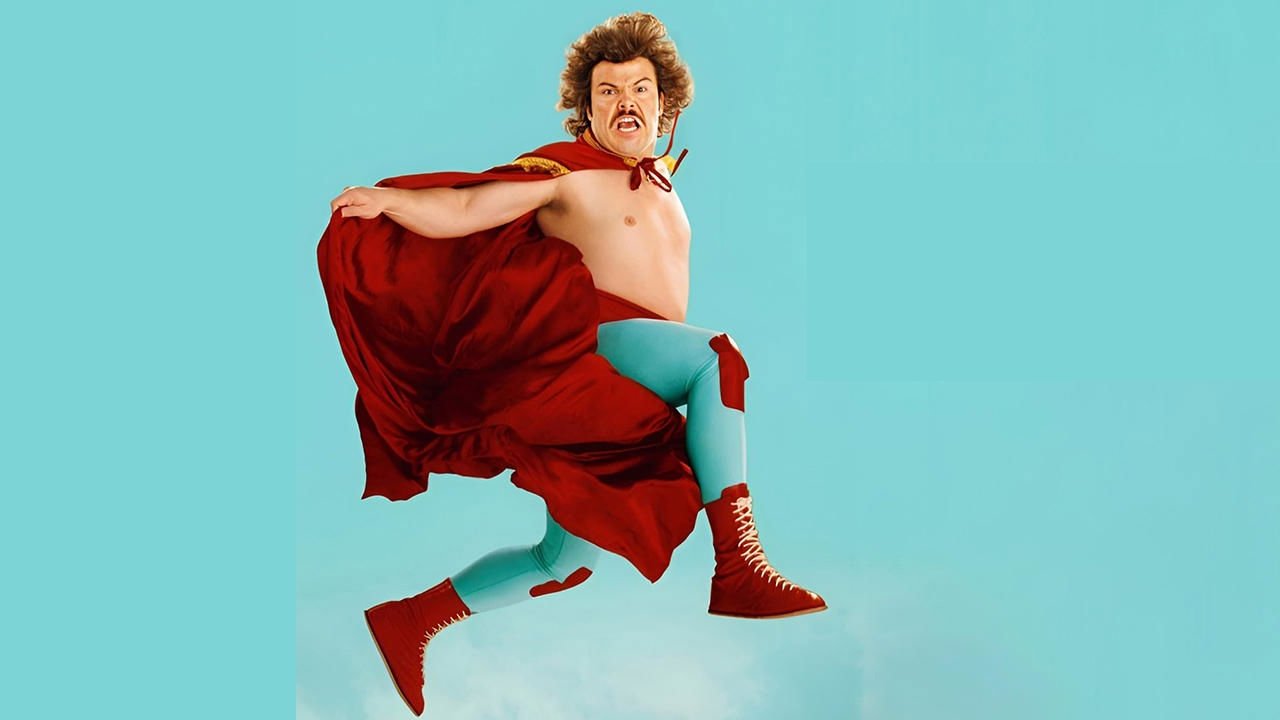
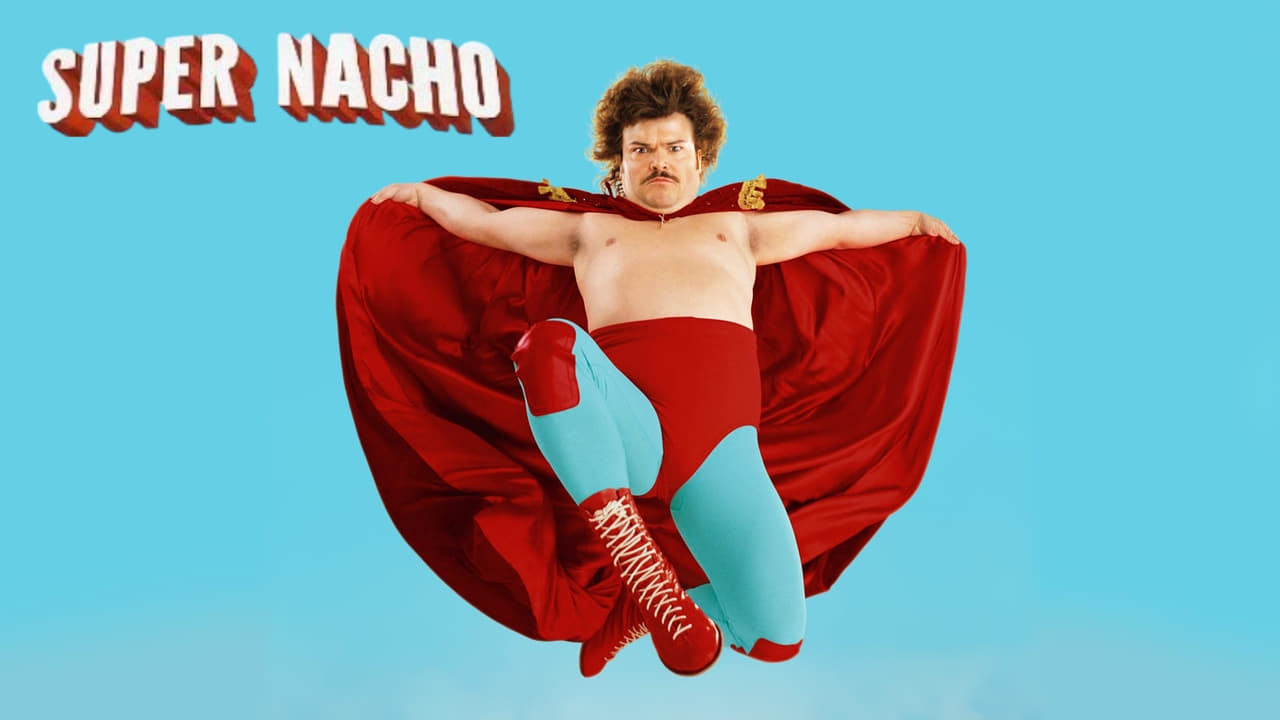
There is a specific brand of 2000s-era discomfort that involves watching a sweaty Jack Black squeeze himself into turquoise spandex while trying to remain "incognito" in a Mexican monastery. I first watched this film on a flickering CRT TV while hiding from a summer thunderstorm in a basement that smelled faintly of damp laundry, and honestly, that’s the ideal way to consume the work of Jared Hess. Following the cultural supernova of Napoleon Dynamite (2004), Nacho Libre arrived with a massive weight on its shoulders and a mouthful of tortilla chips. It didn’t quite ignite the same "Vote for Pedro" hysteria, but looking back nearly two decades later, it stands as a weirdly beautiful, stubbornly unique artifact of mid-2000s comedy.
The Gospel of Stretchy Pants
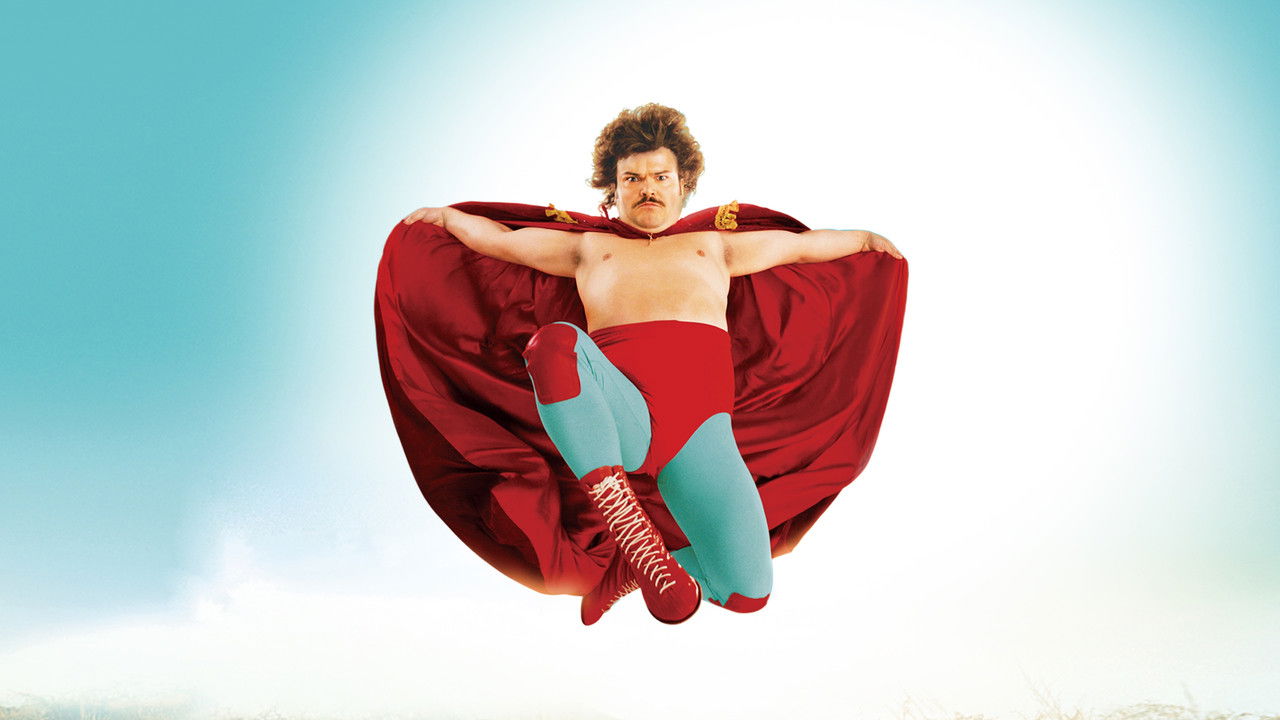
The film exists in a sort of timeless Oaxaca bubble. While it was released in 2006, it feels like it could take place anywhere between 1970 and last Tuesday. Jack Black plays Ignacio, a monk who cooks terrible, "beagle-puke" soup for orphans while harboring a forbidden desire to become a Luchador. Black is the engine here. He’s doing a thick, theatrical Mexican accent that should probably feel like a hate crime but instead feels like a warm hug because of his sheer, puppyish sincerity. He’s not mocking the culture; he’s playing a man who truly believes that "stretchy pants" are the key to spiritual and financial liberation.
What’s striking now is how much craft went into a movie that features a scene where a man gets hit in the face with a corn cob. Working with cinematographer Xavier Grobet (who did wonders with The Woodsman), Jared Hess abandoned the flat, indie-quirk aesthetic for something that looks like a high-budget folk tale. The colors are saturated, the frames are symmetrical, and the lighting has a dusty, golden-hour glow that makes the monastery feel lived-in and holy. It’s an oddly handsome movie for something that relies so heavily on butt-cracks and flatulence for laughs.
Science and Desperation
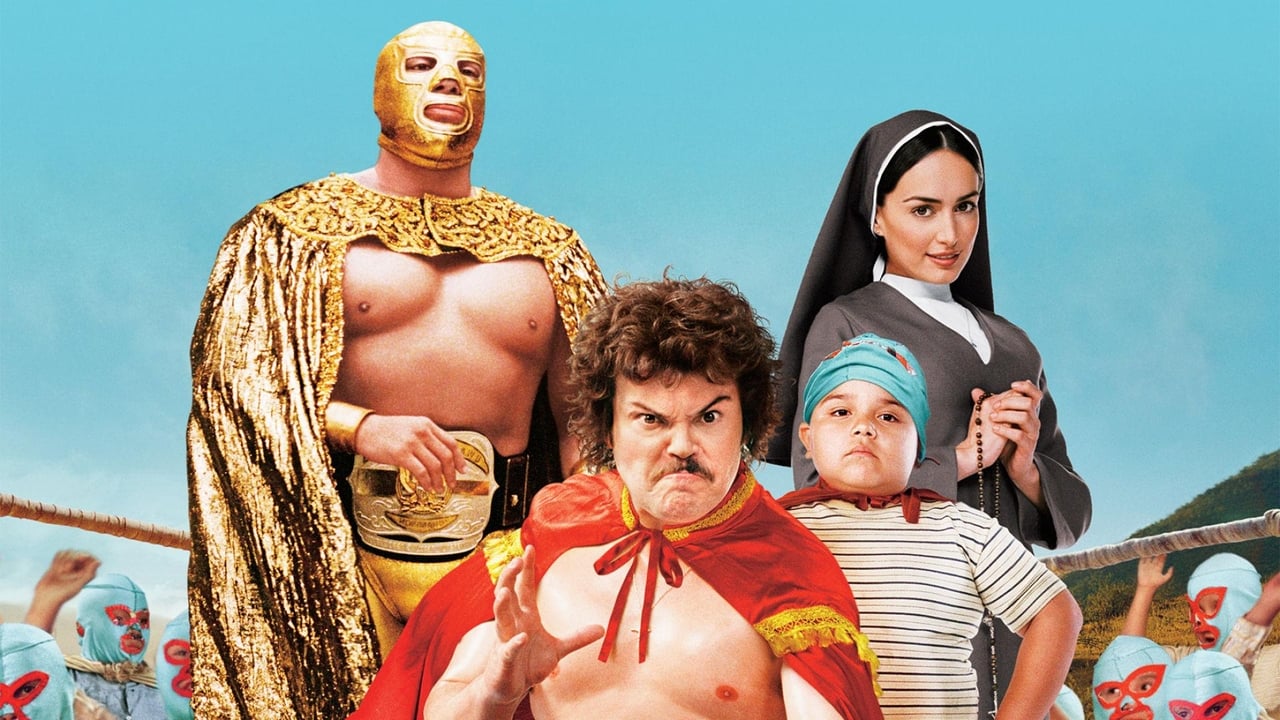
While Jack Black is the star, the film’s secret weapon is Héctor Jiménez as Esqueleto. If Ignacio is the heart, Esqueleto is the skeletal, malnourished funny bone. Jiménez has a face that was built for silent cinema—all wide eyes and expressive grimaces. His "I don't believe in God, I believe in science" line remains one of the most quotable moments of the era, delivered with the deadpan gravity of a Shakespearean soliloquy. The man looks like a sentient Slim Jim, and his physical chemistry with Black is a masterclass in visual contrast.
The humor here is a slow burn. It’s not a rapid-fire joke machine like Mean Girls or Step Brothers. It’s a movie that finds comedy in long, awkward silences and the sound of a man eating toast. This was the peak of the "DVD culture" era, where you’d buy the disc at a Circuit City and watch the deleted scenes just to see how many times the actors broke character. Apparently, the crew had a hell of a time keeping it together on set; Jack Black famously got a nasty gash above his eye during a wrestling sequence, but the production was so low-stress otherwise that it felt more like a summer camp than a studio shoot.
The Real-Life Legend
Underneath the slapstick and the questionable soup, there’s a surprisingly sturdy underdog story inspired by the real-life priest Sergio Gutiérrez Benítez (better known as Fray Tormenta), who actually wrestled for decades to support his orphanage. This gives the film a grounded heart that prevents it from floating off into total absurdity. Ana de la Reguera as Sister Encarnación plays the "straight woman" with a gentle grace that keeps Ignacio’s antics from feeling too cartoonish.
In the landscape of 2000s comedy—which was often defined by the high-octane "frat pack" energy of Will Ferrell or the gross-out antics of the Farrelly brothers—Nacho Libre feels like a quiet, weird outlier. It’s a film that trusts its audience to find a man singing a song about his "lady in white" funny without needing a punchline to explain it. It was released during that transition from film stock to digital, and you can still see the texture of the Mexican dust in every frame.
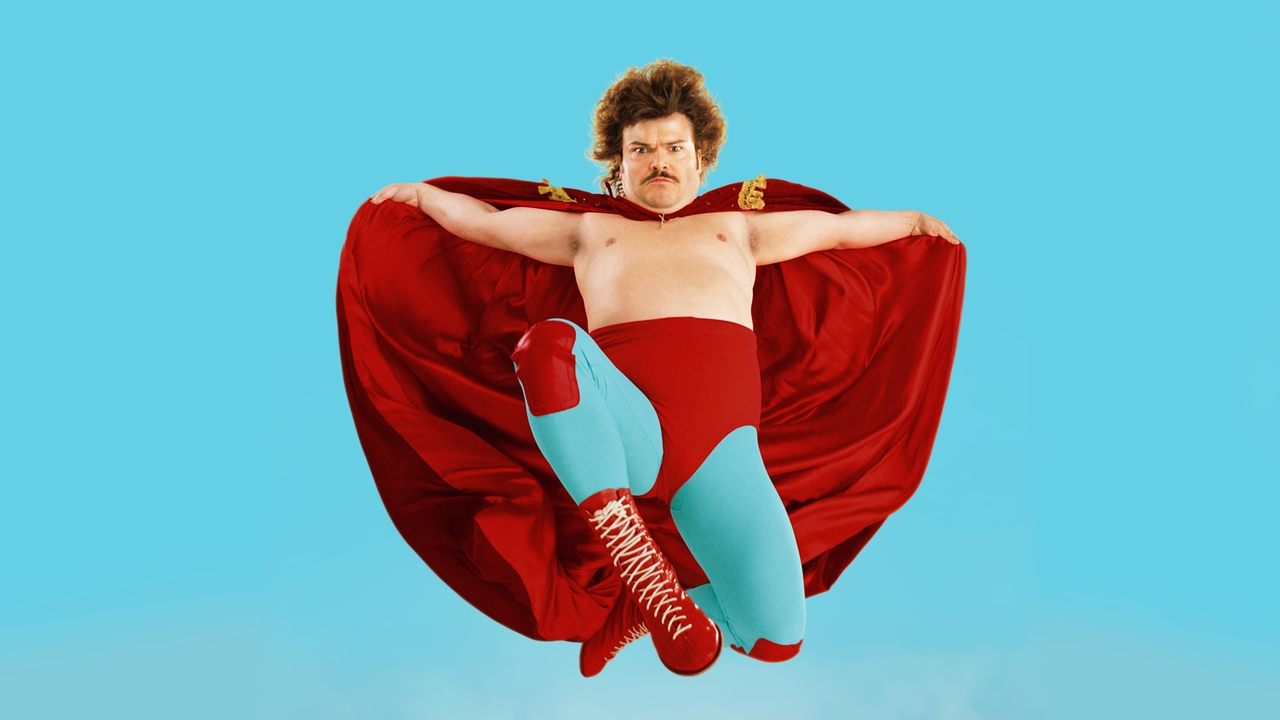
Ultimately, Nacho Libre is a movie for the weirdos. It’s for anyone who has ever felt like they were meant for greatness while wearing a homemade cape. It might not be "high art" in the traditional sense, but the commitment to the bit is absolute. It’s a sunny, strange, and occasionally gross tribute to the idea that even the lowliest cook can be a hero, provided he has the right partner and enough eagle eggs to give him "nutrients." It's the kind of movie that reveals more of its charm on the third or fourth viewing, usually on a lazy Sunday afternoon when you’re too tired to do anything but appreciate a well-timed pile-driver.
Looking back, the film’s biggest crime was just being the follow-up to a phenomenon. Away from the shadow of Napoleon Dynamite, it stands on its own two feet—shaky, hairy, and clad in turquoise spandex.
Keep Exploring...
-

Napoleon Dynamite
2004
-

School of Rock
2003
-
Be Kind Rewind
2008
-
Tenacious D in The Pick of Destiny
2006
-
Bernie
2012
-
Cop Out
2010
-

Shallow Hal
2001
-

Heartbreakers
2001
-
How High
2001
-
Jay and Silent Bob Strike Back
2001
-
Jimmy Neutron: Boy Genius
2001
-
Kate & Leopold
2001
-

The Wedding Planner
2001
-
Wet Hot American Summer
2001
-
Big Fat Liar
2002
-
Confessions of a Dangerous Mind
2002
-
Eight Legged Freaks
2002
-
National Lampoon's Van Wilder
2002
-
S1m0ne
2002
-

The Sweetest Thing
2002