Night at the Museum
"The exhibits don't just sit there anymore."
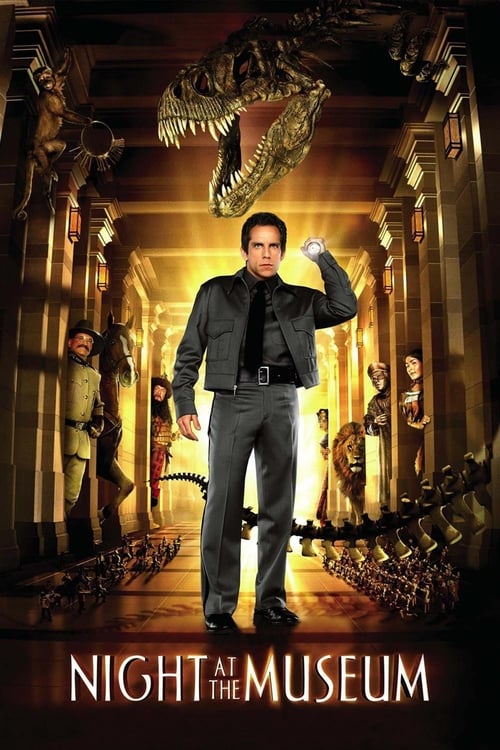
I remember walking into the American Museum of Natural History in New York a few years after this film came out, and the vibe had completely shifted. Before 2006, museums were these hushed, slightly dusty cathedrals of "look but don't touch." After Shawn Levy got his hands on the concept, every kid in the building was looking at the Easter Island Moai waiting for it to ask for "gum-gum." That’s the power of a genuine blockbuster; it doesn't just entertain you for 108 minutes; it redecorates your imagination.
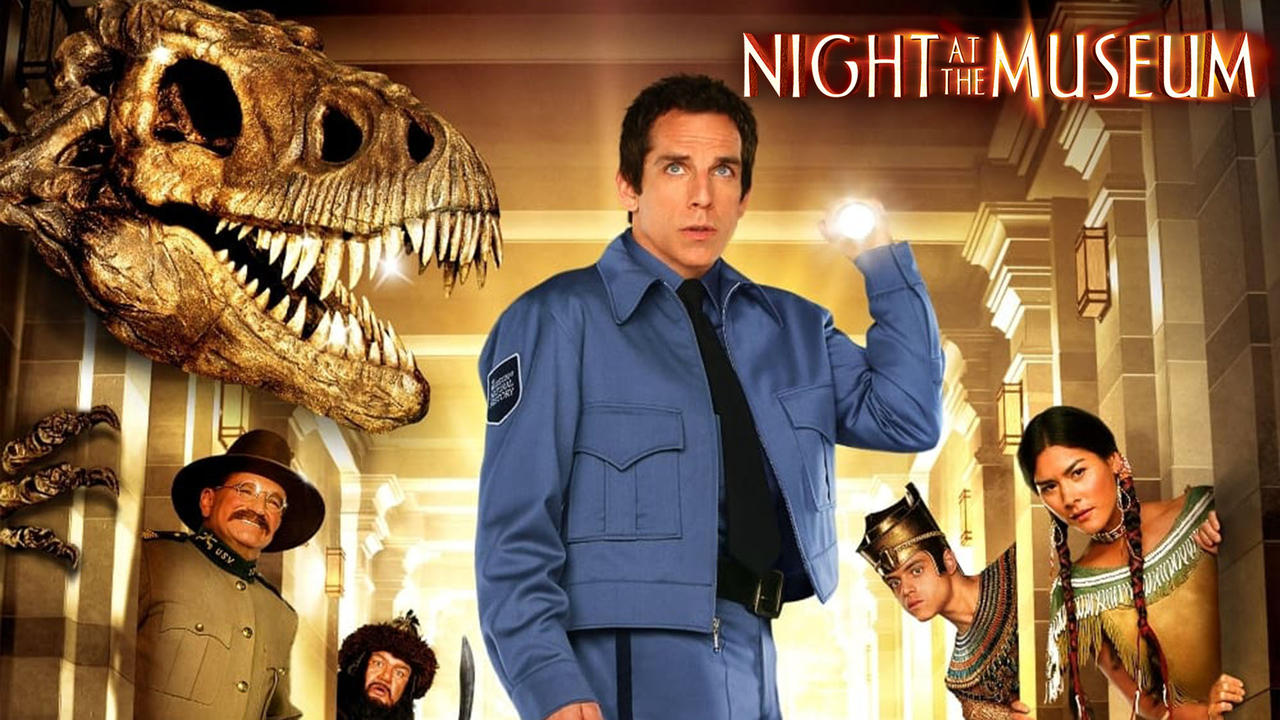
I recently revisited the film on a Tuesday night while my apartment's radiator was clanking with a rhythmic metallic thud that sounded suspiciously like a miniature Mayan army trying to break through the floorboards. It turns out that even nearly two decades later, Night at the Museum retains a specific, mid-2000s charm that modern family "content" often misses.
High Stakes and History Lessons
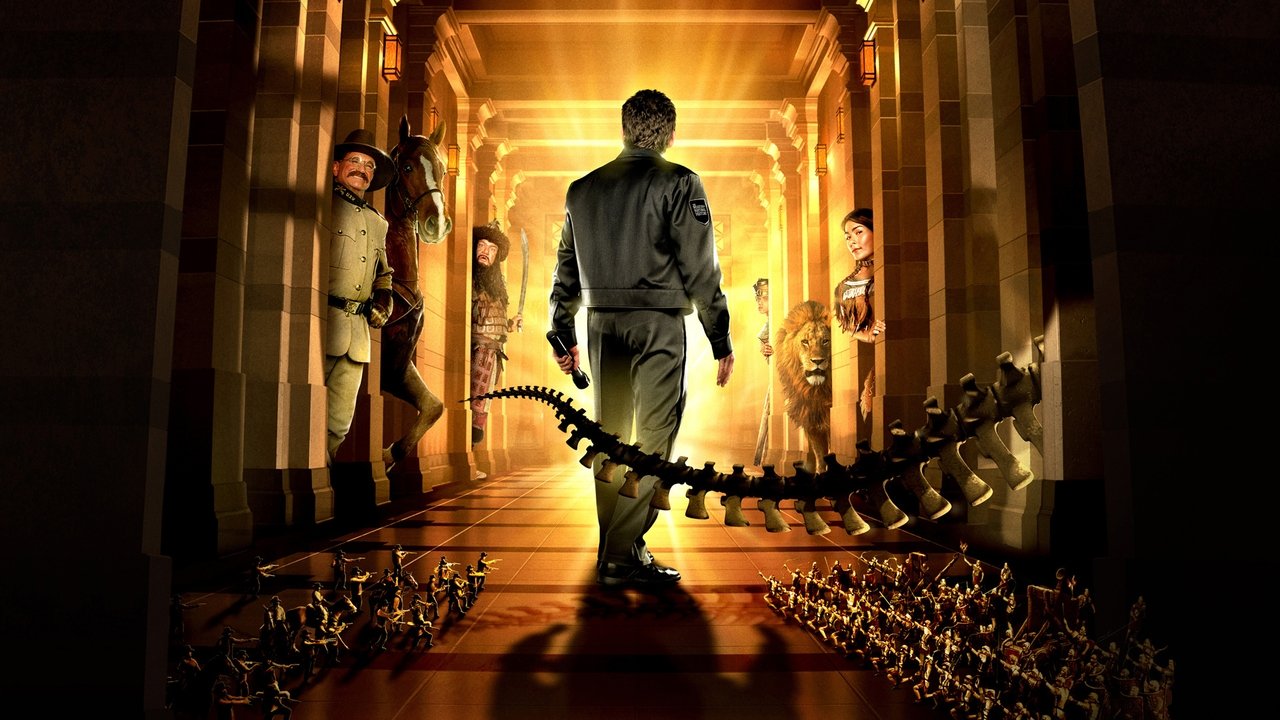
Looking back, the mid-2000s were a fascinating time for CGI. We were moving past the "look what we can do" phase of the 90s into a period where digital effects were being used to ground high-concept comedies in a tangible reality. The T-Rex sequence is the perfect example. It isn't just a monster chase; it’s a game of fetch. Shawn Levy manages a difficult tonal tightrope here, staging action that feels massive—the weight of the skeleton, the thundering footsteps—while keeping the stakes light enough for a six-year-old.
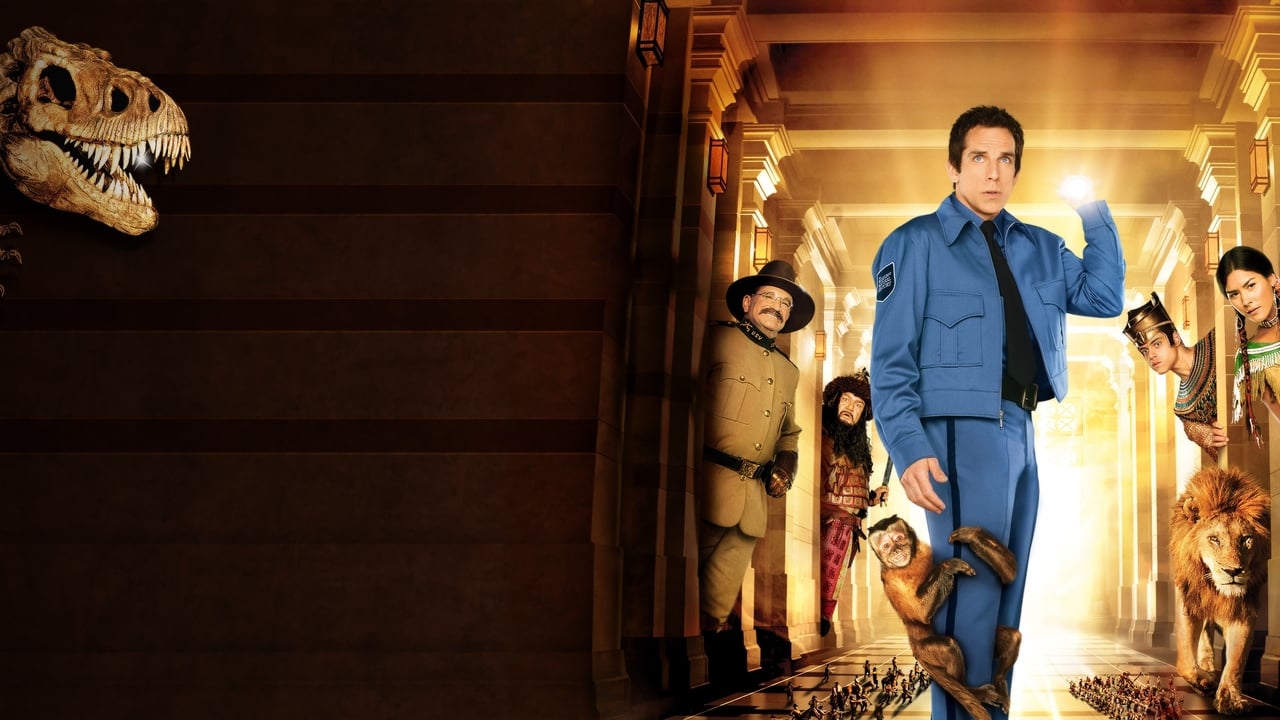
The choreography of the museum chaos is surprisingly tight. You have these overlapping "warring" factions—the Romans versus the Mayans, the Huns versus everyone—and the way the camera moves through the halls of the museum (shot largely on massive stages in Vancouver) gives a sense of geography that’s often lost in today’s "everything-is-green-screen" era. You actually understand where Larry is in relation to the Lions, which makes the slapstick hit harder. Ben Stiller is the MVP here, of course. He’s one of the few actors who can make an argument with a Capuchin monkey feel like a high-stakes dramatic beat. Honestly, the museum’s hiring and screening process for security guards is the most unrealistic part of this entire fantasy premise.
The Old Guard and the New Wave
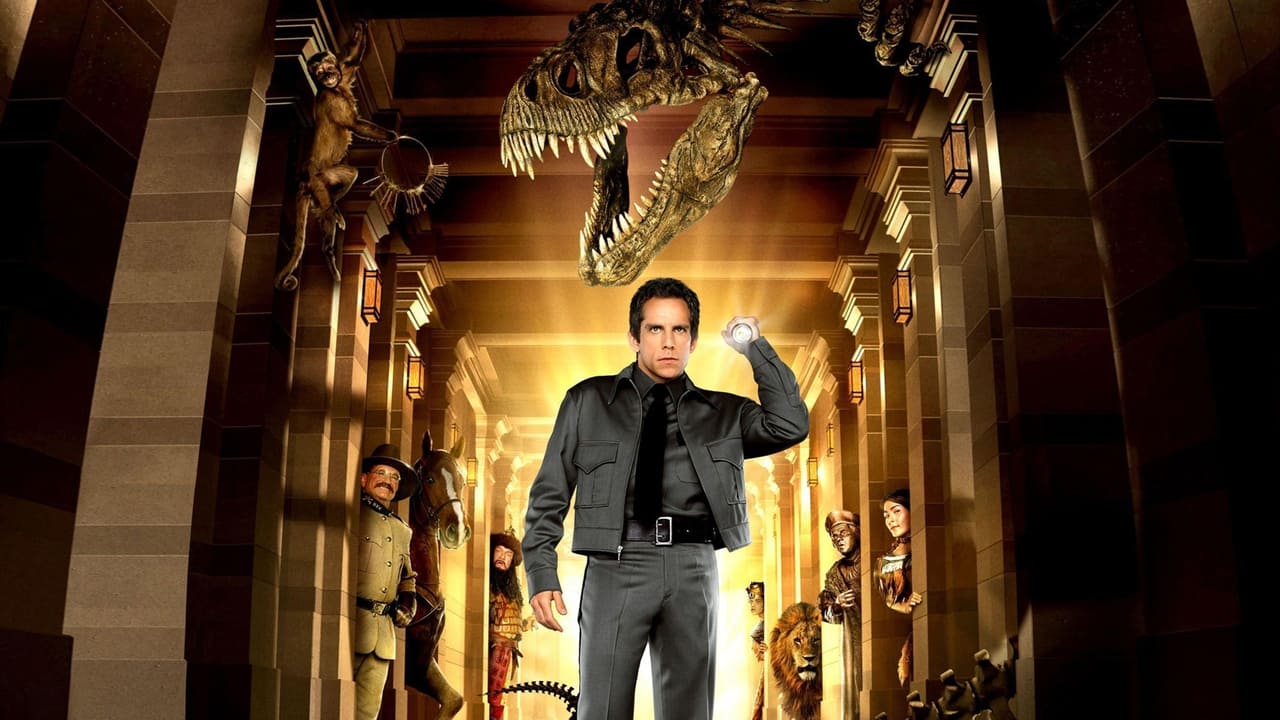
What I appreciate most about the casting is the bridge between Hollywood eras. You have Ben Stiller at the height of his "everyman in a panic" powers, but then you have the legendary trio of Dick Van Dyke, Mickey Rooney, and Bill Cobbs. Watching Dick Van Dyke play a character who is essentially a parkour-ready villain in his 80s is an absolute joy. There’s a physical wit to those three that reminds you they grew up in the era of practical stunts and vaudevillian timing.
The screenplay by Thomas Lennon and Robert Ben Garant (the minds behind Reno 911!) brings a slightly skewed, absurdist edge to what could have been a very generic family script. They understand that for the action to work, the characters have to treat the absurdity with 100% sincerity. When Carla Gugino talks about her thesis on Sacagawea, or Jake Cherry worries about his dad’s career stability, it provides the necessary "boring" reality that makes the sight of a woolly mammoth strolling down a hallway feel so earned.
The Scale of the Spectacle
From a production standpoint, Night at the Museum was a massive gamble that paid off spectacularly. With a budget of $110 million, it was a heavy investment in the idea that family films could compete with the "big boys" of the action genre. It didn't just compete; it dominated, raking in over $574 million worldwide. This was the era of the "Franchise Formation," and you can see the seeds being planted for the sequels here.
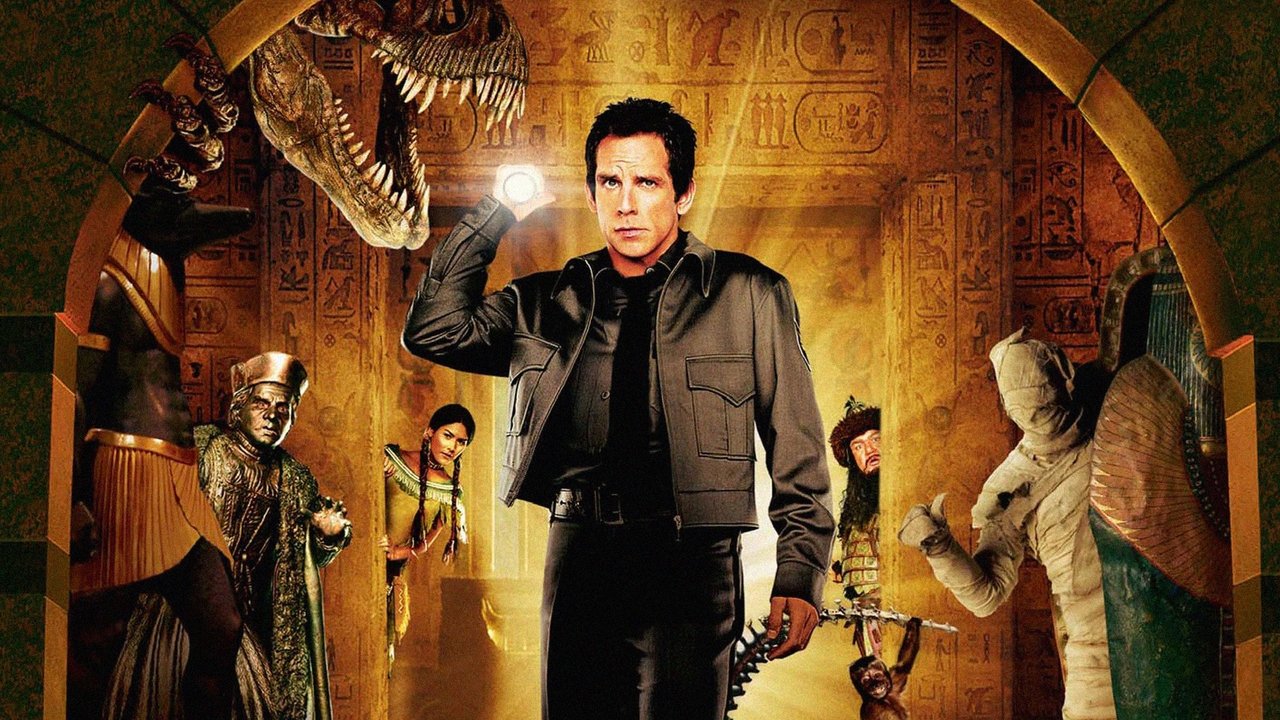
Some of the CGI has aged better than others—the lions look a bit "soft" by 2024 standards—but the practical set design still carries a lot of the weight. The trivia behind the scenes reveals just how much the industry was changing. For instance, the production built a museum set so large it actually required its own internal climate control. It’s also worth noting that the film’s success wasn't just financial; the American Museum of Natural History reportedly saw a 20% increase in visitors during the holiday season following the release. We also have to give a shout-out to Crystal the Monkey (who played Dexter), who became a bit of a mid-2000s icon, appearing in everything from The Hangover Part II to Community.
Night at the Museum is the kind of film that defined the DVD era—the sort of movie you’d buy on a Friday night at Blockbuster and end up watching three times before Monday. It captures that specific post-9/11 desire for "safe" adventure: massive in scale but warm in heart. While it doesn't reinvent the wheel, it spins the wheel with such infectious enthusiasm that you can't help but go along for the ride. It’s a testament to the idea that history isn't just a collection of dates; it’s a collection of stories that, if we’re lucky, never quite stay buried.
Keep Exploring...
-
Night at the Museum: Battle of the Smithsonian
2009
-
Night at the Museum: Secret of the Tomb
2014
-

Puss in Boots
2011
-

Sinbad: Legend of the Seven Seas
2003
-
Spy Kids
2001
-
Spy Kids 2: The Island of Lost Dreams
2002
-

Wizards of Waverly Place: The Movie
2009
-
Shrek 2
2004
-
Charlie and the Chocolate Factory
2005
-
Shrek the Third
2007
-
Horton Hears a Who!
2008
-
Kung Fu Panda
2008
-
The Smurfs
2011
-
Hook
1991
-
Last Action Hero
1993
-
Brave
2012
-

Madagascar
2005
-
Madagascar: Escape 2 Africa
2008
-

Mystery Men
1999
-
Big Fat Liar
2002