Notes on a Scandal
"Secrets are the currency of the lonely."
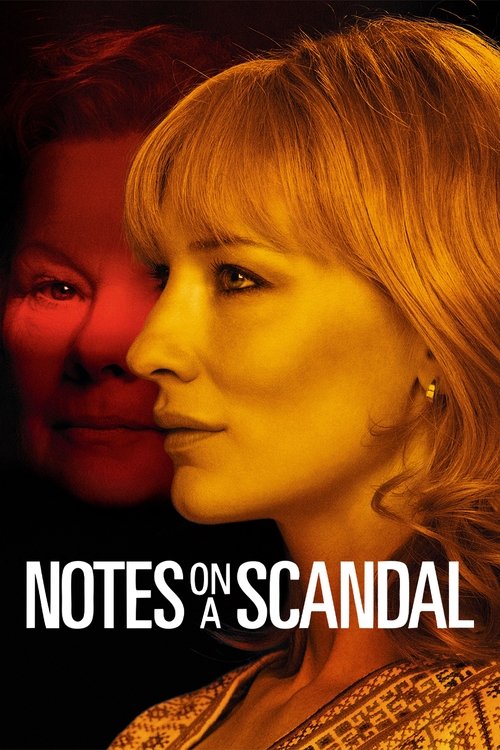
There is a specific brand of British chill that doesn't come from the rain, but from the terrifyingly sharp tip of a fountain pen held by a woman who has been overlooked for far too long. In 2006, while the world was busy obsessing over the birth of Twitter and the launch of the first MacBook Pro, Judi Dench was busy crafting one of the most unsettling cinematic monsters of the decade. She doesn't wear a mask or carry a chainsaw; she wears a sensible beige cardigan and carries a grudge that could power the London Underground for a month.
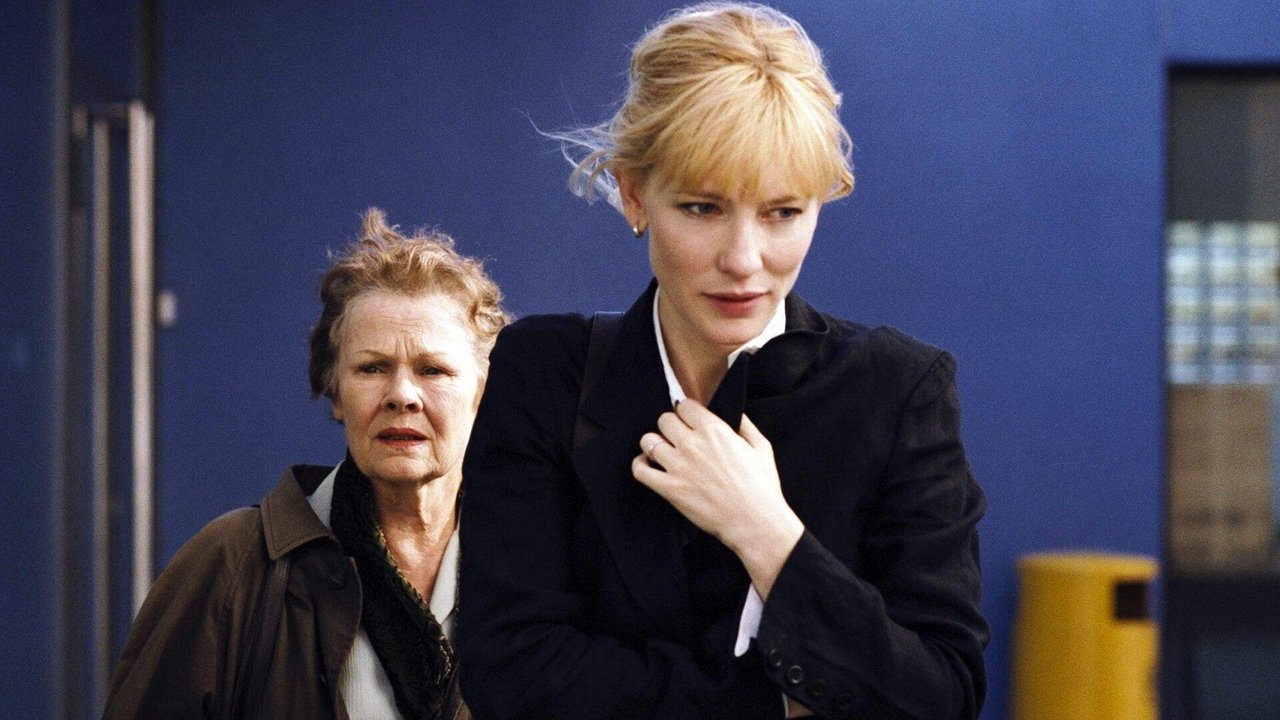
I recently rewatched Notes on a Scandal while trying to assemble a notoriously flimsy IKEA nightstand, and I found that Judi Dench’s icy narration made me feel like the furniture was judging my lack of manual dexterity. It’s that kind of movie—it gets under your skin and stays there, mocking your life choices from the corner of the room.
The Predator in the Staffroom
The film centers on Barbara Covett (Judi Dench), a veteran history teacher at a crumbling London comprehensive school. Barbara is the kind of woman who treats "friendship" like a hostile takeover. When the luminous, bohemian, and hopelessly naive Sheba Hart (Cate Blanchett) joins the art department, Barbara spots a "project." Sheba is everything Barbara isn't: young, beautiful, and surrounded by the messy warmth of a family (including her husband, played with weary charm by Bill Nighy).
The catalyst for the chaos is Steven Connolly (Andrew Simpson), a 15-year-old student with whom Sheba begins a reckless, illegal affair. When Barbara catches them in the act, she doesn't go to the police. She doesn't even go to the principal. She goes to her diary. For Barbara, Sheba’s transgression isn’t a moral failing to be punished; it’s a golden ticket into the younger woman's life. Barbara Covett is the original 'Stan'—only with more cardigans and a much higher body count of emotional trauma.
A Duel of High-Stakes Acting
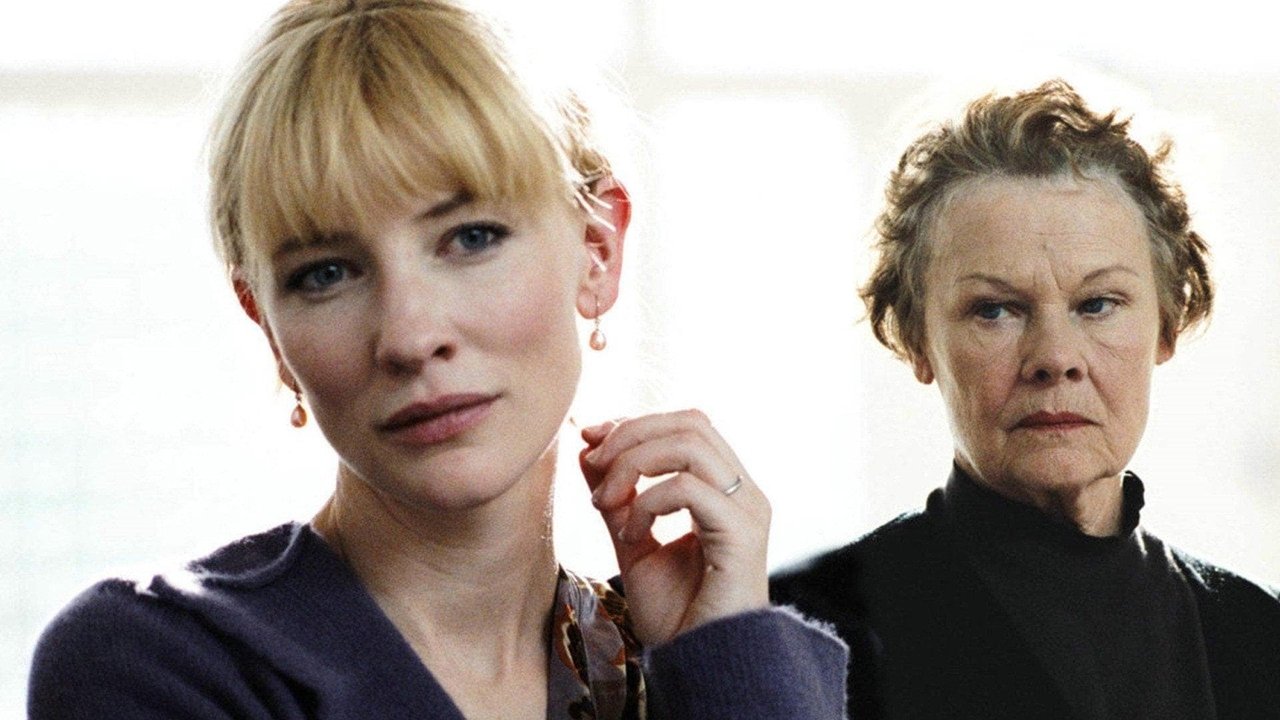
This isn't just a drama; it's a psychological cage match. Watching Judi Dench and Cate Blanchett share the screen is like watching two different weather systems collide. Dench, who we usually associate with the regal warmth of Queen Victoria or the stern authority of M in the Bond films (like Casino Royale, released the same year), is genuinely frightening here. She plays Barbara with a predatory stillness. When she finally lets the mask slip, it’s not a explosion—it’s a cold, calculated leak of pure venom.
On the other side, Cate Blanchett manages to make Sheba both sympathetic and maddeningly irresponsible. Sheba Hart is basically a human sentient linen scarf—expensive, fragile, and ultimately useless in a storm. You want to shake her, you want to warn her, and you want to tell her that the boy isn't worth the wreckage. The chemistry between the two women is thick with a strange, platonic-gone-rotten energy that keeps you leaning in, even when you want to look away.
Director Richard Eyre (who gave us Iris) handles the scandalous material without ever letting it slide into cheap tabloid trash. He lets the camera linger on the claustrophobia of the London school and the cluttered, stifling interiors of Barbara’s flat. It feels real, which makes the betrayal feel much heavier.
The Sound of an Existential Crisis
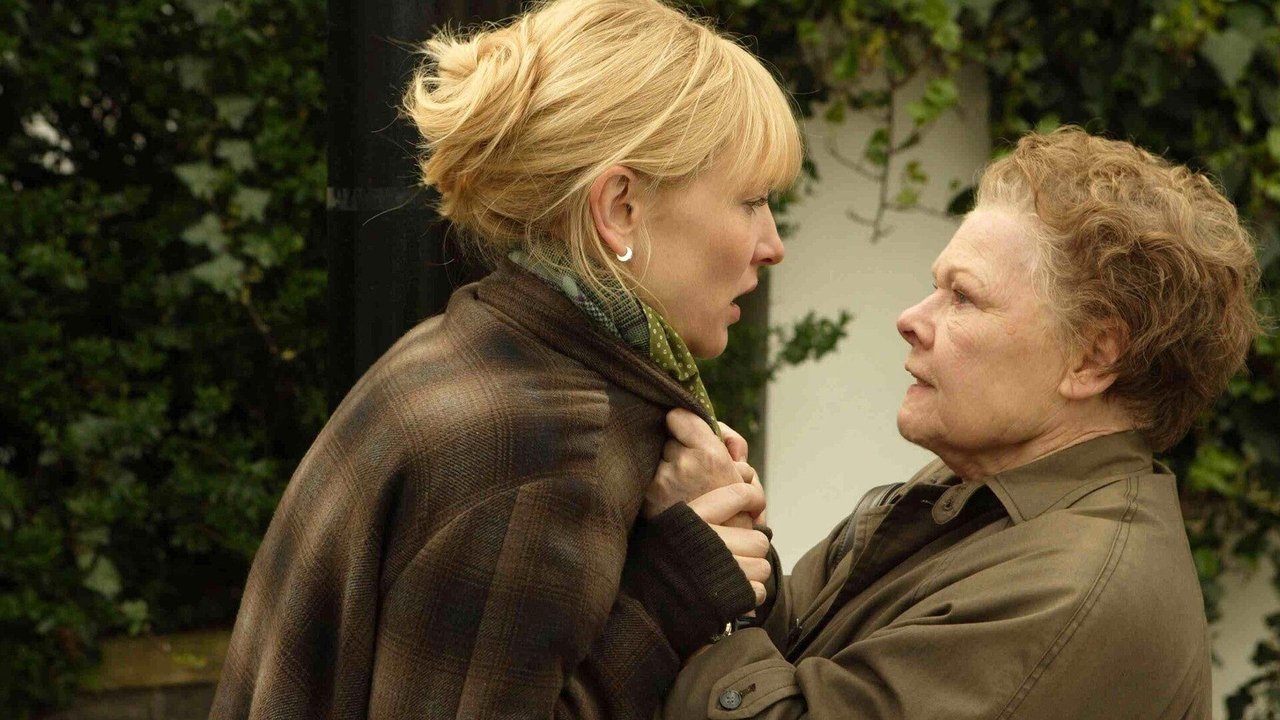
We have to talk about the score. Philip Glass is a composer people tend to either worship or find repetitive, but here, his staccato, driving rhythms are perfect. Philip Glass’s score sounds like a hamster on a wheel having an existential crisis, and I mean that as a massive compliment. It mirrors the frantic, looping thoughts of a stalker. Every time the violins kick in, the tension ratchets up another notch, reminding us that the clock is ticking on Sheba’s secret.
Looking back at 2006, this film feels like a relic of a time when "prestige" mid-budget dramas could still light up the box office. With a $15 million budget, it pulled in nearly $50 million—a feat that feels almost impossible for a non-franchise drama today. It was the era of the DVD "Special Edition," and I remember the commentary track with Patrick Marber (the screenwriter who also gave us the biting Closer) being a masterclass in how to adapt a novel without losing its soul. He stripped away the fluff of Zoe Heller’s book and left us with a lean, mean 92-minute thriller.
Notes on a Scandal is a reminder that the most dangerous people in the world aren't the ones hiding in the shadows, but the ones sitting right next to you in the staffroom, taking very diligent notes. It’s a beautifully acted, sharply written, and deeply uncomfortable look at loneliness and the lengths people will go to for a bit of human connection. If you haven't seen it since its release, it holds up remarkably well—mostly because Judi Dench’s stare is just as terrifying in high definition as it was on a fuzzy CRT television. It’s a dark, delicious treat for anyone who prefers their dramas with a side of psychological warfare.
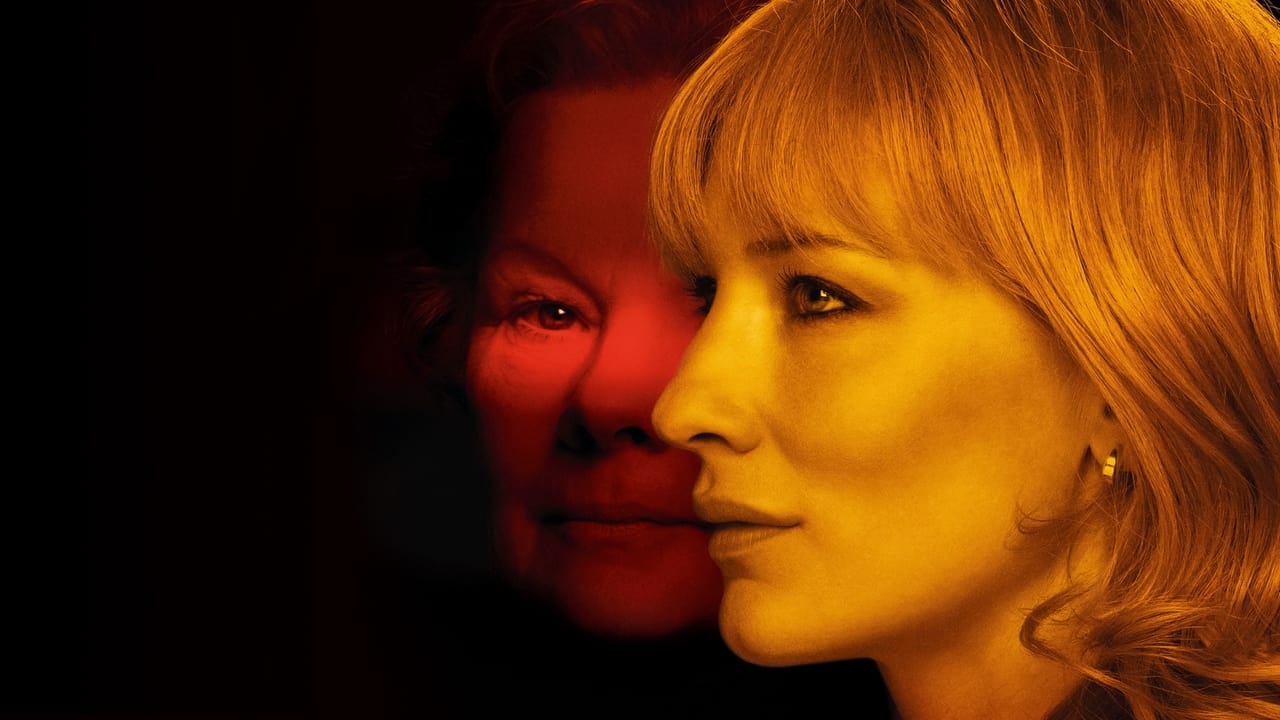

Keep Exploring...
-
Girl with a Pearl Earring
2003
-
Wild Child
2008
-
Joyeux Noel
2005
-
The Duchess
2008
-
Jane Eyre
2011
-
The Piano Teacher
2001
-
Y Tu Mamá También
2001
-
Confessions of a Dangerous Mind
2002
-
Talk to Her
2002
-
The Spanish Apartment
2002
-
Honey
2003
-
What a Girl Wants
2003
-
2046
2004
-
A Very Long Engagement
2004
-
Closer
2004
-
Jersey Girl
2004
-
The Phantom of the Opera
2004
-

A Lot Like Love
2005
-
Broken Flowers
2005
-
Casanova
2005