Pan's Labyrinth
"The real monsters wear uniforms."
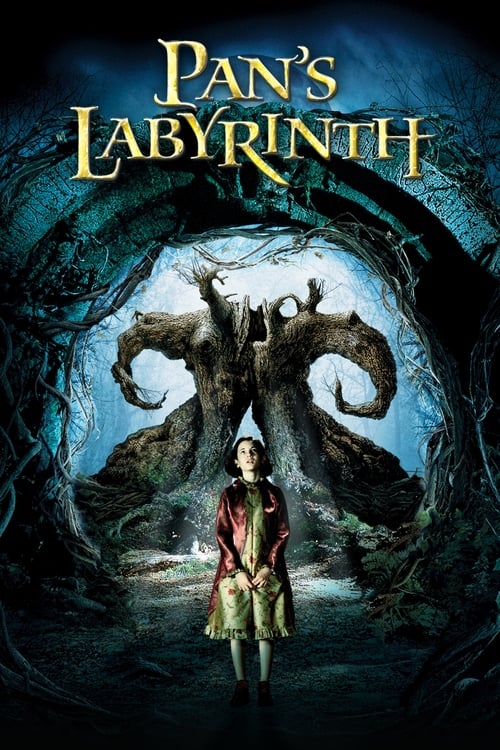
I remember exactly where I was when I first saw the Pale Man. I was slumped in a beanbag chair in my college dorm, nursing a lukewarm cherry cola that had gone completely flat, watching a borrowed DVD on a laptop screen that did no justice to Guillermo Navarro’s cinematography. Even on that tiny, pixelated display, when that creature slid its hand-eyes into its sockets and started its jerky, rhythmic twitch toward the screen, I nearly took the laptop off its hinges. It was the first time a "fairy tale" made me feel like I needed to check the locks on my front door.
Pan’s Labyrinth arrived in 2006 during a specific window of cinema history. We were right in the thick of the "grim-dark" era, a post-9/11 landscape where even our fantasies had to be coated in dirt and blood. But while other directors were just making things muddy for the sake of it, Guillermo del Toro used the grime to tell a story about the soul-crushing weight of fascism. Looking back, this film feels like the ultimate bridge between the 90s obsession with practical effects and the digital polish of the 2010s. It’s a movie you can practically smell—damp earth, old stone, and the metallic tang of a sharpening razor.
The Fairy Tale for the Fearless
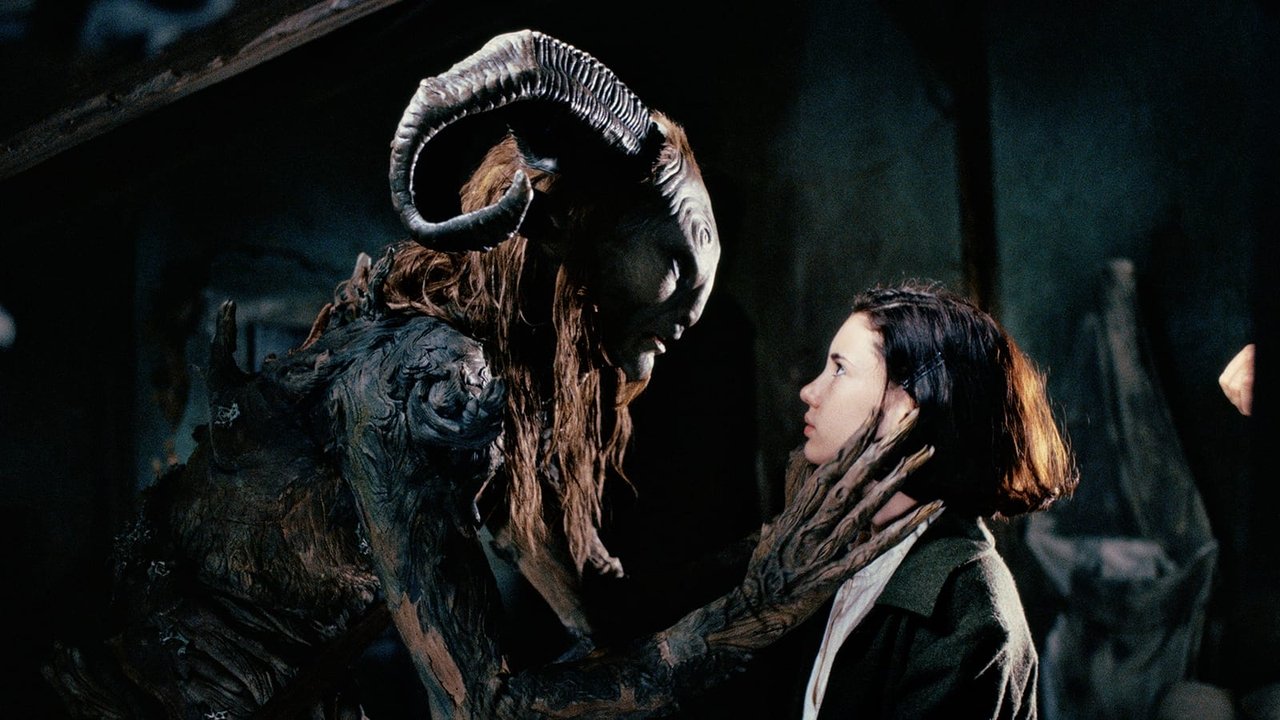
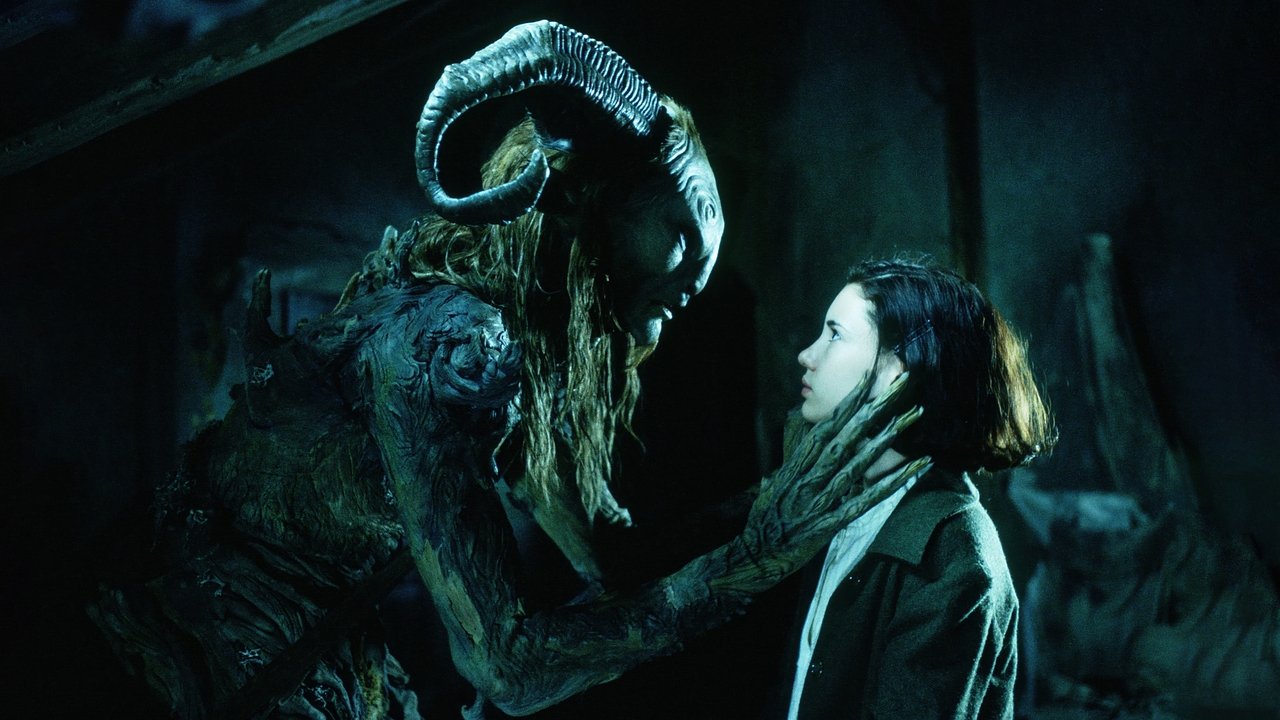
The story is deceptively simple: Ivana Baquero plays Ofelia, a young girl dragged into the Spanish countryside in 1944. Her mother, Ariadna Gil, is pregnant and ailing, and her new stepfather is Sergi López as Capitán Vidal—a man so cold he probably frosts over in the middle of July. While Vidal hunts down anti-Franco rebels in the woods, Ofelia discovers a labyrinth and a Faun who tells her she’s a long-lost princess.
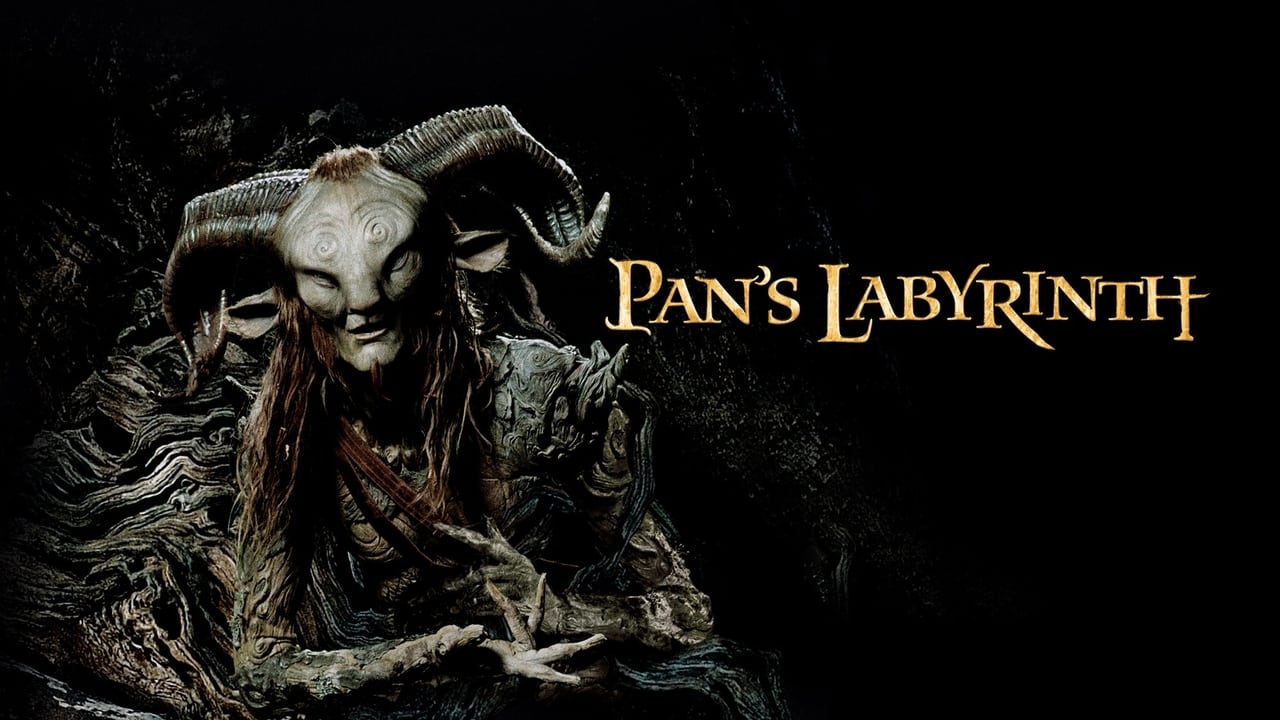
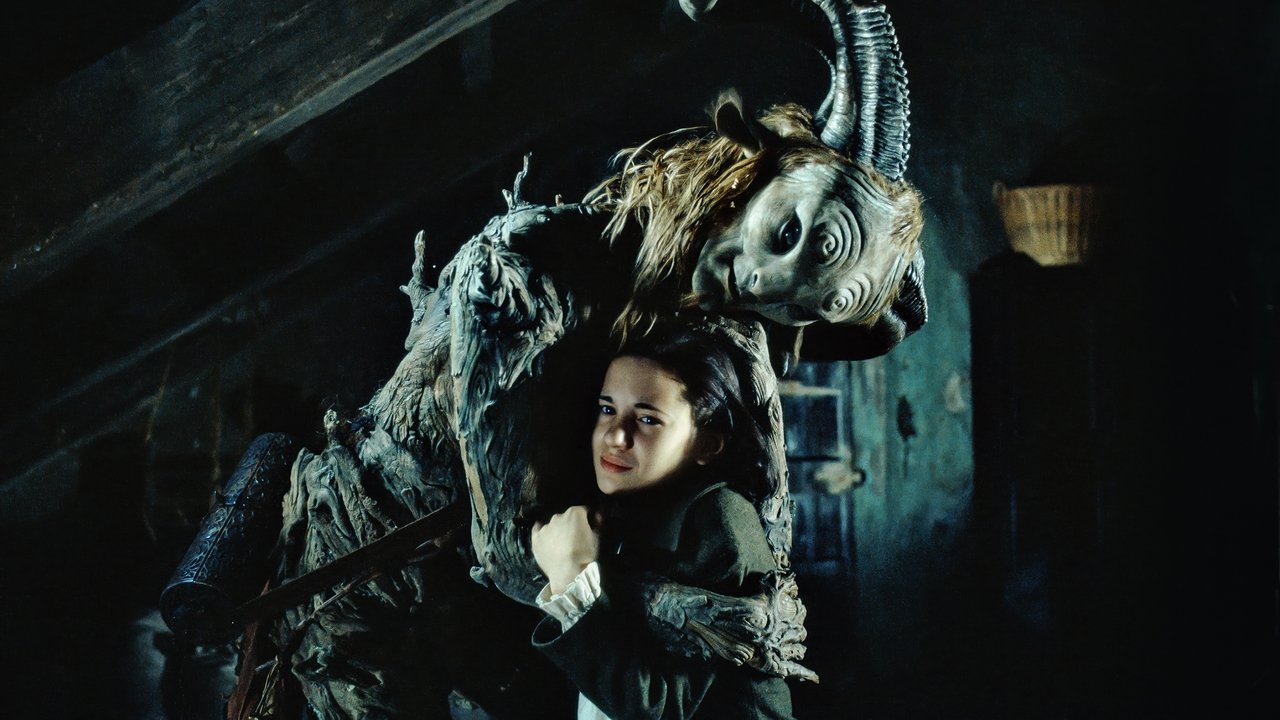
What makes the drama work is that del Toro doesn't treat the fantasy as an escape. Usually, in these movies, the magical world is where you go to get away from the "real" problems. Here, the tasks Ofelia has to perform are just as dangerous and traumatizing as the war outside. The Faun is actually way scarier than the Pale Man because you can't tell if he's your friend or just another boss with an agenda. He’s played by Doug Jones (the same man inside the Pale Man suit), and his performance is a masterclass in non-human movement. He creaks. He tilts. He feels like a piece of ancient furniture that suddenly decided to start talking.
The Most Hated Man in Cinema
While the monsters are the hook, the anchor is Sergi López. I’ve seen a lot of movie villains, but Vidal is on another level. He’s not a mustache-twirling baddie; he’s a man obsessed with precision, legacy, and the clock. There’s a scene involving a bottle and a farmer that is still one of the most difficult things I’ve ever had to watch. It’s a reminder that the scariest thing in this movie isn't the guy with eyes in his hands, it’s the guy with a clean uniform and a sense of duty.
The film earns its R-rating in every frame. It’s brutal, unflinching, and occasionally stomach-churning. But it’s never gratuitous. Every bit of violence in the "real world" underscores the stakes for Ofelia. If she fails her tasks, she’s stuck with Vidal. If she succeeds, she might die anyway. It’s a heavy, somber experience that respects the intelligence of the audience enough to know that we don’t need a happy ending to find meaning in a story.
Practical Magic in a Digital Age
One of the reasons Pan’s Labyrinth has transitioned from a critical darling to a certified cult classic is the sheer craftsmanship. In 2006, Hollywood was falling head-over-heels for CGI that hasn't aged particularly well. But del Toro insisted on puppets and prosthetics. When you see the Faun’s ears twitch or the Pale Man’s skin sag, your brain knows it’s there.
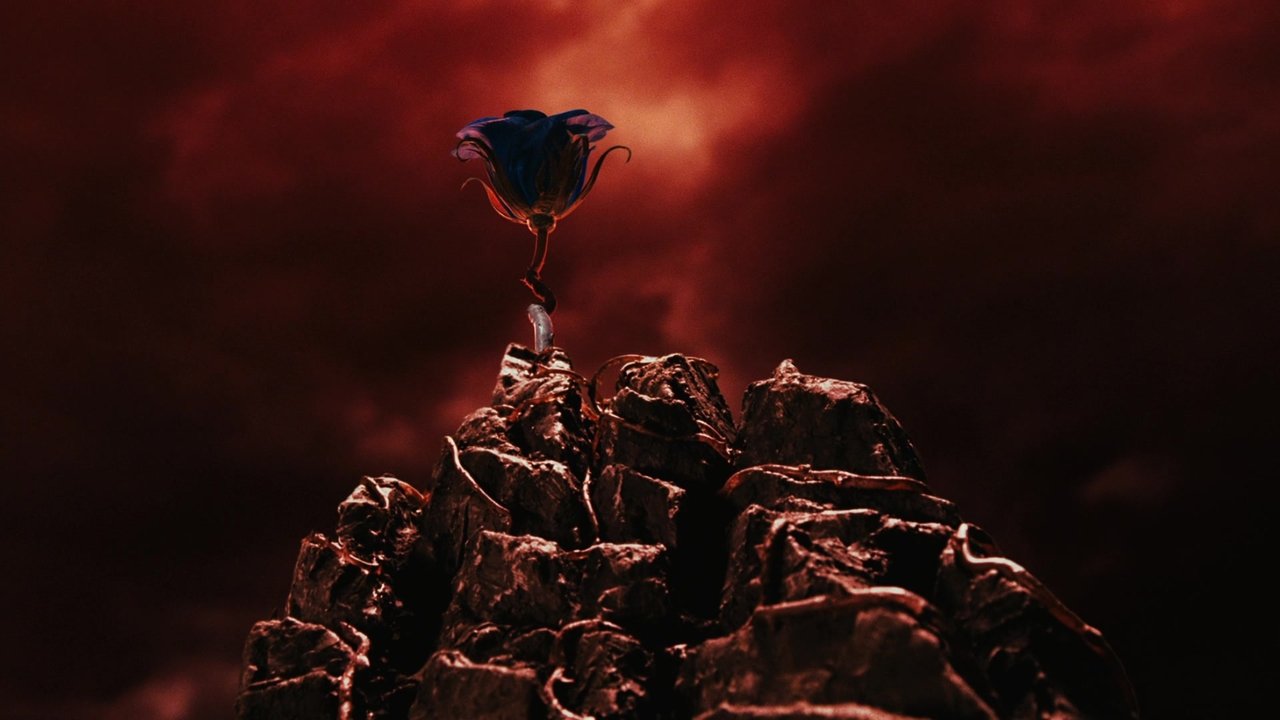
Apparently, Doug Jones had to spend five hours in the makeup chair for the Pale Man and could only see through the nostrils of the mask. That kind of physical commitment is why the movie still looks better than $200 million blockbusters coming out today. It feels tangible. Even the score by Javier Navarrete, centered around a simple, haunting lullaby, feels like it was unearthed from a tomb rather than composed in a studio. It’s the kind of movie that makes you want to go out and buy the "Special Edition" physical copy just to see the behind-the-scenes footage of the creature shop.
If you’ve only ever seen this on a streaming service, do yourself a favor: find the old DVD or a Blu-ray. There’s something about the way this film was shot—the deep blacks and the rich, mossy greens—that benefits from a bit of that analog-era texture. It’s a film that demands your full attention, a dark room, and maybe a drink that hasn't gone flat.
This isn't a movie you watch; it's a movie you survive. It takes the "dark fairy tale" trope and pushes it to its absolute limit, refusing to blink when things get ugly. It’s a reminder that innocence isn't about being shielded from the world—it's about having the courage to look the monster in the eye and say "no," whether that monster lives in a labyrinth or wears a captain’s cap. It remains the definitive work of a director who understands that our nightmares are sometimes the only things that can save us from our reality.
Keep Exploring...
-

The Devil's Backbone
2001
-

Hellboy II: The Golden Army
2008
-
Frankenstein
2025
-
Hotel Rwanda
2004
-

Letters from Iwo Jima
2006
-
The Illusionist
2006
-
The Hurt Locker
2008
-

Brothers
2009
-
Enemy at the Gates
2001
-

Master and Commander: The Far Side of the World
2003
-
Hellboy
2004
-
Kingdom of Heaven
2005
-
Perfume: The Story of a Murderer
2006
-
The Shape of Water
2017
-
The Thin Red Line
1998
-

The Patriot
2000
-

Adaptation.
2002
-
The Pianist
2002
-

A Very Long Engagement
2004
-
Downfall
2004