Paprika
"Reality is a dream that's lost its way."
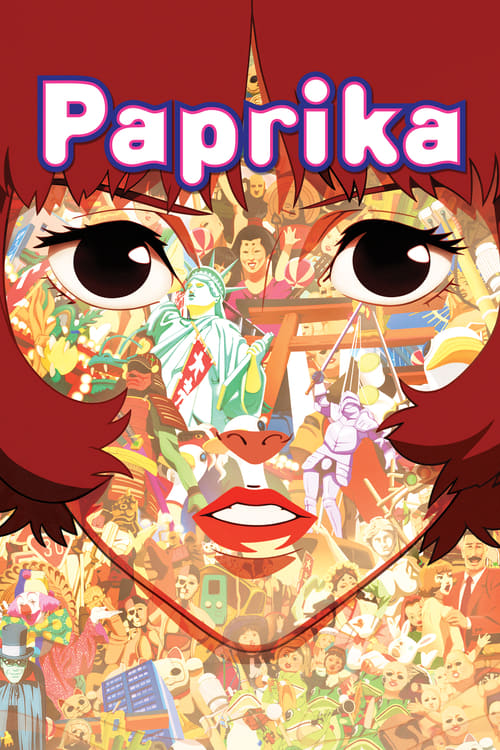
The first time I sat down to watch Paprika, I was trying to fold a fitted sheet—an exercise in spatial frustration that usually ends with me wadding the fabric into a spiteful ball. Ten minutes into Satoshi Kon’s final masterpiece, the sheet was forgotten on the floor, and I was staring at a parade of refrigerator-headed musicians and weeping dolls marching across my screen to the tune of a glitchy, triumphant electronic anthem. It wasn’t just that the animation was beautiful; it was the realization that I was watching a filmmaker who had finally figured out how to photograph the impossible.

Released in 2006, Paprika arrived at a strange crossroads for the medium. We were deep into the transition from cells to digital ink, and the "prestige" anime wave of the 90s (think Ghost in the Shell or Akira) was giving way to a more polished, perhaps safer, aesthetic. Then came Satoshi Kon, a man who had already dismantled our sense of reality with Perfect Blue and Millennium Actress, wielding a budget of just over $2 million to create something that looked like it cost twenty times that. It’s a film that doesn't just ask "what if we could enter dreams?" but "what if those dreams decided they were tired of being locked away?"
The Parade of Our Collective Id
The plot, on paper, is a lean sci-fi thriller: a device called the DC Mini allows therapists to view and enter patients' dreams. It’s stolen by a "dream terrorist" who begins merging the subconscious world with waking reality. Our hero is Dr. Atsuko Chiba (Megumi Hayashibara), a buttoned-up researcher whose dream-world alter ego, the titular Paprika, is a manic, red-shirted pixie who navigates the surreal with a wink.
What makes this more than just a "mind-bender" is the sheer intensity of the imagery. When the dream world starts leaking into the real one, it’s not subtle. It’s a chaotic, terrifying procession of objects—Japanese shrines, frogs in tuxedos, discarded toys—that represents the cluttered basement of the human psyche. Satoshi Kon and his team at Madhouse (the studio behind Ninja Scroll and Redline) created a visual language where space and time are fluid. A character might leap through a picture frame, fall through a cloud, and land in a movie theater playing their own life story. If you think Christopher Nolan’s Inception was the pinnacle of dream-logic cinema, you’re essentially comparing a tidy cubicle to a hurricane.
Digital Nightmares and Analog Soul
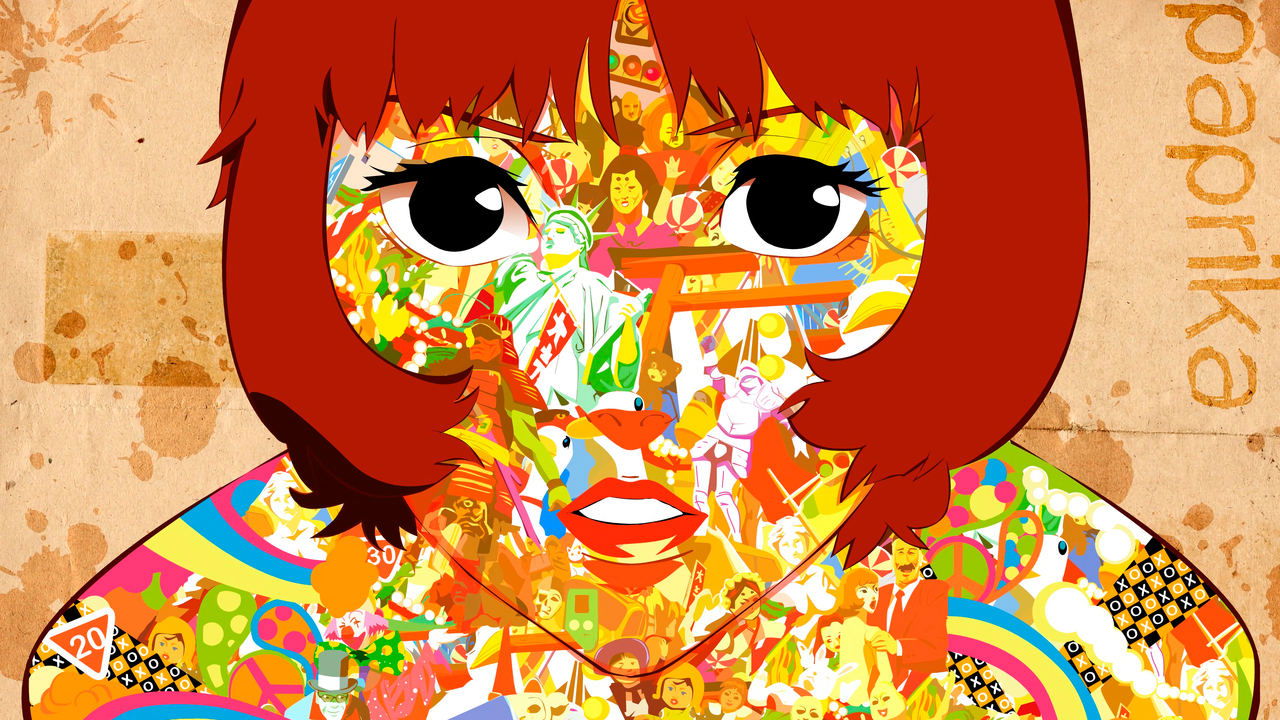
Looking back from nearly two decades away, Paprika feels like a high-water mark for a specific kind of digital-analog hybrid animation. The lines are sharp, but the colors have a saturated, "wet" quality that you just don't see in the flat, sanitized CGI of the 2020s. Michiya Kato’s cinematography uses digital layering to create a sense of depth that makes the screen feel crowded and claustrophobic in the best way possible.
The film also captures a very specific 2006 anxiety about the internet. There’s a scene in a bar called the "Radio Club" where Paprika chats with two bartenders (voiced by Satoshi Kon himself and his screenwriter Seishi Minakami). The internet and the dream world are treated as two sides of the same coin: places where we go to be someone else, where the collective consciousness becomes a tangible, sometimes dangerous, forest. It reflects that Y2K-era transition where we were still figuring out if the digital world was a tool or a trap.
The score by Susumu Hirasawa is equally vital. He used a Vocaloid named Lola to create these haunting, inhuman harmonies that sound like a computer trying to sing a lullaby. It’s propulsive and unsettling, perfectly matching the film's dark undercurrents. There is a weight to the stakes here; when a character's "dream self" is violated, the psychological trauma feels physically painful. It refuses to offer the easy comfort of "it was all just a dream."
A Legacy Written in Sleep
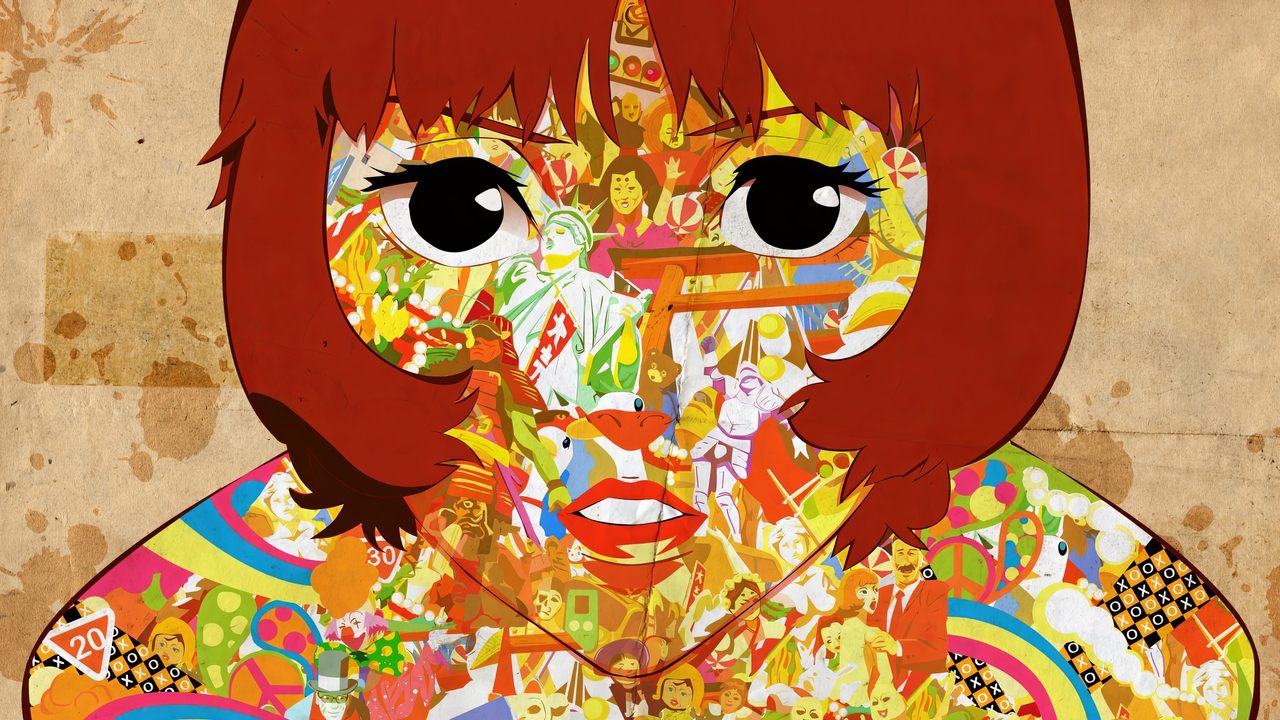
Despite its current status as a cult legend, Paprika was a bit of a ghost at the box office, making less than a million dollars in its initial run. It was the "forgotten" masterpiece that fans traded on forums and early DVD enthusiast sites, often alongside stories of how it allegedly "inspired" (or was heavily borrowed from by) several Hollywood blockbusters.
Actually, the trivia behind this film is almost as hallucinatory as the plot:
The parade song, "The Girl in Byakkoya," was the first song in a major motion picture to heavily feature Vocaloid software. Satoshi Kon spent years trying to adapt Yasutaka Tsutsui's original novel, which was long considered "unfilmable" due to its complexity. The "Radio Club" bartenders are caricatures of Kon and Minakami, a meta-nod to their roles as the architects of this nightmare. The budget was so tight that the team had to use incredibly creative digital shortcuts to manage the hundreds of unique characters in the parade scenes. The film’s influence is so pervasive that certain shots in Inception*—like the hallway mirroring—feel like direct homages (or "visual echoes") to Kon’s work.
Ultimately, Paprika is a reminder of what we lost when Satoshi Kon passed away in 2010. He was a director who understood that animation wasn't just a medium for kids or for genre tropes, but a way to map the human soul. It’s an intense, sometimes disturbing, but always deeply human experience that demands your full attention. Just don't try to fold any laundry while you watch it; you’ll end up staring at the screen with a half-folded sock in your hand, wondering if the person sitting next to you is actually a refrigerator in disguise.


Keep Exploring...
-
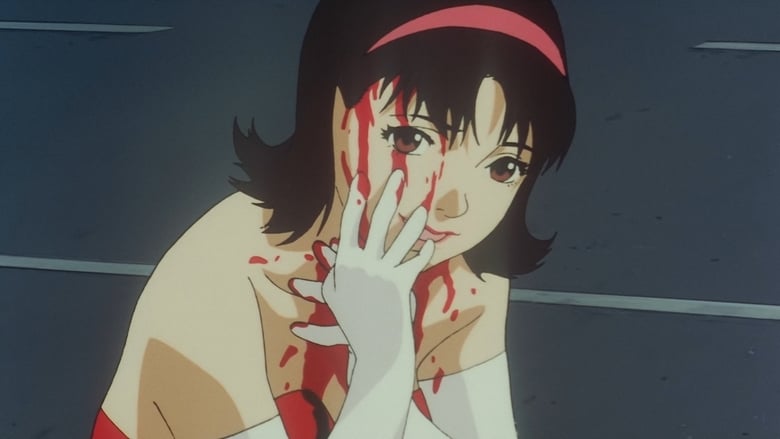
Perfect Blue
1998
-
Tokyo Godfathers
2003
-
Millennium Actress
2002
-
9
2009
-

28 Days Later
2002
-
Equilibrium
2002
-
The Butterfly Effect
2004
-
Serenity
2005
-
Children of Men
2006
-

V for Vendetta
2006
-
Batman Beyond: Return of the Joker
2000
-
Gattaca
1997
-

Starship Troopers
1997
-

Timecrimes
2007
-

Predestination
2014
-
The Girl Who Leapt Through Time
2006
-
Minority Report
2002
-

The Matrix Reloaded
2003
-
I Am Legend
2007
-
Batman: Year One
2011