Poseidon
"Upside down, underwater, and out of time."
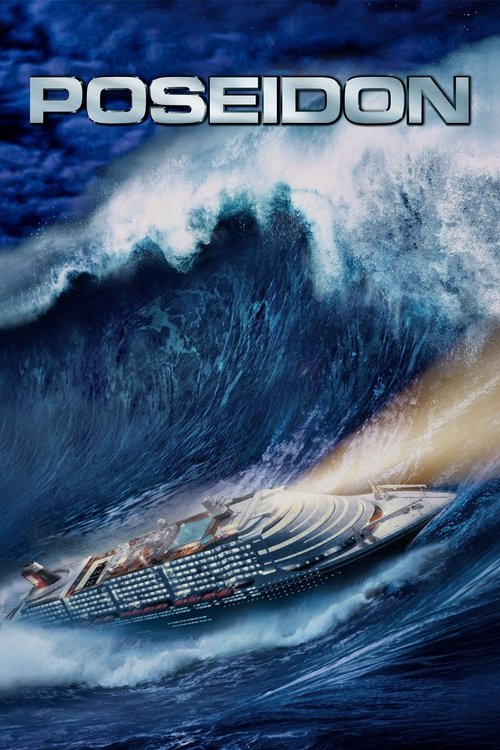
There is a specific, dizzying brand of Hollywood madness that allows a studio to greenlight a $160 million budget for a movie that clocks in at a lean 98 minutes. That’s roughly $1.6 million per minute of screen time. In the mid-2000s, this was the peak of the "blockbuster bloat" era, yet Wolfgang Petersen (the man who practically invented the cinematic "wet look" with Das Boot and The Perfect Storm) decided to deliver a disaster flick that moves like a panic attack. While the rest of the world was obsessed with three-hour epics and the birth of the MCU, Poseidon arrived as a sleek, brutal, and surprisingly efficient remake of the 1972 Irwin Allen classic.
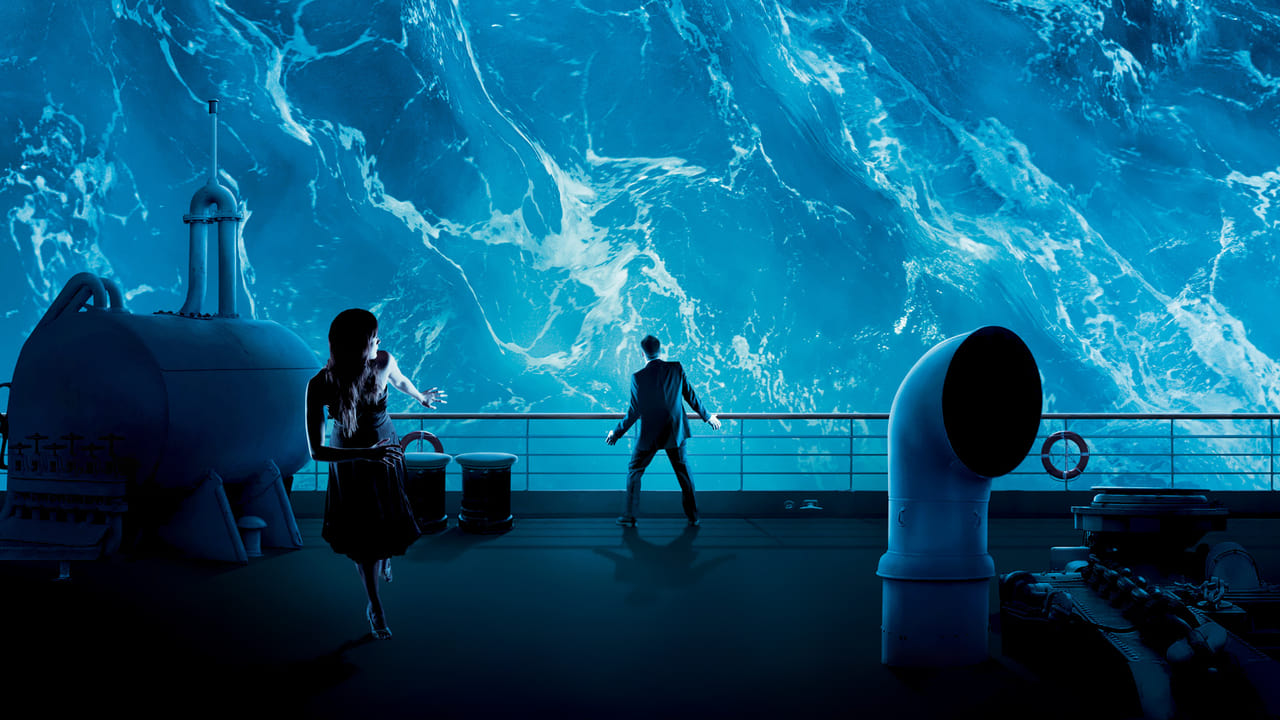
I watched this recently while my neighbor was power-washing his driveway, and the constant drone of high-pressure water against my window actually created a bizarrely effective 4D atmosphere that I highly recommend for the full "sinking ship" experience.
The Petersen Wet-Look
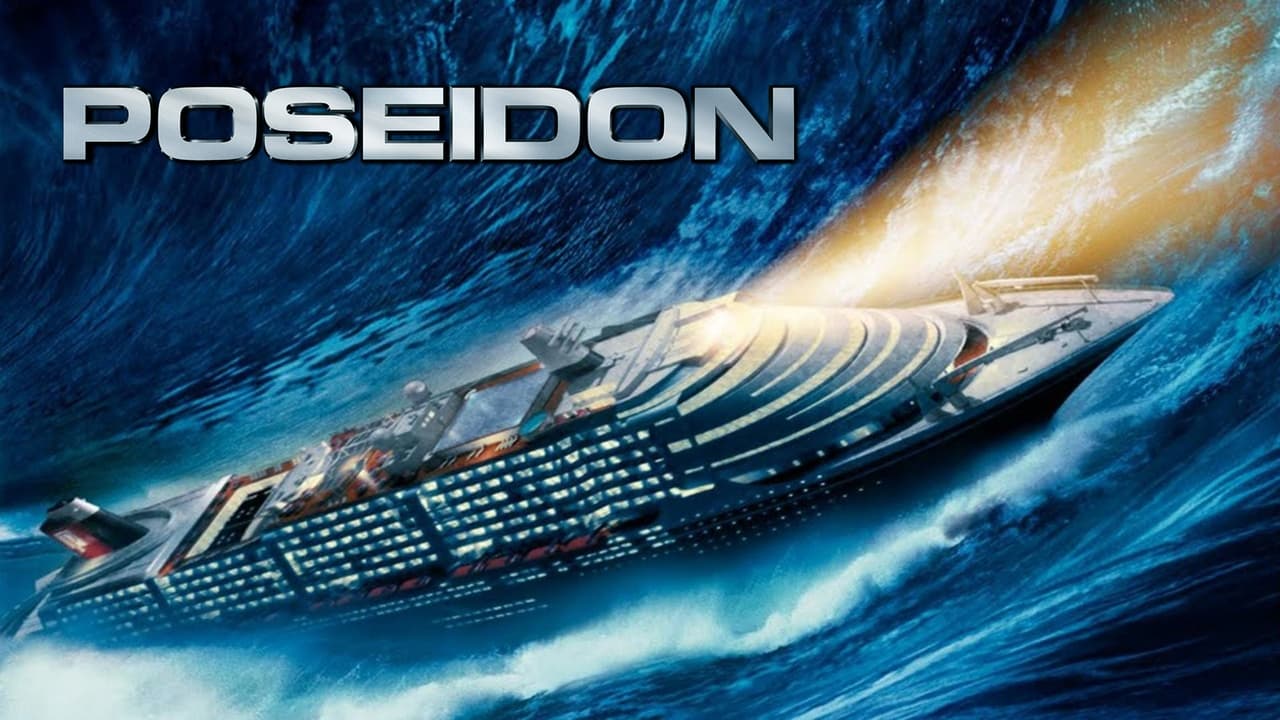
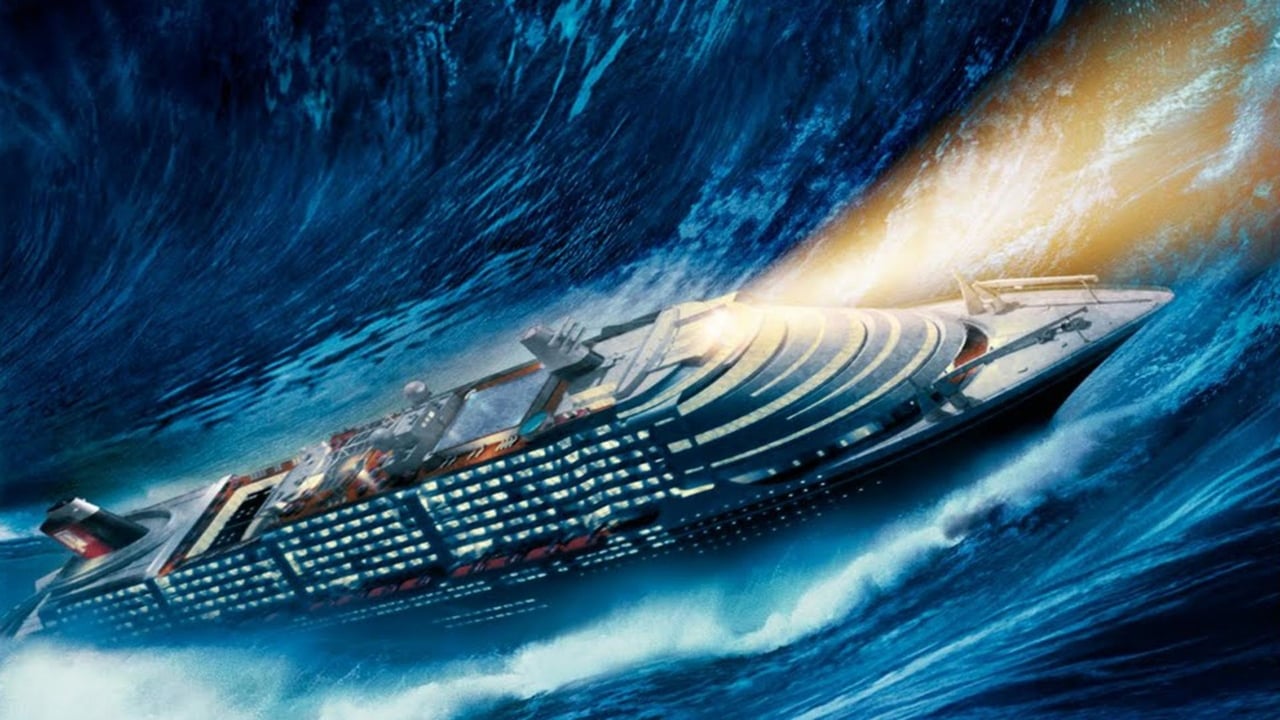
Wolfgang Petersen didn't just direct movies; he seemed to have a professional vendetta against dry clothes. By 2006, the transition from practical effects to CGI was in full swing, and Poseidon represents a fascinating bridge between those worlds. The film opens with an ambitious, unbroken digital fly-over of the ship—a shot that was, at the time, the most complex piece of CGI ever created by Industrial Light & Magic. It’s a "look at our shiny new toy" moment that has aged surprisingly well, even if the physics of the rogue wave that follows feel a bit more like a video game cutscene than a natural disaster.
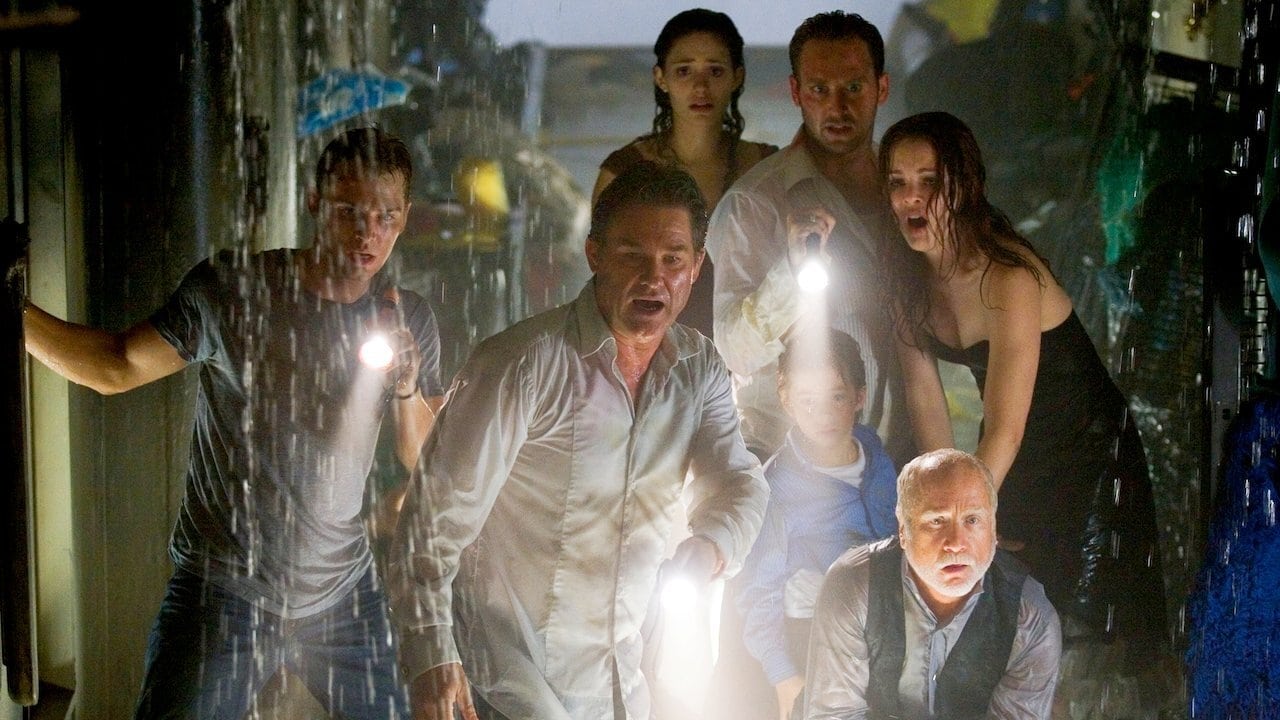
But once the wall of water hits and the ship pulls its famous 180-degree flip, the movie shifts into a claustrophobic survival horror. This is where the budget really shows. Unlike the original film, which relied heavily on tilted sets and 70s camp, Petersen’s version feels heavy. You can almost feel the weight of the millions of gallons of water pressing against the bulkheads. The production famously used two massive water tanks at Warner Bros. Studios, including the one used for The Perfect Storm (2000), and the actors spent months submerged in water that was probably 40% chlorine and 60% actor-sweat.
A $160 Million Sinkhole of Wet Tuxedos
The cast is a weirdly perfect snapshot of 2006 stardom. Josh Lucas plays Dylan Johns, a professional gambler who is essentially "The Man with the Plan" because he’s good at math and wearing a vest. Kurt Russell brings some much-needed gravitas as Robert Ramsey, an ex-fireman and former mayor of New York—because apparently, in 2006, we needed our heroes to have high-stakes municipal experience. Jacinda Barrett, Emmy Rossum, and Richard Dreyfuss round out a group of survivors that I like to call "The People Who Didn't Listen to the Captain."
There’s a certain efficiency to the character writing here that I’ve grown to appreciate. In an era where every blockbuster needs a 45-minute "getting to know you" prologue, Poseidon gives us about ten minutes of New Year's Eve partying before a $160 million sinkhole of wet tuxedos begins. We don't need backstories; we just need to see if Richard Dreyfuss can hold his breath long enough to swim through an elevator shaft.
Speaking of the actors, the production was notoriously grueling. Josh Lucas ended up in the hospital after Kurt Russell accidentally hit him in the eye with a heavy-duty flashlight during a frantic underwater sequence. It wasn't just him; nearly the entire main cast suffered from infections, cuts, or bruises. When you see the genuine exhaustion on Mía Maestro’s face as her character, Elena, navigates a flooded air duct, that’s not just acting—that’s the look of someone who has been pruned like a raisin for twelve hours a day.
The Cult of the Disaster Flop
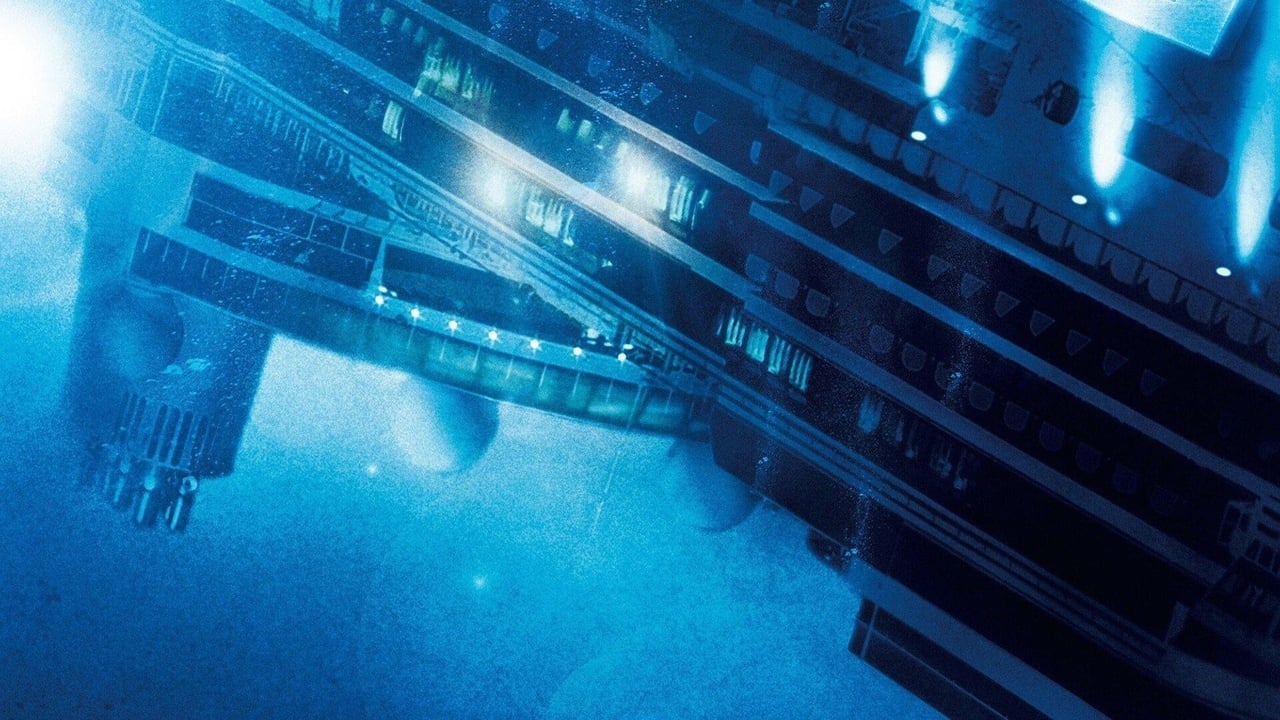
Why does this movie feel like a "half-forgotten oddity" today? It’s partly because it was a massive box-office disappointment, barely clawing back its production budget. In the post-9/11 landscape, audiences were perhaps a bit weary of "mass casualty" spectacles, and Poseidon is relentlessly grim. There’s no goofy 70s melodrama here; when people die in this movie, it’s sudden, wet, and terrifying.
However, for disaster junkies, this has become a bit of a cult favorite precisely because it lacks the bloat of modern franchises. It’s a "straight-line" movie—the characters are at the bottom (the top of the ship) and they need to get to the top (the bottom of the ship). That’s it. Along the way, we get a cameo from Stacy "Fergie" Ferguson of the Black Eyed Peas, who gets a spectacular exit that serves as a perfect time capsule for mid-2000s pop culture.
Turns out, the "rogue wave" that flips the ship isn't just a screenwriter's fever dream, either. The production team worked with oceanographers to model a 150-foot wave, ensuring the physics of the initial impact were as accurate as a CGI-heavy blockbuster could manage. It’s that commitment to the "how" of the disaster that keeps the film engaging even when the dialogue is just people screaming "Keep moving!" or "Don't let go!"
Ultimately, Poseidon is a movie that knows exactly what it is: a high-octane, claustrophobic sprint through a sinking maze. It doesn't have the heart of the 1972 original, but it replaces that soul with a relentless, mechanical intensity that is actually quite refreshing in hindsight. It’s the kind of film that makes you want to check the exits in every building you enter and maybe, just maybe, skip that cruise you were planning for next summer. If you’re looking for a tight, high-budget survival thrill that doesn't overstay its welcome, it’s time to revisit this watery wreck.
Keep Exploring...
-

The Perfect Storm
2000
-
Green Zone
2010
-

Outbreak
1995
-
Dante's Peak
1997
-

xXx
2002
-
The Grey
2012
-
Walking Tall
2004
-
The Scorpion King
2002
-
The Matrix Revolutions
2003
-
The Rundown
2003
-

Alexander
2004
-
King Arthur
2004
-
The Island
2005
-

16 Blocks
2006
-
Mission: Impossible III
2006
-

The Fast and the Furious: Tokyo Drift
2006
-

X-Men: The Last Stand
2006
-

10,000 BC
2008
-
Babylon A.D.
2008
-

G.I. Joe: The Rise of Cobra
2009