Rocky Balboa
"The beast in the basement finally comes home."
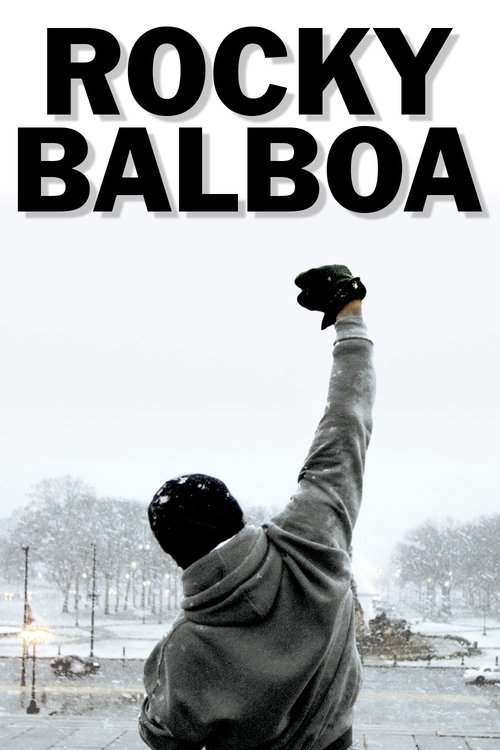
I remember sitting in a dimly lit living room in 2006, clutching a bag of slightly stale peanut butter pretzels—the kind that leave a dry, salty film on your tongue—and feeling a profound sense of dread as the opening credits for Rocky Balboa rolled. We all felt it back then. The collective groan of the movie-going public was audible. Sylvester Stallone, then sixty years old, was stepping back into the ring for a sixth time, sixteen years after the disastrous Rocky V nearly buried the franchise in a shallow Philadelphia grave. It felt like a punch-drunk vanity project.
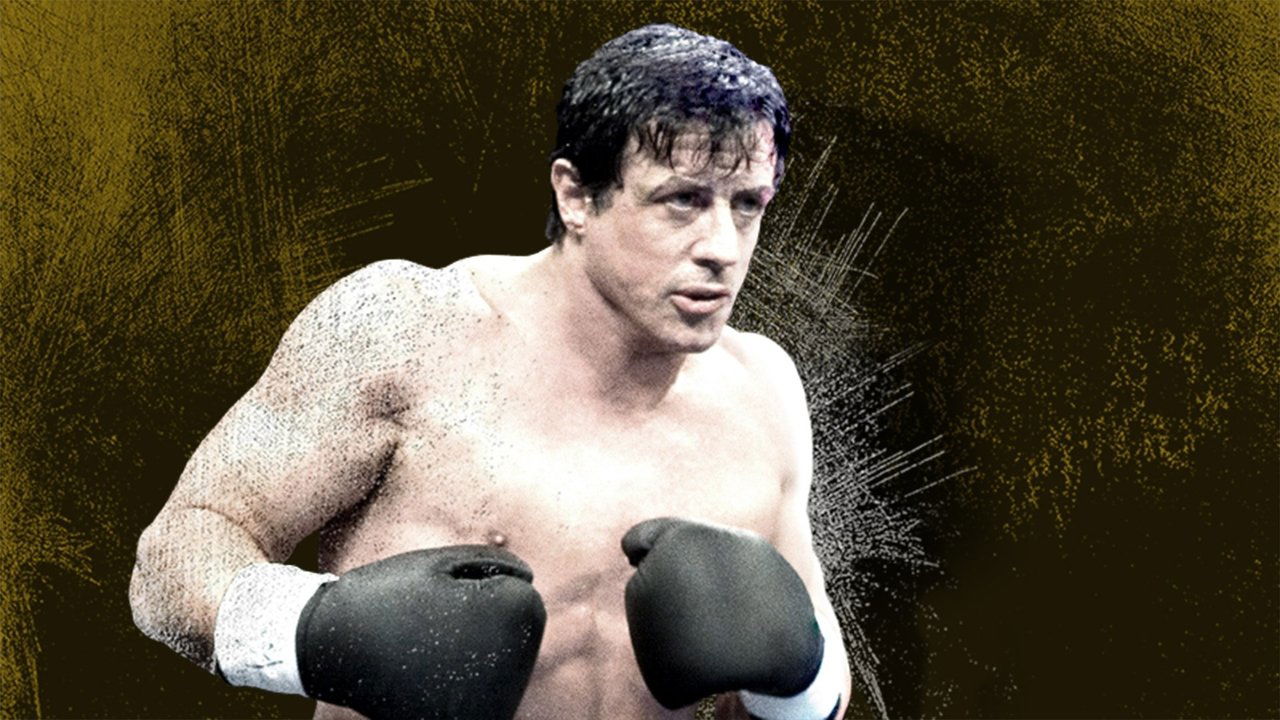
But within ten minutes, I realized I’d been completely wrong. This wasn't a desperate grab for former glory; it was a quiet, heavy-hearted apology for every neon-lit, over-the-top mistake the series made in the '80s. It was Stallone going back to the beginning, back to the grit of 1976, and finding that the underdog still had something left in the "basement."
The Burden of the Heavy Heart
If you strip away the boxing gloves, Rocky Balboa is fundamentally a drama about grief. The film finds Rocky running a mid-tier Italian restaurant called Adrian’s, named after his late wife. He spends his nights regaling tourists with stories of fights they’ve already seen on YouTube, while his relationship with his son, played with a perfect "overshadowed" twitchiness by Milo Ventimiglia (This Is Us), is strained to the breaking point.
The performance from Sylvester Stallone here is his best work since the original film. He’s slower, his voice is deeper, and he carries a physical weight that feels like it comes from the soul rather than the gym. He’s not looking for a title; he’s looking for an exit ramp for the "beast" inside him—the grief and the lingering energy of a man who doesn't know how to stop being a fighter when the world has no use for him. Burt Young returns as Paulie, and he’s arguably at his most human here, providing a grumpy, cynical foil to Rocky’s terminal optimism. Their chemistry feels lived-in, like a pair of old shoes that are falling apart but still fit perfectly.
High-Def Reality and Real-World Bruises
The plot kicks into gear when a computer-simulated fight on an ESPN-style program suggests a prime Rocky could beat the current, unpopular heavyweight champion, Mason "The Line" Dixon (Antonio Tarver). It’s a very mid-2000s premise—reflective of the era's obsession with "who would win" digital debates—and it leads to an exhibition match that the world thinks is a joke.
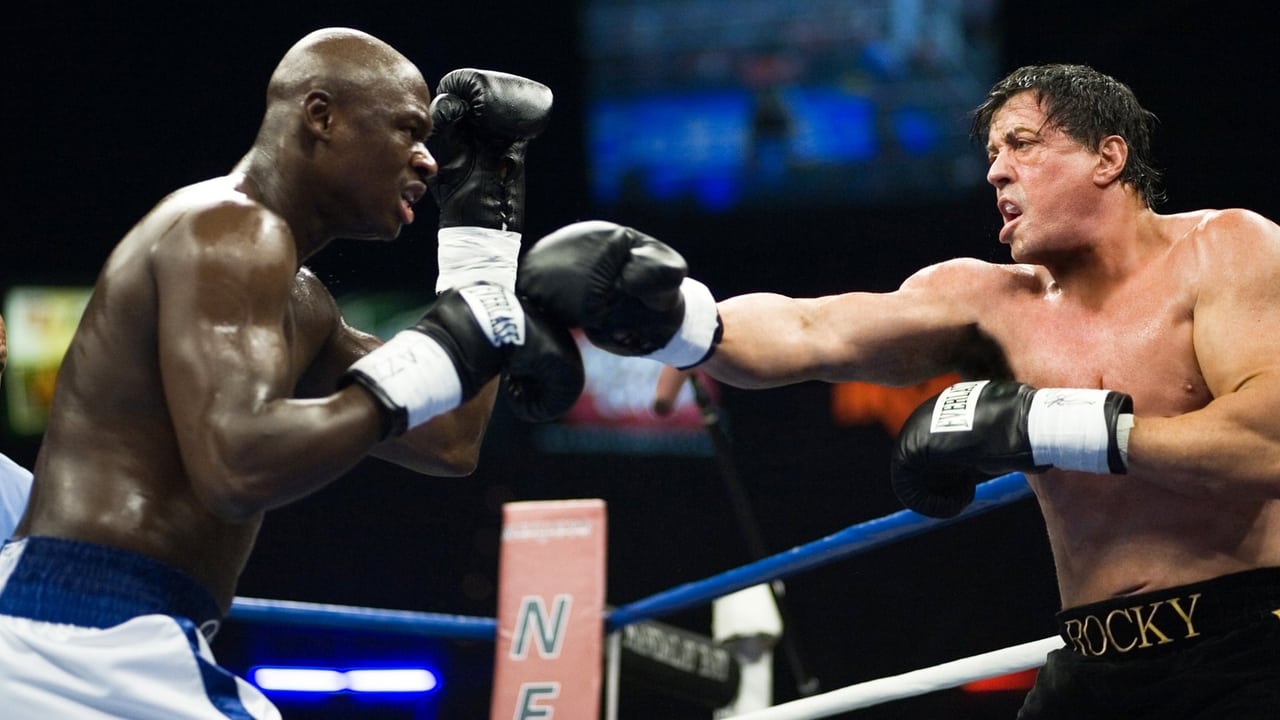
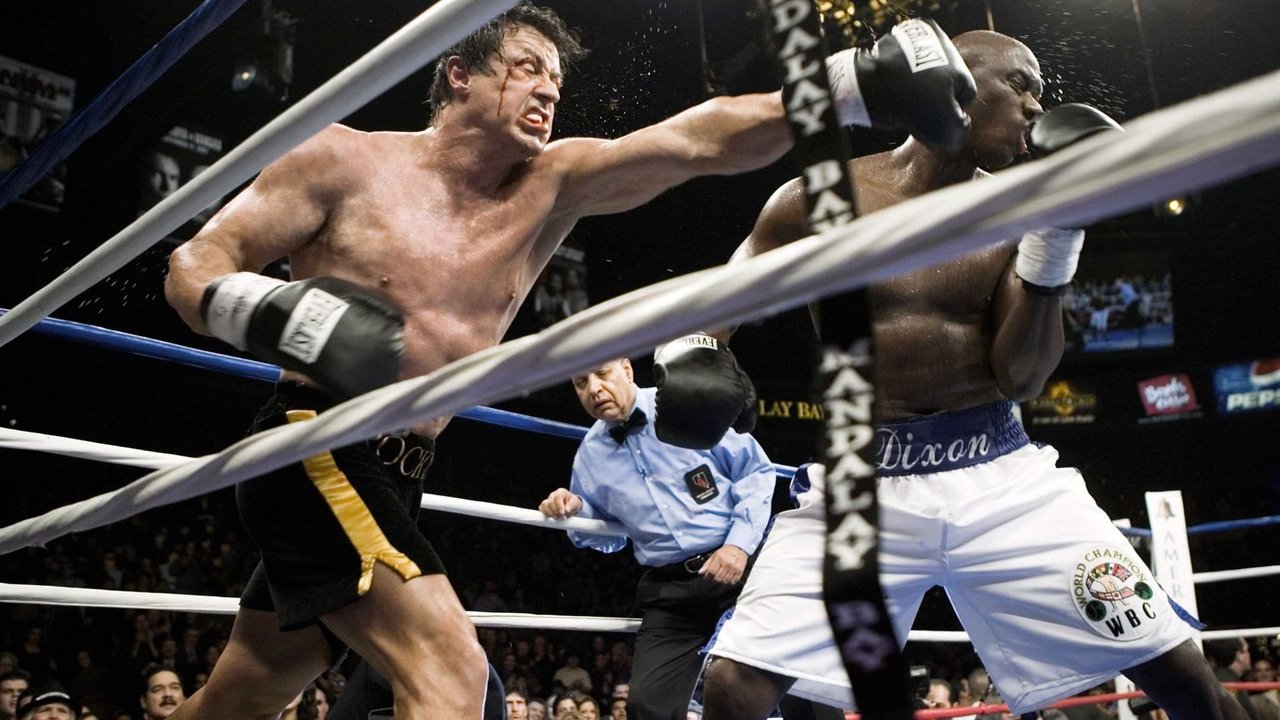
What makes the final act work isn't just the nostalgia; it’s the shift in filmmaking tech. Stallone, who also directed, chose to shoot the climactic fight using high-definition cameras and the actual production crew from HBO’s World Championship Boxing. Looking back, this was a brilliant move. It moved the franchise away from the cinematic, choreographed "ballet" of the earlier sequels and into the raw, jarring reality of a modern pay-per-view event.
The trivia behind this fight is legendary among fans of the "DVD commentary" era. Because Antonio Tarver was a legitimate, active light heavyweight champion at the time, the sparring was far from staged. Stallone insisted on taking real hits to make the footage look authentic, resulting in a broken toe and several cracked ribs. In an era where CGI was starting to take over every action beat, Stallone's willingness to actually get punched in the face by a pro-boxer was a defiant middle finger to digital safety.
A Legacy Worth the Wait
Coming out in 2006, Rocky Balboa acted as a bridge between the analog past and the franchise-heavy future. It proved that there was still a hunger for character-driven drama in a landscape that was rapidly becoming dominated by the early rumblings of the MCU and massive CG spectacles. It turned a budget of $24 million into a $155 million global success, essentially green-lighting the path for the Creed films a decade later.
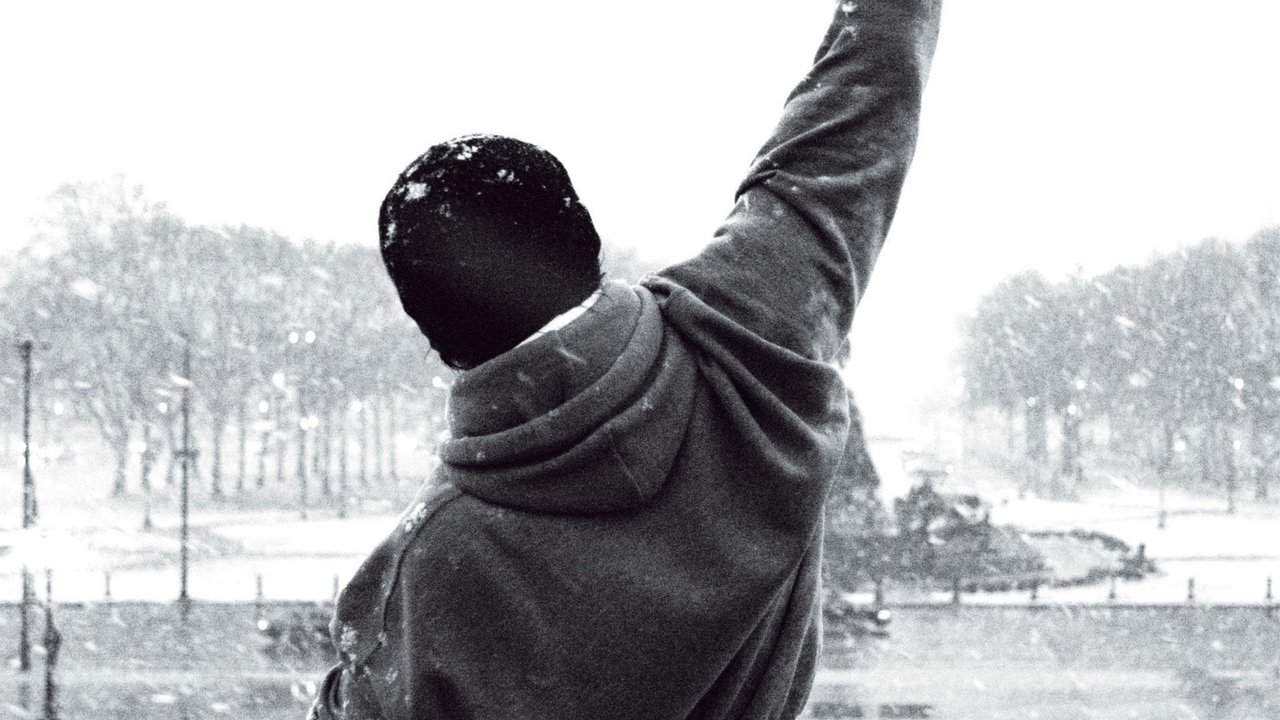
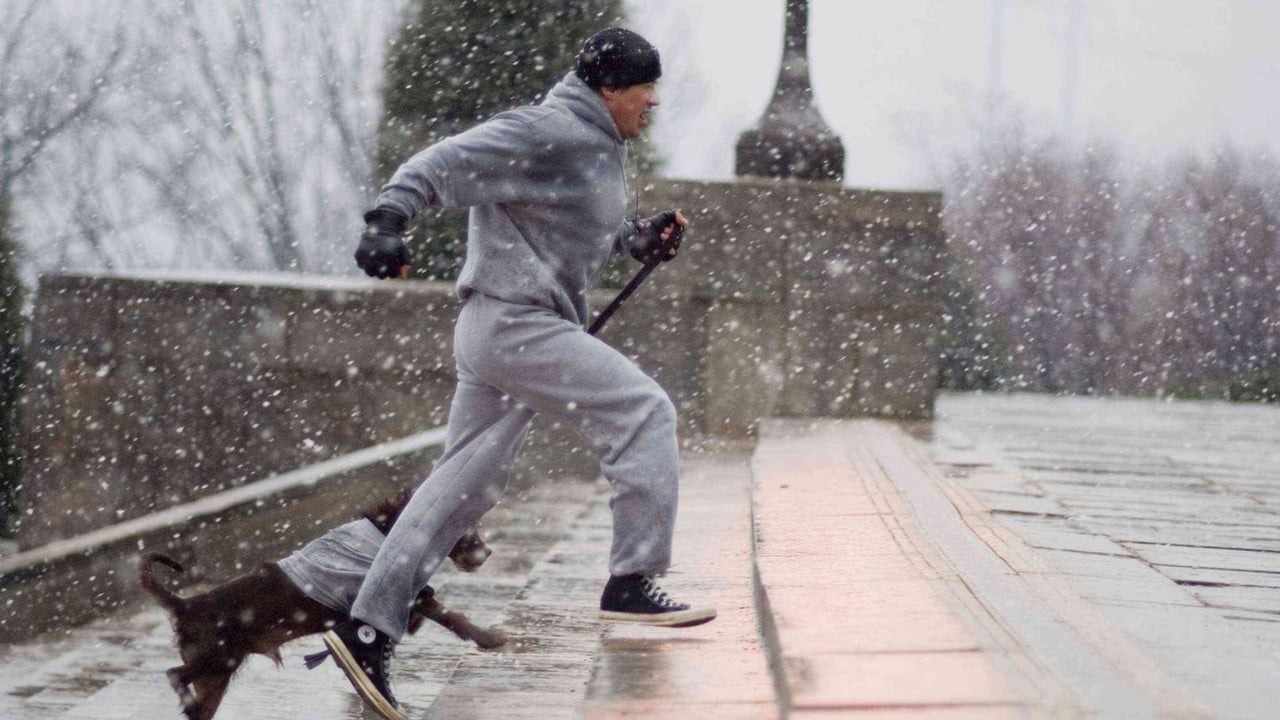
The film manages to capture that post-9/11 anxiety of wanting to return to simpler, tougher times without feeling like a propaganda piece. It’s a movie that rewards you for caring about these characters for thirty years. Watching a sixty-year-old man run up the Philadelphia Art Museum steps to the triumphant horns of Bill Conti’s score should be cheesy, but instead, it feels like a hard-earned victory for anyone who’s ever felt "past their prime."
Ultimately, Rocky Balboa succeeded because it respected its own history. It didn't try to pretend Rocky was still a superhero; it acknowledged his age, his loss, and his limitations. It’s a film that earns its emotional beats through quiet conversations in snowy Philly streets rather than just big moments in the ring. If you haven't revisited this one since the DVD days, it’s time to step back into the basement. It’s a knockout that doesn't need a single ounce of "movie magic" to land its punch.
Keep Exploring...
-
Rocky III
1982
-
Rocky IV
1985
-
Rocky II
1979
-
Rocky
1976
-
Rocky V
1990
-
The Expendables
2010
-
Rambo
2008
-
Save the Last Dance
2001
-

Shallow Hal
2001
-
8 Mile
2002
-
About a Boy
2002
-
About Schmidt
2002
-
Chicago
2002
-
Panic Room
2002
-
The Hours
2002
-

Cheaper by the Dozen
2003
-
Mystic River
2003
-
Closer
2004
-
Mean Girls
2004
-
Ray
2004