Saw III
"The doctor is in, and the patient is terminal."
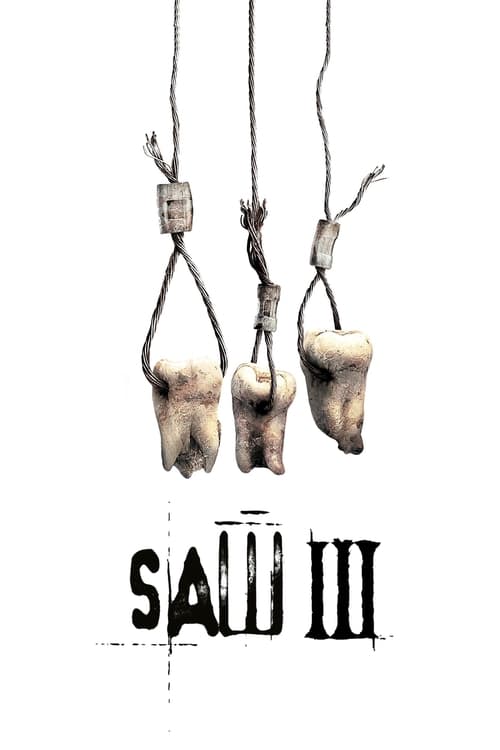
In the autumn of 2006, the cinematic landscape was a strange, transitional place. We were caught between the gritty realism of the early 2000s and the looming shadow of the franchise-led decade to come. It was a time when "torture porn" was the buzzword of the week and Lionsgate had discovered a golden goose that wore a pig mask. While other franchises were trying to keep things PG-13 for the widest possible reach, the Saw series leaned into its hard-R rating with a defiant, blood-slicked grin.

By the time Saw III hit theaters, the "game" had changed. It wasn't just about a guy in a bathroom anymore; it was about a legacy. I watched this particular entry on a laptop with a cracked screen while eating a slightly stale bag of pretzels, and somehow, the crunching of the snacks and the flickering pixels only added to the grimy, yellow-tinted aesthetic Darren Lynn Bousman was aiming for.
The Gospel of Jigsaw
The third entry is where the Saw lore really starts to metastasize into the complex, interlocking puzzle that fans adore and critics find exhausting. Tobin Bell, as John Kramer (Jigsaw), is confined to a bed for nearly the entire runtime, yet he remains the most commanding presence in the film. It’s a testament to Bell’s gravitas that he can make a man dying of brain cancer seem like the most dangerous person in the room. Beside him is Shawnee Smith as Amanda Young, his unstable apprentice whose emotional volatility provides the film's real friction.
The plot follows two tracks: Dr. Lynn Denlon (Bahar Soomekh) is kidnapped to keep Jigsaw alive, while Jeff Reinhart (Angus Macfadyen) undergoes a series of tests centered on forgiveness. Looking back, Angus Macfadyen’s Jeff is the human equivalent of a dial-up modem—he takes agonizingly long to make any decision, which is exactly the kind of slow-burn frustration the script wants to provoke. You find yourself yelling at the screen, not because the logic is flawed, but because Jeff’s grief has made him paralyzingly slow.
Blood, Gears, and Growing Pains
Technically, Saw III is the peak of the franchise's "practical effects" era before digital gore started to seep into the later sequels. The makeup team, led by practitioners who clearly didn't have "restraint" in their vocabulary, pushed the limits of what a mainstream audience could handle. The "Pig Vat" scene—where a man is nearly drowned in liquified, rotting hog carcasses—remains one of the most revolting sequences ever committed to celluloid. Apparently, the "pigs" were made of foam, but the water they were submerged in became so stagnant during filming that the actors were genuinely gagging. That’s the kind of low-budget ingenuity that defines 2000s horror.
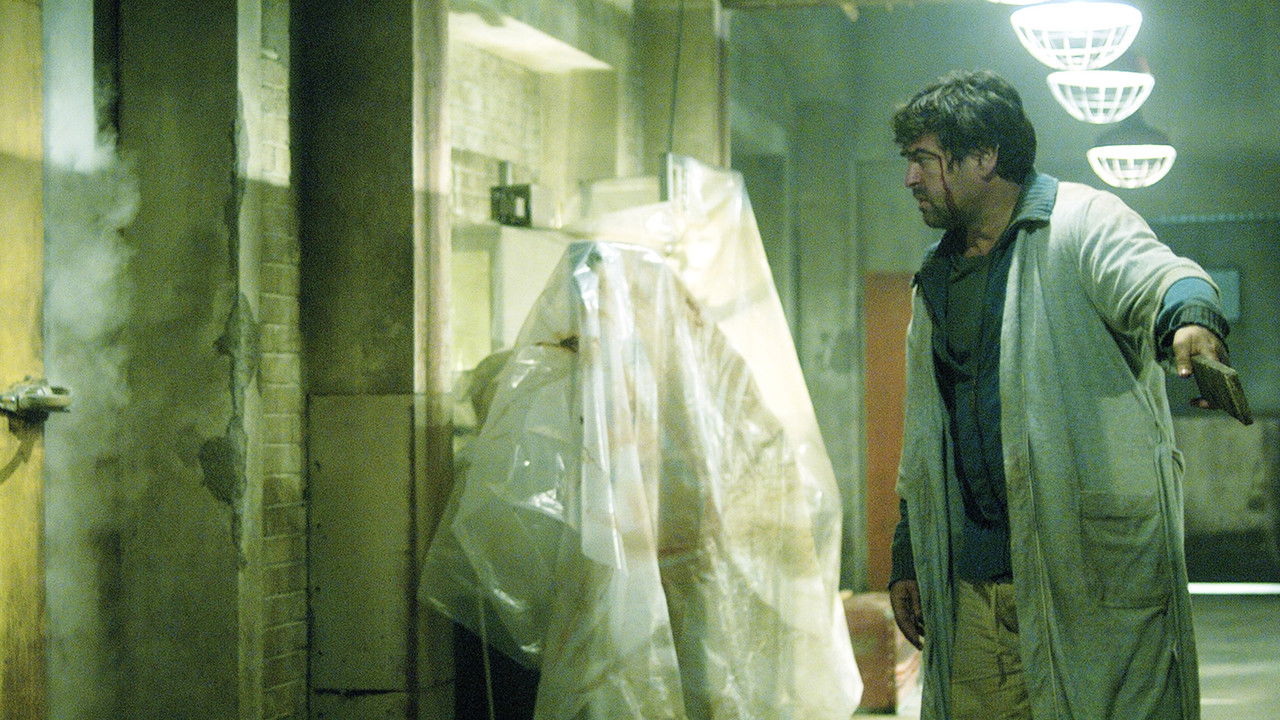
David A. Armstrong’s cinematography continues the "piss-yellow and rust-green" palette that became the series’ visual signature. It’s ugly, it’s oppressive, and it’s perfectly suited to Charlie Clouser’s industrial score. Clouser, a former member of Nine Inch Nails, understands that the sound of a Saw movie should feel like a circular saw hitting a metal pipe. When the "Hello Zepp" theme kicks in during the final ten minutes, it still triggers a Pavlovian response of excitement for the inevitable twist.
A Legacy Written in Gore
What’s fascinating about Saw III in retrospect is its sheer commercial audacity. It cost a mere $10 million and raked in over $164 million worldwide. It was a massive blockbuster that didn't care about being liked—it only cared about being experienced. It captured the post-9/11 zeitgeist of "enhanced interrogation" and societal decay, wrapping it in a package of extreme body horror. It was the moment the series committed to being a serialized soap opera; it’s essentially a soap opera written by someone who spent too much time in a hardware store.
Writer Leigh Whannell reportedly wrote the script while grieving the loss of his grandfather, and that weight is felt in the film’s obsession with mortality and the burden of letting go. This isn't just a "slasher" movie; it's a film about the physical and emotional cost of vengeance. While the gore is what sold the tickets, the tragedy of Amanda and John’s relationship is what makes it stick in the memory. It’s the last time the franchise felt like it had something genuine to say before it devolved into the "trap-of-the-week" formula of the later installments.
Saw III is the definitive "end of the beginning" for the franchise. It’s overstuffed, frequently repulsive, and occasionally moves at the pace of a turtle in peanut butter, but it possesses a dark, operatic ambition that modern horror often lacks. It’s a film that asks how much you can endure—both as a character and as an audience member—and provides the answer with a bone-snapping flourish. If you can stomach the practical effects, there is a surprisingly emotional core waiting beneath the rust.
***
Trivia Bits:
This is the longest film in the original Saw series, clocking in at 108 minutes. The "Rack" trap was described by Leigh Whannell as the one he found most uncomfortable to write and watch. To keep the ending a secret, the production filmed several fake endings and didn't even give the full script to most of the cast. The film was dedicated to producer Gregg Hoffman, who passed away shortly after the release of Saw II.

Keep Exploring...
-
Saw IV
2007
-
Saw II
2005
-

Saw V
2008
-
Saw
2004
-
Saw 3D
2010
-
Saw VI
2009
-
Saw X
2023
-
Spiral: From the Book of Saw
2021
-

Jigsaw
2017
-
The Exorcism of Emily Rose
2005
-
Insidious
2011
-
Insidious: Chapter 2
2013
-
The Hitcher
2007
-
Untraceable
2008
-
The Last House on the Left
2009
-
I Spit on Your Grave
2010
-
The Fast and the Furious
2001
-
Panic Room
2002
-
Gothika
2003
-
The Grudge
2004