Silent Hill
"Listen for the siren. Hell is coming to town."
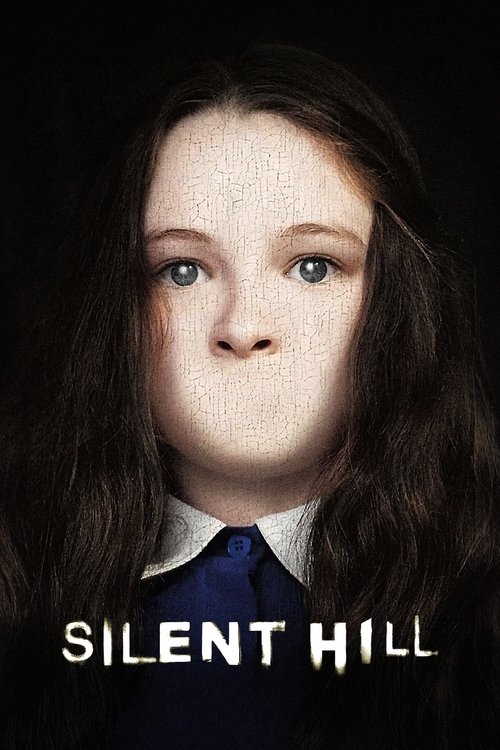
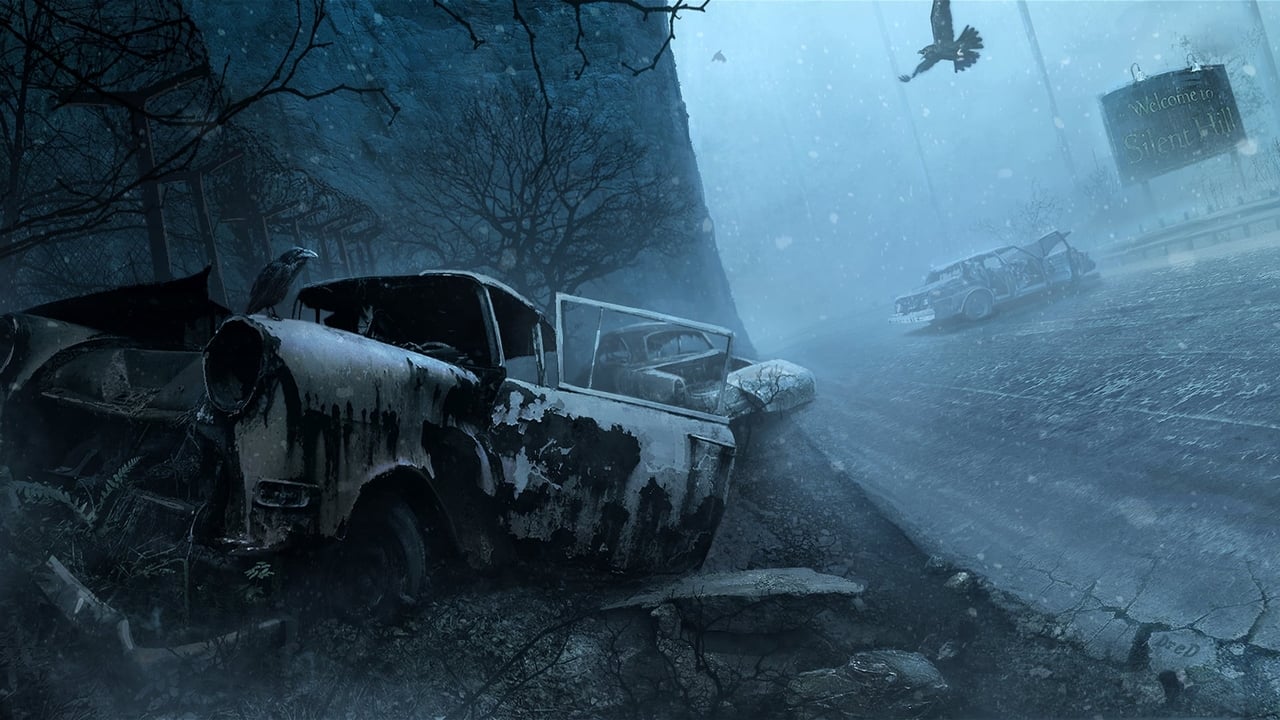
There is a specific, crunchy texture to the air in Christophe Gans’ Silent Hill that I’ve never quite found in another horror film. It’s the look of falling ash, mimicking snow but carrying the weight of a town’s incinerated conscience. Back in 2006, the "video game movie" was a punchline, usually reserved for the tax-shelter schemes of Uwe Boll. But Gans, a man who clearly spent his nights clutching a PlayStation controller with white knuckles, decided to treat the source material like sacred scripture. I watched this again recently on a laptop with one functioning speaker while eating a lukewarm bowl of leftover pad thai, and even with that subpar setup, the atmosphere managed to crawl out of the screen and turn my living room cold.
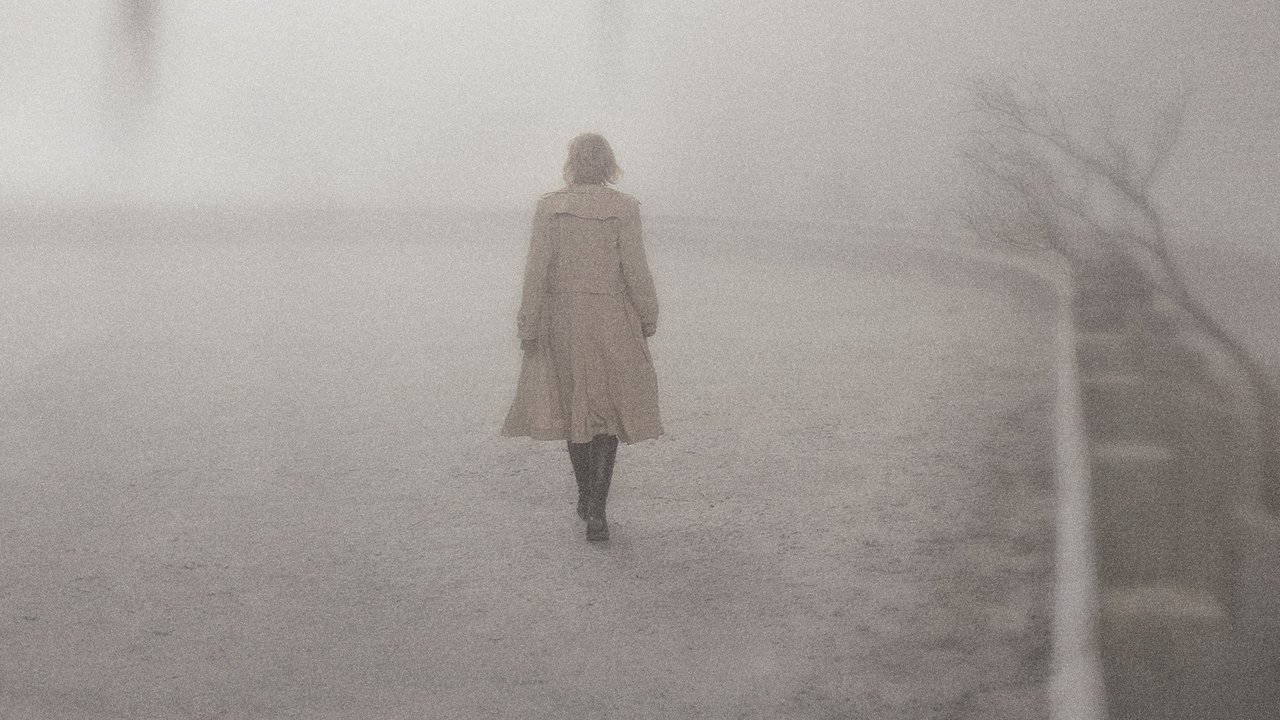
The Beauty of Peeling Reality
Most horror films from the mid-2000s are trapped in a purgatory of muddy "gritty" filters and early-CGI experiments that look like a bowl of digital soup today. Silent Hill is different. Gans and cinematographer Dan Laustsen (who would later give The Shape of Water its dreamy glow) understood that the horror of this franchise isn't just about things jumping out of closets; it’s about the environment itself being hostile.
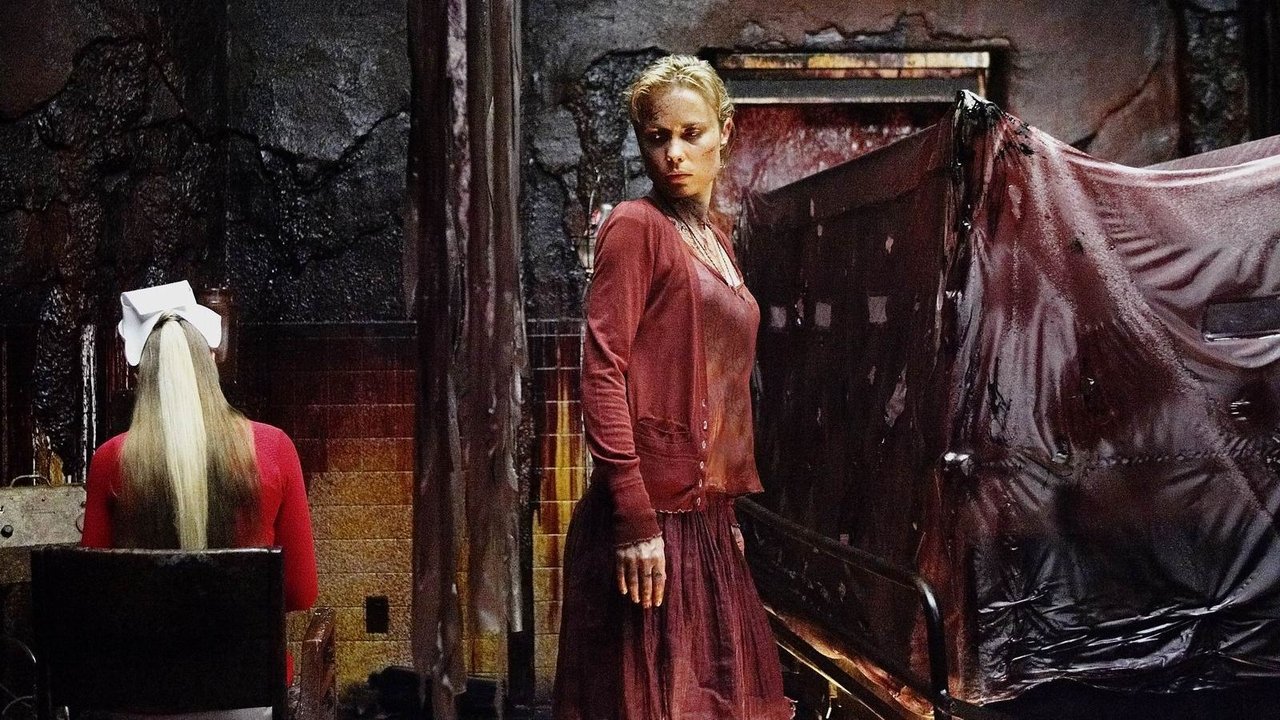
The transition scenes, where the world literally peels away like burnt skin to reveal a rusted, industrial nightmare, remain some of the most impressive technical feats of that decade. While they used digital effects to stitch it together, the film relies heavily on massive, practical sets. There’s a tactile filth to the school and the hospital that makes you want to go take a tetanus shot immediately after the credits roll. It’s a bridge between the 90s obsession with practical grime and the encroaching digital age, and it looks better than almost any big-budget horror movie released in the last five years.
Monsters, Dancers, and a Pointless Subplot
If you want to know why the creatures in this movie feel so genuinely "wrong," it’s because they weren't just rendered on a hard drive. Most of the nightmares, from the twitching "Grey Children" to the iconic Pyramid Head, were portrayed by professional dancers and contortionists in elaborate latex suits. Roberto Campanella, who played Pyramid Head, had to balance a massive, heavy helmet while walking on hidden stilts. That physical presence translates to a weight on screen that CGI simply can’t replicate.
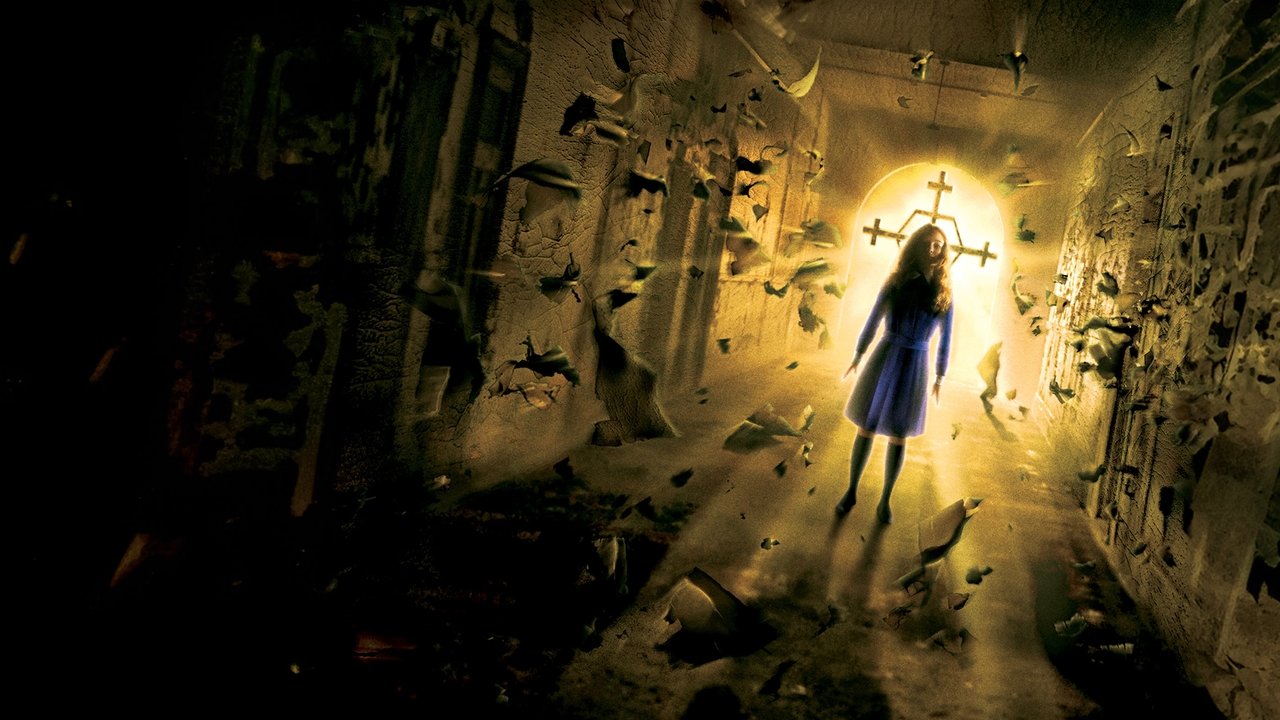
However, the film isn't perfect, and its flaws are a direct byproduct of the era’s studio interference. Radha Mitchell is excellent as Rose, the mother searching for her daughter Sharon (Jodelle Ferland), and her journey through the fog alongside Laurie Holden’s tough-as-nails Cybil Bennett is compelling enough on its own. But the studio (TriStar) reportedly panicked at the idea of an all-female lead cast. They forced screenwriter Roger Avary (who co-wrote Pulp Fiction) to shoehorn in a secondary plot featuring Sean Bean as the husband, Christopher.
Every time the movie cuts back to Sean Bean walking through a perfectly normal-looking town while looking at old files, the tension evaporates. Watching Sean Bean look at dusty paperwork is the cinematic equivalent of hitting a speed bump at sixty miles per hour. It’s a classic example of "Modern Cinema" executive meddling—a lack of trust in the audience to follow a purely atmospheric, female-driven descent into madness.
The Sound of a Dying Town
I have to mention the score, because without it, this would be a very different experience. Gans had the wisdom to bring in Akira Yamaoka, the original composer for the games, alongside Jeff Danna. The music doesn't just provide "scary sounds"; it uses industrial clanging, trip-hop beats, and melancholic piano to create a sense of profound loneliness. When that siren blares—a low, mournful mechanical wail—it doesn't just signal a monster encounter. It signals a shift in the universe. It’s one of the few horror films where the sound design is as much of a character as the actors.
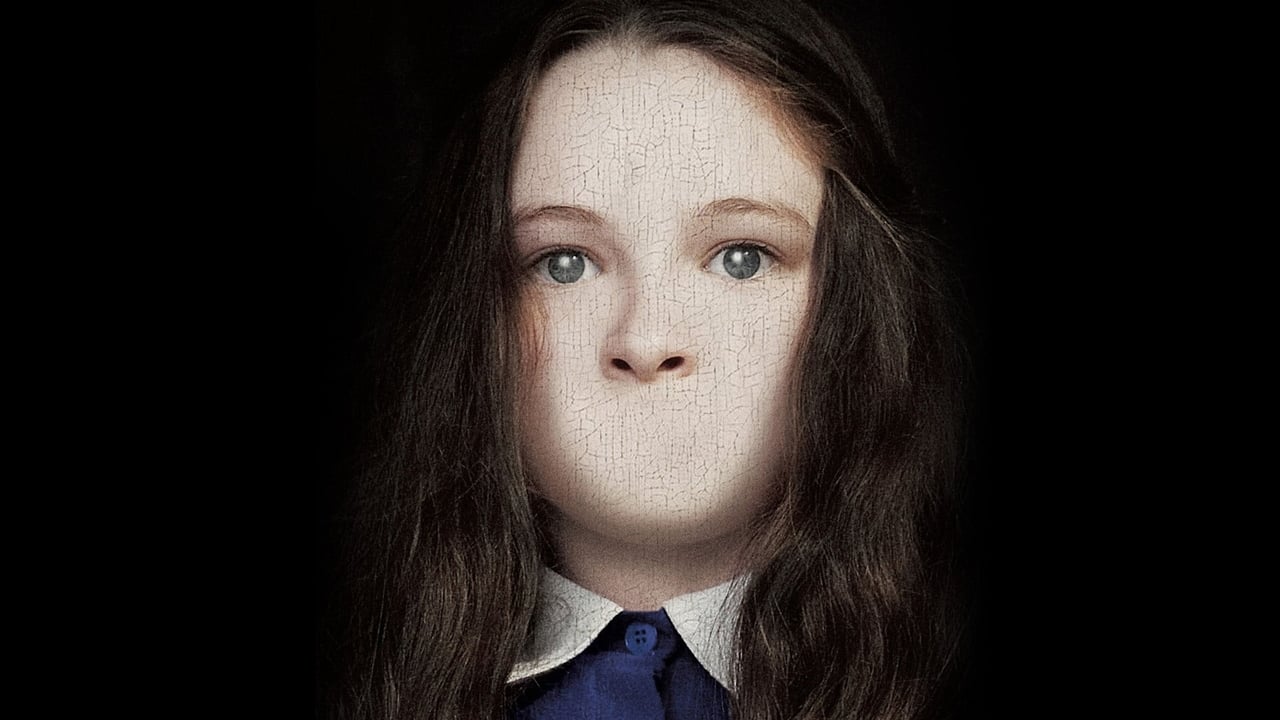
Interestingly, the town of Silent Hill was inspired by the real-life ghost town of Centralia, Pennsylvania, which has been burning from an underground coal mine fire since 1962. That bit of trivia always makes the movie scarier to me; the idea that the ground beneath our feet could just be perpetually on fire, waiting for a crack to open up, is far more unsettling than any demon with a pyramid for a head.
Despite a script that occasionally collapses under the weight of its own convoluted lore and a "Husband Subplot" that belongs in the trash, Silent Hill is a triumph of style and atmosphere. It captures a specific moment in the mid-2000s when filmmakers were desperately trying to prove that digital tools could enhance practical nightmares rather than replace them. It’s a lush, terrifying, and deeply weird film that respects its audience's intelligence—mostly. If you can ignore the clunky exposition at the end, it’s arguably the most visually stunning horror adaptation ever put to film.
Keep Exploring...
-

Silent Hill: Revelation 3D
2012
-
Case 39
2009
-

Red Riding Hood
2011
-
Brotherhood of the Wolf
2001
-
From Hell
2001
-

Ghost Ship
2002
-

Final Destination 2
2003
-
House of Wax
2005
-
The Skeleton Key
2005
-
Pandorum
2009
-
Devil
2010
-

Let Me In
2010
-
The Crazies
2010
-
Scream 4
2011
-
The Skin I Live In
2011
-
The Thing
2011
-
Event Horizon
1997
-
The Devil's Advocate
1997
-
Sleepy Hollow
1999
-
Twin Peaks: Fire Walk with Me
1992