Slither
"Better stock up on the Drano."

There is a specific, squelching joy in watching a movie that refuses to apologize for being gross. I’m not talking about the mean-spirited, "torture-porn" cynicism that dominated the mid-2000s horror landscape thanks to the Saw and Hostel clones. No, I mean the kind of slime-drenched, creature-feature enthusiasm that feels like it was cooked up by a mad scientist who grew up on a steady diet of Fangoria magazines and forbidden VHS rentals. James Gunn’s 2006 directorial debut, Slither, is exactly that. It is a movie that knows it’s a B-movie, but it has the budget and the brains to act like a masterpiece.

I watched this on a Tuesday night while trying to fix a leaky faucet, and let me tell you, looking at plumbing after seeing alien slugs crawl into drains is a special kind of psychological warfare. It’s also a reminder of why this film is such a fascinating artifact of its era. Released in 2006, it arrived at a time when Hollywood was desperately trying to figure out how to bridge the gap between old-school practical effects and the emerging dominance of CGI. Slither stands with one foot in each world, and it’s all the better for it.
The King of the Gross-Out
Long before he was the mastermind behind the Guardians of the Galaxy or the architect of a new DC universe, James Gunn was a protégé of Lloyd Kaufman at Troma Entertainment. You can feel that DNA in every frame of Slither. It’s a film that delights in the biology of its monsters. When a meteor crashes into the small town of Wheelsy, South Carolina, it releases a parasite that infects the local wealthy jerk, Grant Grant (played with disturbing commitment by Michael Rooker).
Watching Michael Rooker transform from a grumpy husband into a sentient pile of ham is one of the great practical effects triumphs of the decade. The makeup team, led by Todd Masters, created something that feels truly organic and repulsive. It’s wet, it’s pulsing, and it looks like it smells terrible. While the film does use CGI—mostly for the sheer volume of the red, undulating slugs that eventually swarm the town—it’s the physical, tactile stuff that sticks with you. It’s a love letter to films like John Carpenter’s The Thing and Fred Dekker’s Night of the Creeps, proving that early 2000s digital effects worked best when they were augmenting a physical prop rather than replacing it.
A Cast That Actually Cares
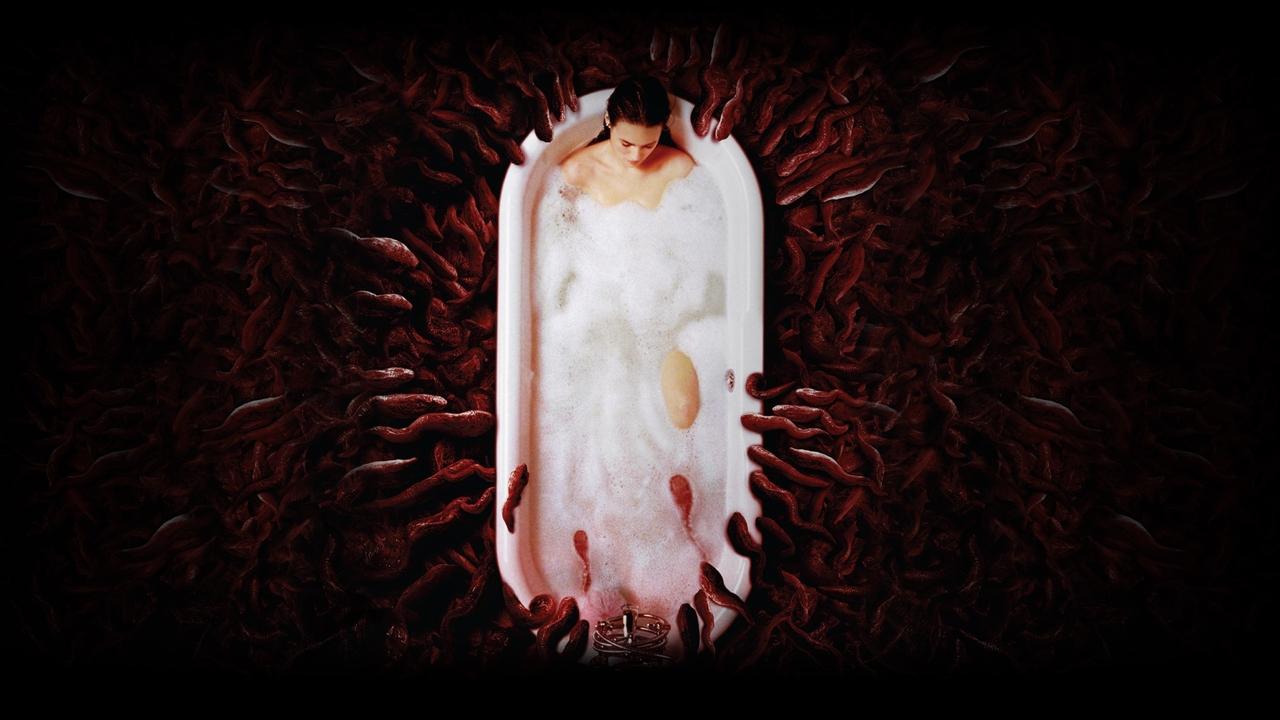
Usually, in a "small town gets eaten" movie, the characters are just cardboard cutouts waiting for their turn in the blender. But Slither has a secret weapon: its cast. Nathan Fillion, fresh off the premature death of Firefly, plays Police Chief Bill Pardy. He brings a deadpan, exhausted charm to the role that is purely his own. He’s the guy who just wanted a quiet shift but is now forced to deal with a town full of "meat-creatures," and his performance is the anchor the movie needs.
Then there’s Elizabeth Banks as Starla, Grant’s wife. She doesn't play the "scream queen" trope; she plays a woman trying to process the fact that her husband is turning into a multi-tentacled parasite. The chemistry between her and Nathan Fillion is surprisingly sweet, providing a heart that keeps the movie from becoming a mere exercise in gore. And we have to talk about Gregg Henry as the foul-mouthed Mayor Jack MacReady (a direct nod to Kurt Russell's character in The Thing). His obsession with Mr. Pibb is the kind of specific, weird character detail that James Gunn excels at. He’s arguably the most annoying man in South Carolina, but you can’t help but want him to survive just to hear what he’ll complain about next.
Why Did This Disappear?
Despite the pedigree and the rave reviews from horror aficionados, Slither was a massive box office flop. It’s one of those classic "wrong place, wrong time" scenarios. In 2006, the mainstream audience was gravitating toward the "prestige horror" of The Departed or the grimness of the aforementioned torture subgenre. A movie about giant space slugs and a girl turning into a massive, distended balloon in a barn was perhaps a bit too "niche" for the mid-aughts multiplex.
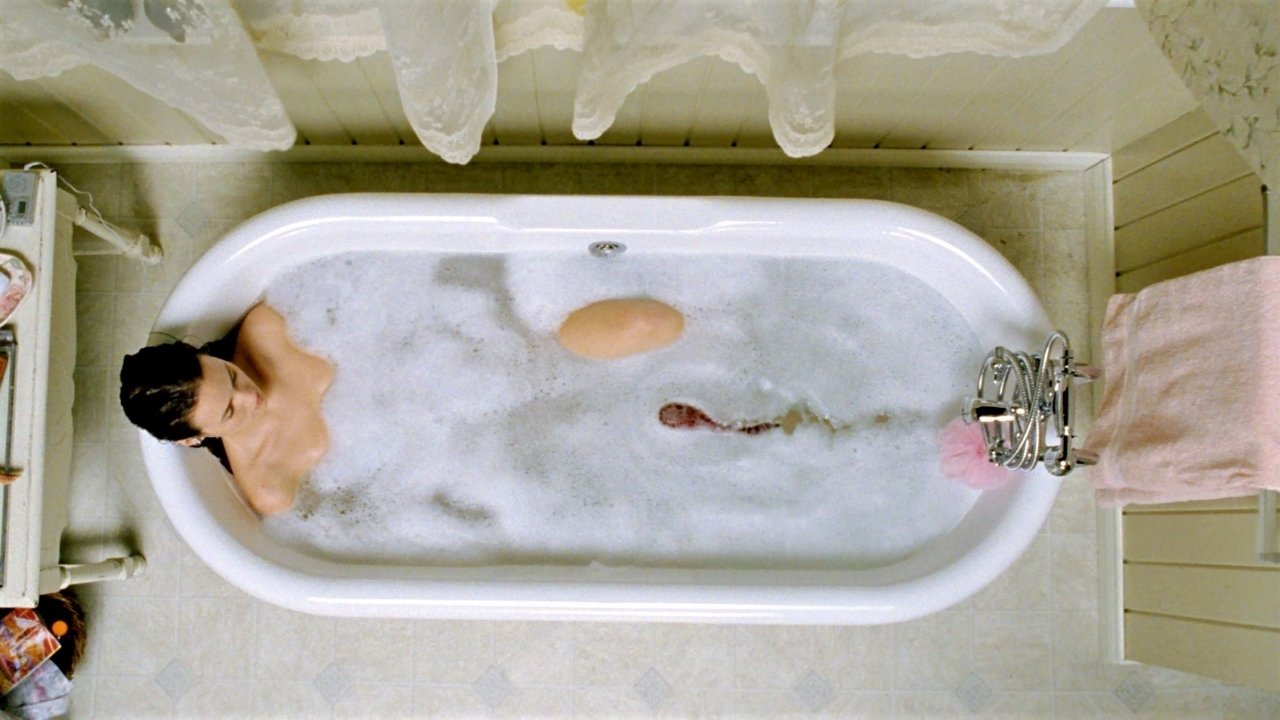
Looking back, the film also suffered from a marketing campaign that couldn't quite decide if it was a scary movie or a funny one. Today, we call that "genre-blending" and we love it, but in 2006, audiences liked their buckets of popcorn served with a side of clear expectations. The DVD culture of the time eventually saved it, though. I remember the "Slither" DVD being a staple of late-night dorm room viewing—the kind of disc you’d pass around to friends with the warning, "You have to see the bathtub scene." It was built for that second life, filled with the kind of behind-the-scenes features that made you appreciate the craftsmanship behind the slime.
Ultimately, Slither is a high-water mark for the horror-comedy genre. It manages to be genuinely unsettling one moment and laugh-out-loud funny the next, without ever undercutting its own stakes. It’s a testament to James Gunn’s voice as a writer and director—a voice that finds the humanity in the monstrous and the humor in the horrific. It’s the cinematic equivalent of a wet sneeze, but in the best way possible.
If you’ve missed out on this one because it fell through the cracks of the mid-2000s, it’s time to rectify that. It captures a specific moment in cinema where a director could get $15 million to make a movie that looks like someone sneezed into a bucket of strawberry jam. It’s messy, it’s loud, and it’s a total blast. Just maybe skip the ribs for dinner before you hit play.

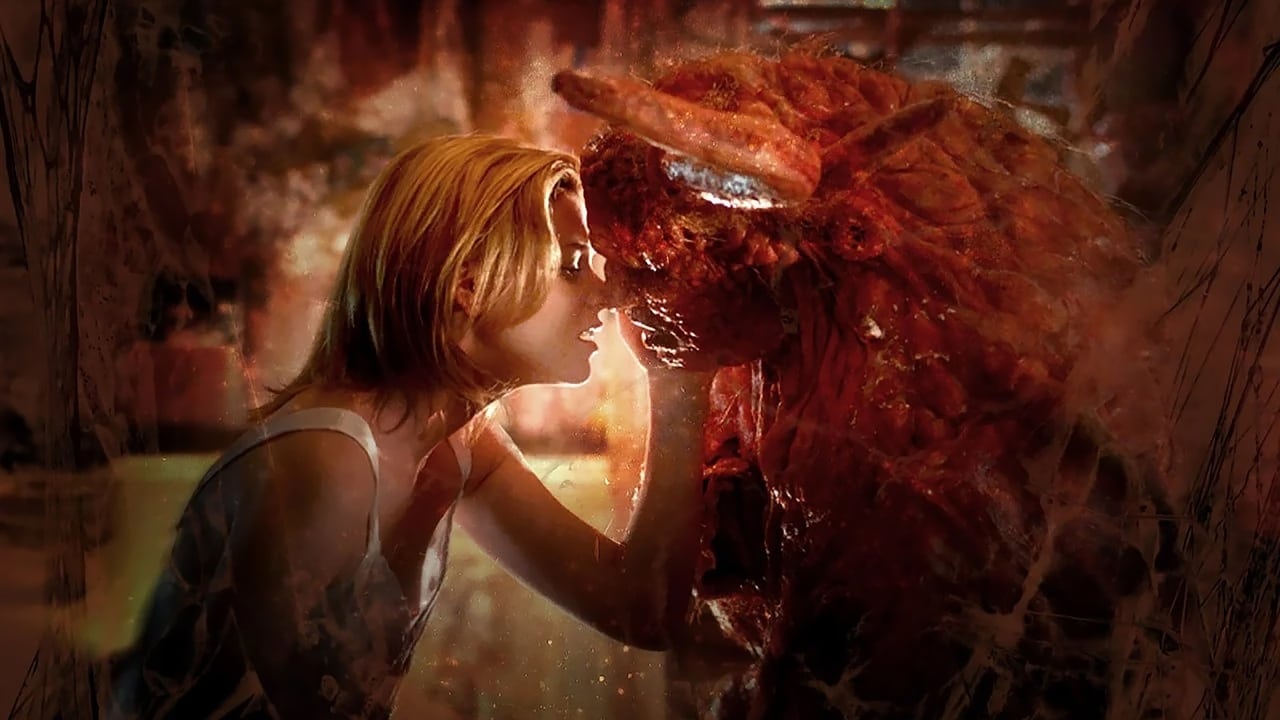
Keep Exploring...
-
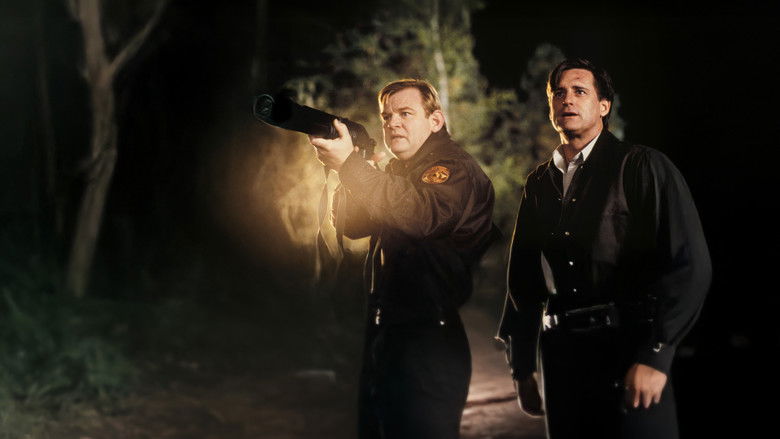
Lake Placid
1999
-

Super
2010
-
Jimmy Neutron: Boy Genius
2001
-

Eight Legged Freaks
2002
-

S1m0ne
2002
-
Tremors
1990
-
Osmosis Jones
2001
-

Lilo & Stitch 2: Stitch Has a Glitch
2005
-

Bill & Ted's Bogus Journey
1991
-
Teenage Mutant Ninja Turtles II: The Secret of the Ooze
1991
-

Buffy the Vampire Slayer
1992
-

The Frighteners
1996
-

Iron Sky
2012
-
Land of the Dead
2005
-

Mystery Men
1999
-

Spy Kids
2001
-
Spy Kids 2: The Island of Lost Dreams
2002
-

Trick 'r Treat
2007
-

Journey to the Center of the Earth
2008
-
Aliens in the Attic
2009