Step Up
"Baggy jeans, ballet shoes, and a career-defining spark."

There is a specific, sun-drenched sincerity to the year 2006 that we just don't see in cinema anymore. It was a time when a backwards baseball cap was a personality trait, flip phones were the height of chic, and the "wrong side of the tracks" trope was being hammered into our collective consciousness by every studio executive in Burbank. But standing at the summit of that mid-2000s mountain of denim and angst is Step Up, a film that had absolutely no right to be as charismatic as it ended up being.

I recently rewatched this while eating a bowl of cereal that had gone slightly soggy because I got distracted by the opening credits, and honestly, the mushy cornflakes were the perfect metaphor for my nostalgia. Step Up is comfortable, predictable, and undeniably sweet. It’s the cinematic equivalent of a hoodie you’ve owned since high school—maybe the elbows are worn out, but you aren't throwing it away.
The Spark That Launched a Thousand Ships (and Sequels)
Let’s be honest: we are all here for the chemistry. Before Channing Tatum was a household name or a comedic powerhouse in 21 Jump Street (2012), he was Tyler Gage, a Baltimore delinquent with a "troubled" past and a gift for freestyle dancing that apparently required no formal training but maximum brooding. Looking back, Tyler Gage is essentially a golden retriever who occasionally vandals schools.
Opposite him is Jenna Dewan as Nora Clark, the polished ballerina whose senior showcase is in jeopardy. This was the era of the "Dance Movie Boom," following in the footsteps of Save the Last Dance (2001) and Honey (2003), but Step Up captured lightning in a bottle. Why? Because the leads actually fell in love. You can see it in the way they look at each other during the rooftop rehearsal scene. It isn't just acting; it’s two people realizing they’re going to be married for the next nine years.
Director Anne Fletcher, who moved from choreography into the director’s chair here (and later gave us The Proposal), understands that the "drama" in a dance drama is just the bridge between the performances. She lets the camera linger on the athleticism. Channing Tatum moves with a heavy, rhythmic grace that makes you realize why he eventually became Magic Mike. He isn't just hitting marks; he’s taking up space.
A Small Budget with a Massive Rhythm

From a production standpoint, Step Up is a fascinating case study in the Modern Cinema era's transition. It was produced by Touchstone Pictures on a relatively modest $12 million budget. It didn't have the CGI spectacles of The Matrix or the franchise weight of Harry Potter, yet it grossed over $114 million. That is an insane return on investment. It proved to Hollywood that you didn't need a cape or a lightsaber to dominate the watercooler talk—you just needed a catchy soundtrack and a guy who could do a backflip out of a b-boy stance.
The film leans heavily into the DVD culture of the time. I remember the original release being packed with "how-to-dance" special features and music videos from Ciara and Sean Paul. It was designed to be rewatched, paused, and practiced in suburban living rooms. In retrospect, the film’s success launched a massive five-film franchise and a television series, effectively creating a "Dance Cinematic Universe" before the MCU had even cleared its throat.
The Weight of the Streets
While we remember the dancing, the film tries surprisingly hard to be a "serious" drama. The subplot involving Tyler’s best friend Mac (Damaine Radcliff) and the tragic fate of his younger brother, Skinny, provides the film's moral compass. It’s meant to ground the fluff of the performing arts school in the "real world" of Baltimore.
Does it always work? Not really. The secondary plot about car theft feels like it wandered in from a different, much grittier movie. When Rachel Griffiths, playing the stern Director Gordon, talks about "opportunity" and "talent," it feels like a different universe than the one where kids are stealing Hummers for fun. But that’s the charm of the 2000s drama—it wears its heart and its social commentary on its oversized sleeve, even if it's a bit clumsy.
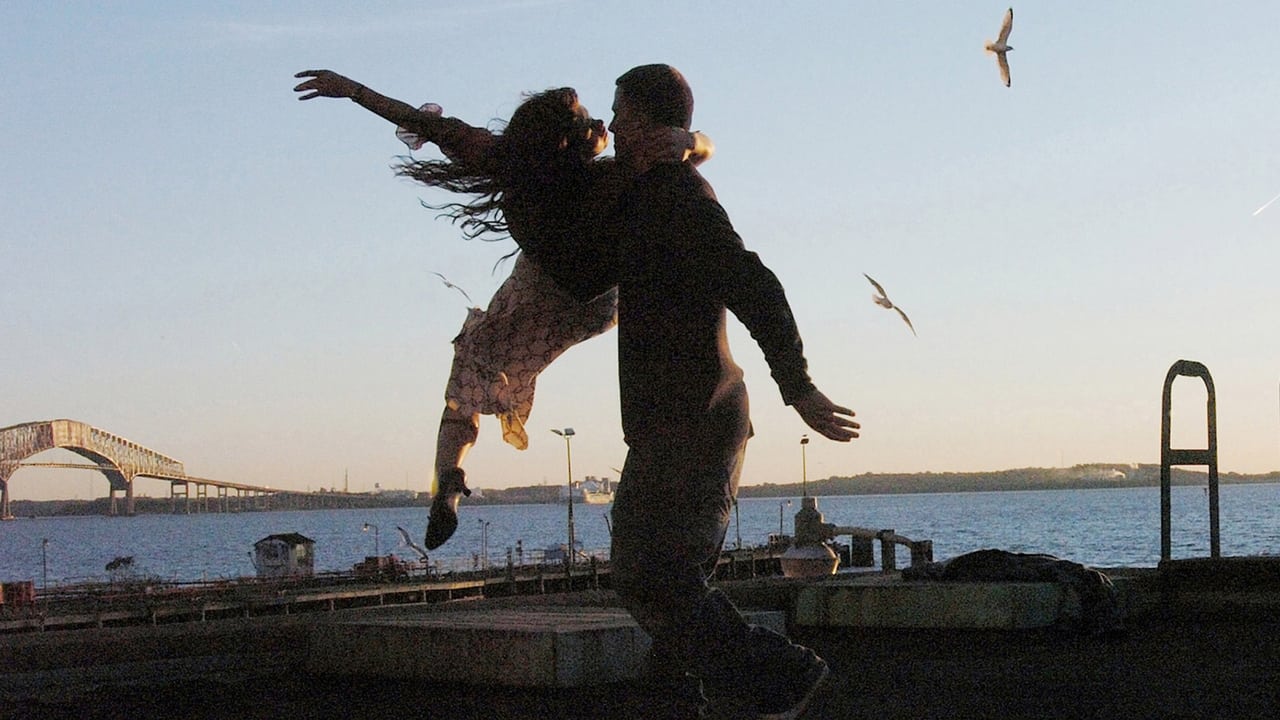
The script, co-written by Melissa Rosenberg (who would go on to pen the Twilight saga), hits every expected beat. There’s the "disappointed mother," the "arrogant boyfriend who doesn't understand art," and the "final performance where everything comes together." But even when the dialogue leans into clichés, the performances feel earned. Jenna Dewan brings a genuine vulnerability to Nora, making her more than just a girl in a leotard waiting for a rebel to save her.
Ultimately, Step Up is a time capsule. It captures that brief window where we still believed that a dance-off could solve systemic poverty and that the only thing standing between a delinquent and a scholarship was a well-timed pirouette. It’s a film that thrives on its own earnestness.
It isn't a masterpiece of subtle storytelling, but it is a masterclass in star-making. Watching a young Alyson Stoner (who went on to be a dance icon in her own right) hold her own against Tatum is a joy, and the final dance sequence—a fusion of contemporary ballet and hip-hop—still holds up as a legitimately thrilling piece of choreography. If you’re looking for a 5-minute distraction that turns into a 104-minute nostalgia trip, you could do a lot worse than stepping up to this one.


Keep Exploring...
-

Step Up 2: The Streets
2008
-

Step Up Revolution
2012
-
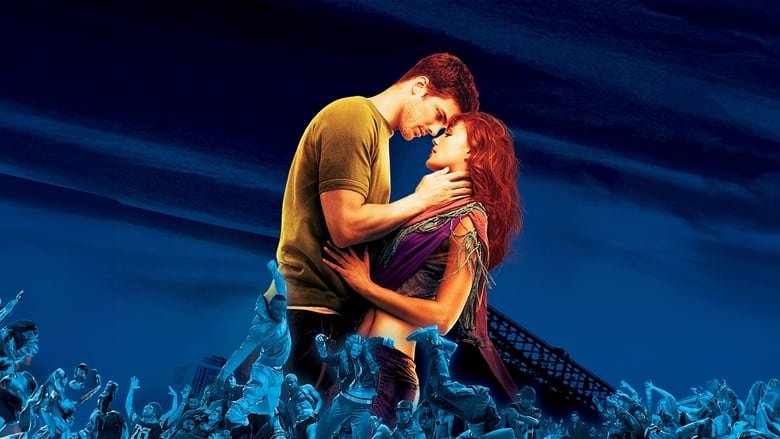
Step Up 3D
2010
-

Step Up All In
2014
-
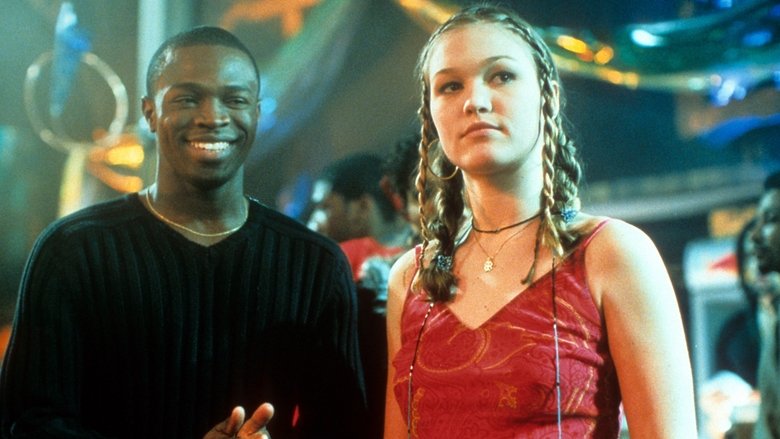
Save the Last Dance
2001
-
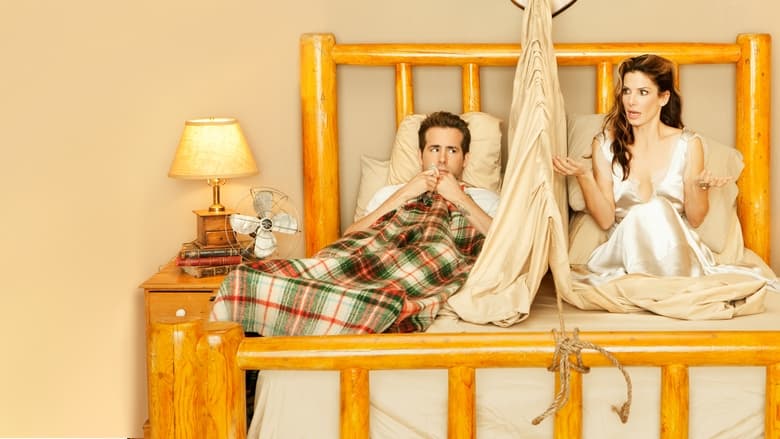
The Proposal
2009
-
Walk the Line
2005
-

High School Musical 3: Senior Year
2008
-

Hannah Montana: The Movie
2009
-
Moulin Rouge!
2001
-
27 Dresses
2008
-

Twilight
2008
-

The Twilight Saga: New Moon
2009
-

The Twilight Saga: Eclipse
2010
-
Confessions of a Dangerous Mind
2002
-

Honey
2003
-

Raise Your Voice
2004
-
Get Rich or Die Tryin'
2005
-

High School Musical 2
2007
-

Nick and Norah's Infinite Playlist
2008