Stranger Than Fiction
"He’s the main character in a story he didn't write."
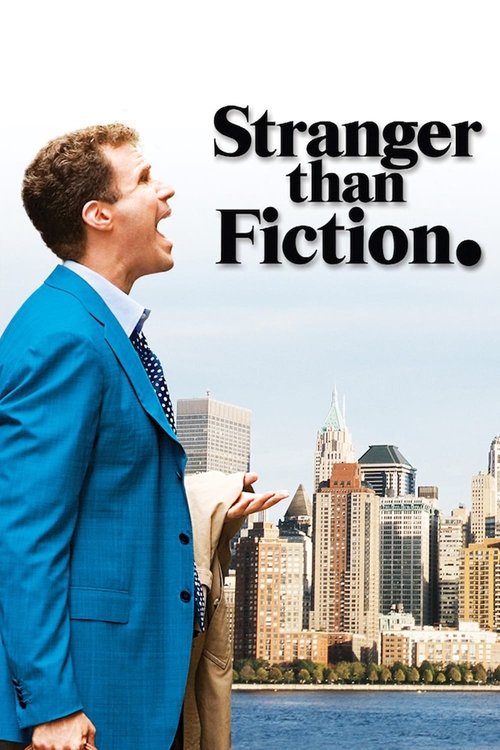
Most IRS agents are effectively invisible, but Harold Crick is so profoundly boring he’s actually audible. I watched this again last Tuesday while a leaky faucet in my kitchen dripped with a rhythm that matched Harold’s wristwatch, and for a second, I genuinely worried a British woman might start describing my inability to find a matching pair of socks. That’s the magic of this 2006 gem; it takes the crushing weight of a mundane existence and turns it into a high-stakes metaphysical thriller where the villain isn't a monster, but a period at the end of a sentence.
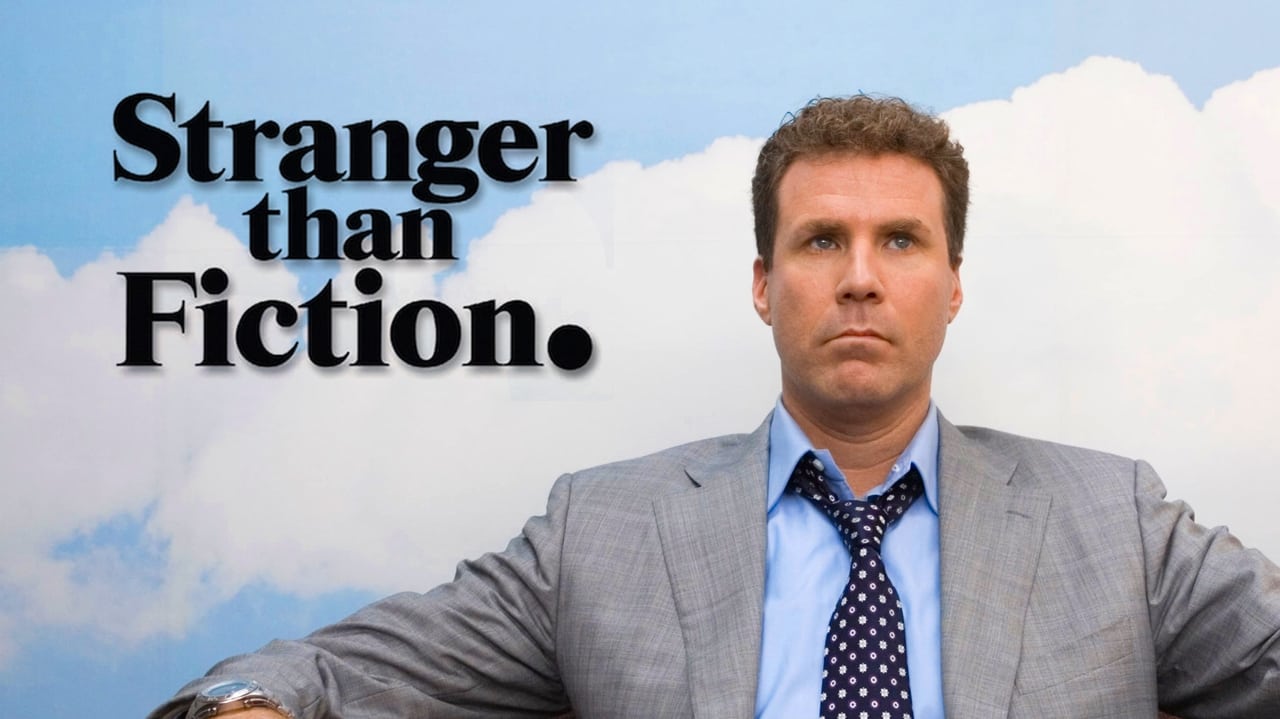
The Man Who Counted His Brushstrokes
By 2006, we all thought we had Will Ferrell figured out. He was the guy who stayed in his underwear, screamed about glass cases of emotion, and dominated the box office with a brand of chaotic, loud-mouthed absurdity. Then came Stranger Than Fiction, and Ferrell essentially deleted his own personality to play Harold. It is a performance of incredible restraint. He moves like a man made of graph paper, counting his toothbrush strokes and timing his walk to the bus with a terrifying precision.
When Harold starts hearing the voice of an author (Emma Thompson) narrating his life—and specifically forecasting his imminent death—Ferrell doesn't go into full "Ron Burgundy" panic mode. Instead, he offers a quiet, escalating bewilderment that is far more heartbreaking. Looking back from an era where every comedian tries to "go dark" for an Oscar nod, Ferrell’s work here feels remarkably sincere. He isn't acting "sad"; he’s acting "empty," which makes his eventual filling-up much more satisfying.
The mid-2000s were a fascinating time for these "high-concept" indie-adjacent films. We were squarely in the wake of Eternal Sunshine of the Spotless Mind and Adaptation, where the screenplay was the undisputed star. Zach Helm’s script for Stranger Than Fiction fits right into that lineage, treating a fantastical premise with a grounded, almost bureaucratic logic.
Flirting with Flour and Literature

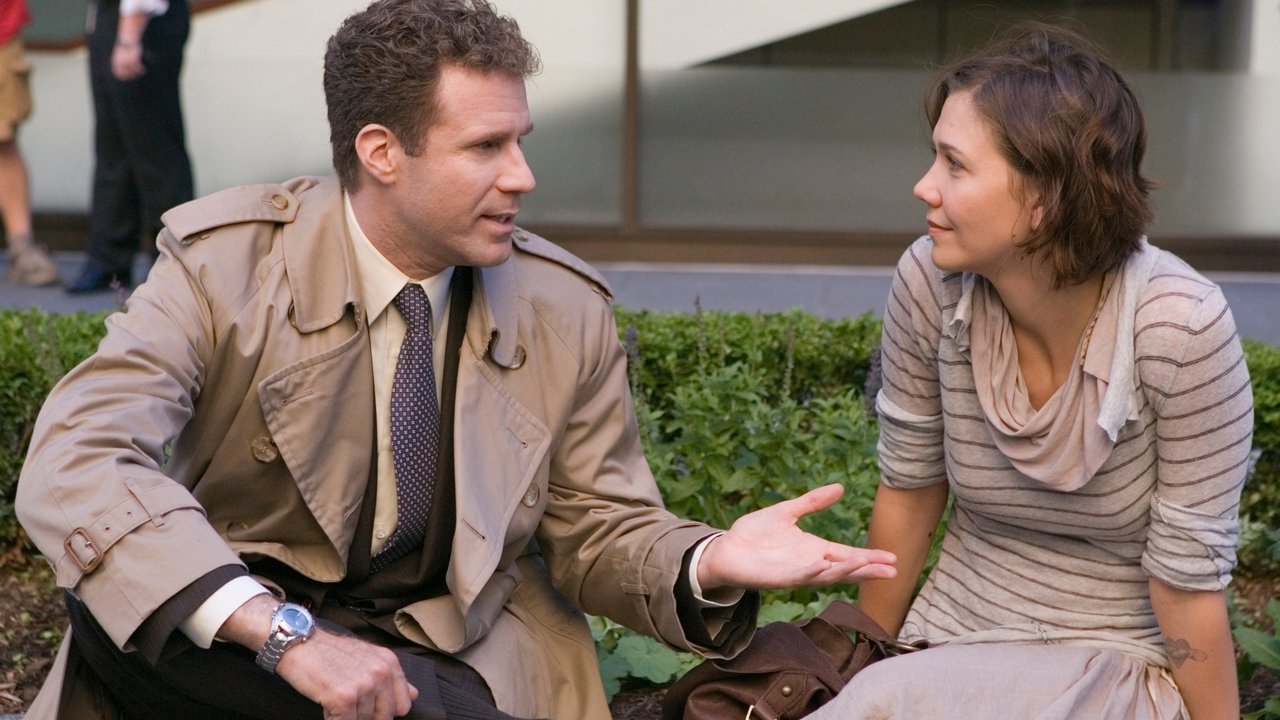
The film really finds its soul in the chemistry between Harold and Ana Pascal, played by a wonderfully defiant Maggie Gyllenhaal. Ana is a bakery owner who pays "the percentage of her taxes she agrees with" and views Harold as the literal personification of "The Man." Gyllenhaal brings a heat to the movie that prevents it from feeling like a cold intellectual exercise. The "I brought you flours" scene is arguably one of the most charming romantic gestures in 21st-century cinema, mostly because it’s so dorky and specific. I’ve seen enough rom-coms to know that a bouquet of roses is a lazy screenwriter’s crutch; a box of assorted flours is true love.
Meanwhile, the "meta" side of the story gives us Dustin Hoffman as Professor Jules Hilbert. Hoffman is clearly having the time of his life as a literature expert trying to diagnose whether Harold is in a comedy or a tragedy. He treats Harold’s impending death with the clinical curiosity of a man dissecting a frog. The way he evaluates the "predictability" of Harold’s life is a sharp jab at literary tropes that still feels fresh today.
The Math of a Cult Classic
What’s wild is how this movie survived its own production. It was a modest success, but it has grown into a massive cult favorite because it speaks to anyone who has ever felt like they’re just going through the motions. Apparently, the production was obsessed with numbers—just like Harold. If you look closely at the character names, they are almost all nods to famous scientists or mathematicians: Pascal, Eiffel, Escher, Crick, and Hilbert. It’s a geeky detail that adds layers to the "designed" feel of Harold’s world.
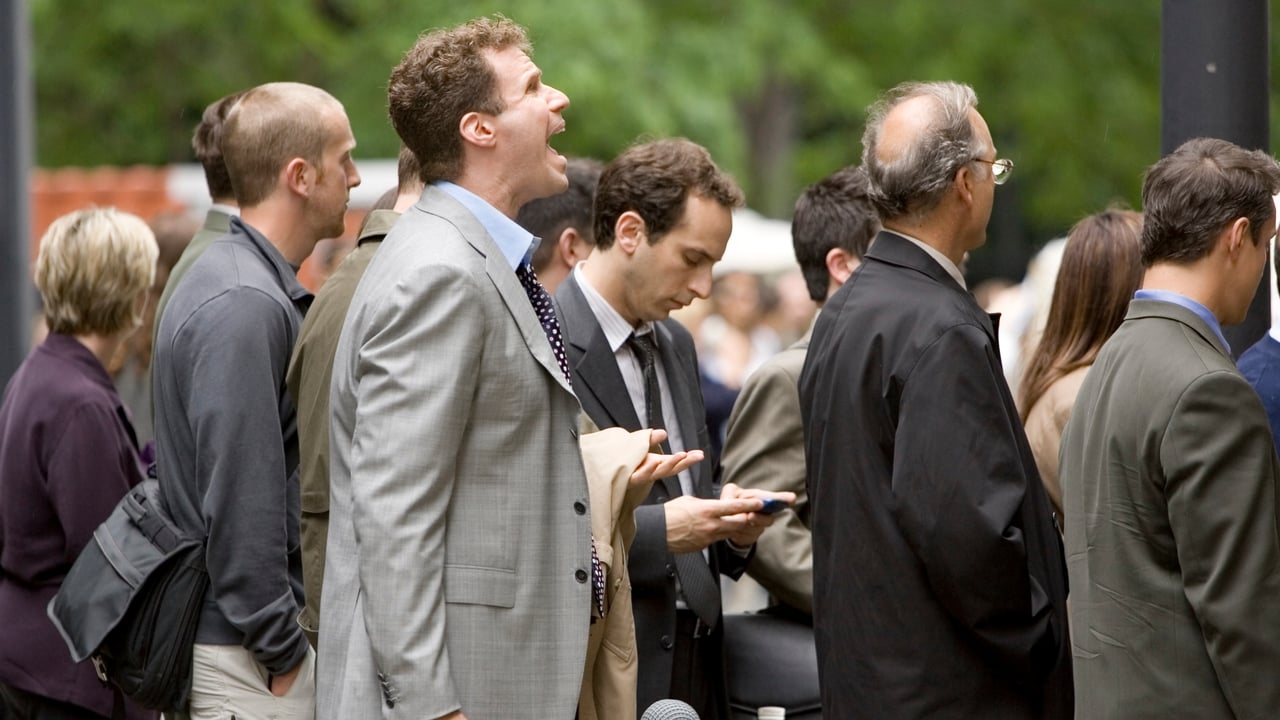
A few other bits of trivia I’ve picked up over the years: Will Ferrell actually learned to play the guitar for that "Whole Wide World" scene, and that raw, nervous energy is 100% real. Also, the "narrator" voice was actually recorded by Emma Thompson and played through an earpiece for Ferrell on set so his reactions would be genuine. It’s that kind of tactile, practical approach to a digital-era film that keeps it from feeling dated. Speaking of the era, the film uses these neat on-screen graphics to represent Harold’s internal HUD—a precursor to the "Sherlock-vision" we’d see years later, but used here to highlight his obsessive-compulsive prison rather than his brilliance.
The big debate among fans has always been the ending. Without spoiling it, some feel the movie pulls its punches, while others think the "correction" is the whole point. I lean toward the latter. The ending is a bold refusal to be miserable just for the sake of "art," which is a hot take in a world that usually equates tragedy with prestige. Director Marc Forster, fresh off Finding Neverland, managed to make a movie about an IRS agent that feels more life-affirming than a dozen superhero epics. It’s a film that demands you stop counting your toothbrush strokes and start eating the cookies. Just make sure they’re still warm.

Keep Exploring...
-
Just Like Heaven
2005
-
Punch-Drunk Love
2002
-
Groundhog Day
1993
-
High Fidelity
2000
-
The Family Man
2000
-

Camp Rock
2008
-
Ghost Town
2008
-

17 Again
2009
-
Secretary
2002
-
Hercules
1997
-
Kate & Leopold
2001
-
About a Boy
2002
-
Freaky Friday
2003
-
Casanova
2005
-
The Sisterhood of the Traveling Pants
2005
-
Aquamarine
2006
-

Penelope
2007
-
Nick and Norah's Infinite Playlist
2008
-
Love & Other Drugs
2010
-
Morning Glory
2010