Superman Returns
"The god who came back to find we’d moved on."
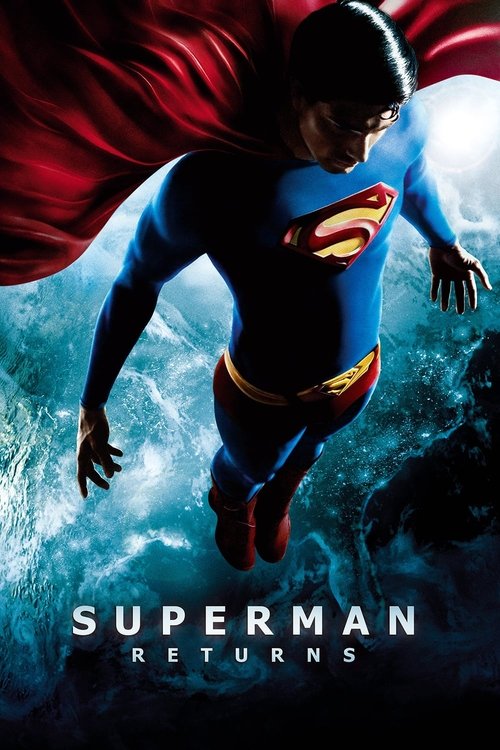
I remember sitting in a theater in 2006, clutching a lukewarm Cherry Coke that tasted mostly like tap water, waiting for the lights to dim. The hype for Superman Returns was tectonic. After nearly twenty years of development hell—with Tim Burton and Nicolas Cage almost giving us a long-haired, spider-fighting version of the Man of Steel—we finally had a director, Bryan Singer, who treated the character like holy scripture. But when the John Williams theme finally kicked in, I didn't feel the adrenaline I expected. Instead, I felt a strange, beautiful, and slightly confusing sense of mourning.
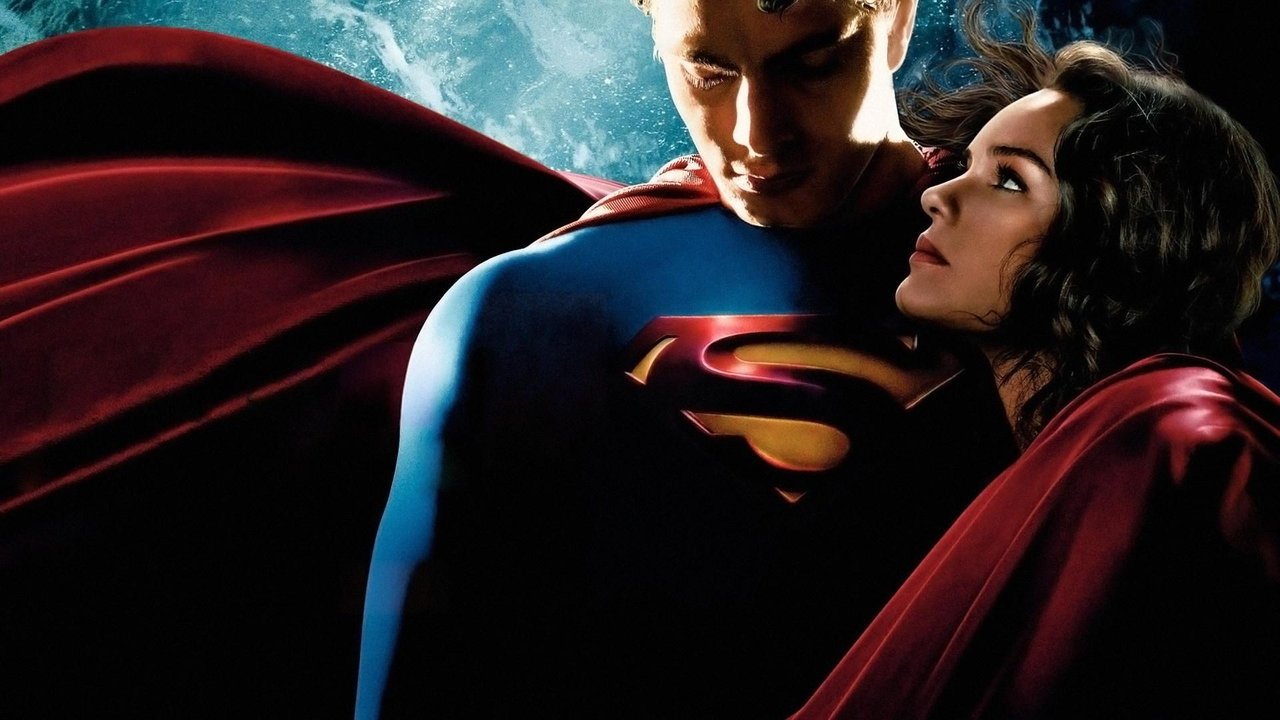
Looking back, Superman Returns is one of the most expensive pieces of fan fiction ever produced. It’s a movie that doesn’t just respect the 1978 original; it’s practically haunted by it. Brandon Routh stepped into the boots of the late Christopher Reeve with a performance that was less an interpretation and more a possession. He looks like a statue come to life, carrying a quiet, alien loneliness that was probably a bit too heavy for a summer blockbuster crowd looking for things to blow up.
A Masterclass in the "Almost" Action Beat
If you’re looking for the kinetic, city-leveling punch-fests of the modern MCU, this isn't that. Singer was obsessed with the physics of the savior, not the choreography of the fighter. However, we have to talk about the plane rescue. To this day, I’d argue it is one of the greatest action set pieces in superhero history.
The sequence involves a space shuttle attached to a Boeing 777, a failing release mechanism, and a stadium full of people. It’s a perfect blend of the mid-2000s CGI revolution and high-stakes tension. You can feel the weight of the plane as Superman tries to find a structural point that won’t just crumble under his hands. It’s not about how hard he hits; it’s about how much he can carry. But that’s also the film’s biggest hurdle: Superman is basically a celestial peeping tom with a savior complex who spends more time hovering outside windows than actually saving the day. After that plane sequence, the movie settles into a slow, somber rhythm that feels more like a 150-minute sigh.
The Weirdness Behind the Cape

The production of this film was a fascinatining bridge between the analog and digital eras. It was one of the first major films shot on the Panavision Genesis digital camera, giving it a soft, glowing, almost ethereal look that separates it from the gritty 35mm textures of the 90s. But the behind-the-scenes stories are where the real "cult" appeal lives.
Turns out, the studio was so concerned with the "legacy" that they spent a small fortune—around $10 million—just to secure the rights and technology to bring Marlon Brando back from the dead using archive footage and cutting-edge (for 2006) CGI. It was a digital resurrection that paved the way for the young Luke Skywalkers and Grand Moff Tarkins we see today.
Then there’s the trivia that fans still obsess over:
The "Bulge" Issue: Apparently, the original costume was so tight that the VFX team had to spend significant time and money digitally "smoothing out" Brandon Routh’s crotch area because it was deemed "too distracting" for a family film. The Marsden Sacrifice: James Marsden actually left the X-Men franchise to follow Singer to this movie. As a result, his character (Cyclops) was unceremoniously killed off in X-Men: The Last Stand, only for him to play "the other guy" here. Lex’s Scooter: Kevin Spacey famously zipped around the massive sets on a Segway, often staying in character and screaming at people to get out of his way. The Suit's Texture: The "S" shield on the chest is actually made up of thousands of tiny, microscopic "S" shields. If you look closely, it’s "S" all the way down. The Lost Sequel: There was a 100-page treatment for a sequel titled The Man of Steel* that involved a "New Krypton" crashing into the ocean and Brainiac arriving. It was scrapped because this movie "only" made $390 million.

Why It Lingers (and Why It Failed)
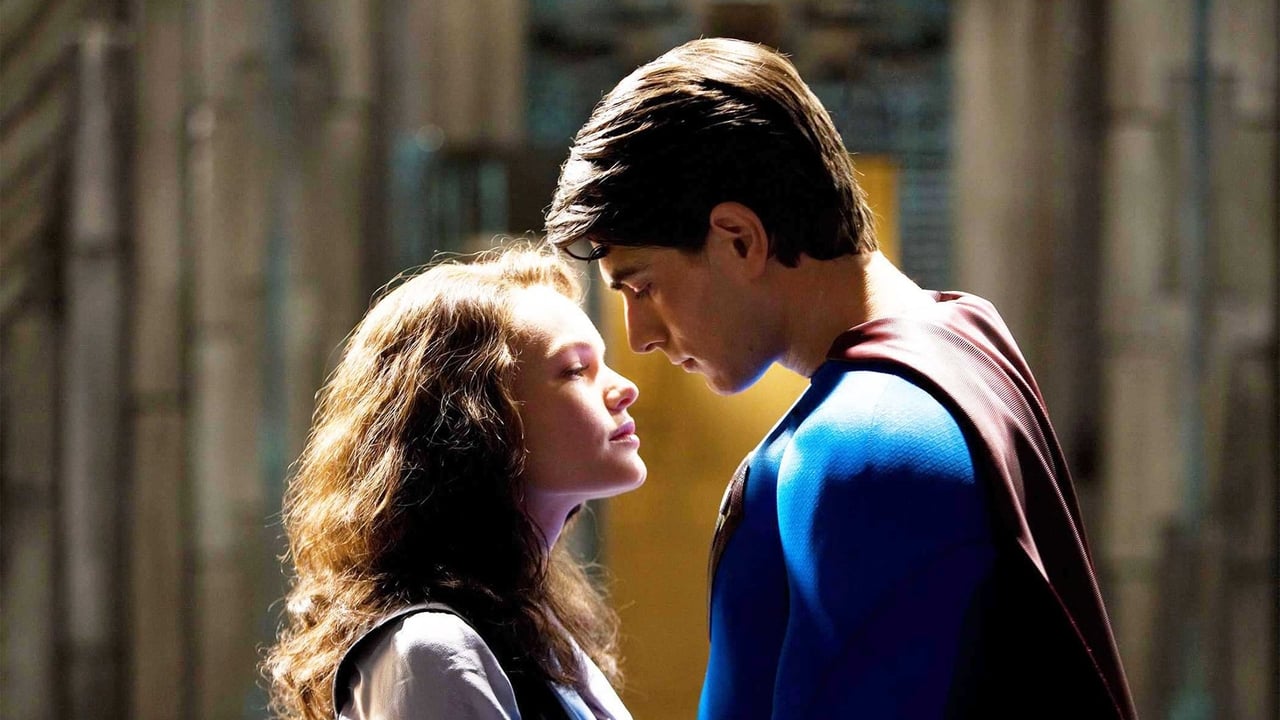
Watching it now, I’m struck by how much it reflects the post-9/11 anxiety of the mid-2000s. It asks the question: "Does the world need Superman?" The answer the movie gives is a resounding "Yes," but the audience at the time seemed to want a hero who was a little less mopey. Kate Bosworth struggles as Lois Lane; she’s talented, but she feels far too young to be a Pulitzer-winning mother who has moved on from the love of her life. Lois Lane has the investigative instincts of a golden retriever in this version, failing to realize the guy she's dating is the god who flew her around the moon five years ago.
Yet, there is a cultish beauty to its failure. It’s a movie made with immense love for a version of the character that had already passed into legend. It’s slow, it’s overly long, and it lacks a traditional "boss fight," but it has a soul. When Frank Langella as Perry White growls about the importance of a "scoop," or Parker Posey steals every scene as the dizzy but dangerous Kitty Kowalski, you see a movie that was trying to be a "prestige" drama disguised as a comic book flick.
Superman Returns is a fascinating relic of a time before the Marvel formula dictated that every twenty minutes must include a quip and an explosion. It is a lonely, gorgeous, and deeply flawed movie that treats its hero with more reverence than he probably knows what to do with. It didn't launch a new franchise, but it gave us one last look at the "Silver Age" of heroes before the world got much darker. It’s not the Superman movie we needed, but in its own weird, melancholy way, it’s the one we deserved to see at least once.

Keep Exploring...
-
X2
2003
-
X-Men: Days of Future Past
2014
-
Jack the Giant Slayer
2013
-

X-Men
2000
-
The Time Machine
2002
-
Hulk
2003
-
The Matrix Revolutions
2003
-
AVP: Alien vs. Predator
2004
-
The Island
2005
-

X-Men: The Last Stand
2006
-
Fantastic Four: Rise of the Silver Surfer
2007
-
Babylon A.D.
2008
-
Jumper
2008
-
The Incredible Hulk
2008
-

G.I. Joe: The Rise of Cobra
2009
-

X-Men Origins: Wolverine
2009
-
TRON: Legacy
2010
-
I Am Number Four
2011
-
Journey to the Center of the Earth
2008
-

Star Wars: The Clone Wars
2008