Tales from Earthsea
"A son's rebellion, a father's shadow, and a world out of balance."
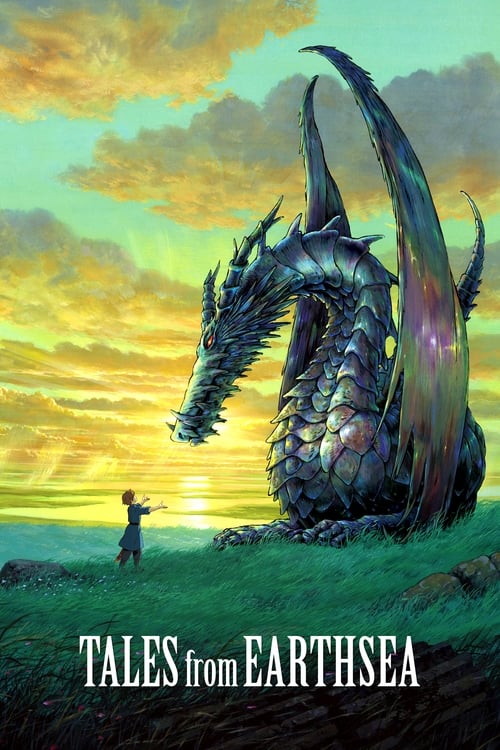
Imagine the pressure of being the crown prince of the most beloved animation studio on the planet. For Goro Miyazaki, making Tales from Earthsea wasn’t just a directorial debut; it was a public declaration of war against his father, the legendary Hayao Miyazaki. The production was so fraught that the elder Miyazaki famously walked out of a private screening, muttering that his son hadn't yet become an adult. That behind-the-scenes drama is, quite frankly, more epic than anything that made it onto the screen, but it’s the essential lens through which we have to view this strange, beautiful, and deeply flawed adventure.
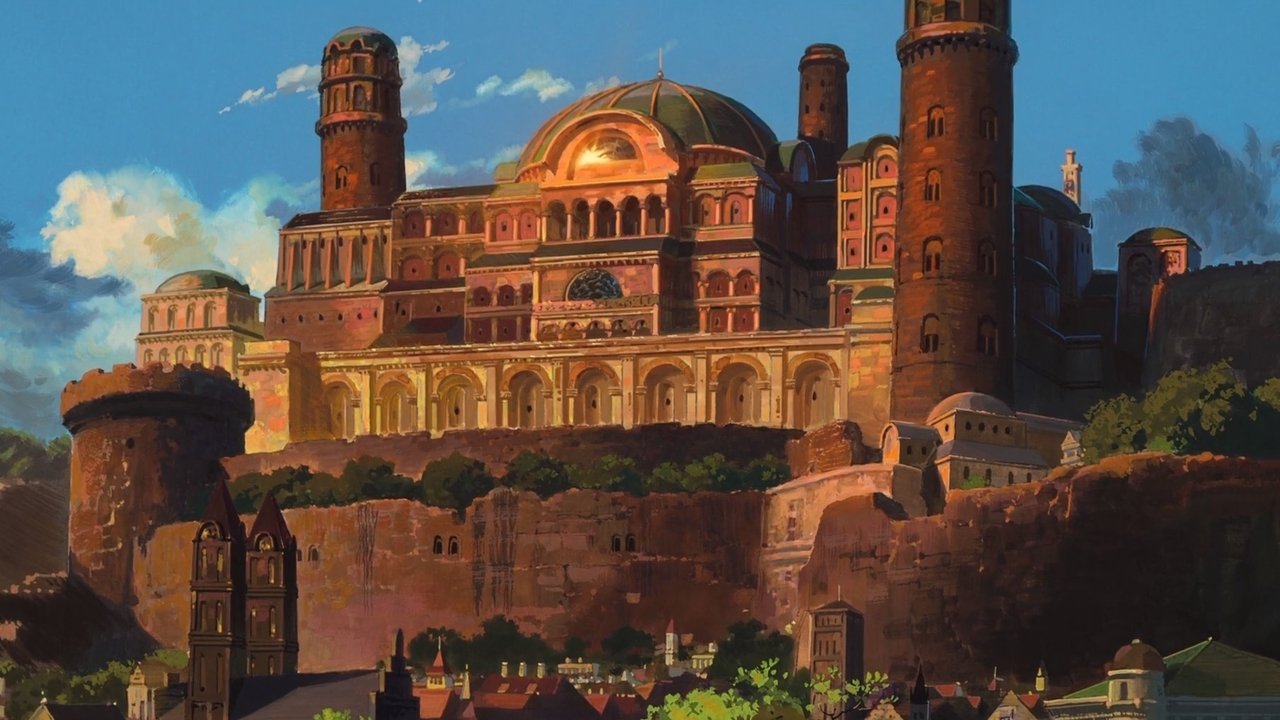
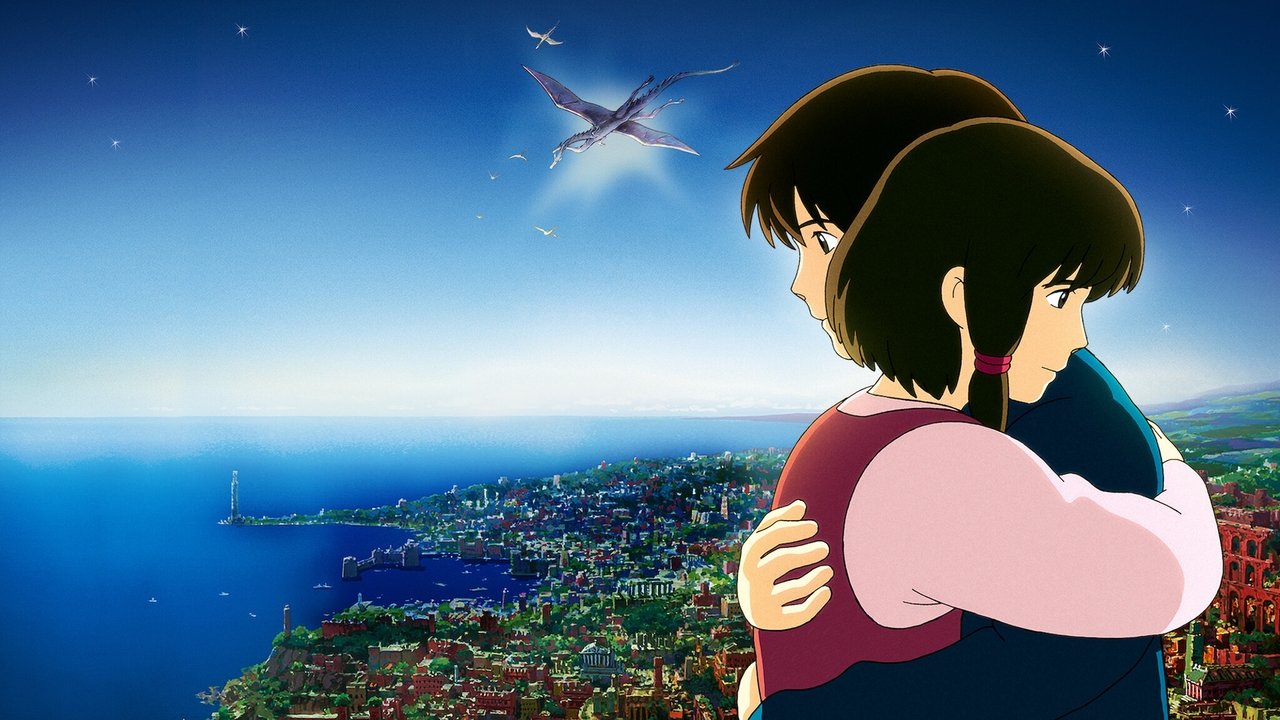
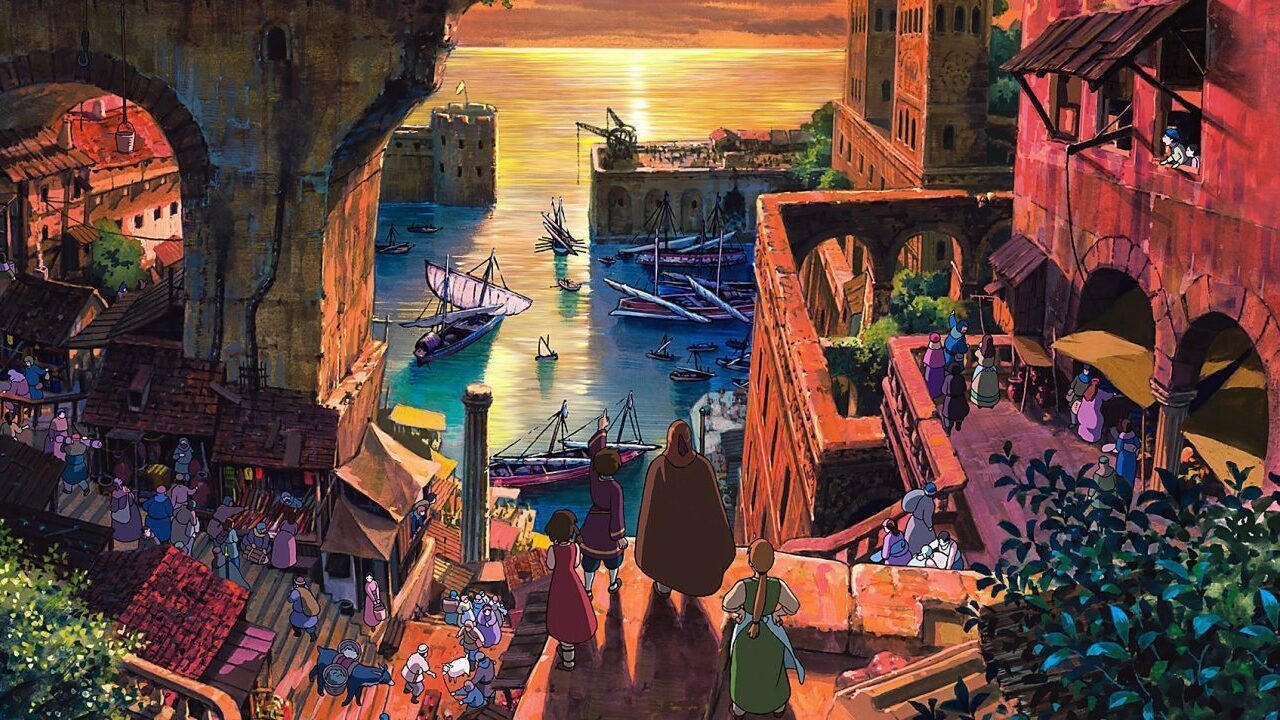
I watched this on a laptop with a screen so dim I had to turn off every light in the house, which ironically made the shadowy antagonist feel way more threatening than intended. Even in the dark, you can see the Ghibli pedigree. The windswept grasslands and the crumbling, salt-crusted architecture of Hort Town are rendered with that signature tactile beauty. But where a typical Ghibli film feels like a living, breathing ecosystem, Earthsea feels like a museum exhibit. It’s stunning to look at, but you’re always aware of the glass between you and the world.
The Black Sheep of the Ghibli Family
Released in 2006, Tales from Earthsea arrived at a crossroads for Studio Ghibli. They were transitioning away from the purely analog methods of the 90s, experimenting with digital paint and compositing while trying to maintain the "hand-drawn" soul. You can feel that friction here. The animation is occasionally stiff, lacking the fluid, kinetic energy of Spirited Away or Howl’s Moving Castle.
The story is a loose, somewhat chaotic adaptation of Ursula K. Le Guin’s Earthsea cycle. It follows Arren (Junichi Okada), a prince who murders his father in the opening minutes for reasons the film never quite explains, and Ged (Bunta Sugawara), an archmage trying to figure out why the world’s "balance" is collapsing. Along the way, they meet Theru (Aoi Teshima), a girl with a scar and a secret, and the villainous Cob (Yuko Tanaka), a wizard obsessed with eternal life.
It’s an adventure movie that seems allergic to explaining its own stakes. We’re told the world is ending, but we mostly just see a lot of people looking depressed on a farm. It plays like a beautiful, expensive cover band trying to play a song they haven't quite finished learning. The notes are all there, but the rhythm is off.
A Quest Without a Compass
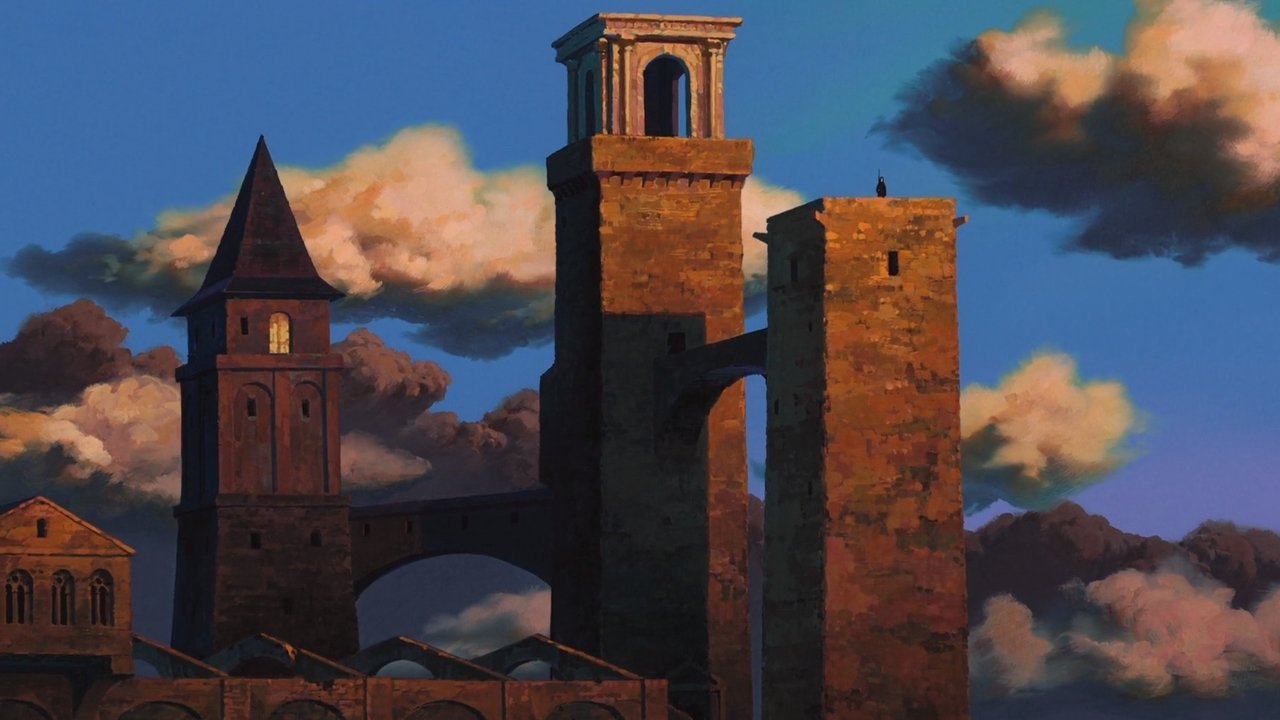
As an adventure film, Earthsea succeeds best when it leans into the "travelogue" aspect of fantasy. The journey across the sea and the arrival at the trading hub of Hort Town are highlights. You get a sense of a world that was once grand but is now rotting from the edges—a theme that resonated heavily in the mid-2000s, an era defined by post-9/11 anxieties and a burgeoning fear of environmental collapse.
However, the film struggles with momentum. Great adventures require a sense of escalation, but Earthsea tends to meander. We spend a significant chunk of the middle act doing farm chores with Tenar (Jun Fubuki). While Ghibli is famous for these "quiet moments," here they feel less like character building and more like the plot has simply run out of gas.
The characters themselves are enigmas. Arren is a protagonist defined by "the shadow"—a literal manifestation of his fear and self-hatred. It’s a heavy, psychological concept that Goro Miyazaki treats with the subtlety of a sledgehammer. The film is essentially a high-budget emo phase captured on celluloid, and while that makes it fascinating as a piece of the director's personal therapy, it doesn't always make for a gripping hero's journey.
The Legacy of a Disappointment
Why has this film fallen into the shadows while its siblings are celebrated? Part of it is the "disappointment factor." Ursula K. Le Guin was famously unhappy with the result, noting that while the film was "visually stunning," it lacked the philosophical depth of her books. It also had the misfortune of being "the bad Ghibli movie" for nearly a decade until the studio’s output became more varied.
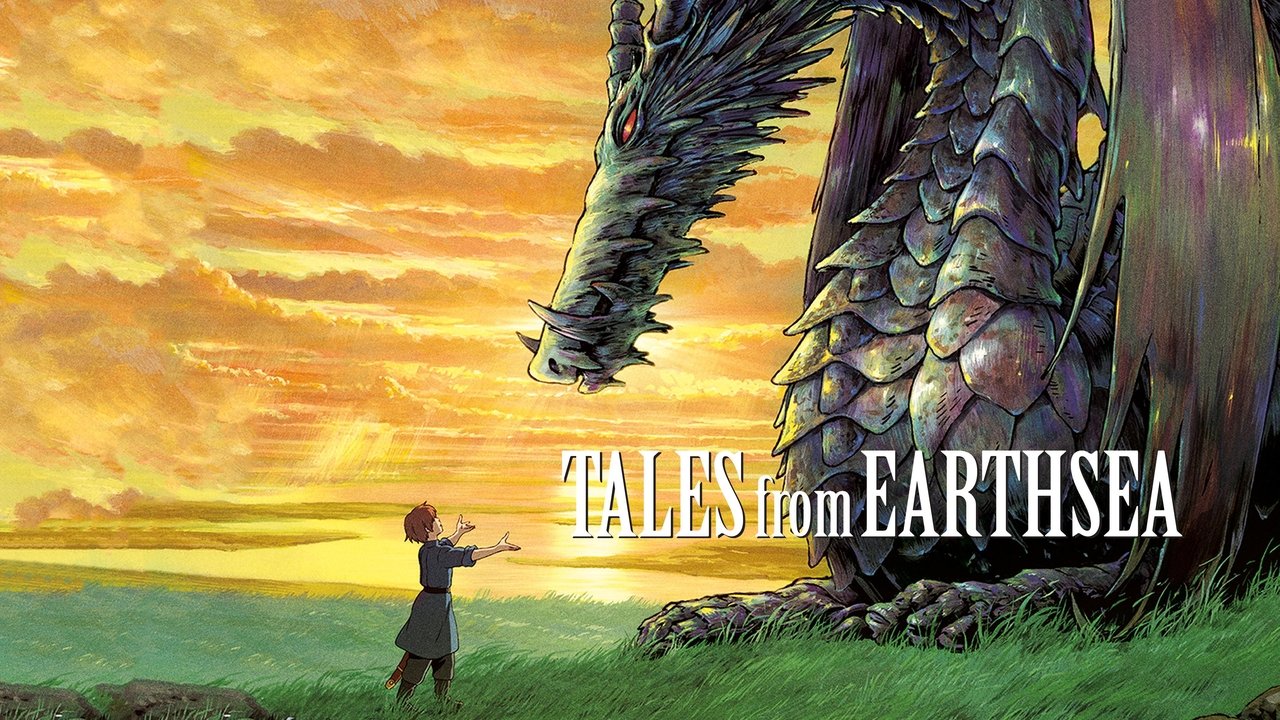
Yet, looking back from the 2020s, there’s something to appreciate here. The score by Tamiya Terashima is genuinely magnificent, blending Celtic folk with sweeping orchestral swells that do a lot of the emotional heavy lifting the script forgets to do. The character of Hare (Teruyuki Kagawa), a sniveling slave trader, provides a grounded, nasty bit of villainy that contrasts well with the more abstract "magic" problems.
It’s a film that earns its place as a curiosity. It’s the sound of a new director trying to find his voice while shouting over the roar of his father’s legacy. It’s clunky, the ending is a confusing mess of dragon transformations and philosophical monologues, and it never quite justifies why Arren decided to go full Oedipus in the first five minutes. But even a "lesser" Ghibli film has more imagination in its background art than most modern blockbusters have in their entire runtime.
Tales from Earthsea is a gorgeous failure that’s still worth a look for any serious animation fan. It doesn't have the magic touch of the master, but it possesses a dark, brooding atmosphere that is unique in the Ghibli catalog. Come for the dragons and the scenery, but don't expect the emotional payoff to be as clear as the horizons it depicts. It’s a journey that doesn't quite reach its destination, but the view along the way is still worth the price of admission.
Keep Exploring...
-
From Up on Poppy Hill
2011
-
Final Fantasy VII: Advent Children
2005
-
Tinker Bell
2008
-
A Monster in Paris
2011
-
Final Fantasy: The Spirits Within
2001
-

The Ant Bully
2006
-
Shrek the Halls
2007
-

Arthur and the Revenge of Maltazard
2009
-
Tinker Bell and the Lost Treasure
2009
-
Arthur 3: The War of the Two Worlds
2010
-
Tinker Bell and the Great Fairy Rescue
2010
-

DuckTales: The Movie - Treasure of the Lost Lamp
1990
-

The Swan Princess
1994
-
Return to Never Land
2002
-

The Cat Returns
2002
-

Secret of the Wings
2012
-
Pokémon: The First Movie
1998
-
Pokémon the Movie 2000
1999
-

Sinbad: Legend of the Seven Seas
2003
-

The Polar Express
2004