Talladega Nights: The Ballad of Ricky Bobby
"High-octane stupidity for the American soul."
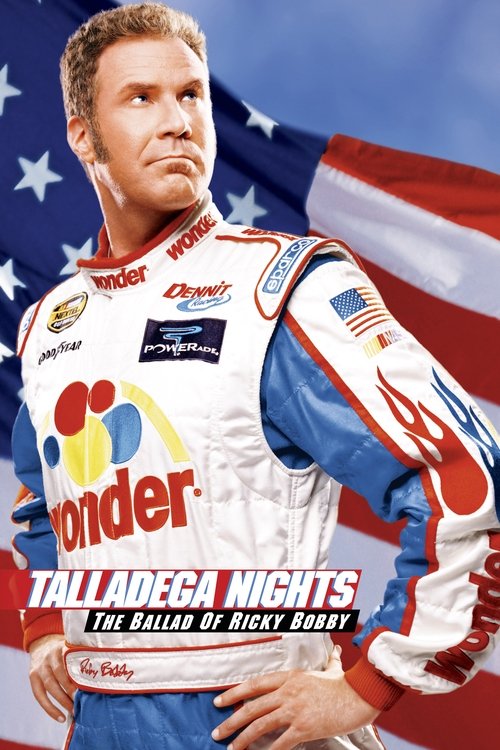
I remember exactly where I was when I first heard a grown man describe his personal savior as a "lean, slightly tan" baby in a tuxedo T-shirt. It was 2006, the height of the Will Ferrell era, and my friends and I were packed into a theater that smelled faintly of nacho cheese and desperation. Watching Talladega Nights: The Ballad of Ricky Bobby today isn’t just a trip down memory lane; it’s a high-speed collision with a specific brand of mid-2000s comedy that feels increasingly like a lost relic. I watched this most recently on a laptop with a cracked screen while eating a lukewarm gas station burrito, which is arguably the way it was intended to be seen.
The Apatow-McKay Comedy Factory
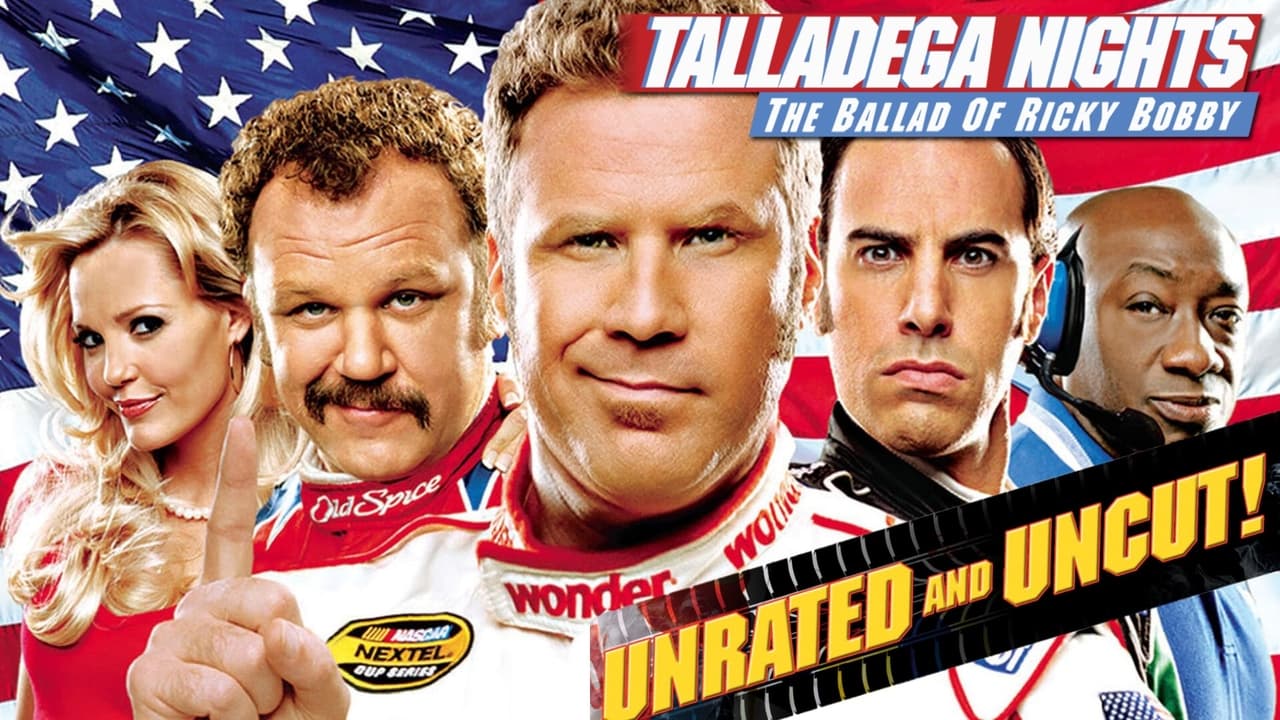
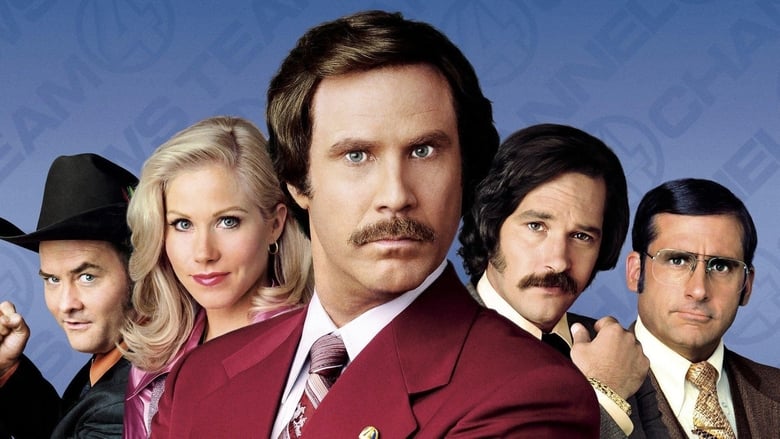
By 2006, the Adam McKay and Will Ferrell partnership was essentially a license to print money. Following Anchorman: The Legend of Ron Burgundy (2004), they had mastered a style of "structured chaos"—a loose, improvisational framework that allowed some of the funniest people on the planet to simply riff until they hit gold. Produced by Judd Apatow, Talladega Nights is the apex of this era. It’s a film that doesn't just invite the "Unrated DVD" treatment; it demands it.
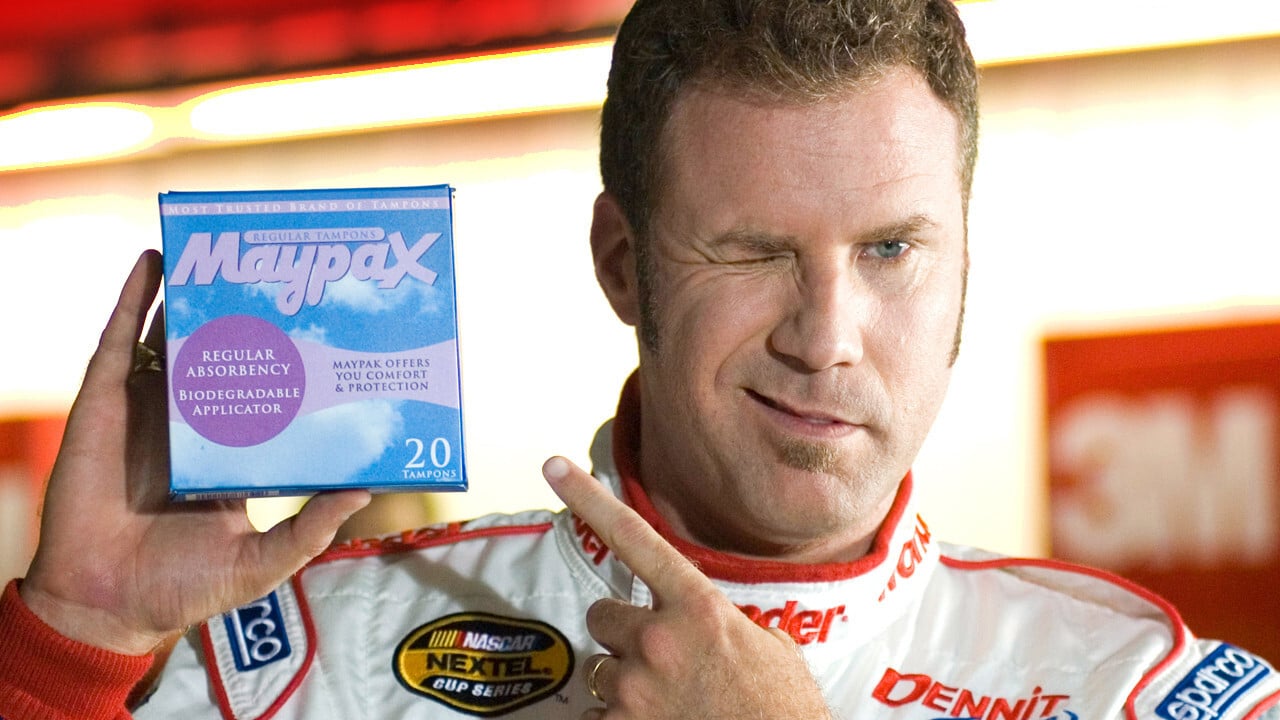
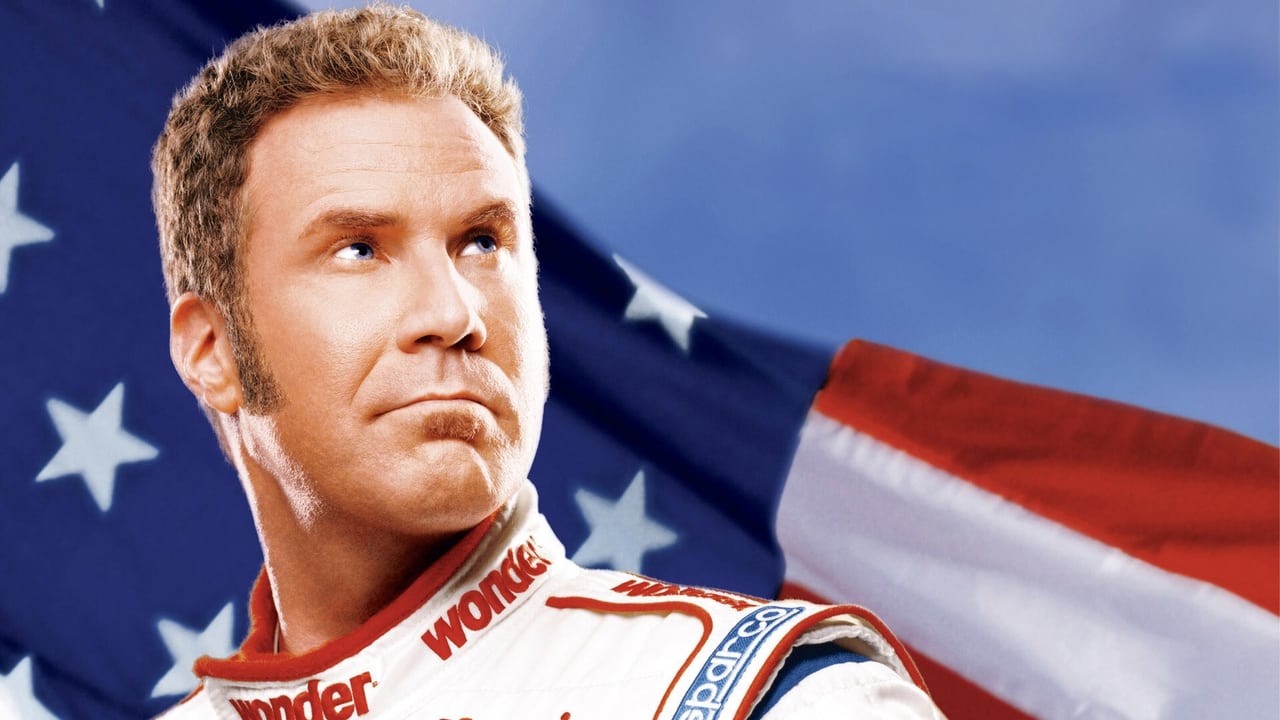
Looking back, this was the peak of DVD culture, where we’d spend more time watching the "Line-O-Rama" special features than the actual film. The movie itself feels like a collection of lightning-in-a-bottle moments. Whether it’s the awkward family dinner prayer or the "Shake and Bake" bromance, you can practically feel the actors trying (and occasionally failing) to keep a straight face. Will Ferrell is, as always, a force of nature. His Ricky Bobby is a "big, hairy American winning machine" who is simultaneously an arrogant jerk and a fragile toddler. It’s a tightrope walk that only Ferrell could pull off without losing the audience.
A Satire with 800 Horsepower
While it’s easy to dismiss this as "the NASCAR movie," the script by Ferrell and McKay is actually a razor-sharp satire of American exceptionalism and corporate commercialism. The product placement in this film is legendary, mostly because it’s the joke. Ricky Bobby can’t even say grace without thanking Powerade, and his windshield is literally covered by a Fig Newtons sticker. It’s a hilarious, "look-at-us" critique of how everything in American life—even our heroes—is for sale.
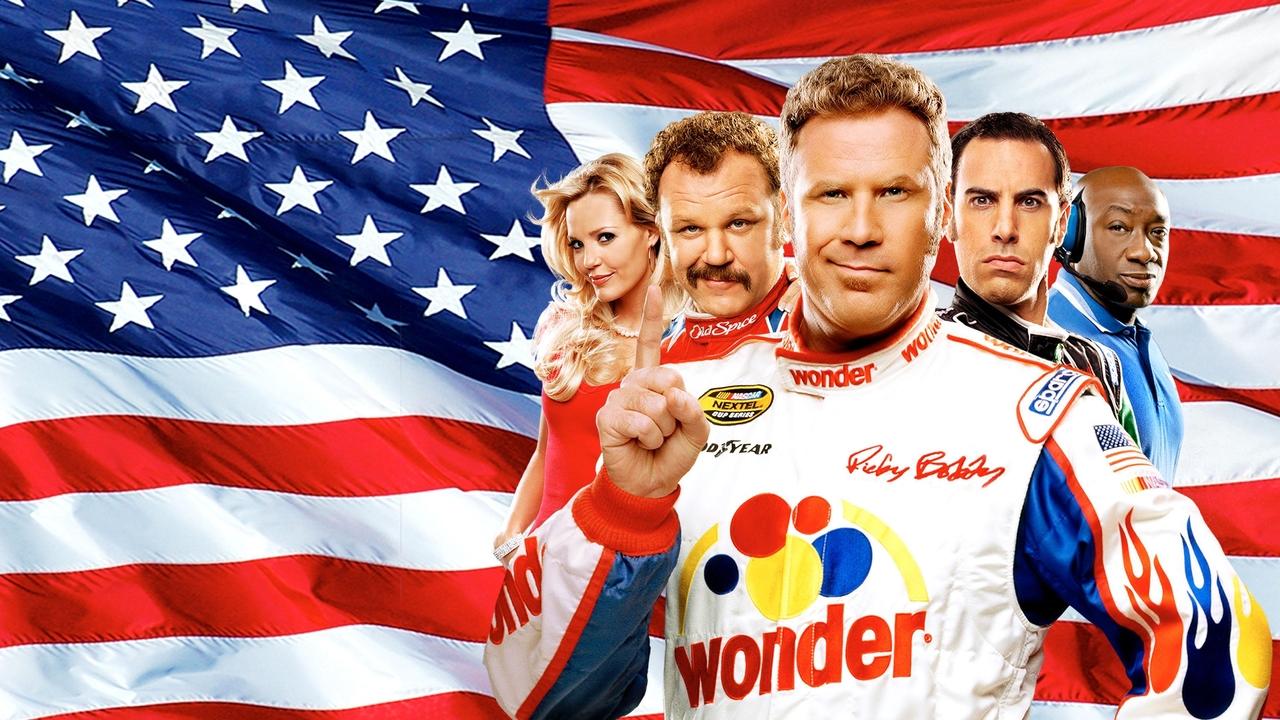
Then there’s the arrival of Jean Girard, played with a magnificent, scenery-chewing French accent by Sacha Baron Cohen. Fresh off his Da Ali G Show success, Baron Cohen is the perfect foil. He’s a gay, Camus-reading, jazz-loving Formula One driver who enters the hyper-masculine world of NASCAR like a glitter bomb in a coal mine. Jean Girard is the most relatable character in the movie because he just wants to read philosophy and drink tea while everyone else screams about Applebee's. The rivalry between him and Ricky isn't just about racing; it’s a clash of cultures that feels even more pointed in retrospect than it did eighteen years ago.
The Chemistry of "Shake and Bake"
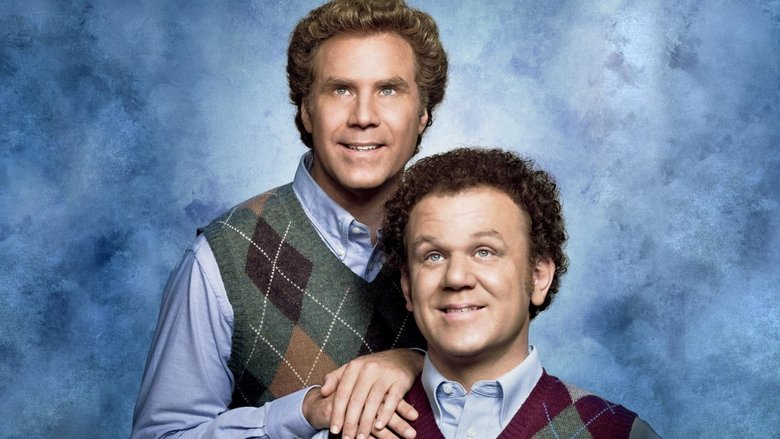
The secret sauce, however, isn't just the leads. It’s the ensemble. John C. Reilly as Cal Naughton, Jr. is perhaps the greatest "second banana" in cinematic history. His chemistry with Ferrell—later perfected in Step Brothers (2008)—is the heart of the film. Cal is the man who "lived his life in the shadow of a legend," and Reilly plays him with a sweet, dimwitted sincerity that makes the absurdity land.
The supporting cast is an embarrassment of riches. Gary Cole gives us the ultimate "bad dad" as Reese Bobby, delivering the film's flawed thesis—"If you ain't first, you're last"—with a deadpan gravel that makes you believe it. Leslie Bibb as Carley Bobby is a terrifyingly accurate caricature of the trophy wife who is only "in love" with the winner's circle. And we have to talk about Michael Clarke Duncan (who also appeared in The Green Mile) as Lucius Washington. Watching the late, great powerhouse attempt to perform "surgery" on Ricky Bobby with a kitchen knife is a masterclass in physical comedy.
What Ages Like Fine Wine (and What’s Just Cheap Beer)
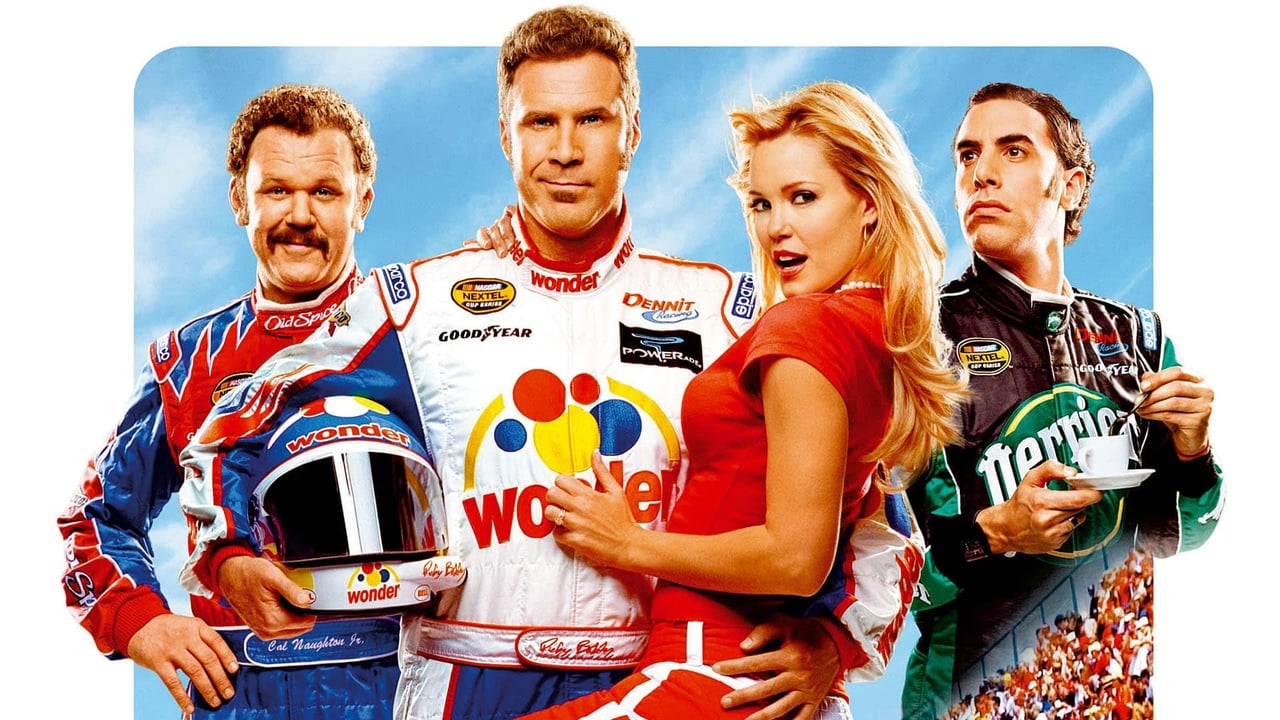
Watching Talladega Nights today, you can see the seams of the mid-2000s comedy style. It’s baggy. The plot is paper-thin and essentially disappears for twenty minutes at a time to allow for a riff. But the commitment to the bit is so absolute that the flaws become part of the charm. There’s a scene where Ricky Bobby thinks he’s on fire—running across the track in his underwear, screaming for Jesus, Tom Cruise, and Oprah to save him—that remains one of the purest expressions of comedic desperation ever filmed.
It’s also a fascinating snapshot of pre-social media marketing. This was one of the first films to really lean into viral-style catchphrases that took over the playground and the office water cooler. Everyone was saying "Shake and Bake" for six months straight. It’s a film that exists in that sweet spot where digital effects were starting to allow for more ambitious racing sequences, but the comedy still felt grounded in human interaction and weird, prolonged silences.
Ultimately, Talladega Nights succeeds because it never blinks. It’s a loud, stupid, brilliant movie that understands exactly what it is. It skewers the "win at all costs" mentality of the era while still giving us a hero we can root for—mostly because we want to see what ridiculous thing he’ll say next. If you haven't revisited the Ballad of Ricky Bobby lately, it’s time to hop back in the driver's seat. Just make sure you bring the Fig Newtons.
Keep Exploring...
-
Step Brothers
2008
-

The Other Guys
2010
-
Anchorman: The Legend of Ron Burgundy
2004
-
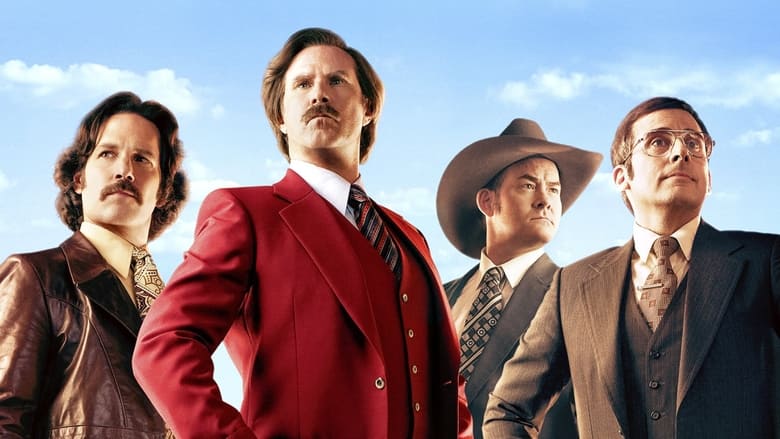
Anchorman 2: The Legend Continues
2013
-

Blades of Glory
2007
-
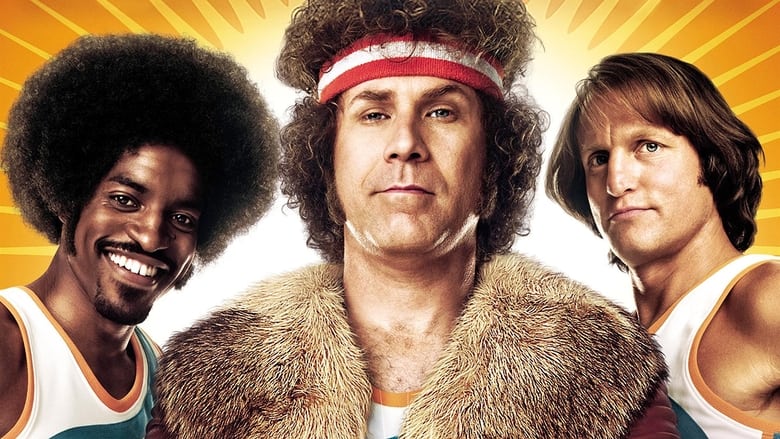
Semi-Pro
2008
-
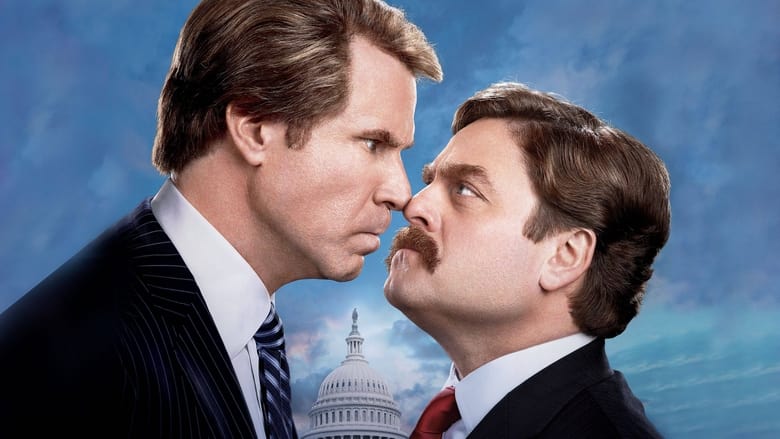
The Campaign
2012
-
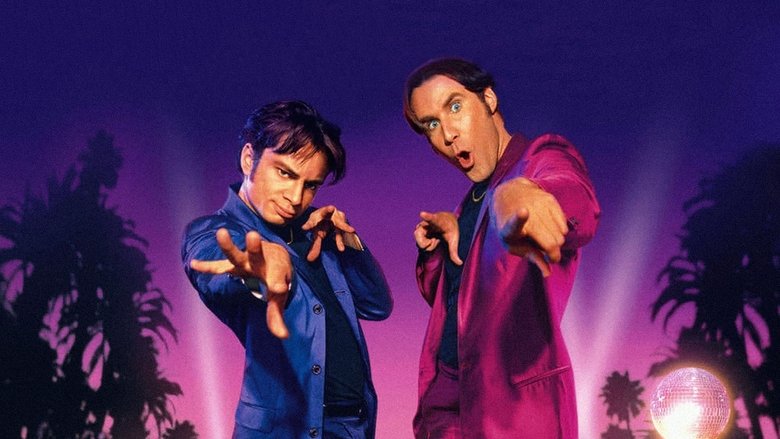
A Night at the Roxbury
1998
-
Osmosis Jones
2001
-

Charlie Wilson's War
2007
-
Vice
2018
-
Megamind
2010
-
Wet Hot American Summer
2001
-
Never Been Kissed
1999
-
America's Sweethearts
2001
-

Bandits
2001
-
The Mexican
2001
-
The Santa Clause 2
2002
-
Intolerable Cruelty
2003
-
Looney Tunes: Back in Action
2003